
Marble Fountain in Italy — History & Facts
The reflection of wealth and elegance often conceals the complexities beneath the surface, reminding us that transformation can be both exquisite and burdensome. Look to the center of the canvas, where the marble fountain emerges, its intricate carvings echoing the craftsmanship of a bygone era. Notice how the soft, natural light caresses the stone, revealing a gentle sheen that invites the viewer to appreciate its texture. The surrounding foliage frames the scene with deep greens, contrasting the cool white of the fountain, while splashes of vibrant flowers add warmth and life, drawing your gaze to the harmony between nature and artistry. Beneath this serene surface lies a narrative of transience.
The fountain, a symbol of permanence, stands resilient amidst the inevitable decay of life, reflecting the artist’s exploration of beauty’s fleeting nature. Each curve and detail captures a moment frozen in time, yet the lively play of light suggests a world in constant motion, hinting at the transformation that occurs as nature encroaches upon manmade beauty. Sargent subtly intertwines these dualities, evoking a sense of both admiration and melancholy in the viewer. In 1907, while living in the golden aesthetic of Edwardian society, the artist painted this work in Italy, a country that inspired many of his masterpieces.
Sargent was at the height of his career, known for his portraiture and ability to capture the essence of his subjects. This period marked a transitional moment in art, as traditional techniques faced the burgeoning influence of modernism, reflecting the tensions of beauty and change within the artist’s world.
More Artworks by John Singer Sargent
Browse all →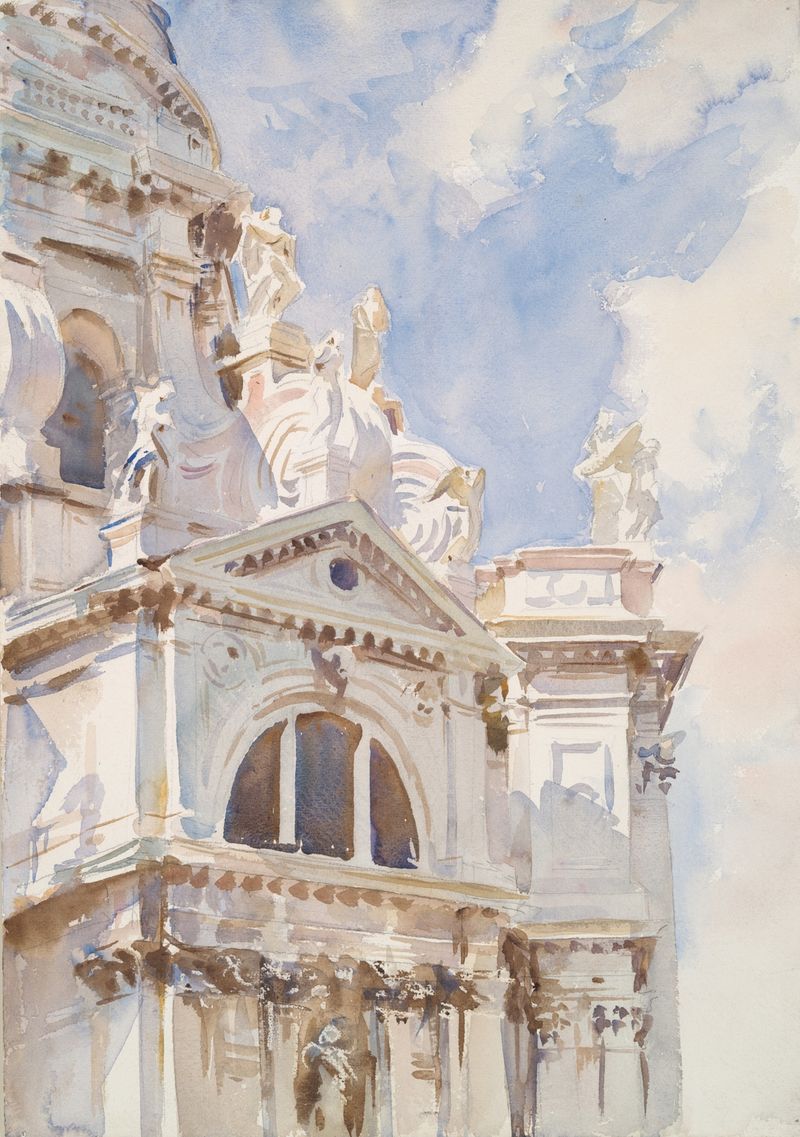
The Salute, Venice
John Singer Sargent

Mrs. Charles Deering (Marion Denison Whipple)
John Singer Sargent
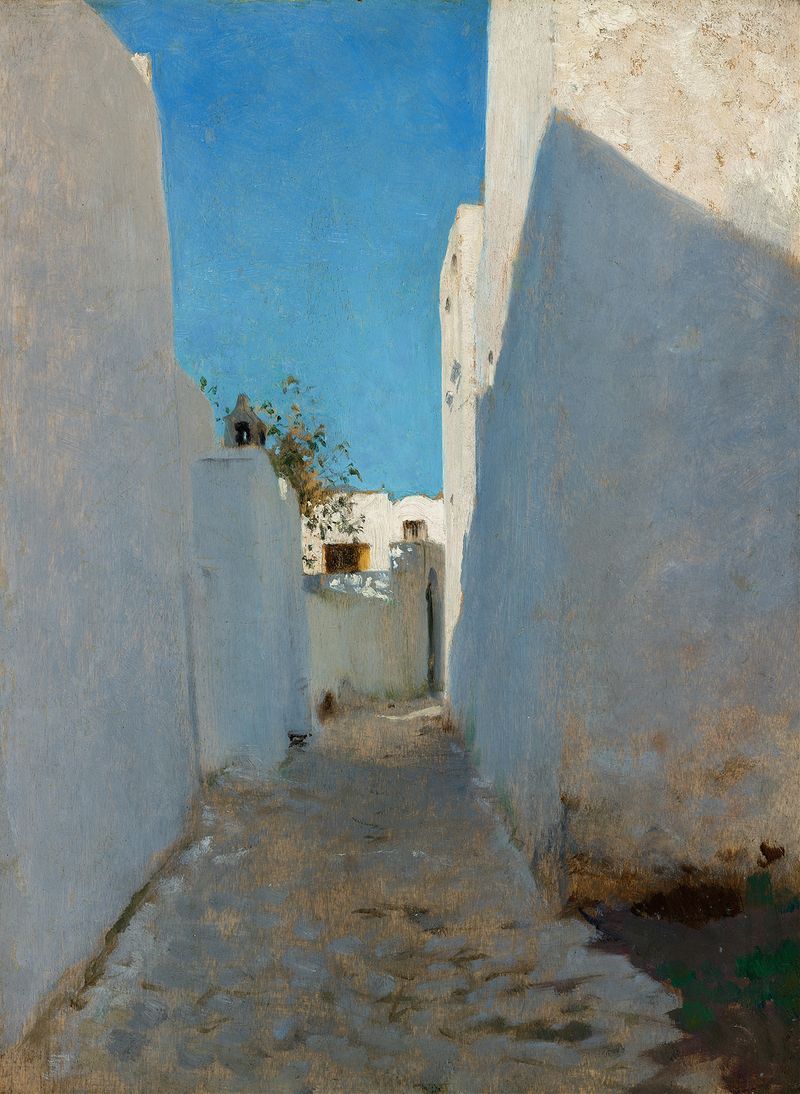
A Moroccan Street Scene
John Singer Sargent
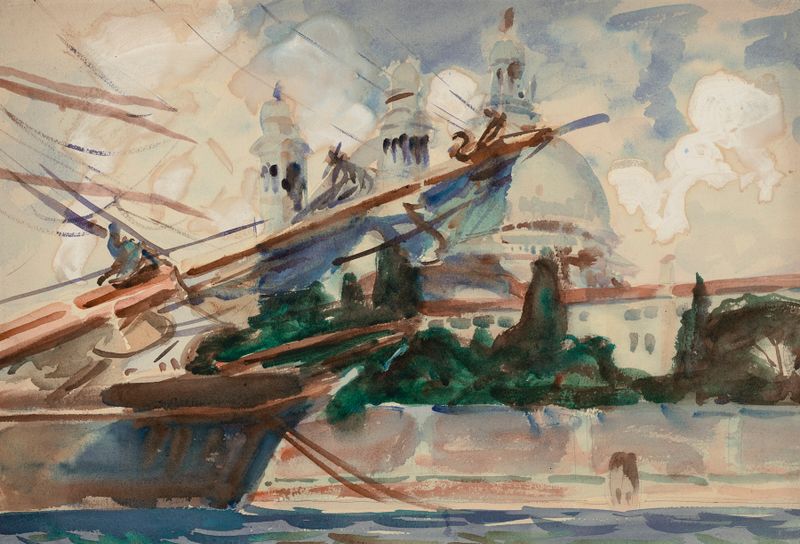
The Salute, Venice
John Singer Sargent
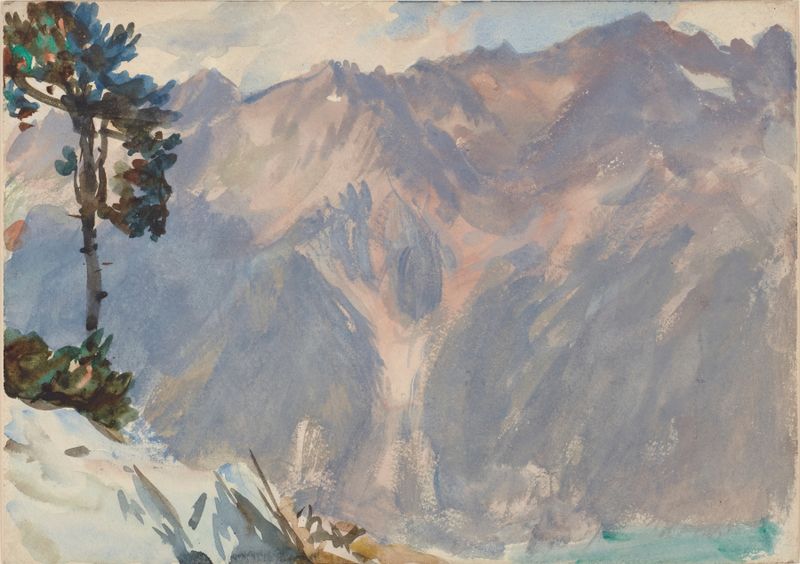
Tyrol
John Singer Sargent
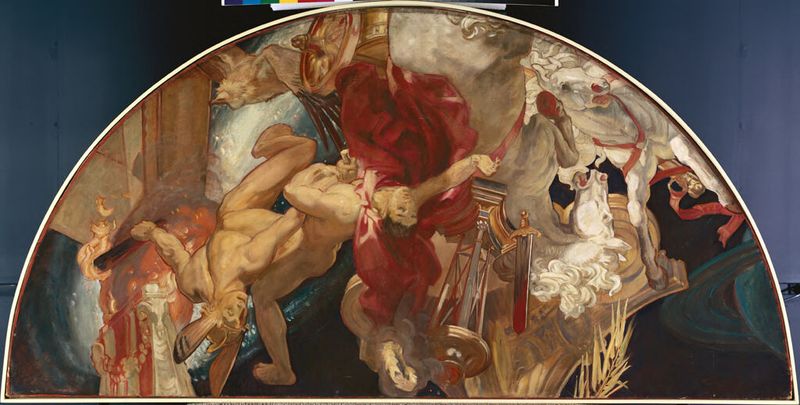
Study for "Gog and Magog," for the Boston Public Library
John Singer Sargent
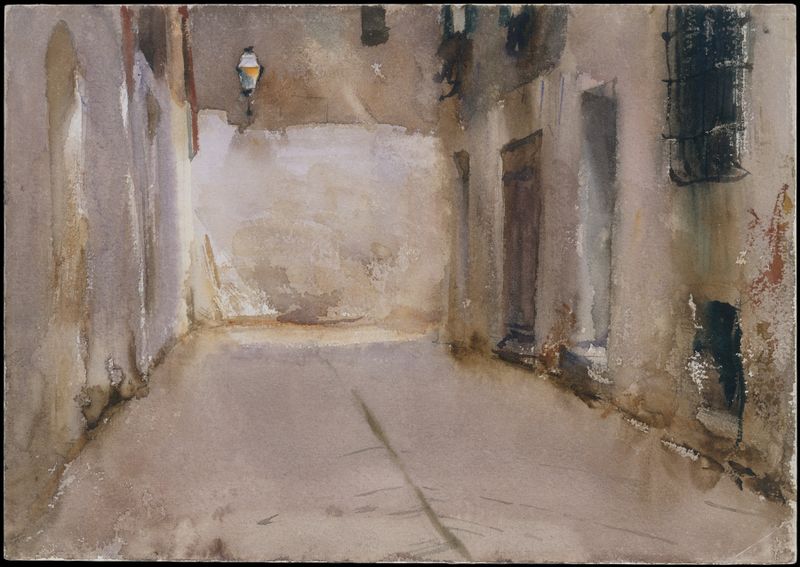
Venice
John Singer Sargent
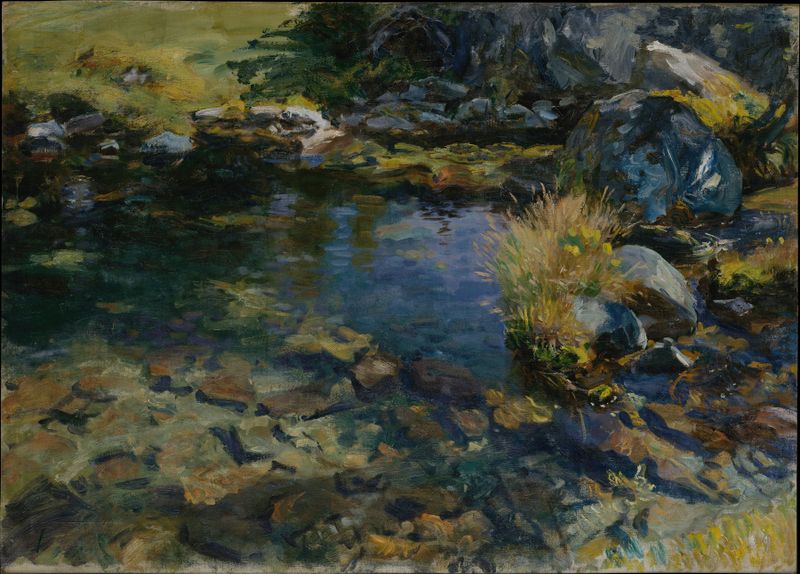
Alpine Pool
John Singer Sargent
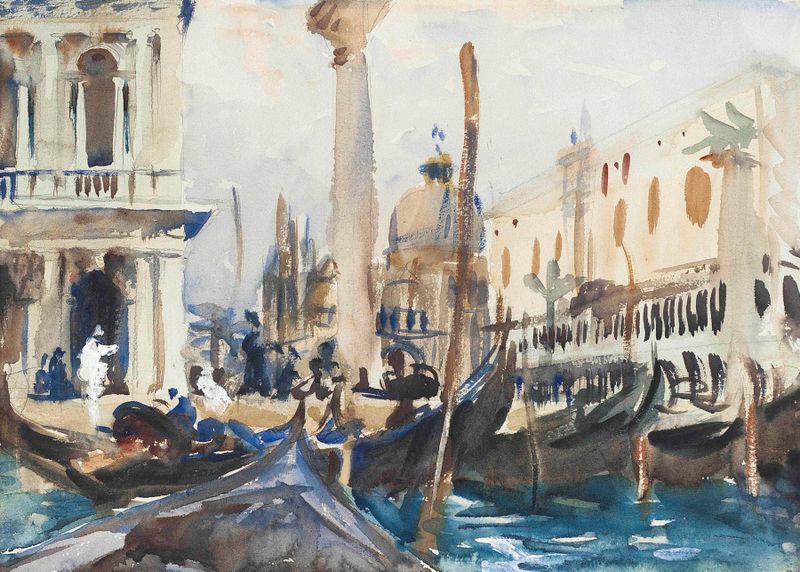
The Piazzetta with Gondolas
John Singer Sargent
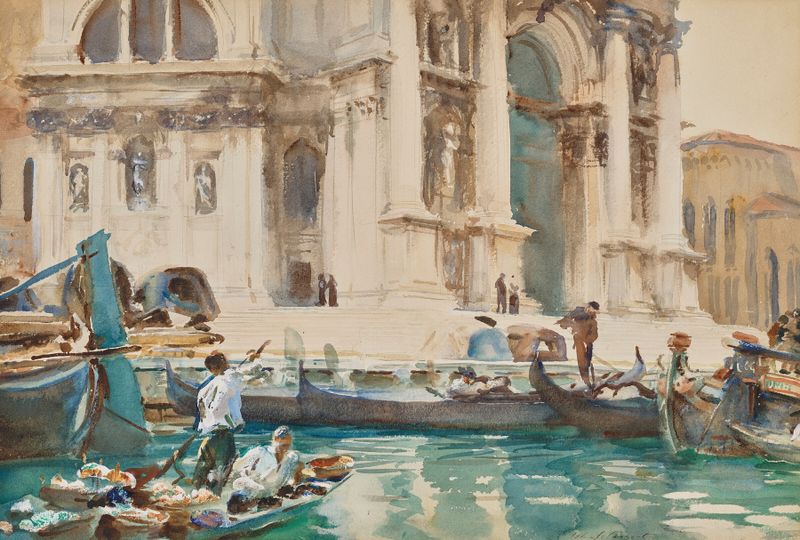
The Façade of La Salute, Venice
John Singer Sargent
More Architecture Art
Browse all →
The statue of Liberty
Frédéric Auguste Bartholdi

View of Houses in Delft, Known as ‘The Little Street’
Johannes Vermeer

View of Houses in Delft, Known as ‘The Little Street’
Johannes Vermeer

The Cathedral in Rouen. The portal, Grey Weather
Claude Monet

The yellow house
Vincent van Gogh

The Church in Auvers-sur-Oise, View from the Chevet
Vincent van Gogh