
Margaret at the Spinning Wheel (Goethe, Faust 1, 15) — History & Facts
What draws the eye first is the hush that seems to settle over the figure at the heart of Margaret at the Spinning Wheel (Goethe, Faust 1, 15). The young woman, absorbed in her task, is caught in a moment of inwardness—her gaze lowered, her hands gentle on the wool. The soft, almost blurred handling of the paint wraps her in an atmosphere of privacy and melancholy, as if the world around her has faded to a hush.
The spinning wheel itself, only partly visible, is less a tool than a silent companion, echoing the circular motion of her thoughts. Light pools around her face and hands, pulling the viewer into her quiet world and inviting us to wonder what weighs so heavily on her mind. Works like this, painted by Ary Scheffer and now held by the Dordrechts Museum, belong to a tradition where literature and painting meet—here, Goethe’s Faust provides the emotional script. In the nineteenth century, scenes from novels and plays were popular subjects for artists seeking to capture not just likeness but mood and moral tension.
The domestic interior, the solitary figure, the suggestion of longing or regret: all are hallmarks of Romantic painting, where the private struggles of the soul are given visual form. History has kept few traces of this particular canvas’s journey, but its quiet drama is still palpable, inviting us to linger and read the story in Margaret’s downcast eyes.
More Artworks by Ary Scheffer

Princess Marie d'Orléans in Her Studio
Ary Scheffer
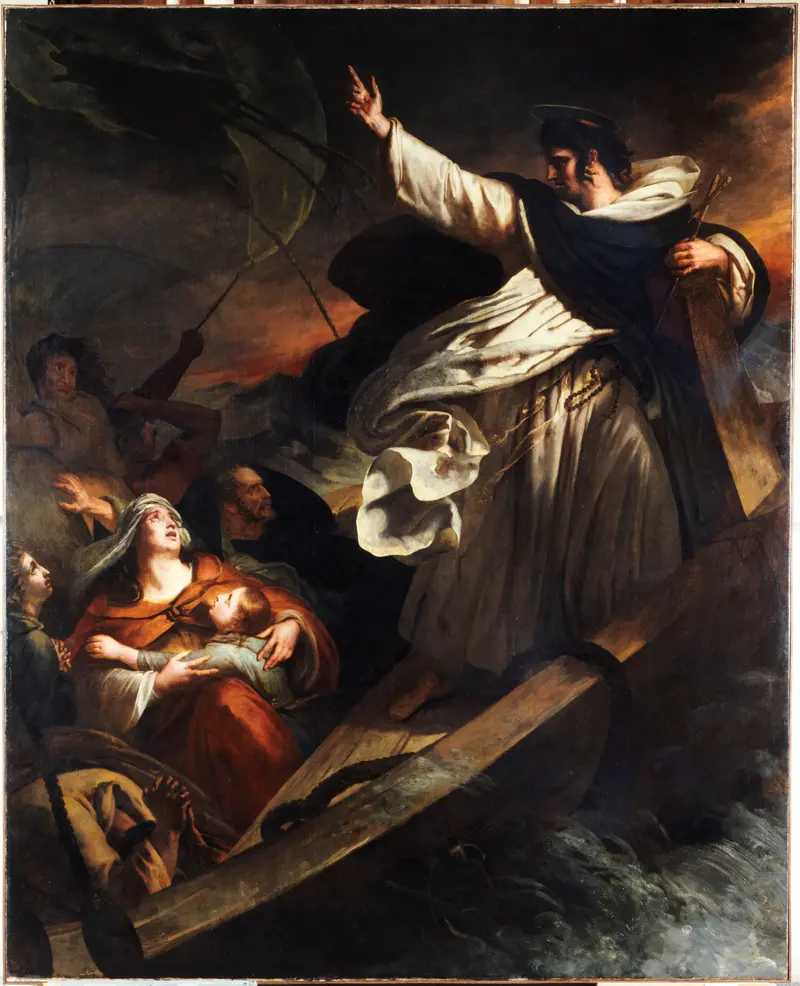
Saint Thomas d'Aquin prêchant la confiance en Dieu pendant la tempête
Ary Scheffer
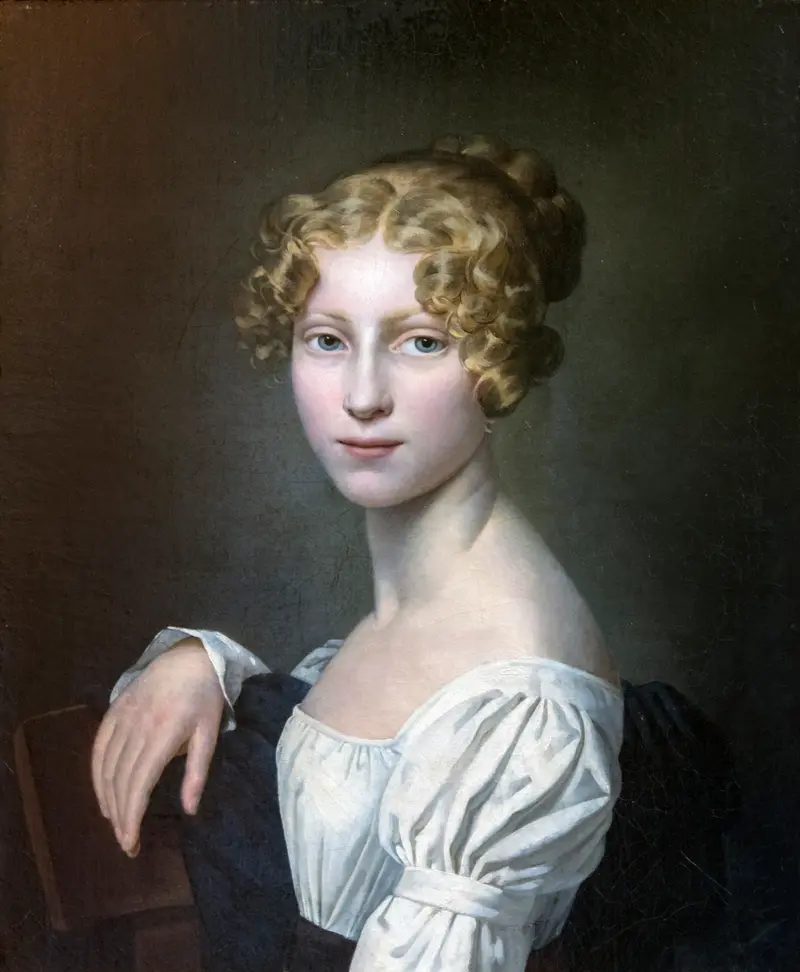
Pauline de Rémusat par Ary Scheffer
Ary Scheffer
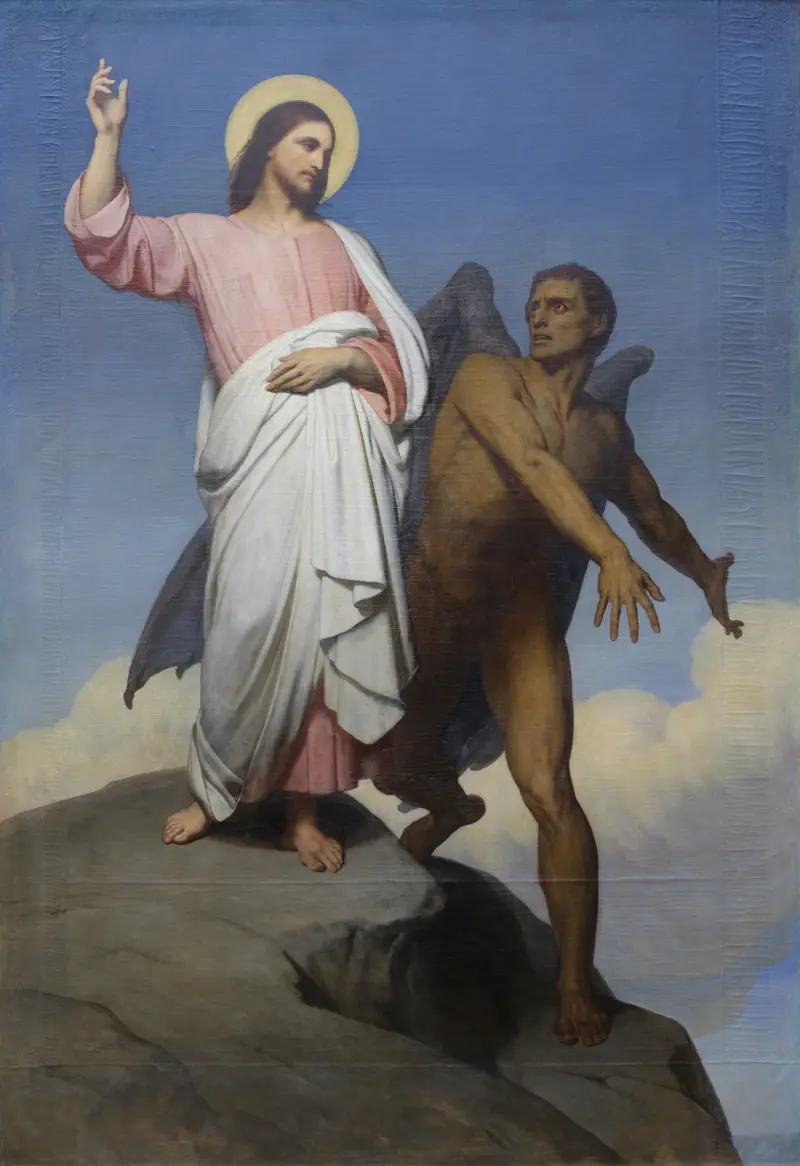
La Tentation du Christ Musée du Louvre Peintures MI 285
Ary Scheffer
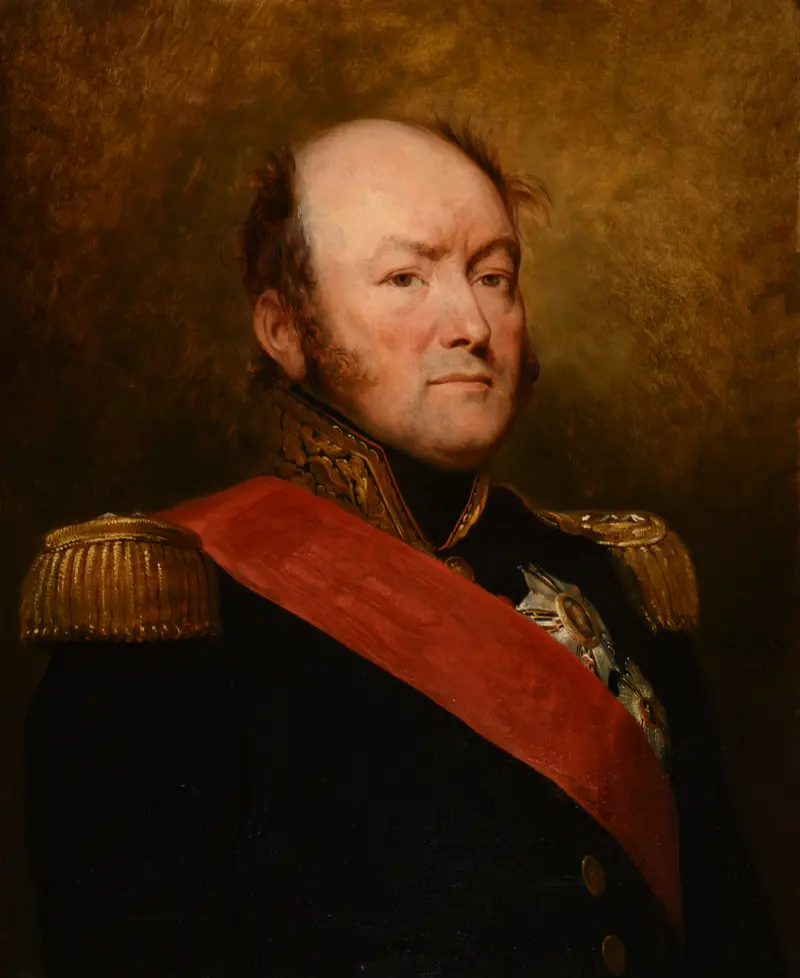
Comte Drouet d'Erlon
Ary Scheffer
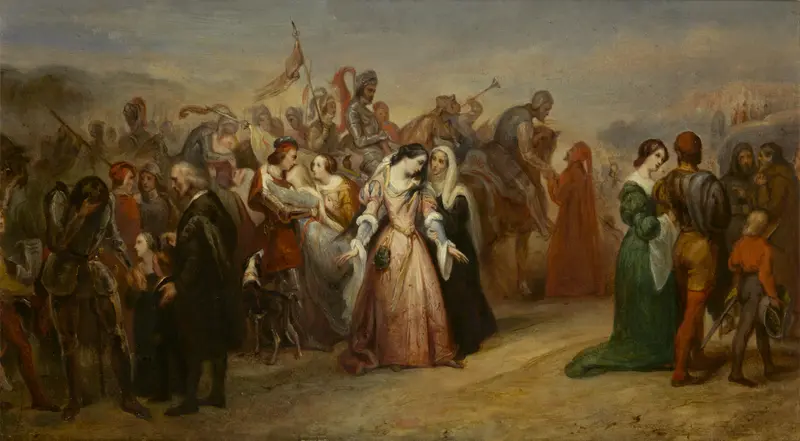
Lenore - de terugkeer van het leger
Ary Scheffer
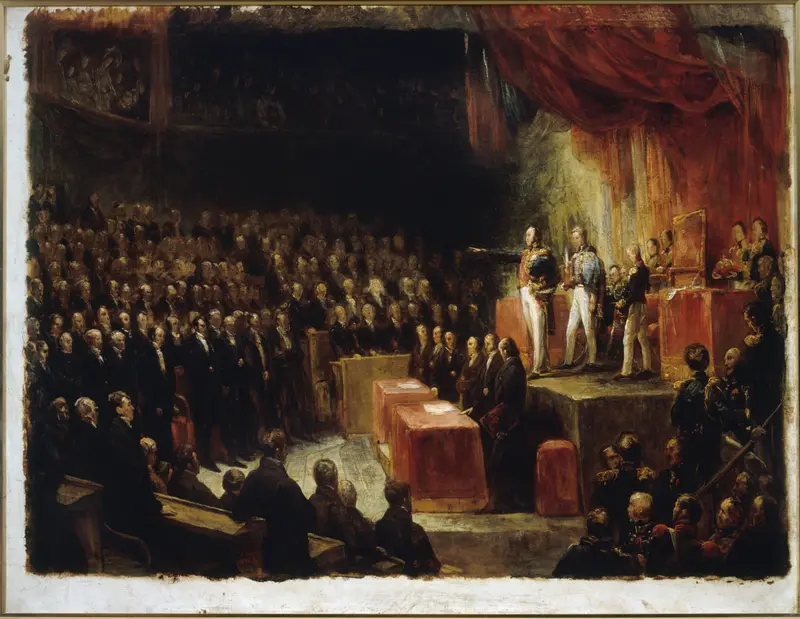
Louis Philippe prêtant serment devants les chambres, le 9 août 1830 P1537 Musée Carnavalet
Ary Scheffer
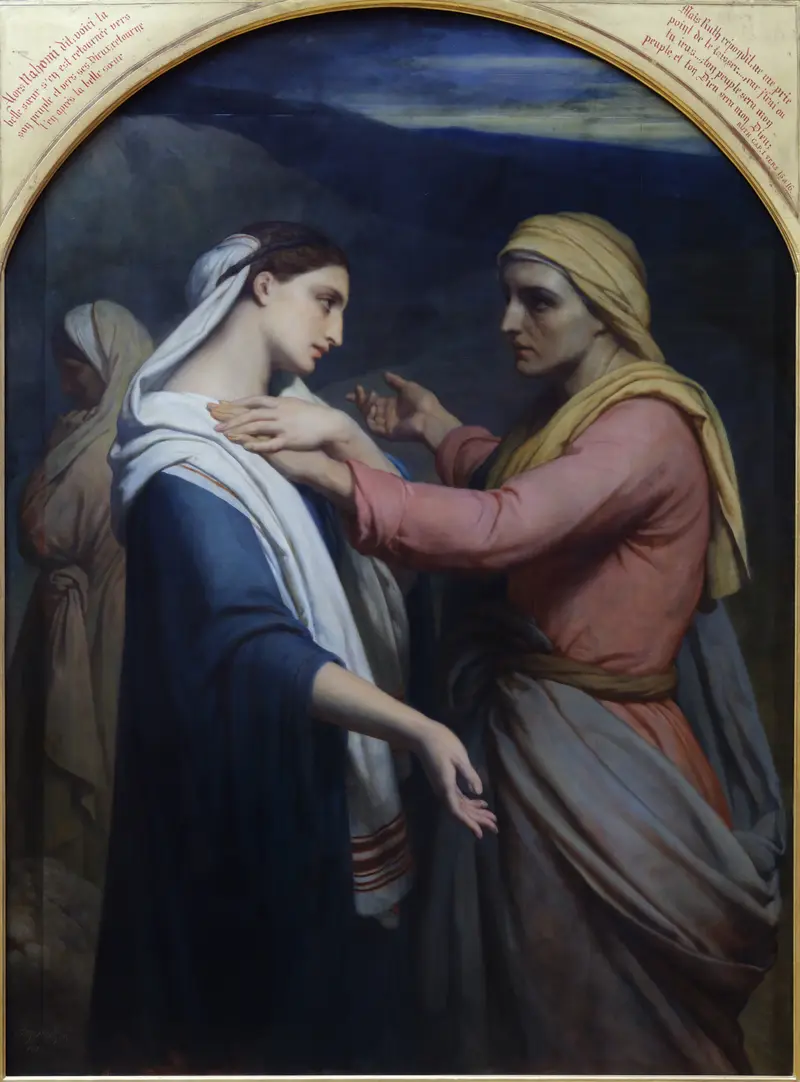
Ruth et Noémi Musée du Louvre Peintures RF 2013 4
Ary Scheffer

Figuur van een treurende engel DM S 70 Dordrechts Museum
Ary Scheffer
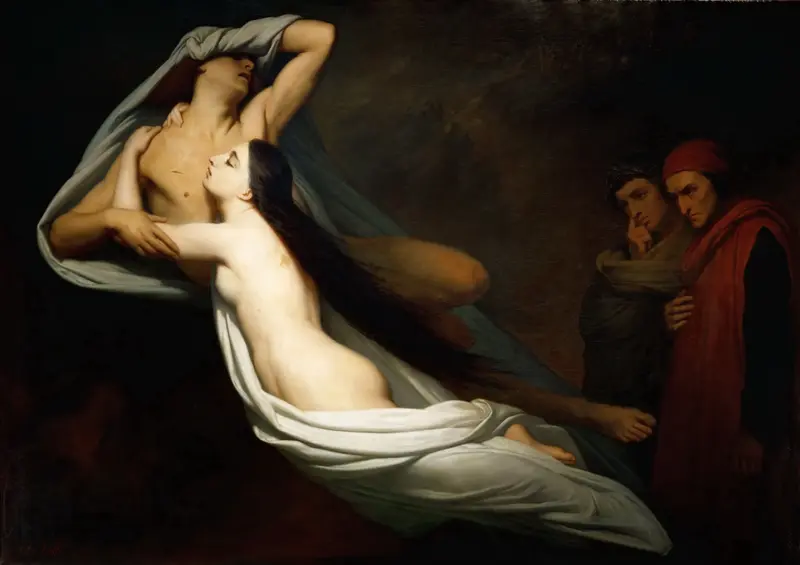
Francesca da Rimini and Paolo Malatesta appraised by Dante and Virgil
Ary Scheffer





