Margin of a Moat — History & Facts
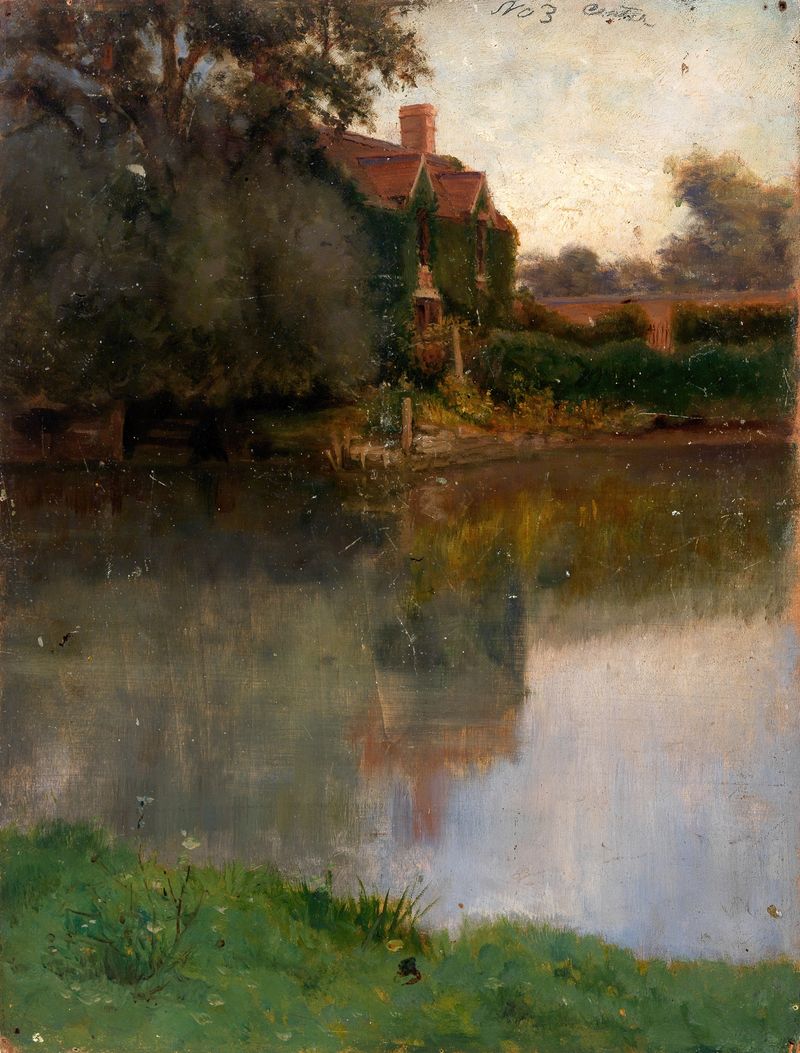
In its silence, it invites reflection, allowing the viewer to confront the void that lingers within us all. First, direct your gaze to the depth of the artwork. The soft, muted tones blend harmoniously, creating a sense of stillness that envelops the viewer. Notice how the subtle gradations of color draw the eye towards the less defined edges, a visual metaphor for the boundary between presence and absence.
The textured brushwork provides a tactile quality, leading you on a journey through the atmospheric layers that suggest a world just beyond reach. As you explore further, contemplate the interplay of light and shadow; they dance delicately across the surface, giving life to a landscape that feels both intimate and expansive. This tension mirrors the contrast between the tangible and the intangible, evoking feelings of nostalgia and longing. Each stroke seems to echo a silent narrative, inviting you to grapple with the emotional weight of what remains unexpressed, the ungraspable essence of the void. Eliphalet Fraser Andrews crafted this intriguing piece during a time of subtle change in the art world, when traditional boundaries were beginning to blur.
Working in the late 19th century, he explored themes of perception and reality, reflecting broader movements in American art as they shifted towards impressionism and abstraction. This period marked a significant evolution in his style, illuminating the complexities of human experience and the spaces we navigate between existence and nothingness.