Poppies — History & Facts
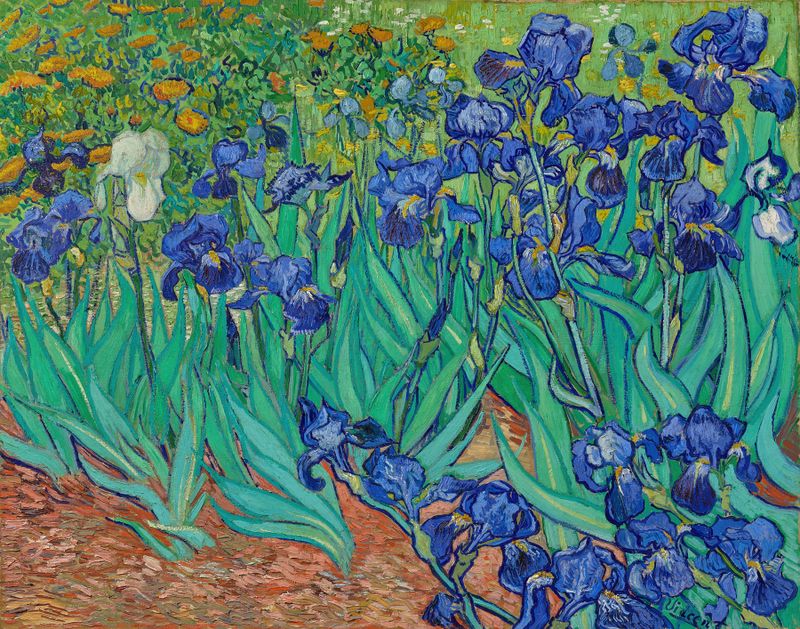
Could beauty survive in a century of chaos? In a world steeped in turmoil, the vivid blooms of Poppies offer a tender reminder of nature's resilience and grace. Each petal holds an echo of reflection, urging us to pause and appreciate the fleeting moments of beauty that persist, even when surrounded by strife. Look to the center of the canvas, where a cluster of vibrant red poppies commands attention, their delicate petals unfurling like whispers of hope. Notice how the artist masterfully employs a palette dominated by earthy greens and fiery reds, creating a striking contrast that draws the eye.
The soft brushstrokes evoke movement, as if the flowers sway gently in a breeze, encapsulating a moment of tranquility amidst the chaos of life. The play of light across the petals adds a layer of depth, as shadows dance subtly, enhancing the emotional resonance of the scene. Within the composition lies a profound contemplation of life and death—those crimson blooms symbolize both beauty and the ephemeral nature of existence. The juxtaposition of the vibrant flowers against a more subdued background reflects the tension between vitality and transience, a dance of remembrance and loss.
Each bloom seems to carry a story, inviting viewers to reflect on their own experiences and connections to the world around them. The artwork emerged during a transformative period for its creator, who painted Poppies in a time when the art world was grappling with modernity. Eliphalet Fraser Andrews, active in the late 19th century, was influenced by the rise of Impressionism and the exploration of color and light. In that era, as artists sought to capture the essence of their surroundings, this piece stands as a testament to the enduring power of nature's beauty, creating a dialogue between the artist's vision and the viewer's interpretation.