
Marine Landscape — History & Facts
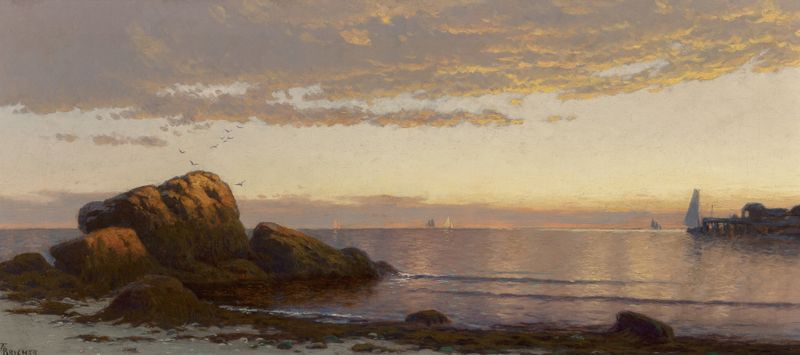
In the stillness of nature, echoes of past vitality linger, whispering stories of life and decay. Look to the left at the sweeping expanse of the ocean, where soft waves dance beneath a pale sky. Notice how the artist captures the nuances of light—each brushstroke a deliberate choice, revealing subtle shades of blue mingling with delicate touches of gray. The horizon stretches infinitely, inviting your gaze to linger, while tufts of grass, painted in earthy greens, frame the scene, reminding us of the land’s intimate relationship with the sea. Yet, hidden within this serene vista is the quiet tension of decay.
The shoreline, though beautiful, shows signs of erosion, suggesting the relentless passage of time. The vibrant hues seem to hold a moment of life, yet they speak of transience, highlighting the fragility of nature. In the juxtaposition of water and land, there exists a delicate balance—each element a testament to both creation and destruction, where beauty coexists with inevitable decline. Painted in 1895, during a period when American artists were beginning to explore the nuances of natural landscapes, this work reflects Bricher's deep appreciation for coastal scenes.
Working predominantly in the New England region, he captured the interplay of light and atmosphere, seeking to evoke a sense of tranquility. At a time when industrialization was rapidly changing the environment, the artist’s focus on unspoiled nature served as both a celebration and a poignant reminder of what was at risk of being lost.
More Artworks by Alfred Thompson Bricher
Browse all →
New England Coast
Alfred Thompson Bricher
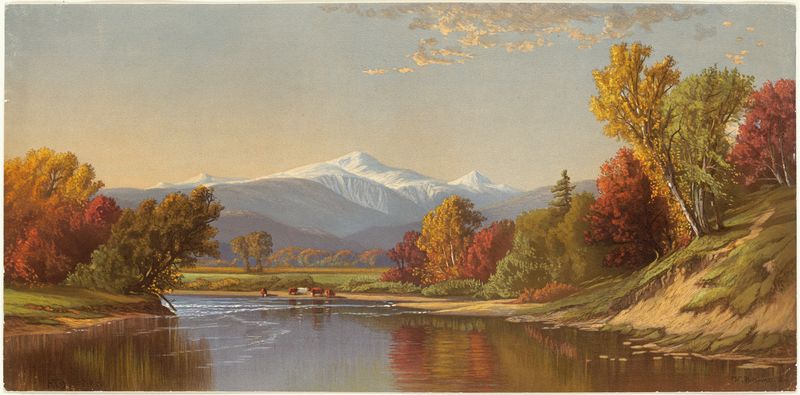
Late Autumn in the White Mountains
Alfred Thompson Bricher
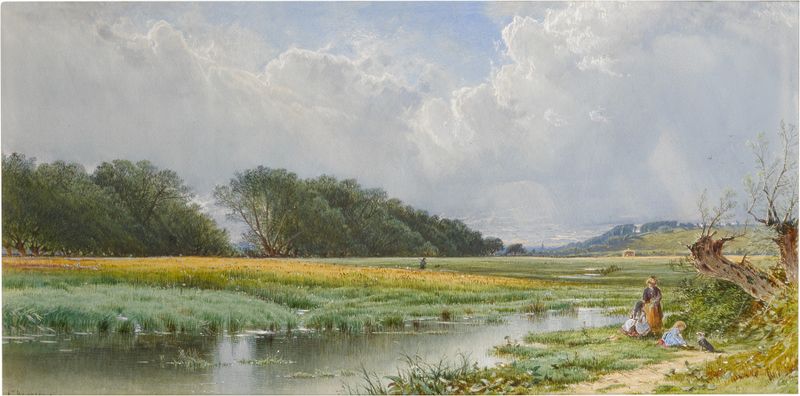
On the Meadows of Old Newburyport
Alfred Thompson Bricher

Along the Maine Coast
Alfred Thompson Bricher
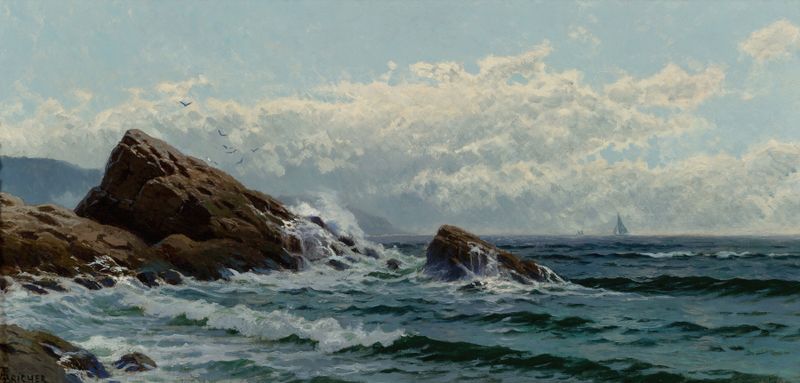
Crashing Waves
Alfred Thompson Bricher

At Water’s Edge
Alfred Thompson Bricher
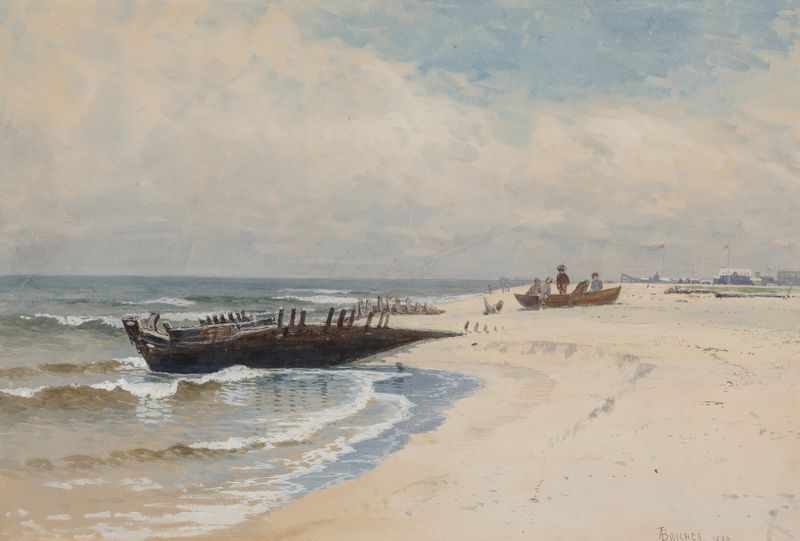
Low Tide
Alfred Thompson Bricher
Sunset on the Coast
Alfred Thompson Bricher

Castle Rock, Nahant, Massachusetts
Alfred Thompson Bricher

On the Meadows of Old Newburyport
Alfred Thompson Bricher





