Market day, Rome — History & Facts
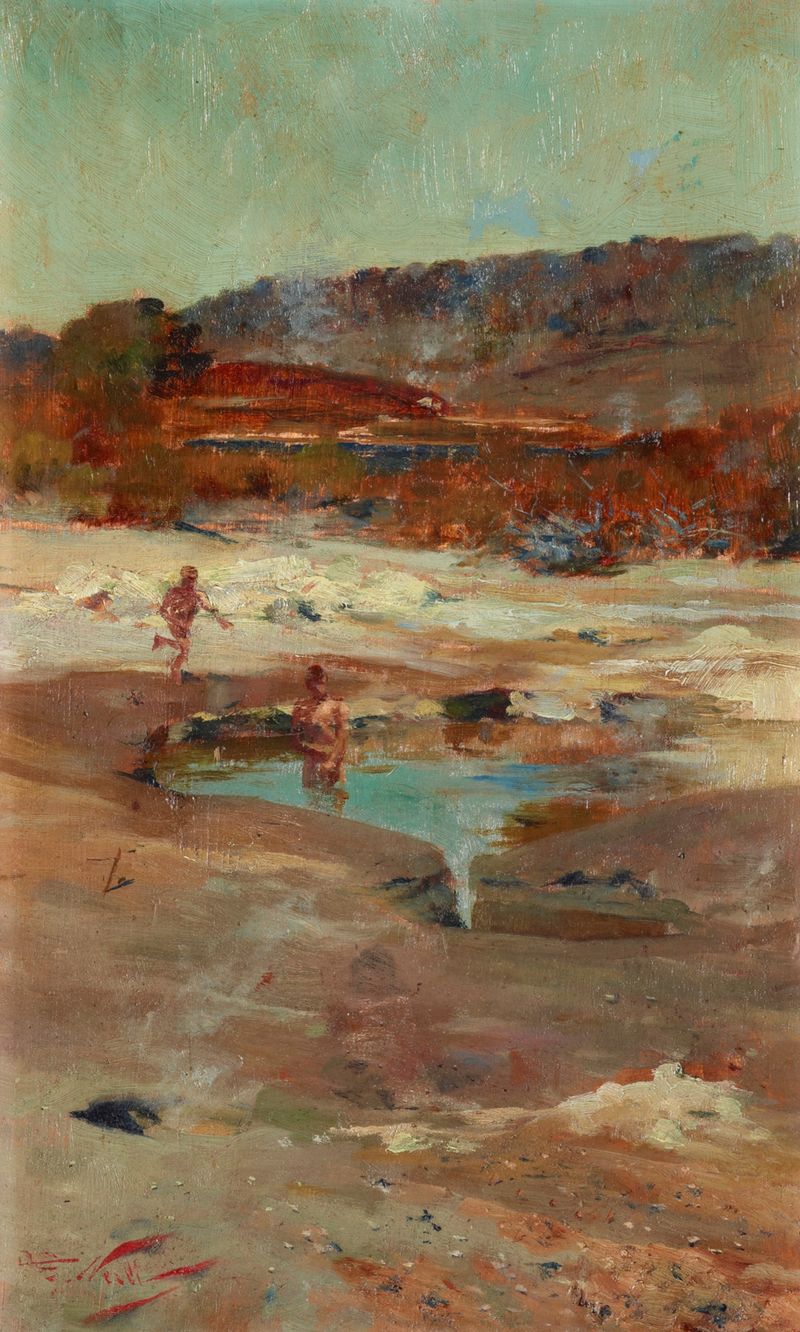
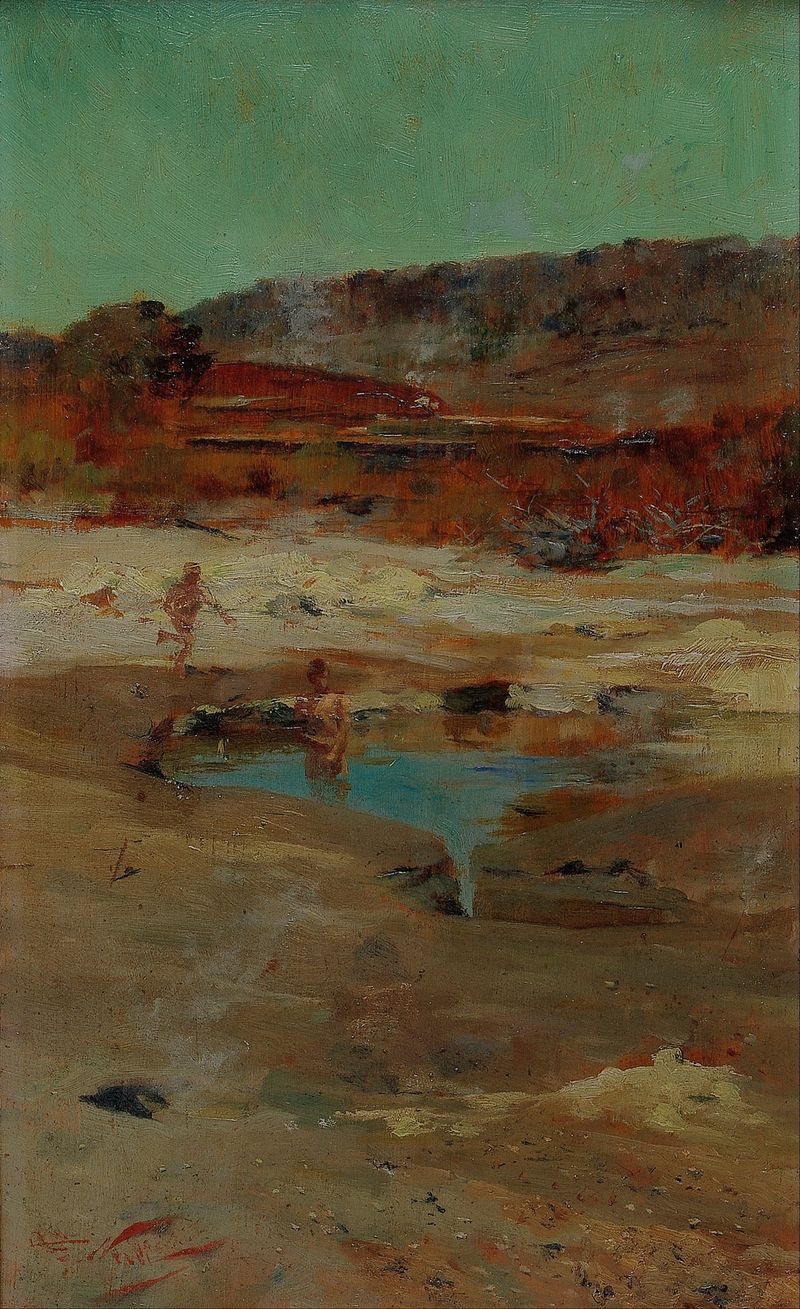
In the bustling heart of Rome, the tapestry of life unfolds, woven through the vibrant colors of a market day. The air is thick with the scent of fresh produce and the laughter of children, as destiny intertwines the lives of all who gather. Each face tells a story, a whispered promise of dreams fulfilled or yet to be realized. Focus your gaze on the lively composition, where vendors display their wares in a riot of colors.
Notice how the sunlight cascades down, illuminating the ripe tomatoes and verdant greens, casting soft shadows that dance across the cobblestones. The figures are arranged with carefully orchestrated movement, guiding your eye from one scene to another, capturing the essence of daily life. The painter’s delicate brushwork imbues each character with a unique personality, inviting you to linger and discover the narrative behind their expressions. Beneath the surface, the painting speaks of connections and the fleeting nature of time.
The juxtaposition of light and shadow hints at the duality of joy and hardship woven into the daily rhythm of life. Small gestures—an outstretched hand, a knowing smile—reveal the invisible threads that bind the community together, illustrating how fate shapes their interactions in this vibrant tapestry of existence. In 1880, Girolamo Nerli painted this scene amidst a period of artistic evolution in Italy, where Impressionism began to influence traditional approaches. Living in Rome, he captured the everyday lives of the locals, reflecting both the vibrancy of the city and the simplicity of daily endeavors.
This piece stands as a testament to Nerli's commitment to portraying the intimate moments that define the human experience.