Market scene, Cairo — History & Facts
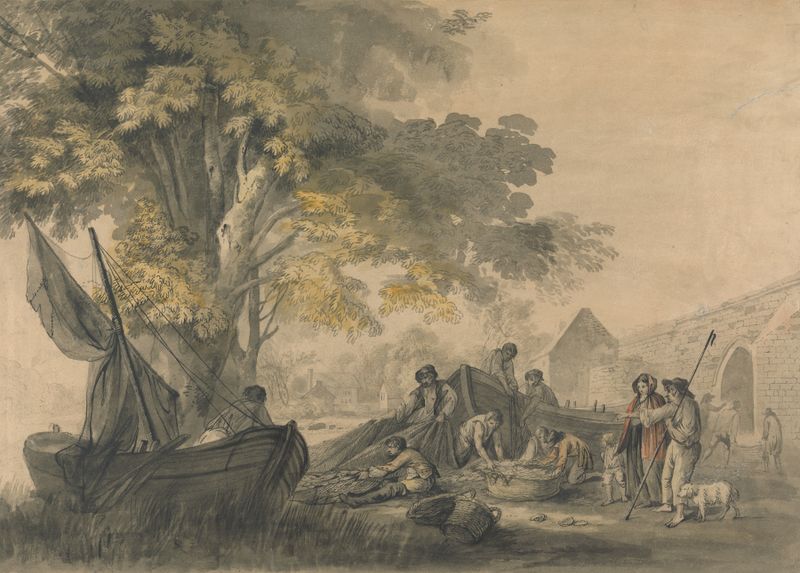
Where does light end, and longing begin? In the vibrant chaos of a market scene, dreams intertwine with the everyday, as colors and shadows dance across the canvas, inviting viewers into a world both familiar and enchanting. Focus on the intricate patterns of fabric that drape from merchants’ stalls, their rich hues of crimson, saffron, and cobalt igniting the canvas with life. Notice how the sunlight filters through, casting a warm glow on the faces of the eager shoppers, illuminating their expressions of curiosity and desire. The meticulous brushwork captures the delicate details—the subtle curve of a woman’s hand reaching for a piece of pottery, the graceful arch of a vendor’s gesture as he showcases his wares, all set against a backdrop that teems with movement and energy. As you delve deeper, consider the emotional undercurrents present in the bustling scene.
The juxtaposition of vibrant colors against shadowy recesses suggests a duality of joy and longing—the brightness of the marketplace contrasts with the deeper narratives of each individual. Look closely at the expressions, which range from excitement to contemplation, hinting at personal stories woven into the fabric of communal life. The viewer experiences not just a market, but a window into the collective dreams of Cairo, a place where the mundane transcends into the extraordinary. During the time Charles Robertson created this work, he was immersed in cultural explorations, having traveled through North Africa in the late 19th century.
The region was a meeting point of tradition and modernity, and the artist sought to capture the essence of daily life through the lens of his unique perspective. In this period, his oeuvre reflected a fascination with the interplay of light and color, as he articulated a sense of place that resonated deeply with viewers.