
Marseilles — History & Facts
Obsession transforms the canvas into a visceral experience, where colors pulse with an undeniable life of their own. In Marseilles, the essence of a sun-drenched port city unfurls like a story waiting to be told, drenched in hues that dance in the Mediterranean light. Focus first on the vibrant blue sea at the base of the painting, where dashes of cobalt and cerulean lay the foundation for the scene's vitality. Next, let your gaze wander to the bustling harbor, where boats bob gently against the textured strokes of the shore.
Notice how the sunlight scatters across the surface, illuminating the interplay between the reflections and the robust forms of the vessels. The division of colors, a hallmark of pointillism, creates a shimmering effect, inviting the viewer to explore every detail. Within the work lies a dialogue between movement and stillness, with the boats appearing both anchored and alive in their environment. The contrast between the dynamic waves and the solid buildings reveals an ongoing struggle between nature and human intervention.
This tension reflects the artist's fascination with the rhythms of life, where light spills into the mundane, overshadowing the ordinary with the extraordinary. Painted in 1898, Signac created Marseilles during a time when he was deeply immersed in the pointillist technique and the broader movement of neo-impressionism. Living in Paris, he was inspired by the changing world around him, a time of artistic experimentation that challenged traditional methods. The painting captures not only his obsession with color and light but also the vibrant life of a Mediterranean city, embodying the spirit of a new era in the art world.
More Artworks by Paul Signac
Browse all →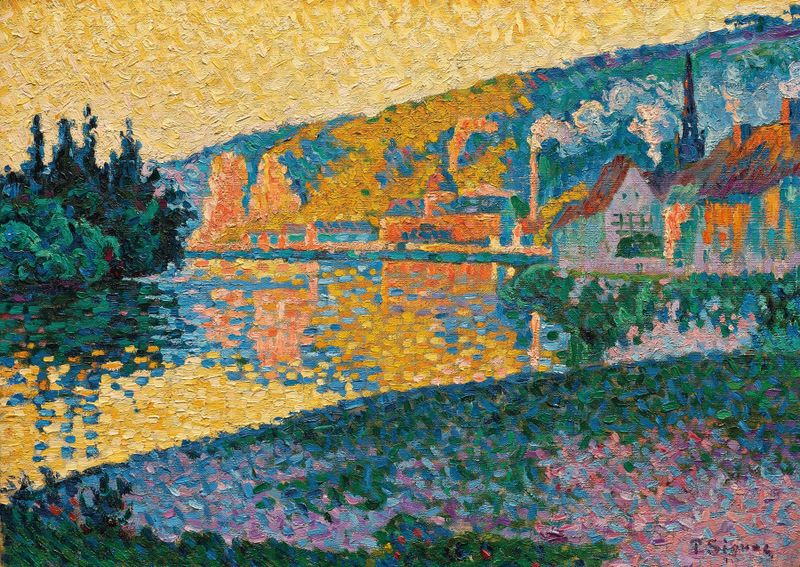
Les Andelys. Soleil couchant
Paul Signac
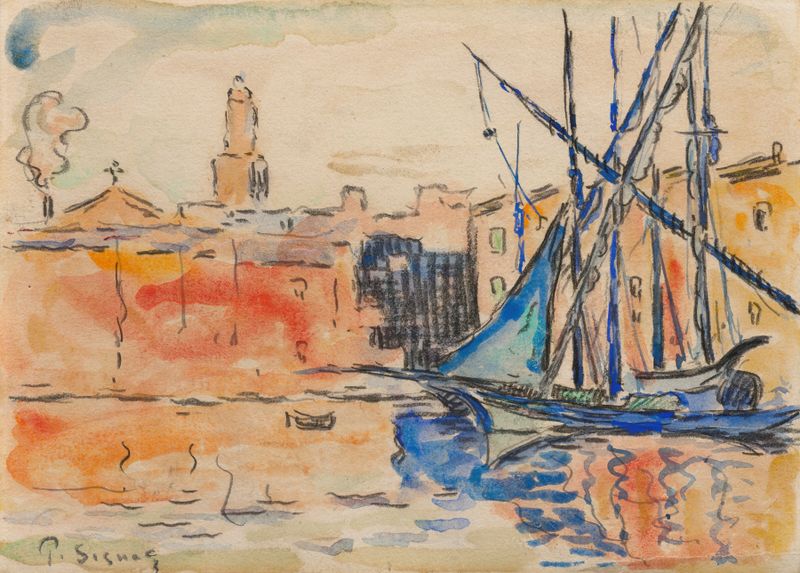
Saint-Tropez, le port
Paul Signac
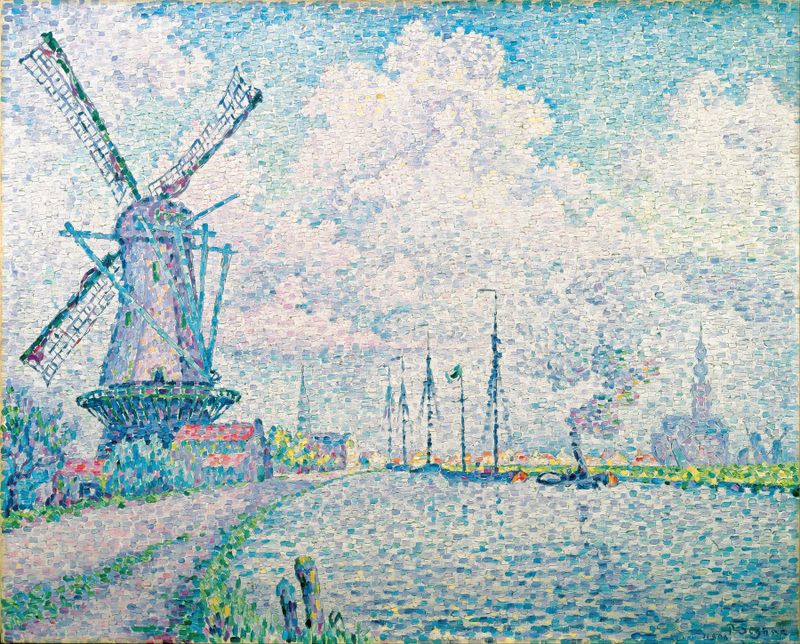
Canal of Overschie
Paul Signac
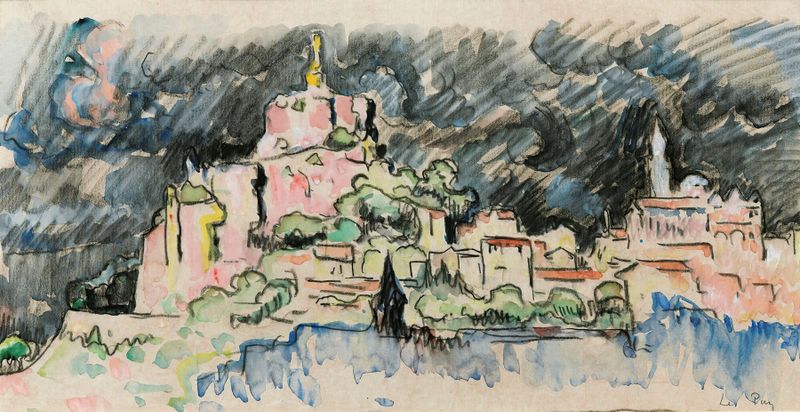
Le Puy-En-Velay, Ciel D’orage
Paul Signac
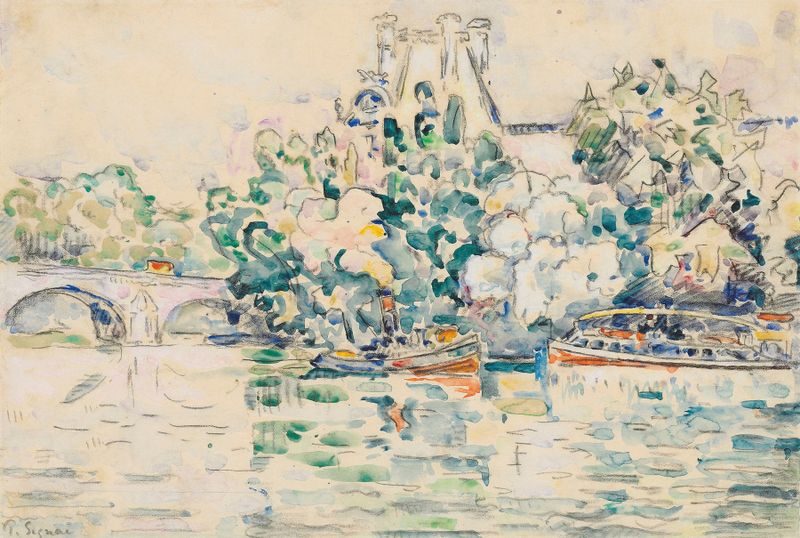
Paris, La Seine au Pont-Royal
Paul Signac
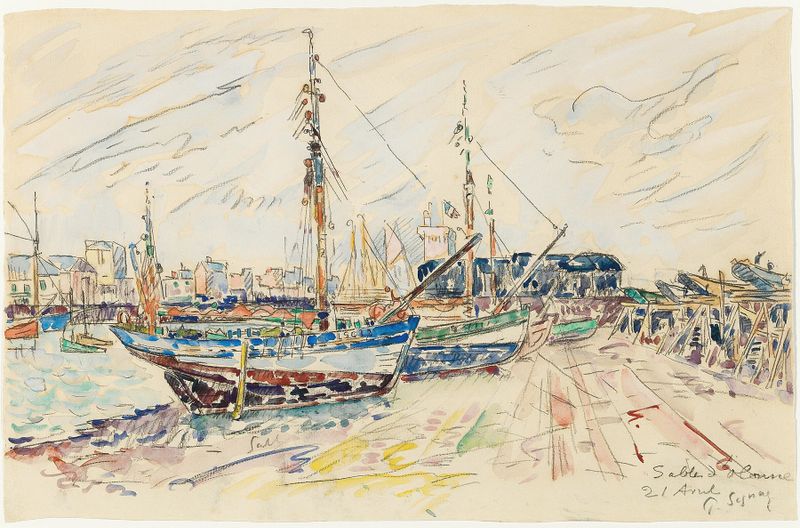
Sables d’Olonne
Paul Signac
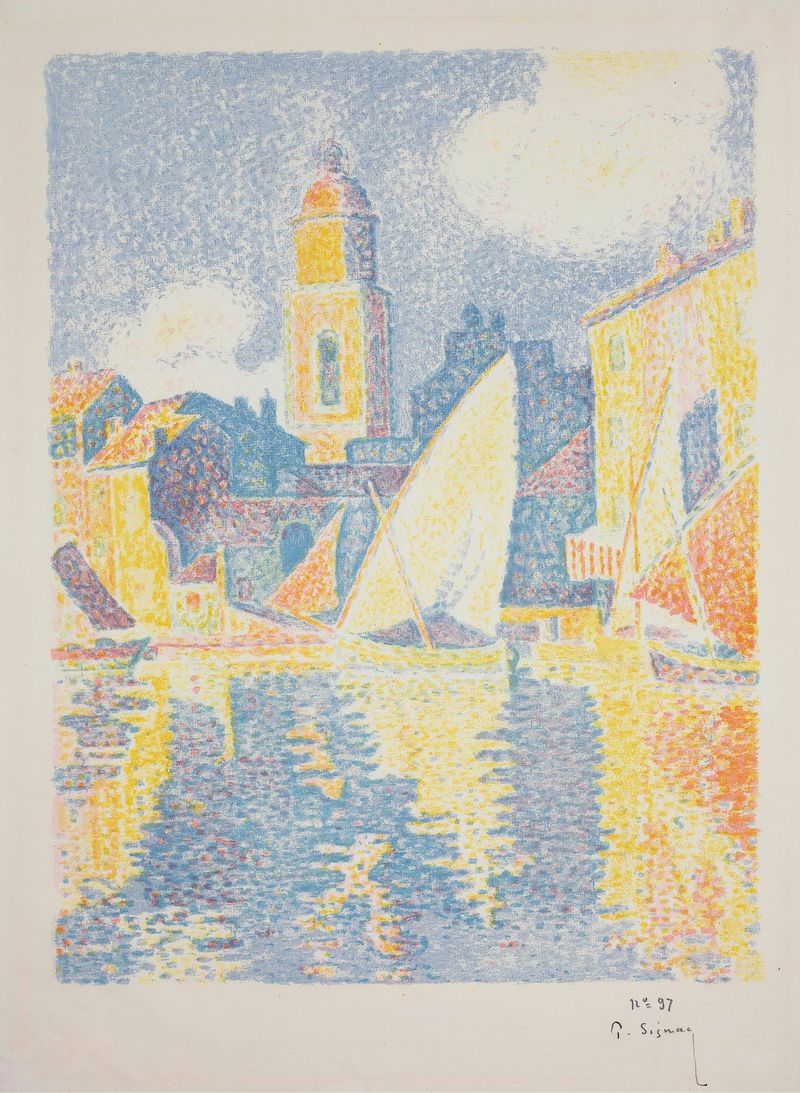
The Port of St. Tropez
Paul Signac
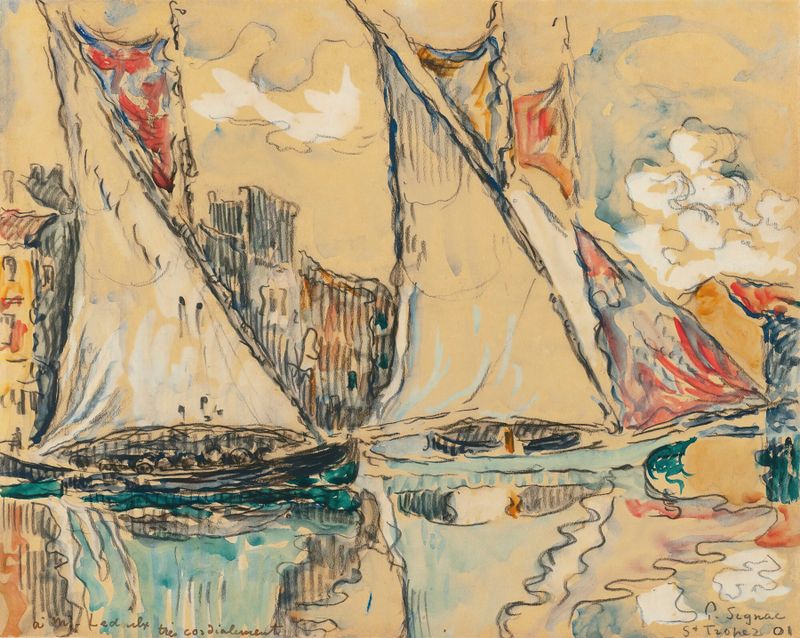
Saint-Tropez, Voiles Au Sec
Paul Signac
Antibes
Paul Signac

Saint-Tropez
Paul Signac





