
Martigues — History & Facts
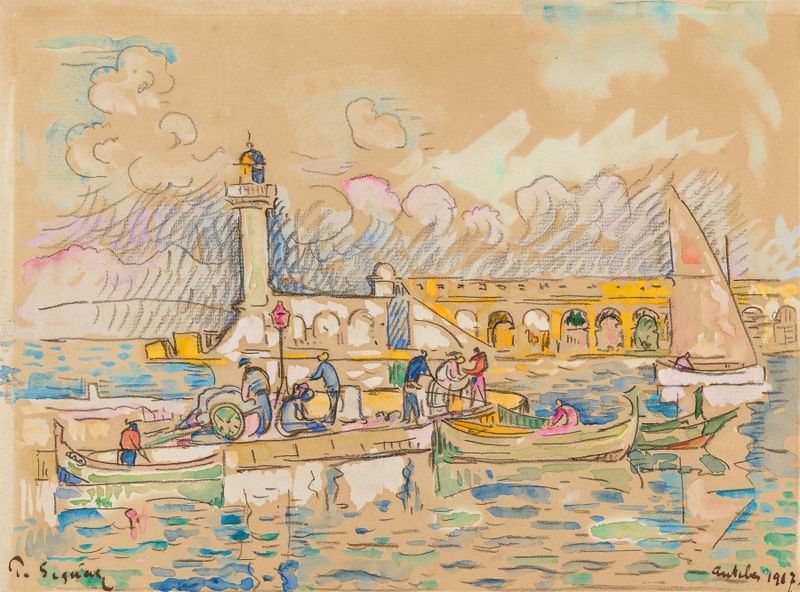
Did the painter know this moment would outlive them? In Martigues, a vibrant tapestry of color and light weaves together the essence of life along the canal, inviting us to reflect on the fleeting nature of experiences and the transcendence of beauty. Look to the bottom left, where small boats gently bob on the shimmering water, their reflections merging with the dappled hues of blue and green. Notice how the artist employs pointillism to create texture and depth, each dot of pigment coalescing into a harmonious scene. The sunlight bathes the landscape in warmth, illuminating the quaint architecture of the town that rests peacefully along the banks, while dynamic strokes in the sky hint at a gentle breeze, infusing the work with a lively atmosphere. Beneath the surface, the painting reveals a tension between serenity and movement.
The stillness of the water contrasts with the vibrant colors that pulse with life, capturing a moment suspended in time. The juxtaposition of man-made structures and the natural landscape speaks to the delicate balance between human existence and the environment, suggesting a harmony that transcends the mundane. The choice of color evokes a sense of nostalgia, as if this idyllic scene is a memory that lingers in our minds long after the moment has passed. Created in 1930, Martigues emerged during a period of significant evolution in the art world, as the post-Impressionist movement paved the way for modern artistic expressions.
Paul Signac, a prominent figure in the Pointillist movement, sought to capture the essence of scenes through the interplay of colored light. At this time, he lived in the South of France, finding inspiration in the beauty of his surroundings while also grappling with a rapidly changing world shaped by technological advancement and new artistic philosophies.
More Artworks by Paul Signac
Browse all →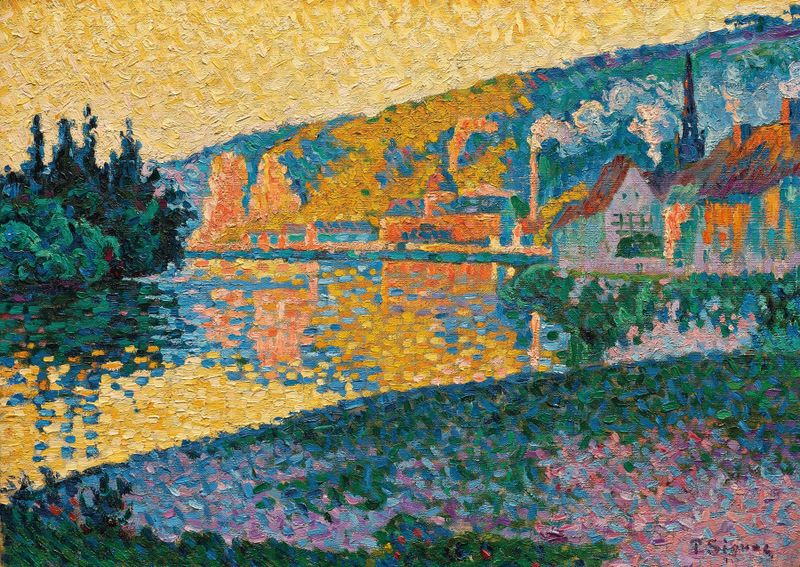
Les Andelys. Soleil couchant
Paul Signac
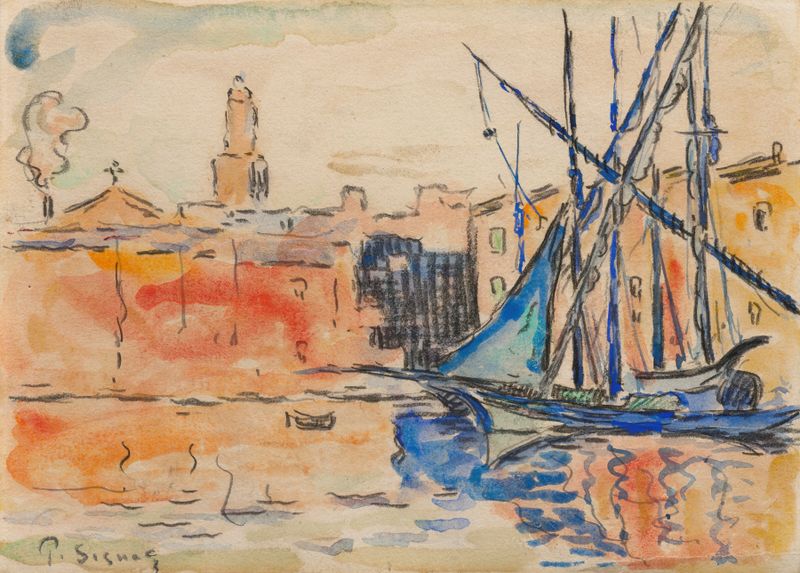
Saint-Tropez, le port
Paul Signac
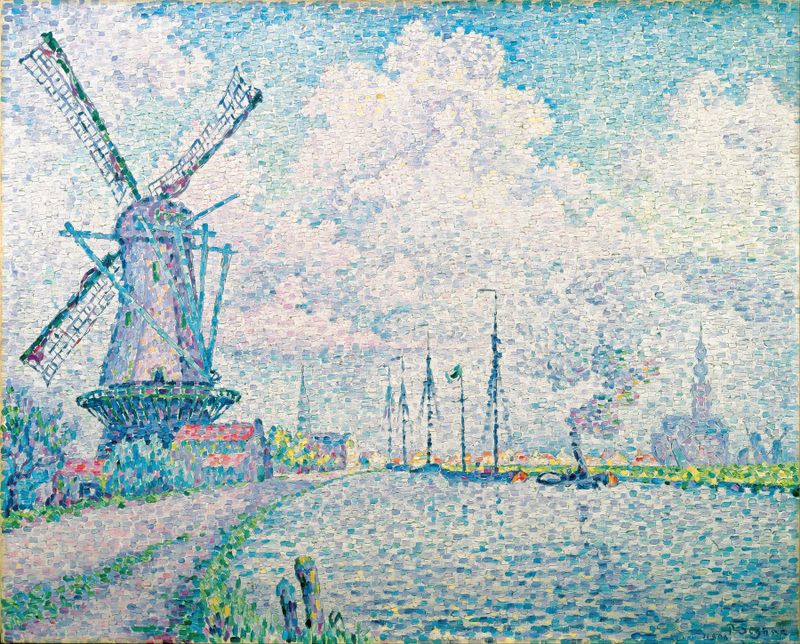
Canal of Overschie
Paul Signac
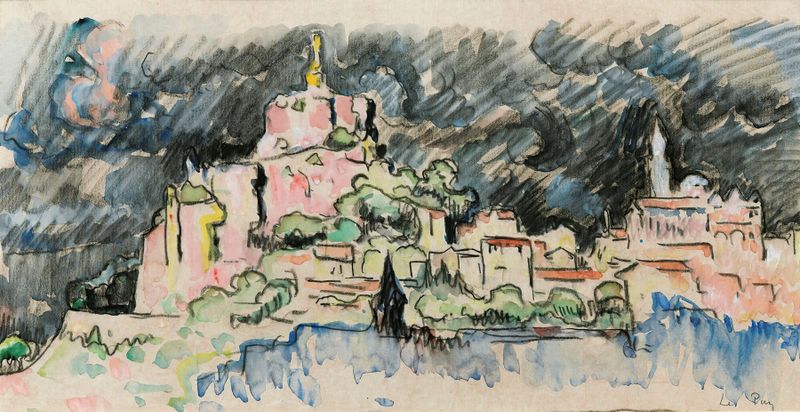
Le Puy-En-Velay, Ciel D’orage
Paul Signac
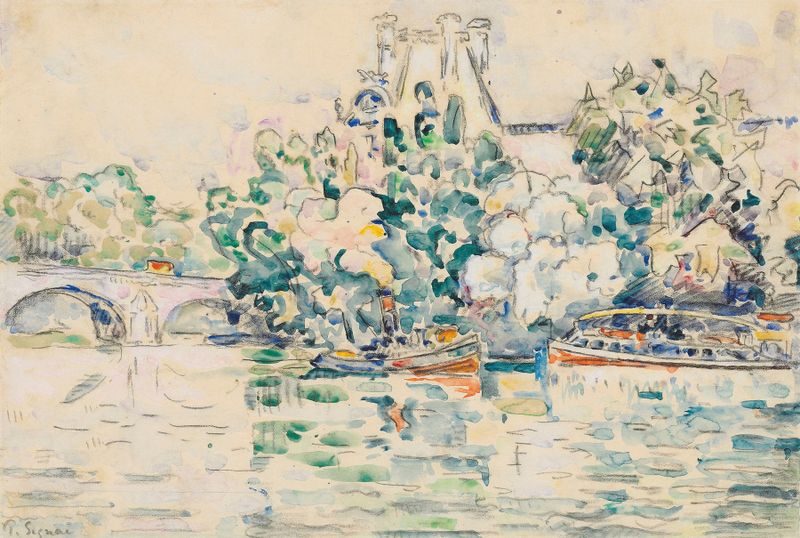
Paris, La Seine au Pont-Royal
Paul Signac
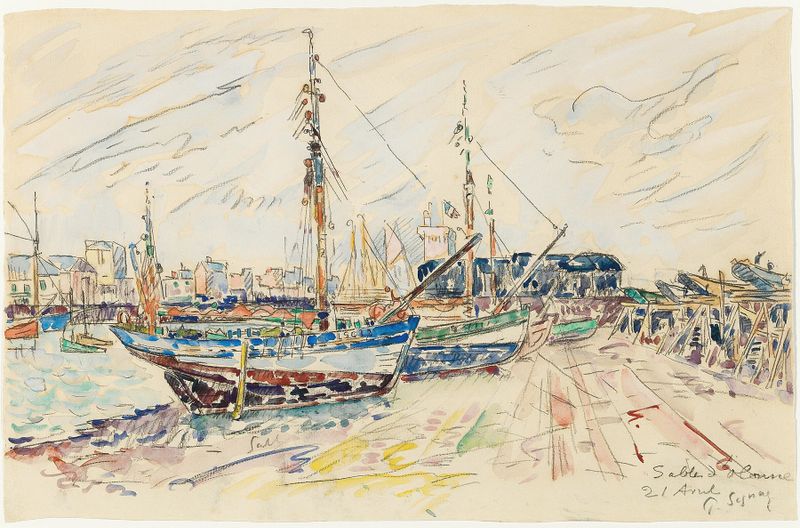
Sables d’Olonne
Paul Signac
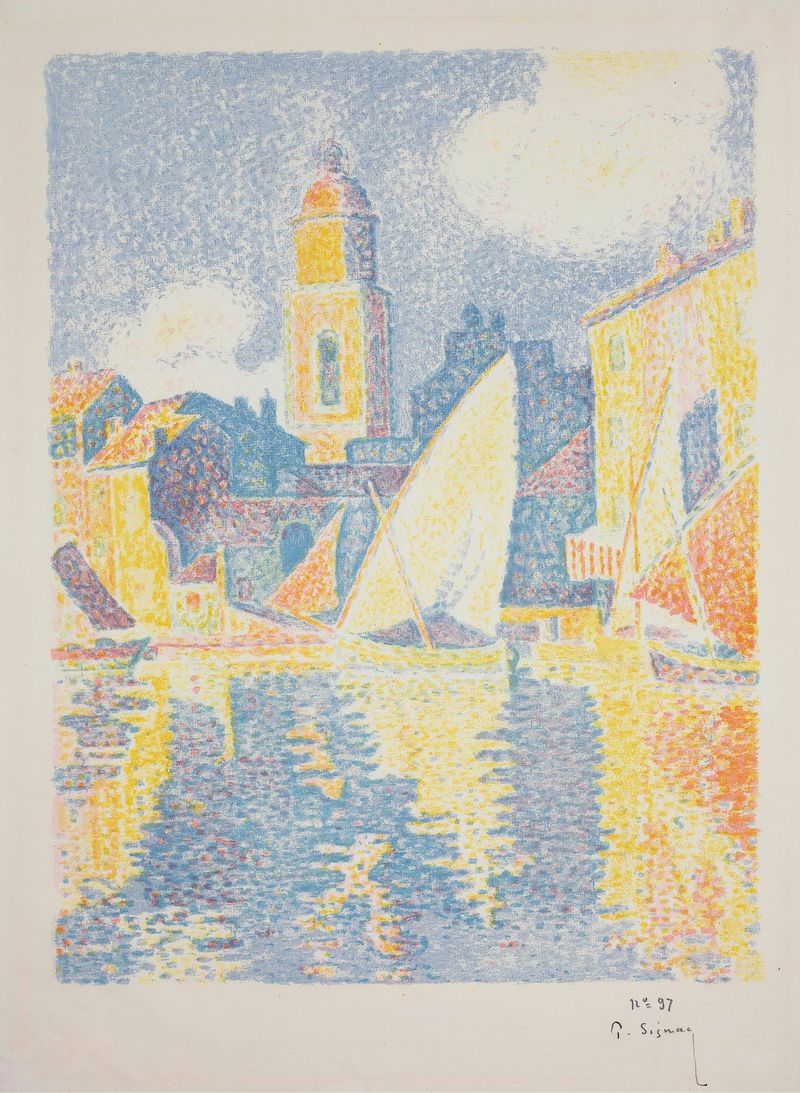
The Port of St. Tropez
Paul Signac
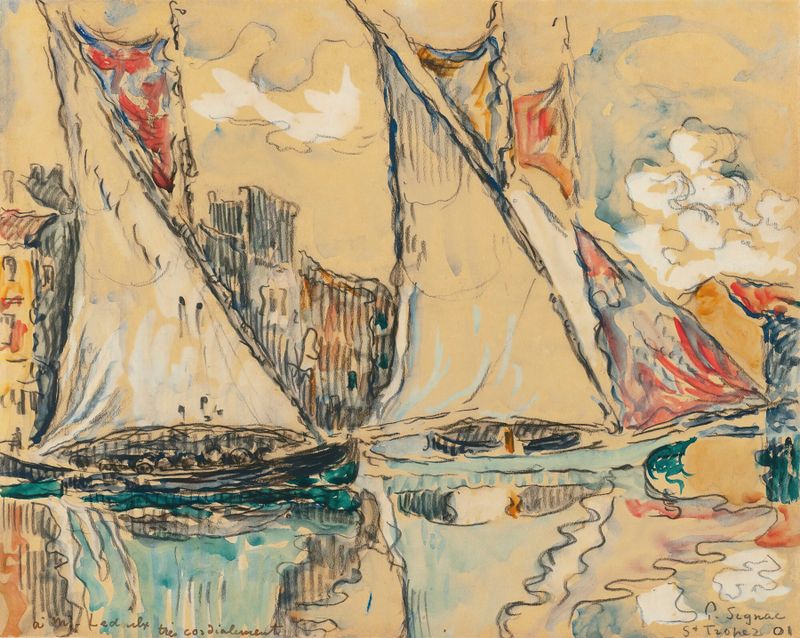
Saint-Tropez, Voiles Au Sec
Paul Signac
Antibes
Paul Signac

Saint-Tropez
Paul Signac





