
Martigues, Devant La Maison De Ziem — History & Facts
Where does light end, and longing begin? In the interplay of nature and architecture, time unfurls like a delicate ribbon, capturing both fleeting moments and eternal yearnings. Shift your gaze to the bright expanse of sky at the top of the canvas, where soft hues of blue blend seamlessly with wisps of white. Notice how the golden sunlight cascades, illuminating the bustling scene below. The lively brushwork reveals a sense of movement, drawing your eye toward the charming house that stands sentinel over the river.
Look closely at the reflections dancing in the water, which mirror not just the surroundings but the emotions stirred within the viewer. The juxtaposition of the serene waterway and the quaint architecture evokes a profound nostalgia for simpler times. Here, the vivid colors not only celebrate the beauty of the landscape but also hint at a deeper longing for connection and permanence. The shadows cast by the house suggest both shelter and the passage of time, creating a poignant tension between the ephemeral and the steadfast. Félix Ziem created this work amidst a career marked by the romanticism of landscapes in 19th-century France.
The exact date remains unclear, but his years spent in Martigues were crucial, as he explored the interplay of light and atmosphere that characterized his artistic journey. During this time, France was undergoing a transformation in art, moving toward impressionism, yet Ziem's dedication to capturing light in its purest form set him apart in the evolving landscape of visual expression.
More Artworks by Félix Ziem
Browse all →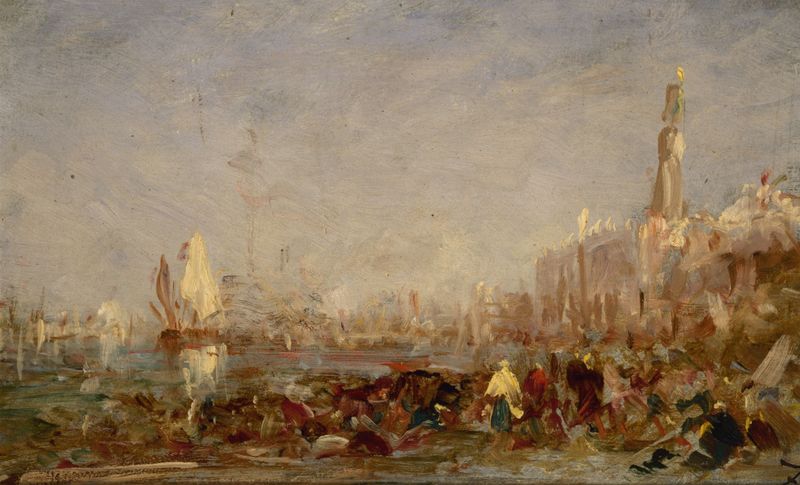
Venise
Félix Ziem
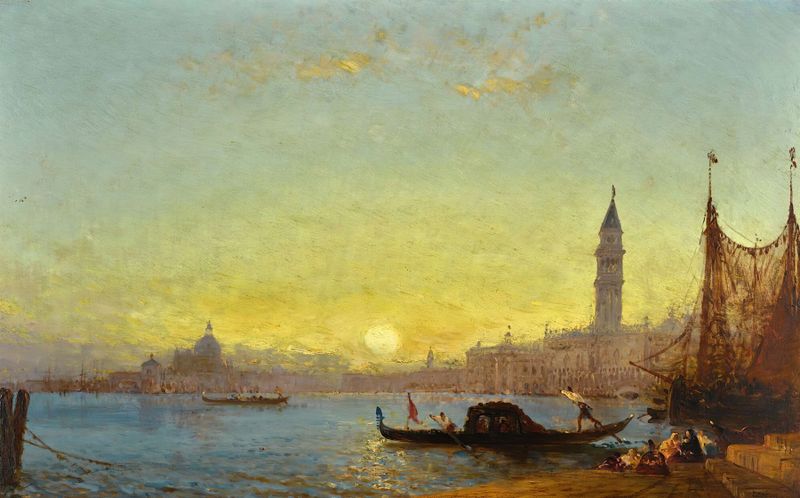
Coucher De Soleil À Venise
Félix Ziem
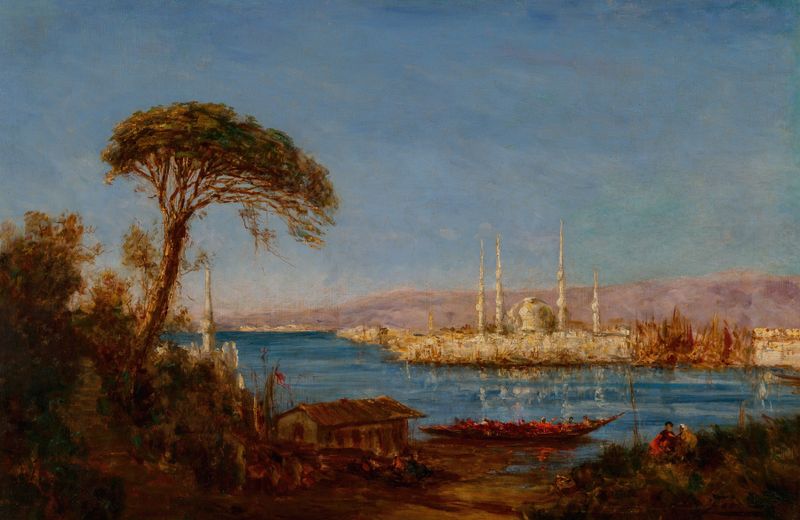
Constantinople
Félix Ziem
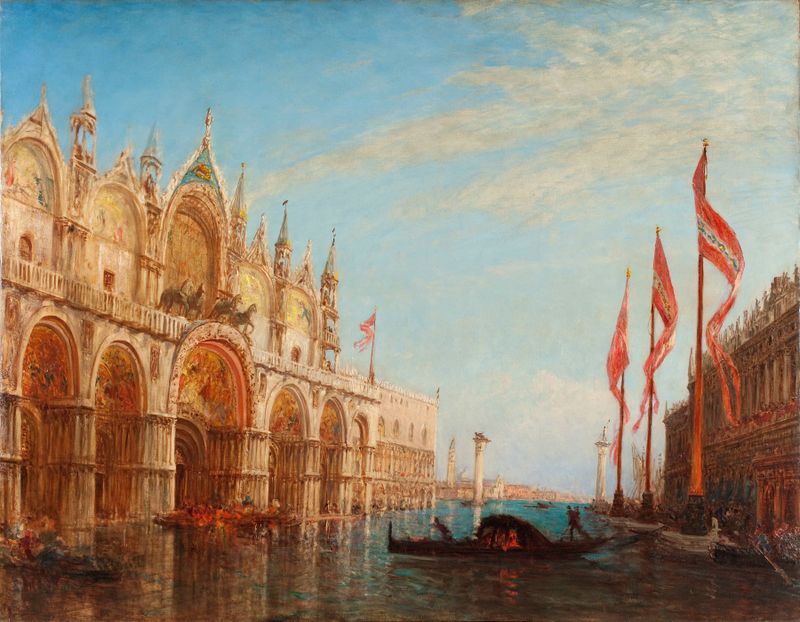
La place Saint-Marc, inondation de 1863
Félix Ziem
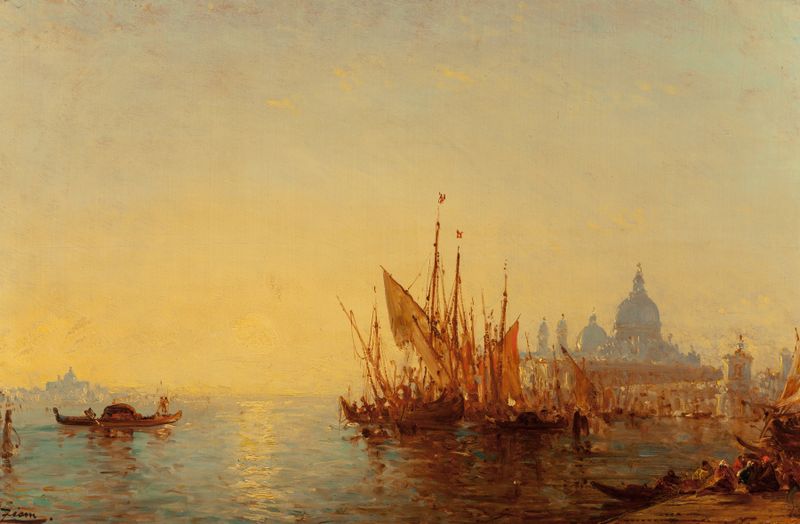
Bacino di San Marco
Félix Ziem
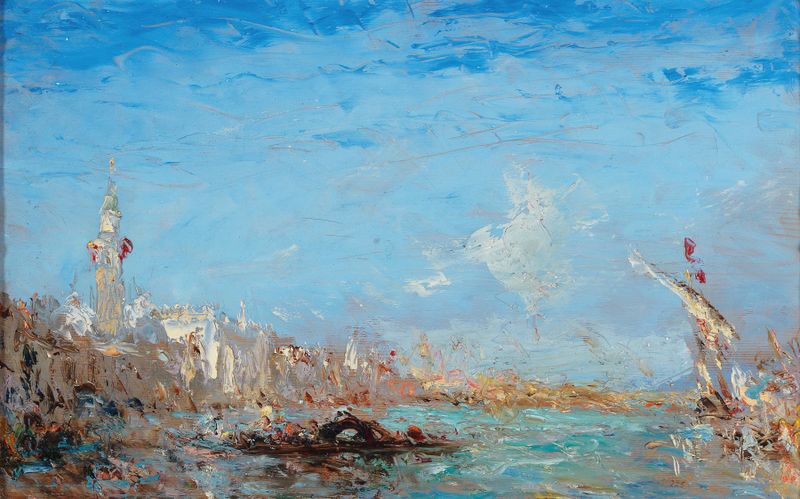
Canal Grande
Félix Ziem
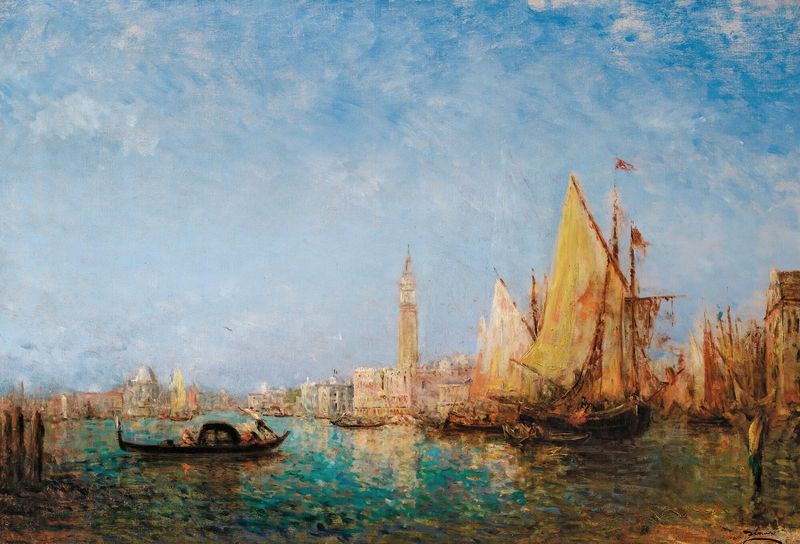
Le Palais Du Doge, Venise
Félix Ziem
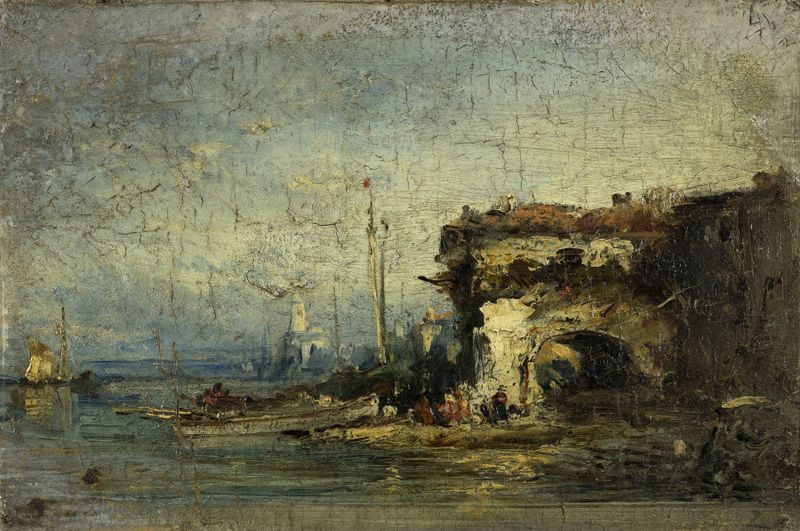
Vue d’Italie; la vieille porte
Félix Ziem
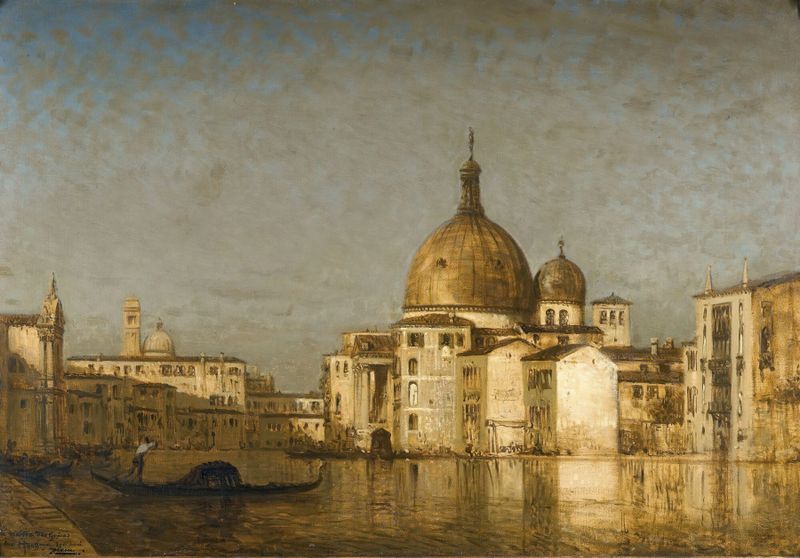
San Simeone Piccolo Au-Delà Du Grand Canal, Venis
Félix Ziem
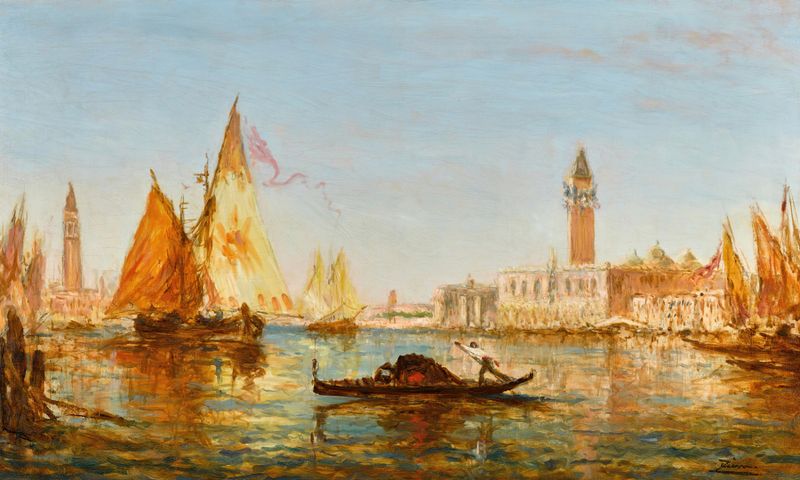
Venise, gondole et voiliers devant le Palais des doges et San Giorgio Maggiore
Félix Ziem





