Martinské Hole — History & Facts
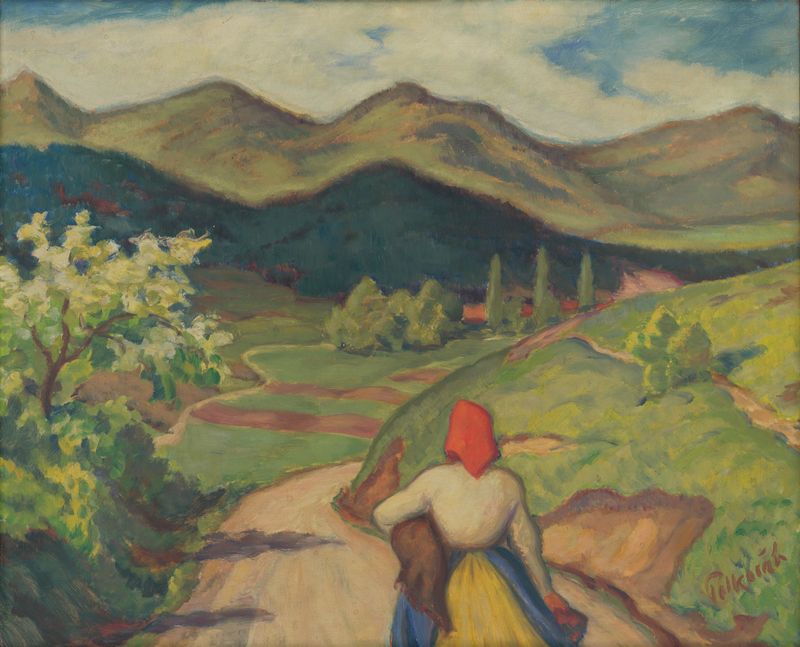
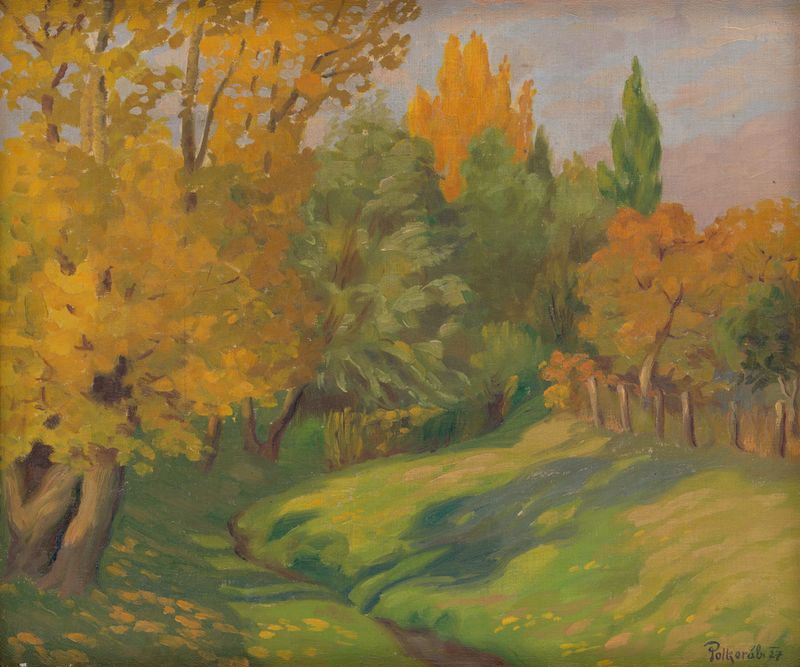
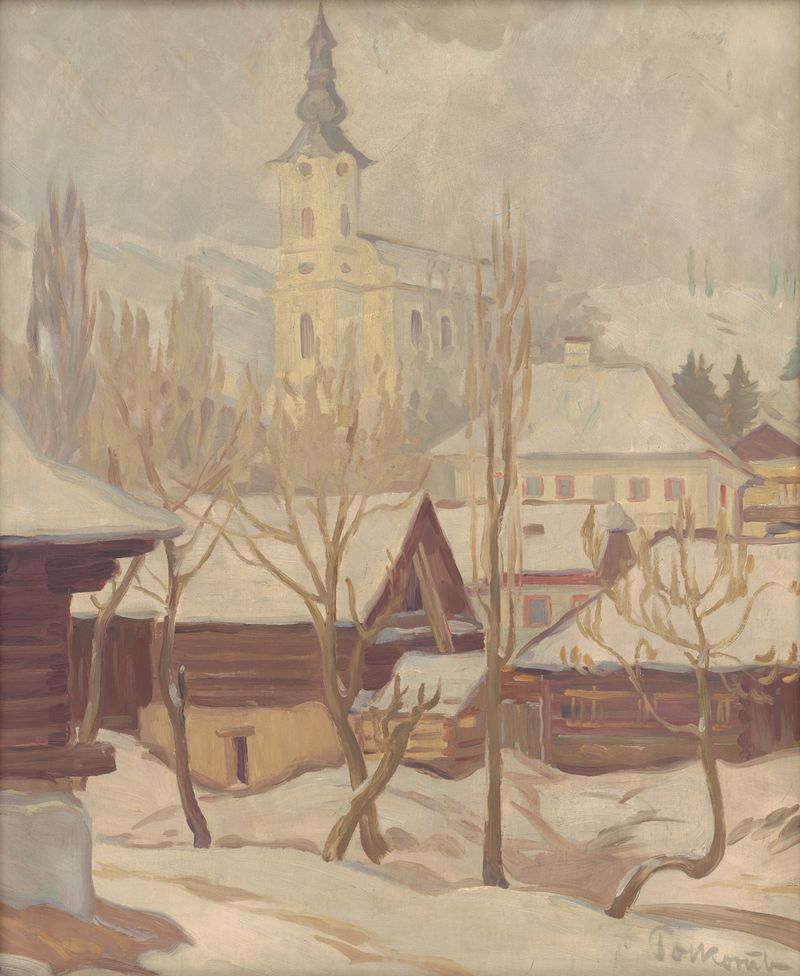
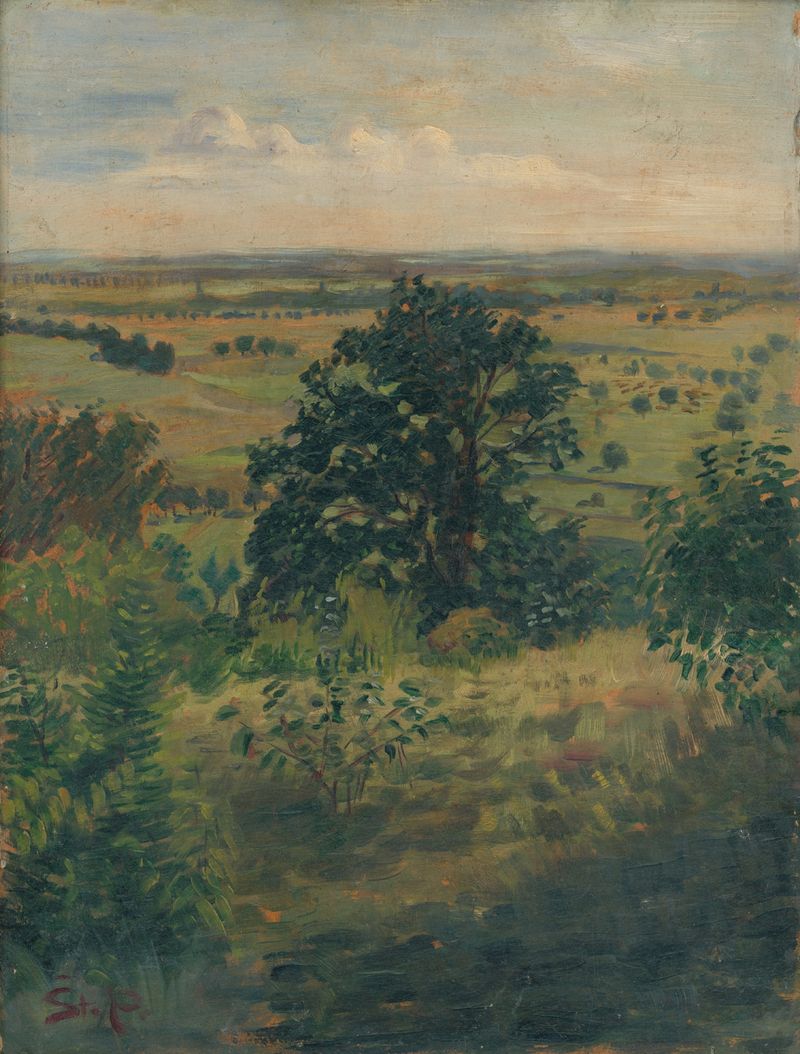
Can paint confess what words never could? Obsession weaves itself through brushstrokes, whispering secrets that linger in the air long after the last stroke has dried. Look to the center of the canvas where an intense yet tranquil landscape unfolds, dominated by the muted greens and rich browns of the forest. Notice how the dappled sunlight filters through the trees, creating patches of illumination that dance across the surface. The composition draws the eye inward, inviting you to wander deeper into the serene embrace of nature, while the gentle curves of the hills cradle the scene with a protective touch. Within this seemingly peaceful vista lies an undercurrent of longing—every tree and shadow seems imbued with a sense of yearning.
The meticulous detailing of the foliage reveals the artist's devotion to his surroundings, yet there’s a quiet tension in the way the shadows stretch and shift, creating a contrast between the serene experience of the viewer and the hidden anxiety of encroaching darkness. This duality speaks to the obsession with nature's beauty and its inevitable decay, urging the observer to grapple with their own fleeting moments of stillness. In 1940, Štefan Polkoráb painted this piece amidst the turbulence of World War II, a time when the world was consumed by chaos and uncertainty. Living in Slovakia, he sought refuge in the solace of nature, channeling his anxieties and experiences into his artwork.
This period marked a significant evolution in his style as he embraced the emotive power of landscape painting, using it as a vehicle for introspection and expression during a profoundly unsettling time.