Motif from Karlová Ves — History & Facts
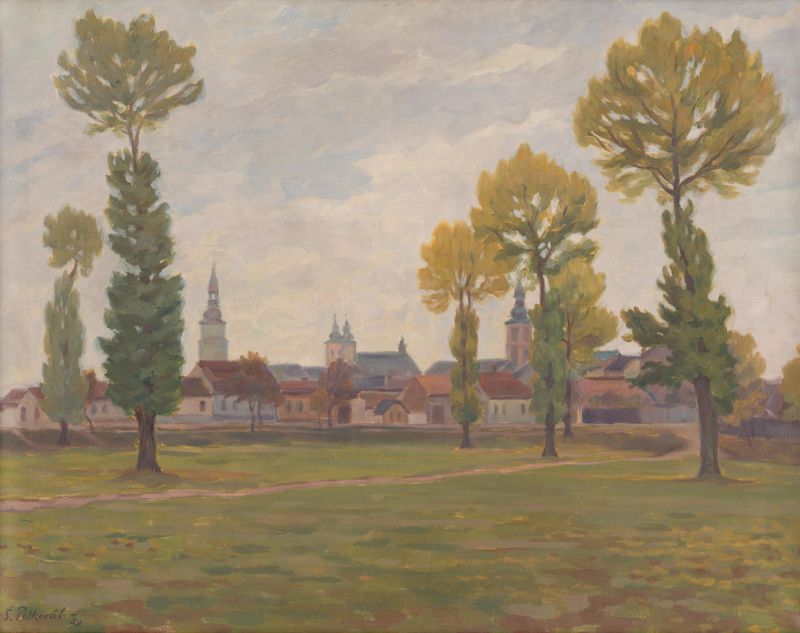
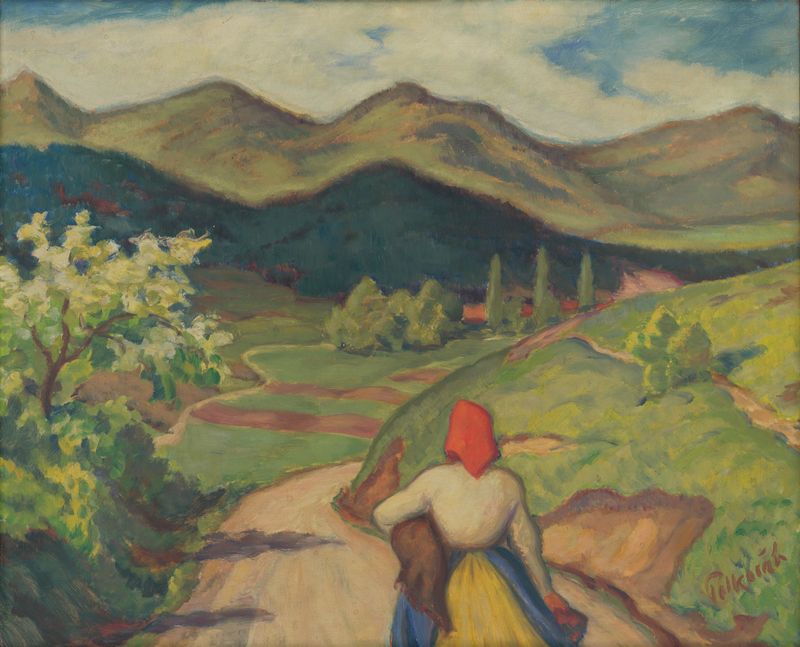
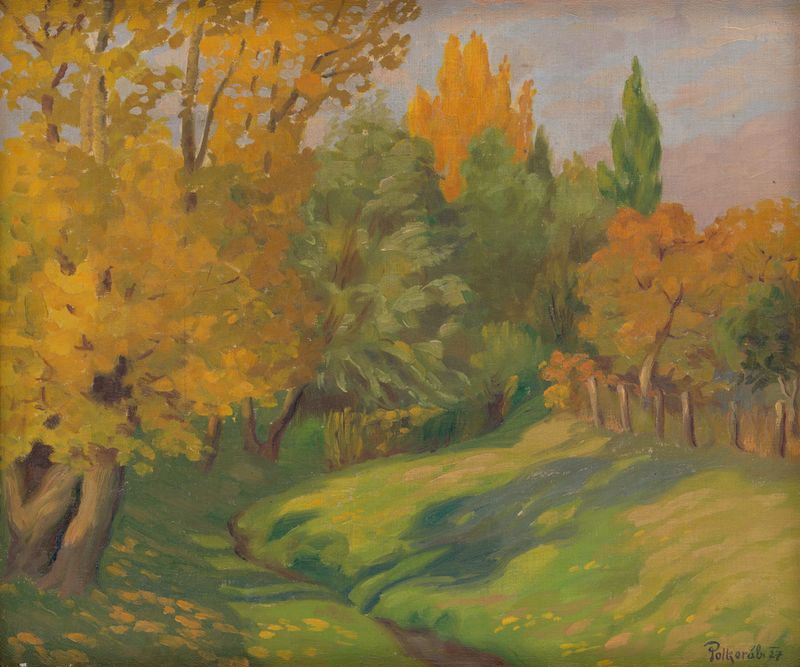
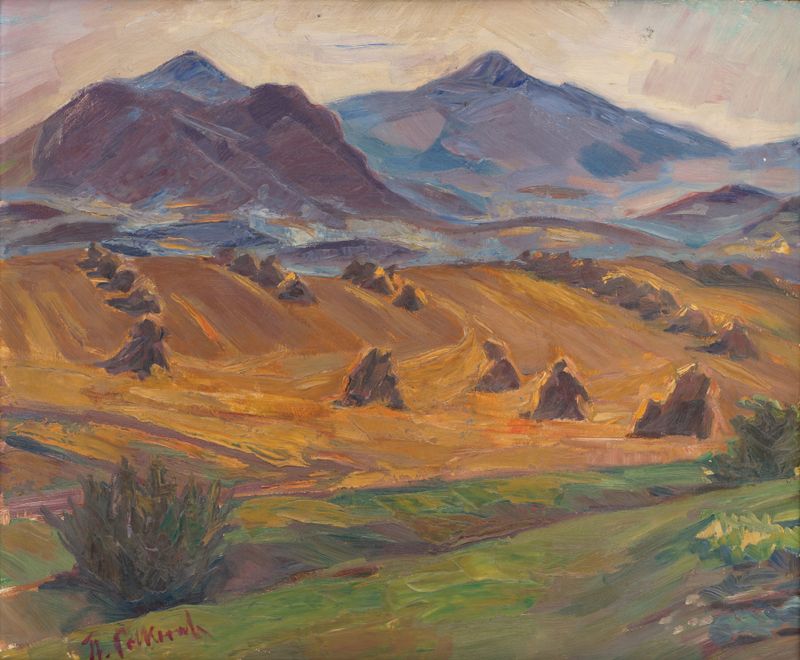
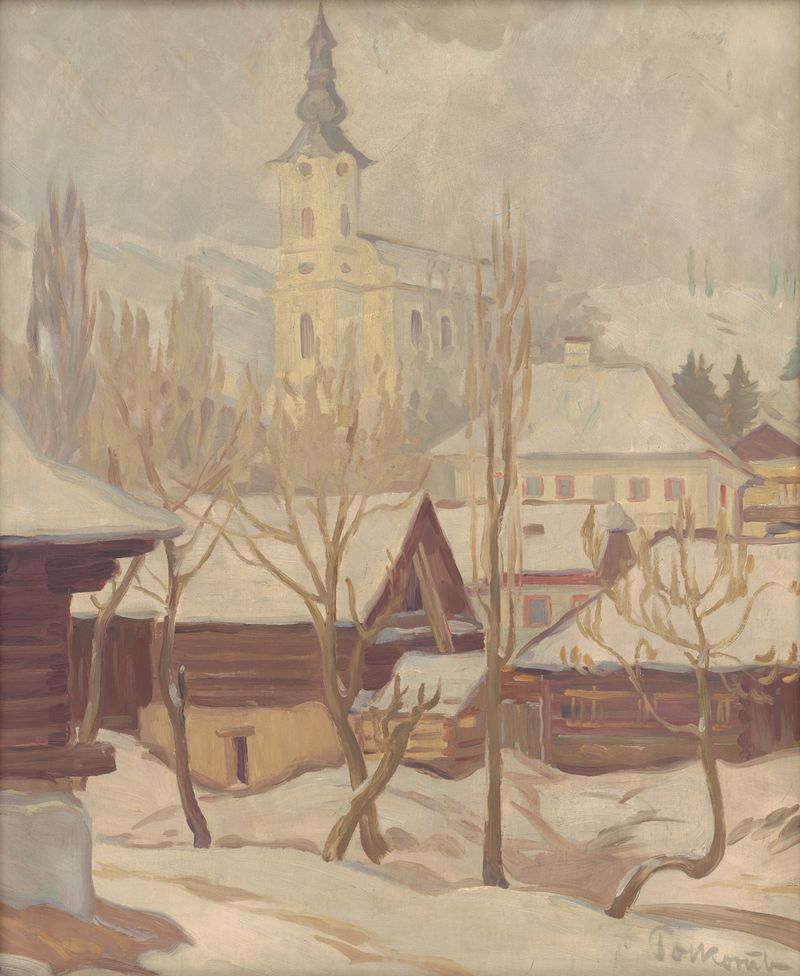
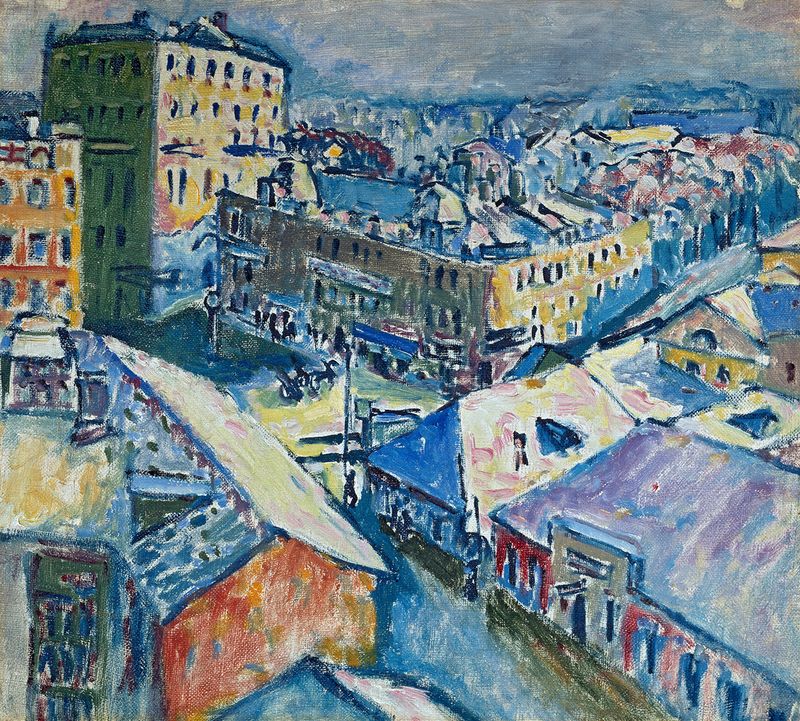
What if beauty was never meant to be finished? In Motif from Karlová Ves, that question lingers in the air, inviting contemplation on the nature of art and its lingering imperfections. Begin by focusing on the intricate interplay of shapes and colors that immediately draw the eye. Notice how the soft, muted hues meld into one another, creating a gentle rhythm that guides you through the composition. Each brushstroke seems deliberate yet spontaneous, a testament to the artist's hand as it navigates between abstraction and representation, creating a visual symphony that both captivates and confounds. In this piece, the seemingly random motifs emerge as whispers of a deeper narrative.
The juxtaposition of light and shadow evokes a sense of nostalgia, hinting at the memory of a place and time that feels both familiar and elusive. There’s an emotional tension in the way the forms interact, as if they are conversing in a language only the viewer can fully grasp. This dynamic suggests that beauty is not merely a static achievement but an ongoing dialogue between the artist's vision and the spectator's interpretation. Painted during a tumultuous period from 1940 to 1942, Štefan Polkoráb was navigating the complexities of war and upheaval in Europe.
Living and working in Slovakia, he created this piece amidst a growing movement of modernism tempered by personal and societal struggles. The artwork reflects a blend of hope and uncertainty, capturing the essence of a painter striving to encapsulate fleeting beauty in a world marked by chaos.