View of Šúr Štefan — History & Facts
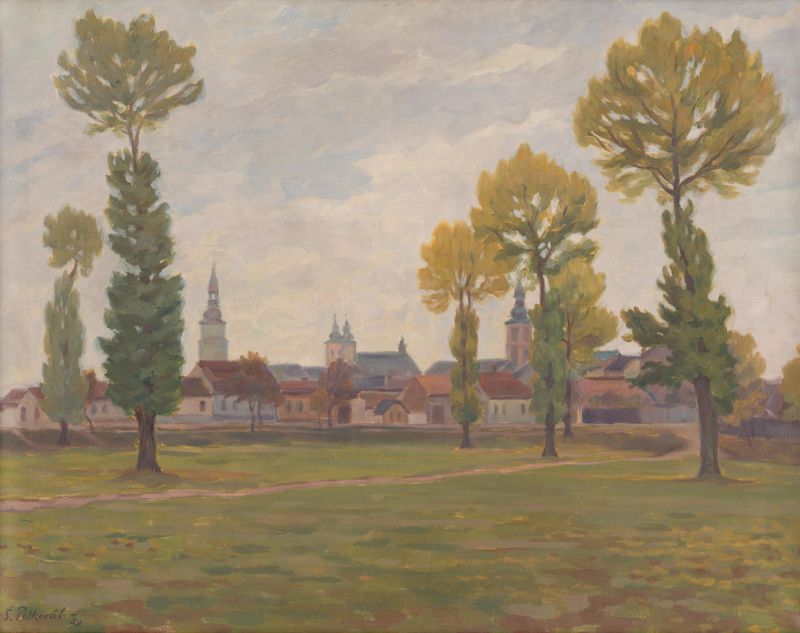
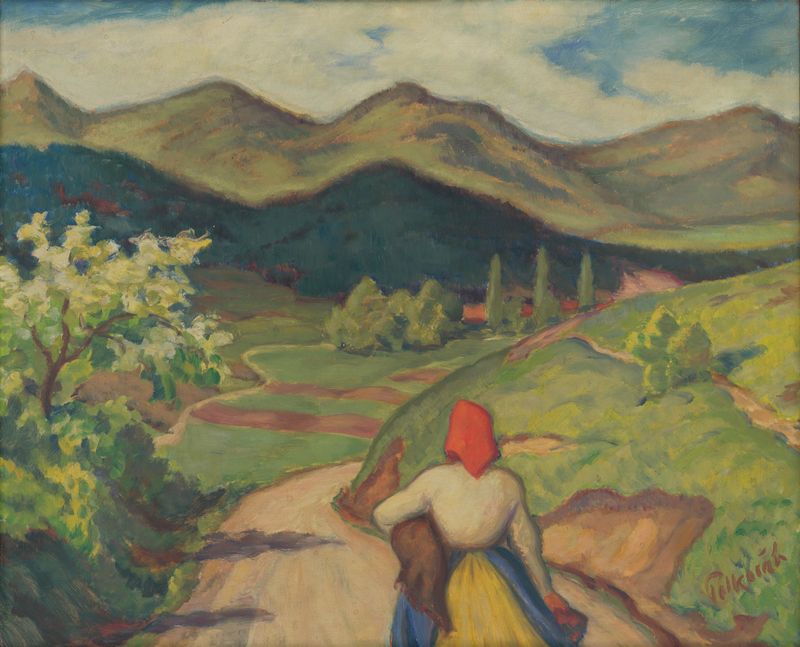
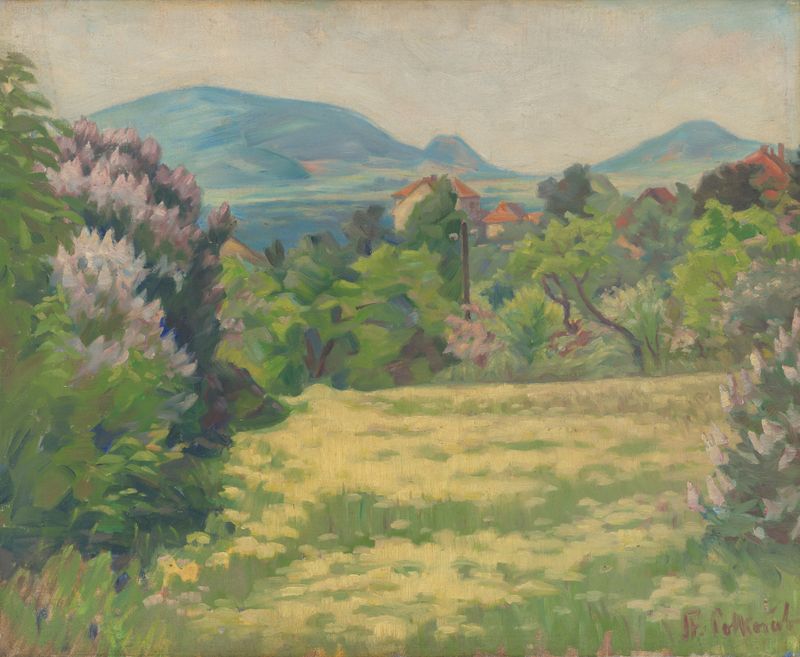
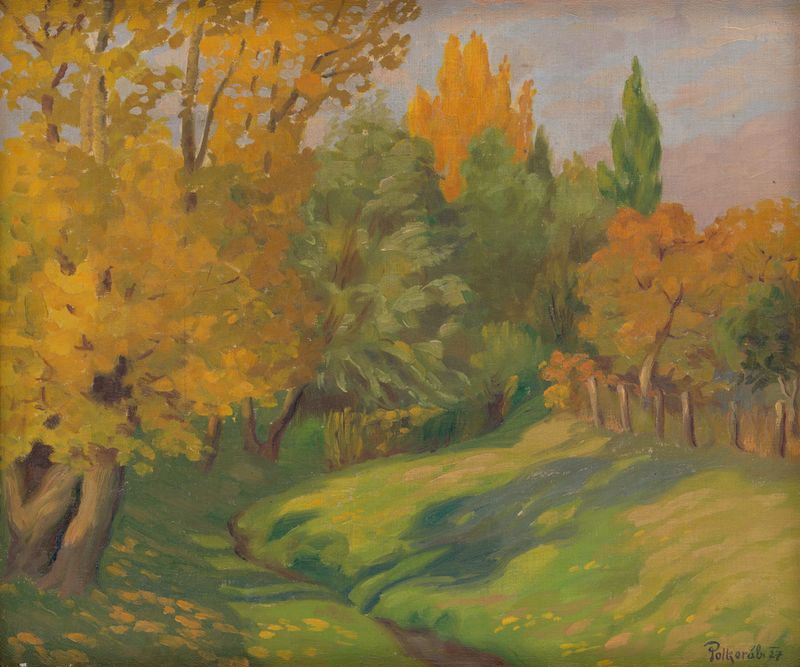
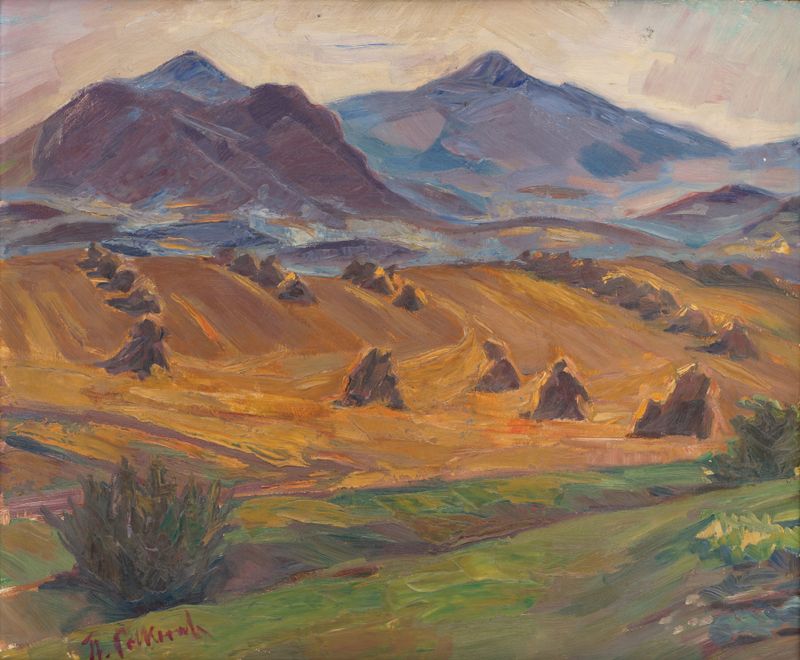
Each quiet moment in life holds a weight, a reflection of the soul’s deepest thoughts and unspoken words, much like the serene landscape captured in this artwork. Look to the foreground where gentle waves ripple across the water’s surface, mirroring the soft hues of a fading sky. The palette shifts from earthy greens and browns to the delicate pastels of twilight, beckoning the viewer to appreciate the harmony between land and sky. Notice how the horizon stretches infinitely, inviting contemplation and evoking a sense of peace and solitude.
Each brushstroke conveys not just the beauty of nature, but also a moment of introspection, as if the land itself is whispering secrets to those who care to listen. As you delve deeper into the painting, subtle contrasts emerge — the calm water against the rugged terrain, the vibrant colors of sunset juxtaposed with the muted earthy tones. These elements evoke a profound sense of tranquility tinged with melancholy. The distant mountains loom like guardians of secrets, while the stillness of the scene invites a dialogue between the observer and the infinite expanse of nature.
Each element serves as a reminder that beauty often exists in the quietest places, where thoughts can drift freely. In 1948, the artist created this piece during a period marked by post-war recovery in Central Europe. Living in a world transformed by conflict, he sought solace in the landscapes of his homeland. This work reflects not only his personal journey of healing but also a broader movement in art that emphasized nature’s restorative power during a time of uncertainty and change.
Here, in this quiet view, he captured both a moment and a feeling, inviting viewers to pause and reflect.