
Discover insights about this artwork
März (die Windgötter) — History & Facts
In März (die Windgötter), vibrant colors dominate the canvas, with swirling blues and whites representing the winds. Figures of ethereal beings are depicted, embodying the spirit of March. The setting is dynamic, suggesting movement and change, characteristic of the transition from winter to spring.
The overall composition feels alive, capturing the essence of the season. The painting is executed in oil on canvas, showcasing Thoma's skill in blending colors to create depth and texture. The figures are stylized, with flowing lines that enhance their ethereal quality. The use of light and shadow adds dimension, making the scene feel both expansive and intimate.
Viewers can appreciate the intricate details in the figures' expressions and the natural elements surrounding them. Hans Thoma was a prominent figure in the Symbolism movement, known for his allegorical works. März (die Windgötter) reflects his fascination with nature and mythology. An interesting fact about this work is that it was inspired by the changing seasons, symbolizing renewal and the power of nature.
Thoma's ability to blend the natural world with mythological themes makes this piece significant in his oeuvre.
More Artworks by Hans Thoma
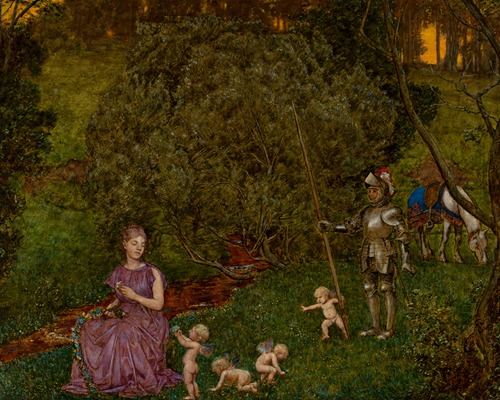
Fable – Knight
Hans Thoma
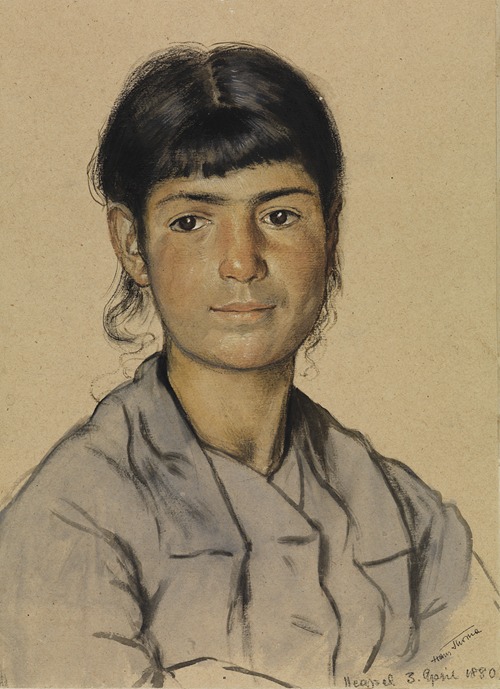
Portrait of a young Neapolitan woman
Hans Thoma
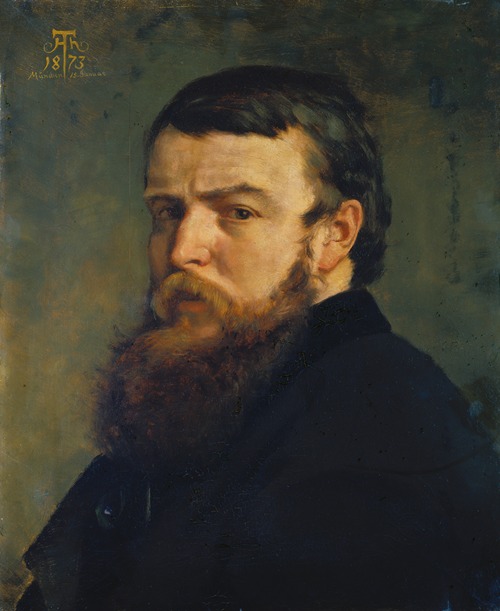
Self-Portrait from Munich
Hans Thoma
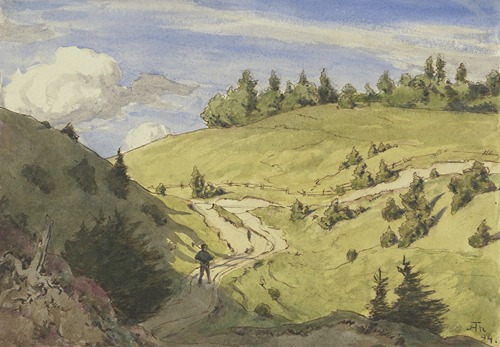
Landscape in the Black Forest
Hans Thoma
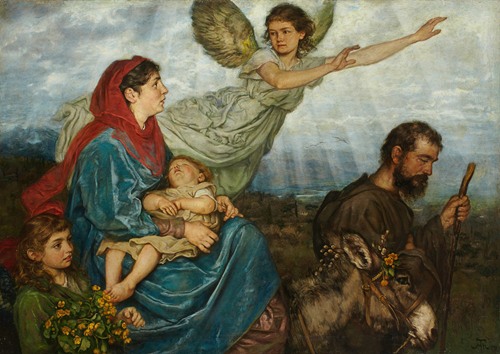
The Flight into Egypt
Hans Thoma
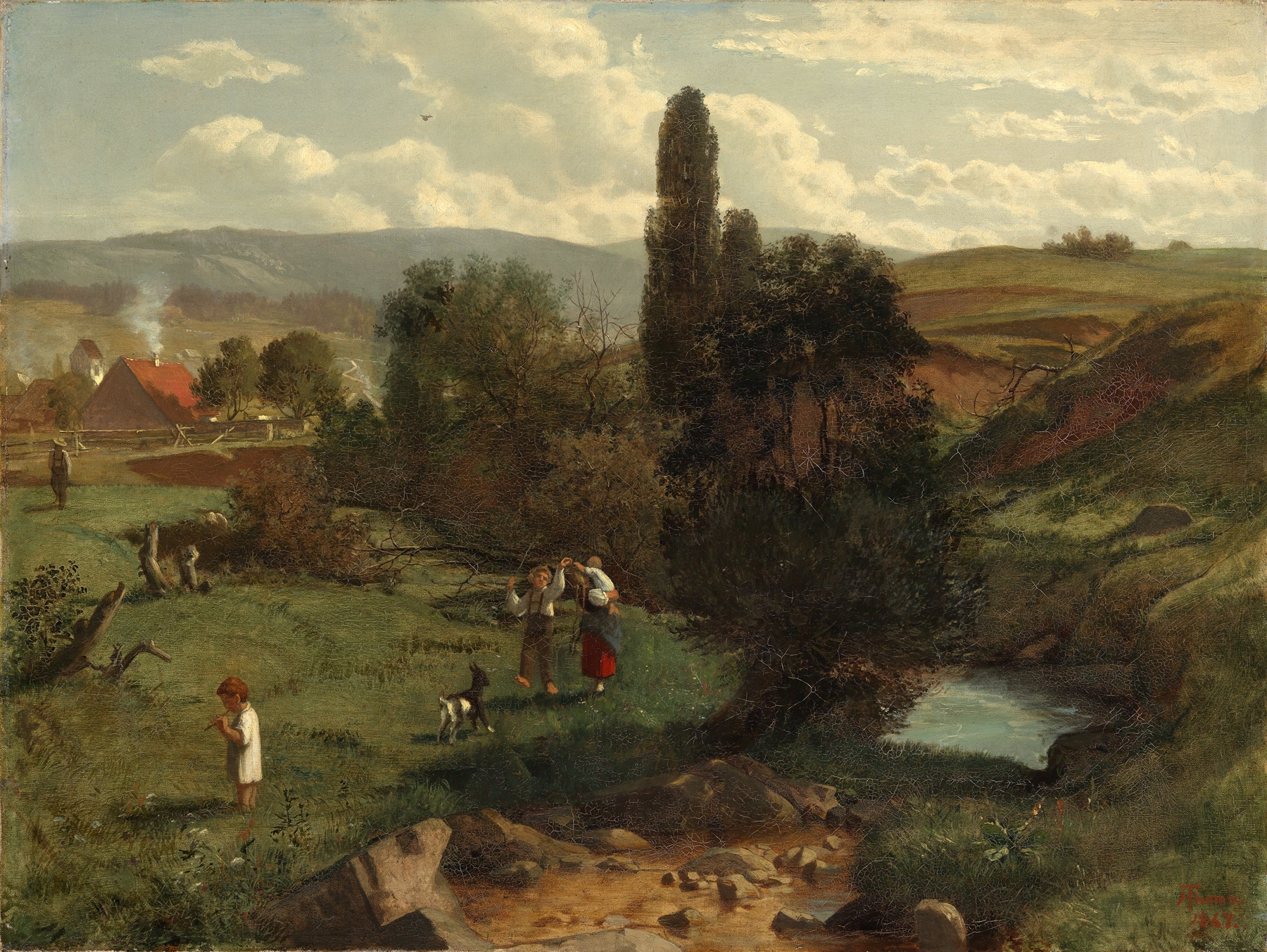
Schwarzwaldlandschaft
Hans Thoma
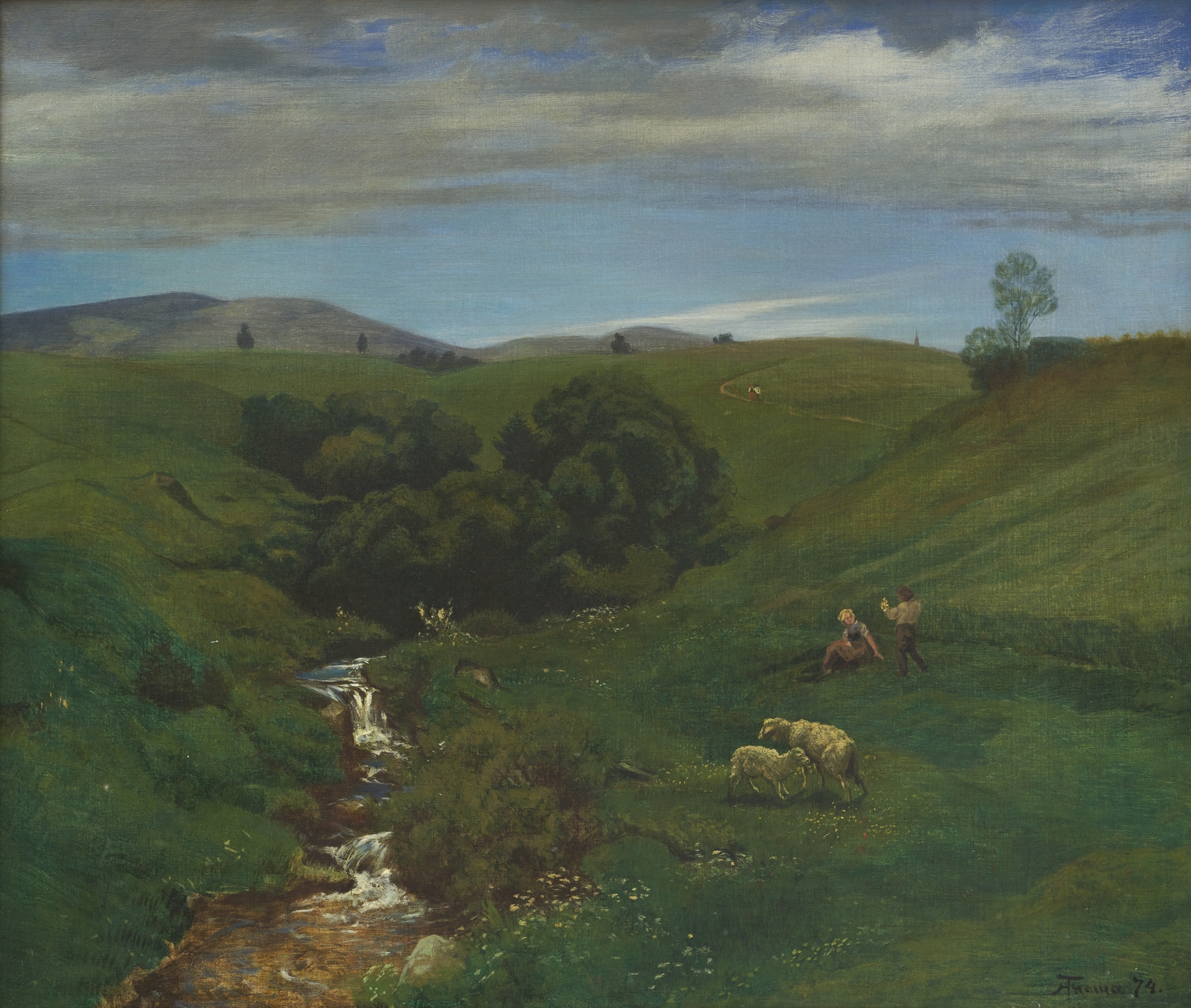
Black Forest Meadow near Bernau
Hans Thoma
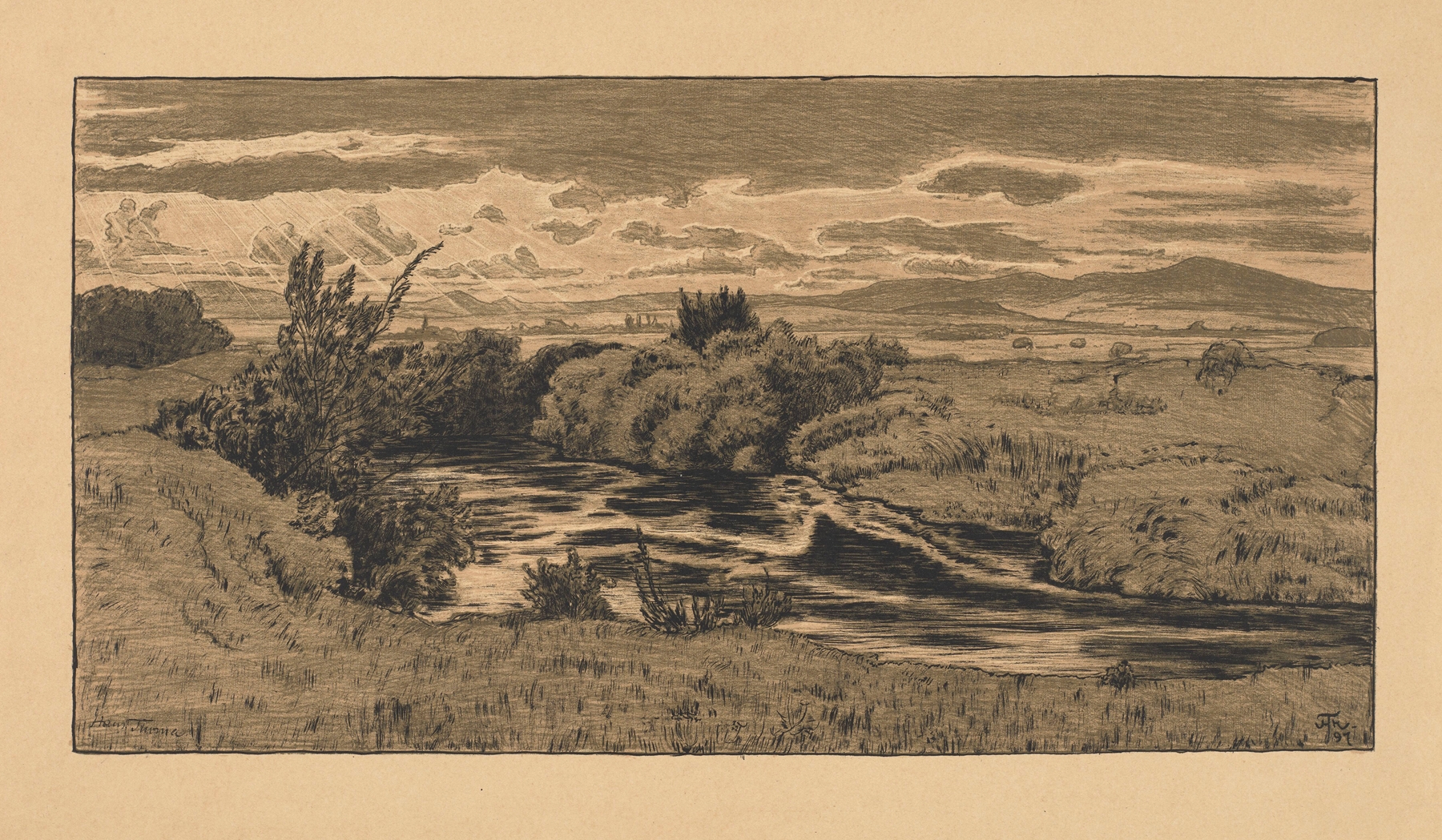
Evening by the Nidda River
Hans Thoma
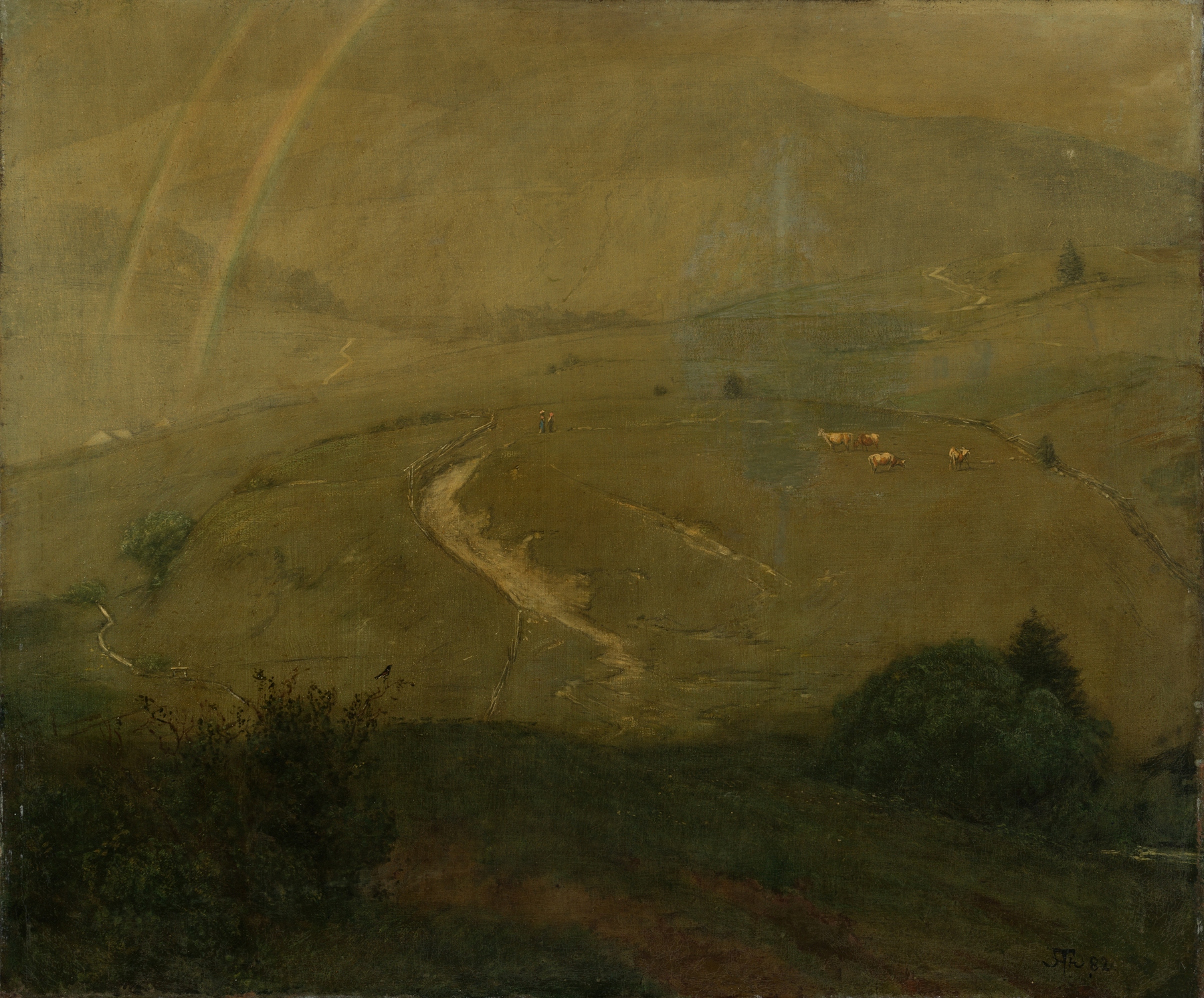
Regen im Schwarzwald
Hans Thoma
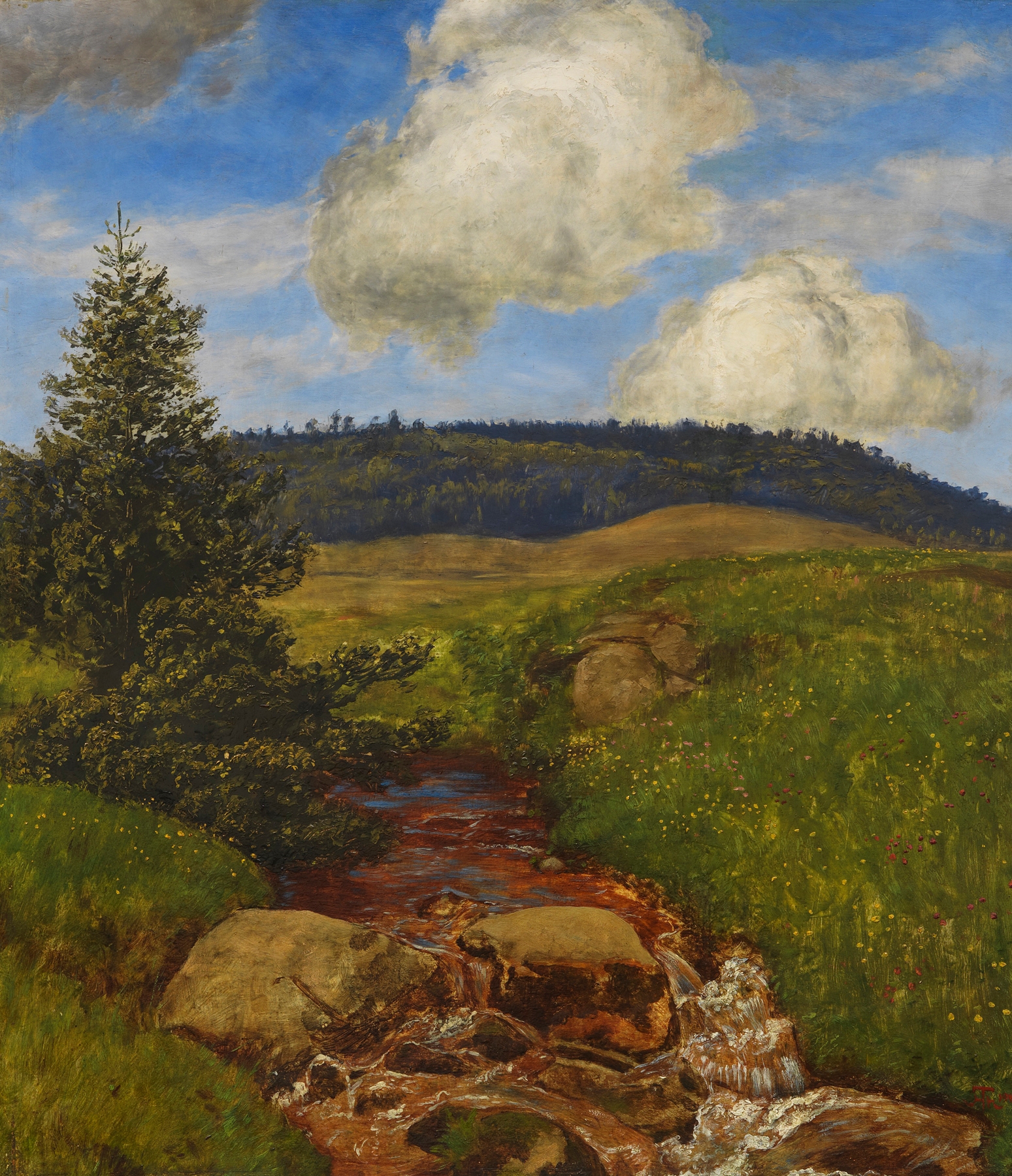
Schwarzwaldbach
Hans Thoma
More Allegory Art
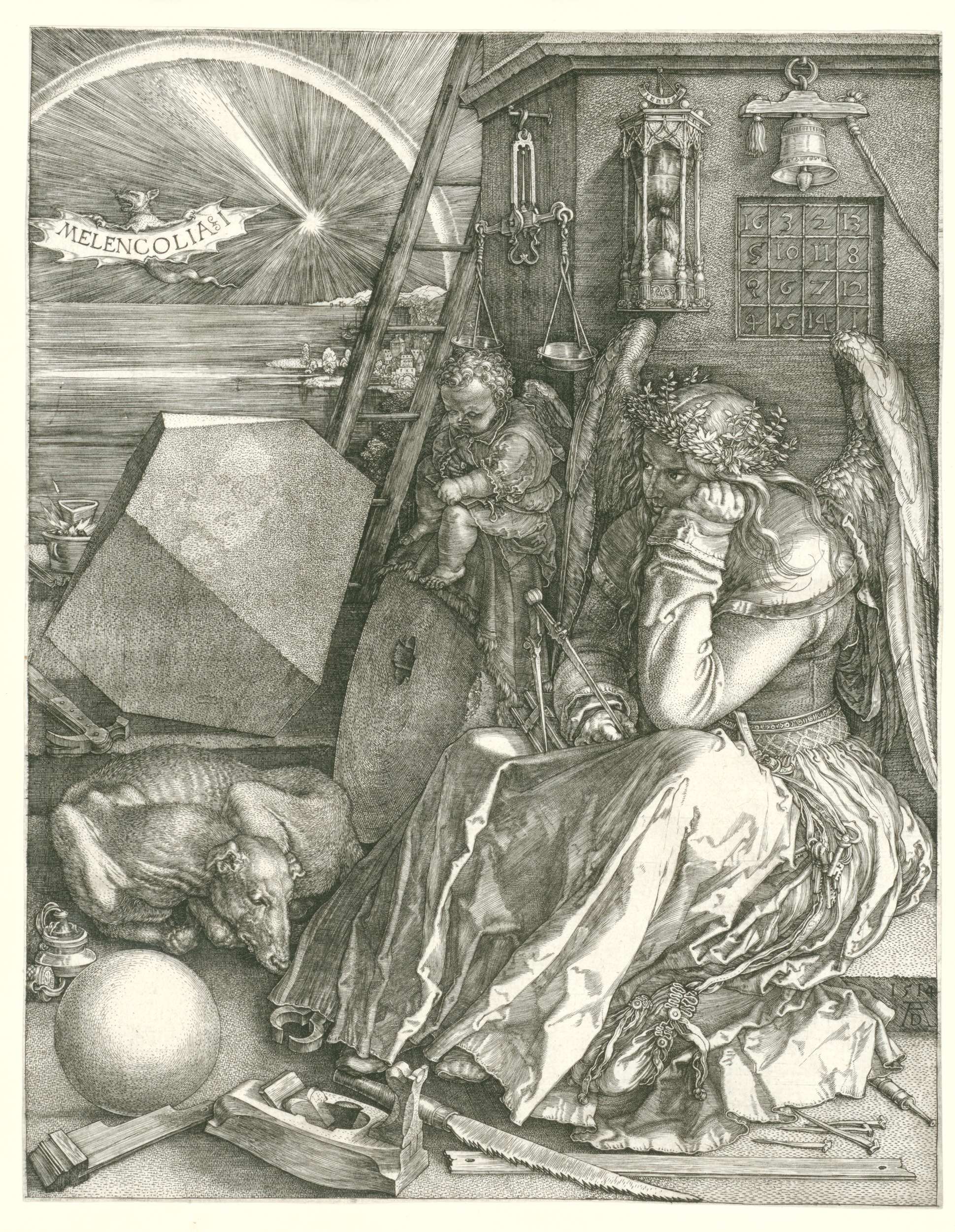
Melancholia
Albrecht Dürer
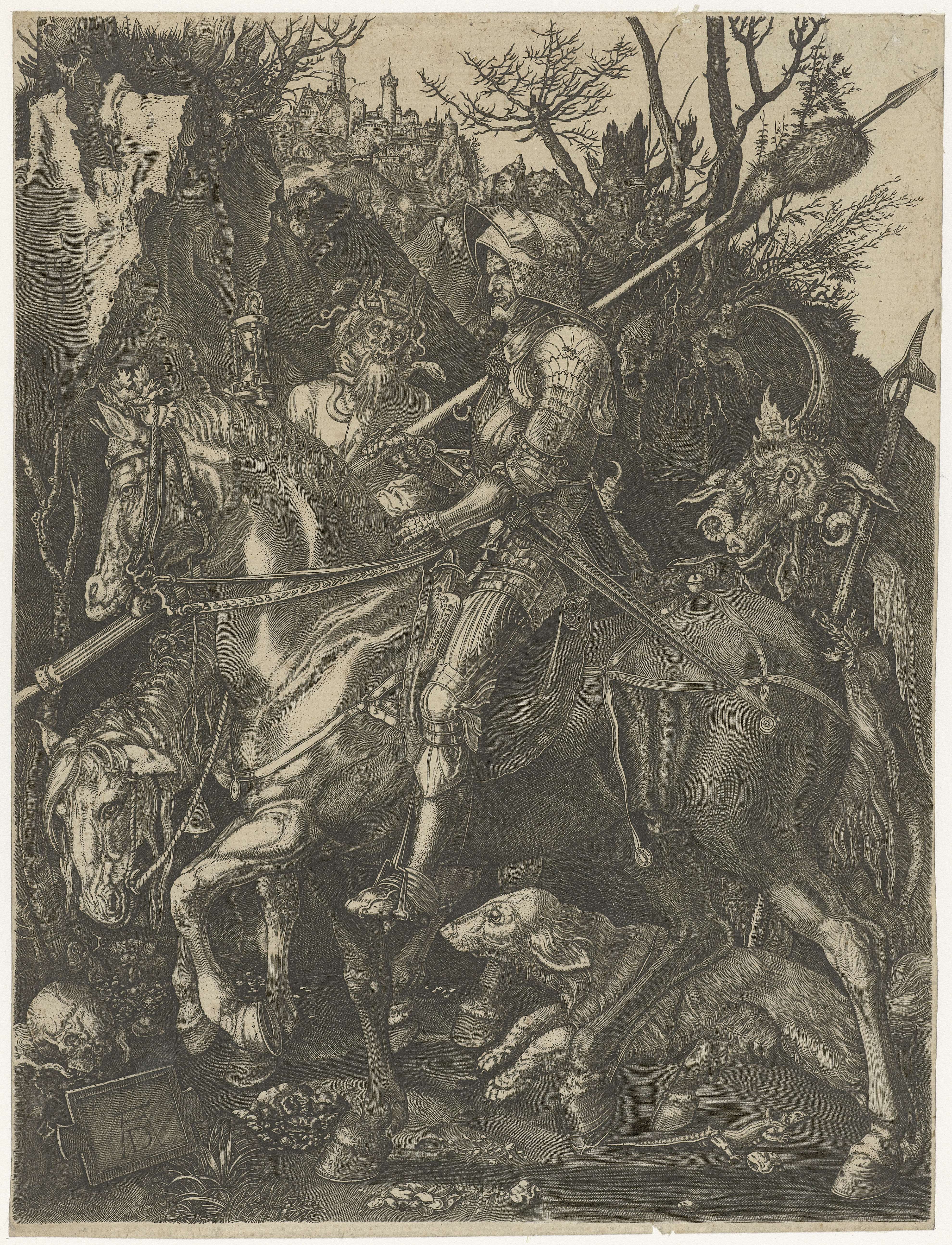
Ridder, Dood en Duivel
Unknown Artist
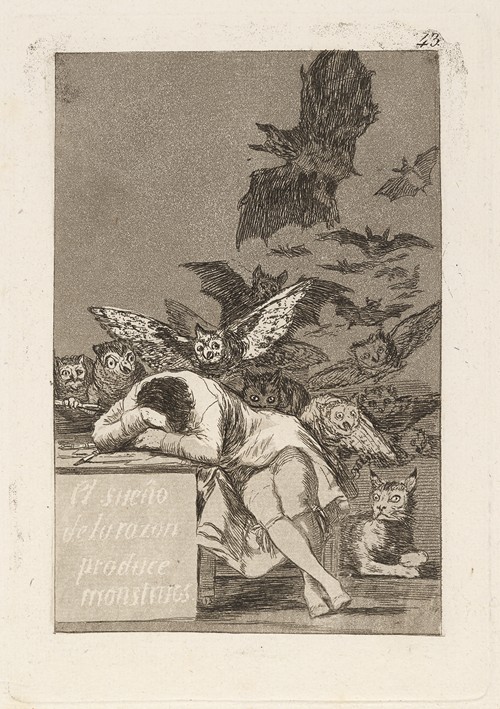
El sueño de la razon produce monstruos. (The sleep of reason produces monsters.)
Francisco de Goya
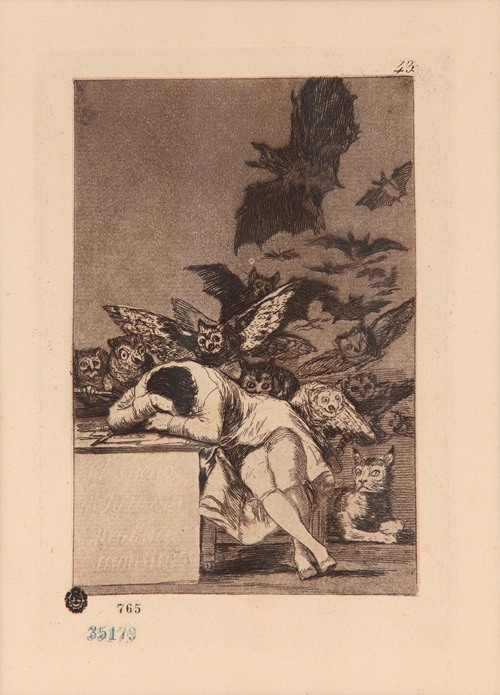
El sueño de la razon produce moustruos (Serie Caprichos)
Francisco de Goya
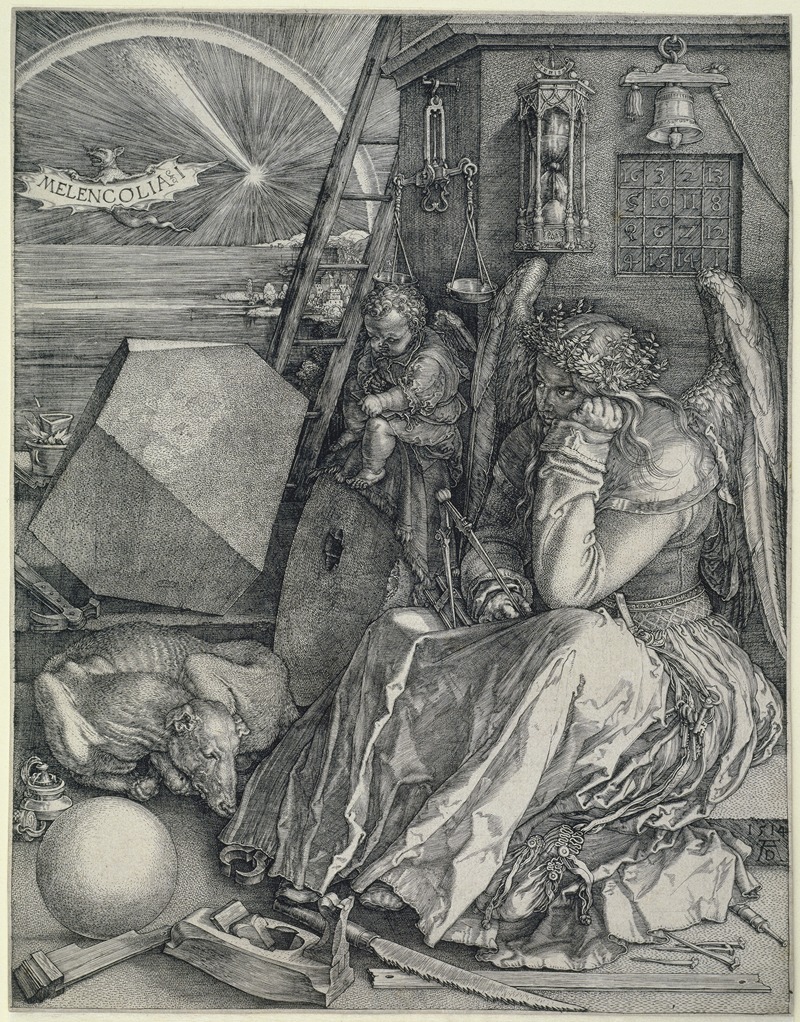
Melencolia I (The Melancholy)
Albrecht Dürer
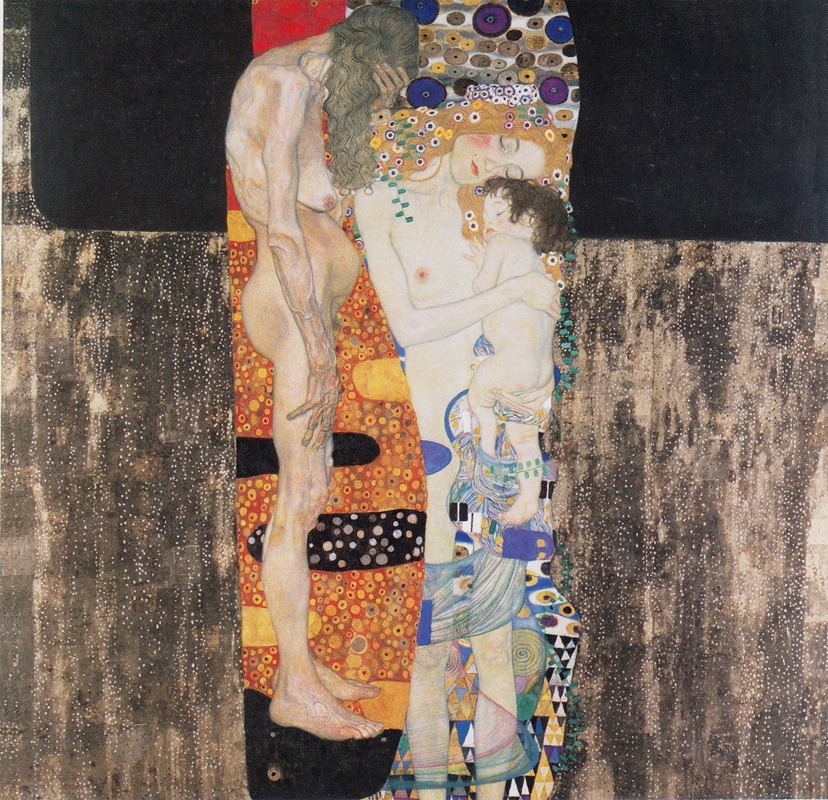
The Three Ages of the Woman
Gustav Klimt