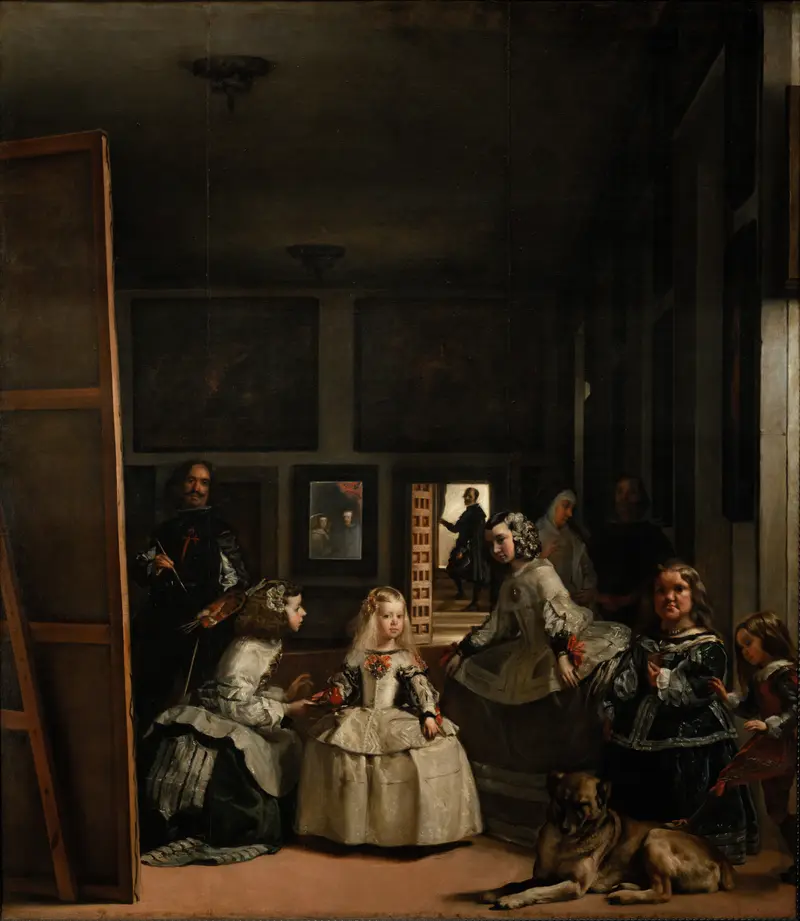
Master Henry Hoare — History & Facts
What first catches the eye is the luminous, almost theatrical presence of the child—golden curls tumbling, cheeks flushed, caught in a moment of lively mischief or sudden pause. The boy, perched on the edge of a wheelbarrow brimming with flowers, glances over his shoulder, his gaze alert and questioning, as if he’s just heard a call from beyond the frame. A small dog, equally attentive, looks up at him with devotion, its posture echoing the boy’s own readiness to spring into action.
The white dress, cinched with a blue sash, and the bright red shoes are not simply charming details—they draw the viewer’s attention to the child’s innocence and social standing, while the straw hat, discarded in the grass, hints at a story interrupted. Painted in 1788 by Sir Joshua Reynolds, this portrait belongs to a world where childhood was beginning to be seen as a distinct, precious stage of life—worthy of attention, affection, and, for the wealthy, commemoration by the leading portraitist of the age. In late eighteenth-century Britain, such images were often commissioned by families eager to celebrate lineage and affection, their homes adorned with likenesses that signaled both tenderness and status. The painting now resides in the collection of the Toledo Museum of Art, a quiet testament to the period’s fascination with childhood and nature.
As you look, notice how the gathering dusk and the encroaching shadows lend the scene both intimacy and a touch of drama, inviting you to imagine what might happen next.
More Artworks by Sir Joshua Reynolds
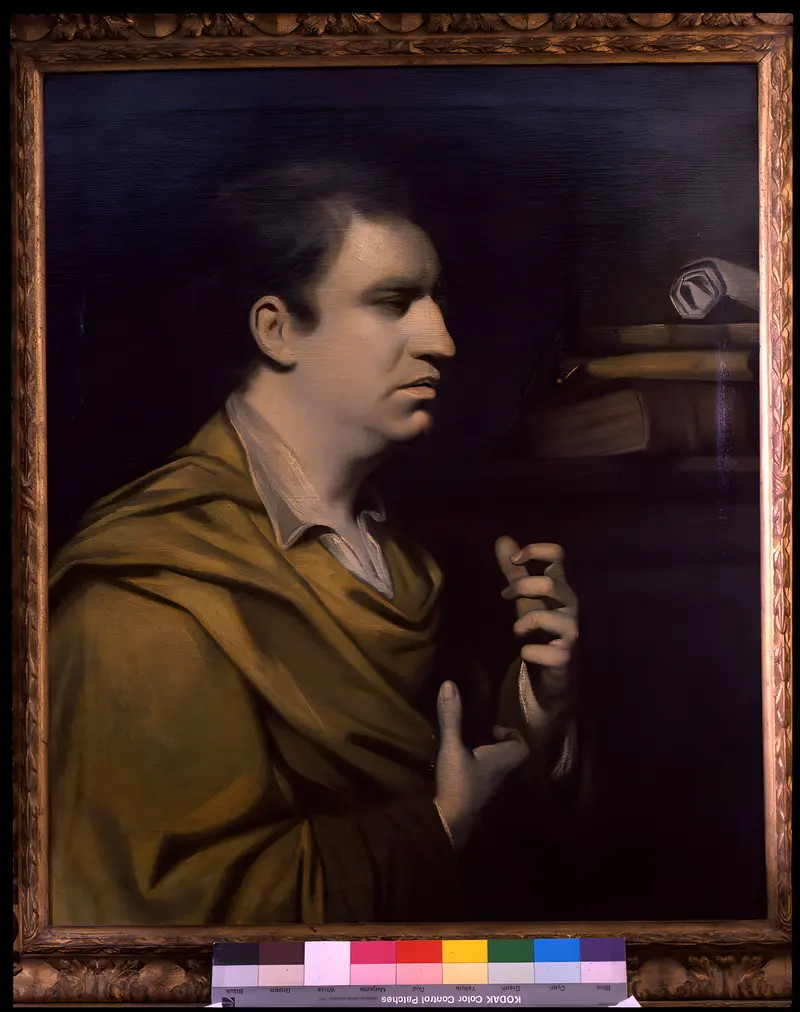
Samuel Johnson (1709-1784)
Sir Joshua Reynolds
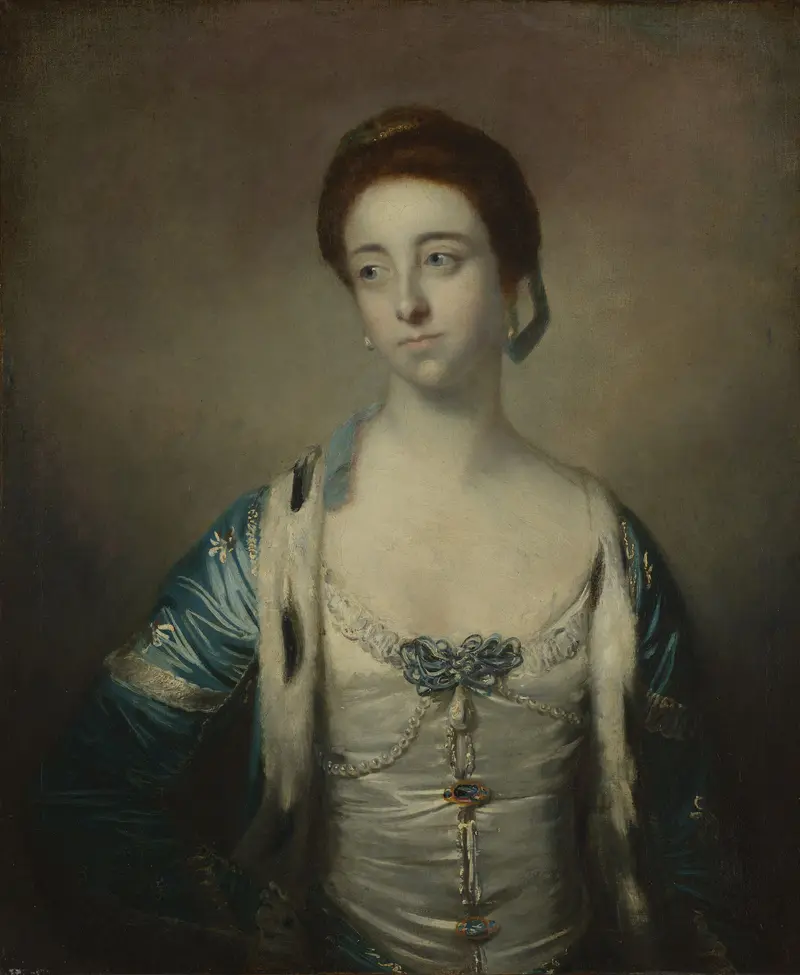
Mrs. Robert Brudenell
Sir Joshua Reynolds
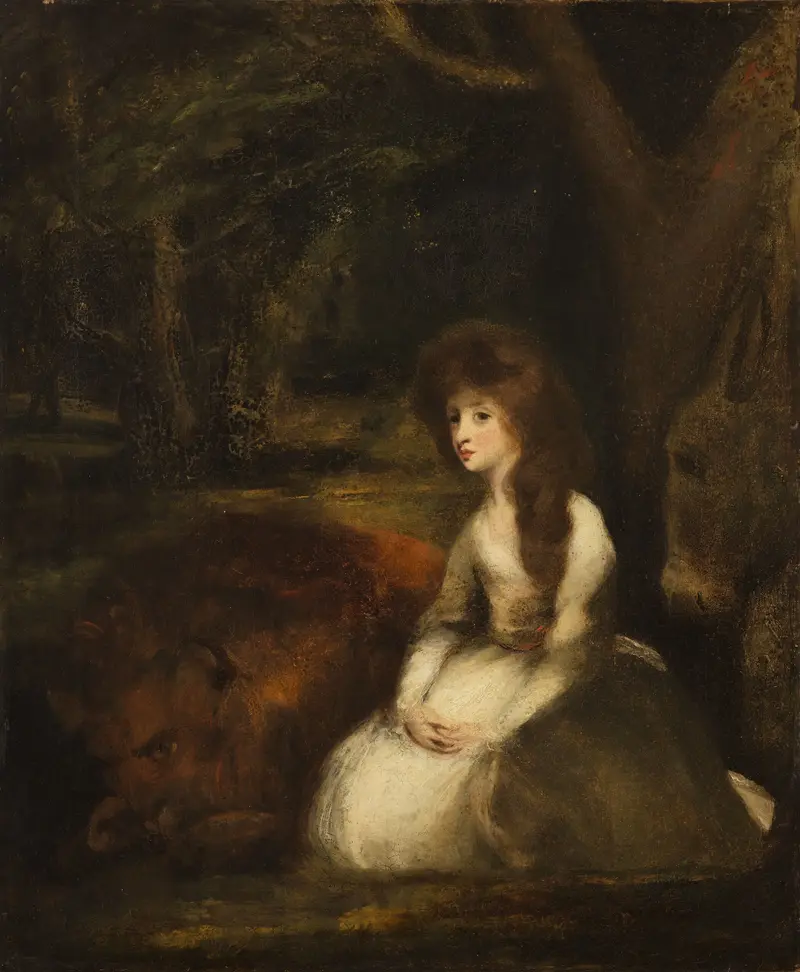
Miss Elizabeth Beauclerc as Una with the Lion
Sir Joshua Reynolds

Lady Sarah Bunbury Sacrificing to the Graces
Sir Joshua Reynolds
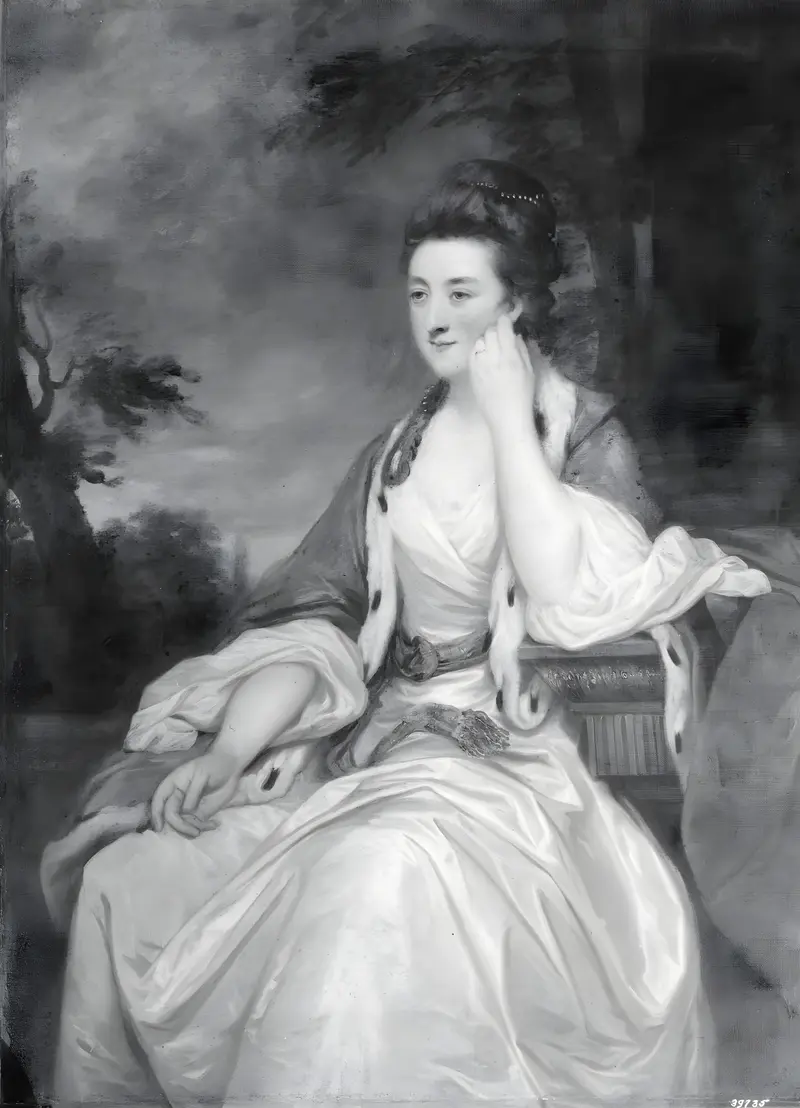
Lady Louisa Conolly
Sir Joshua Reynolds
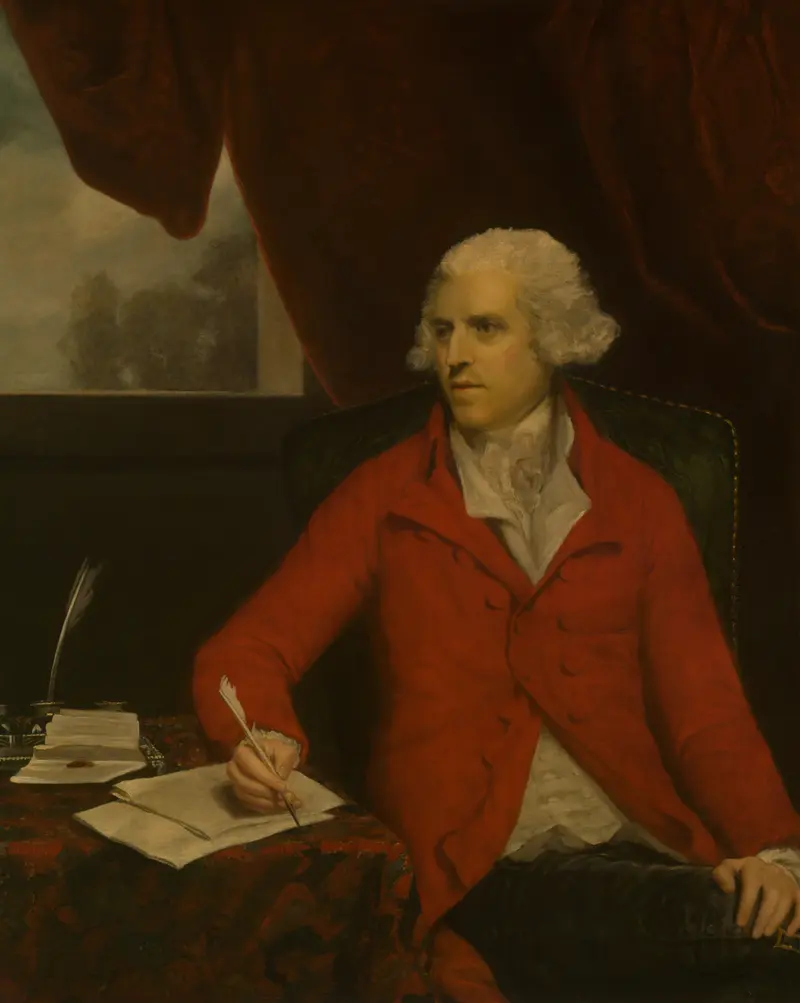
Sir Thomas Rumbold, Bt.
Sir Joshua Reynolds
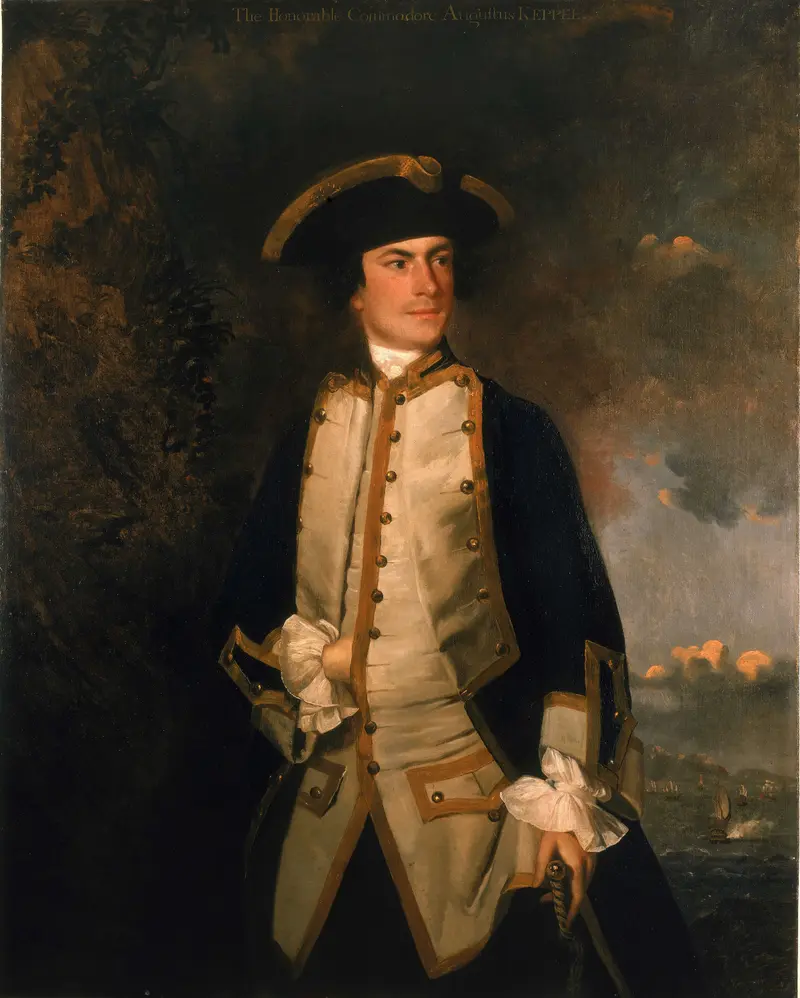
Commodore the Honourable Augustus Keppel
Sir Joshua Reynolds
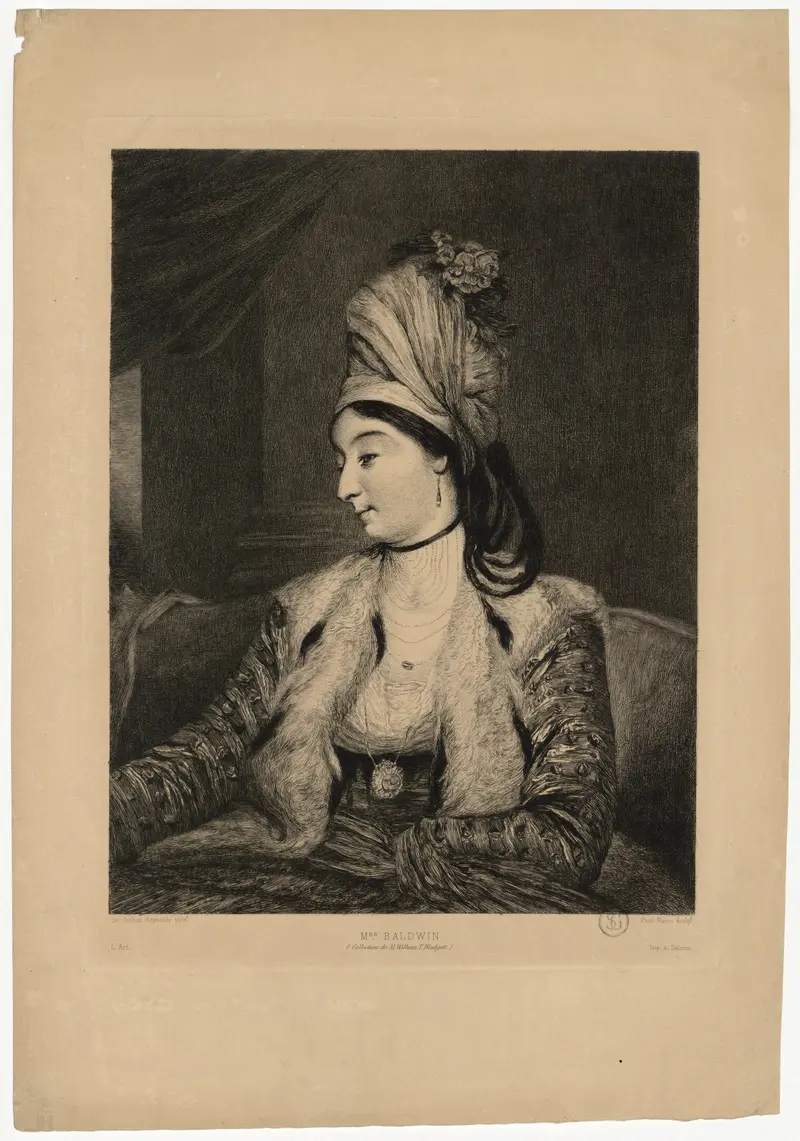
Mrs Baldwin. Sir Joshua Reynolds pinx.t Paul Rajon sculp.t
Sir Joshua Reynolds
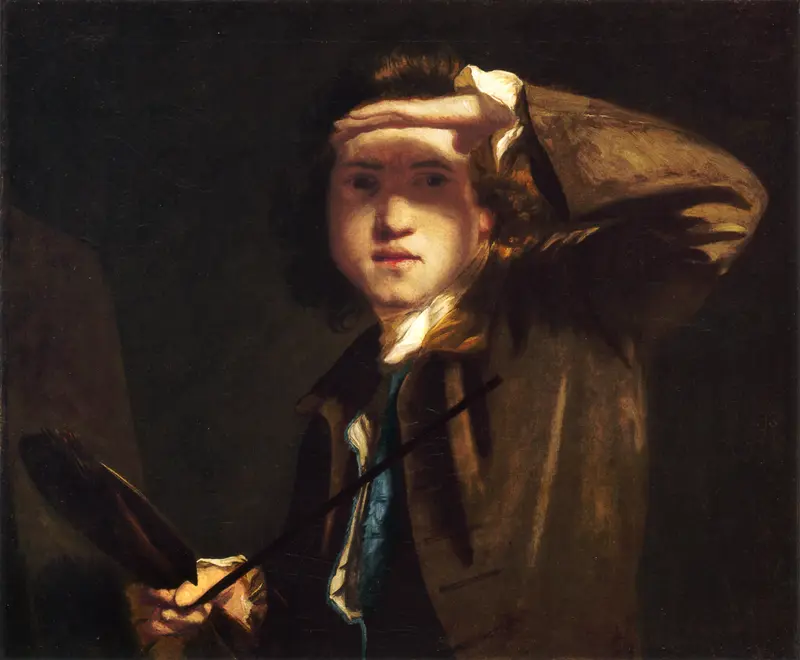
Sir Joshua Reynolds
Sir Joshua Reynolds
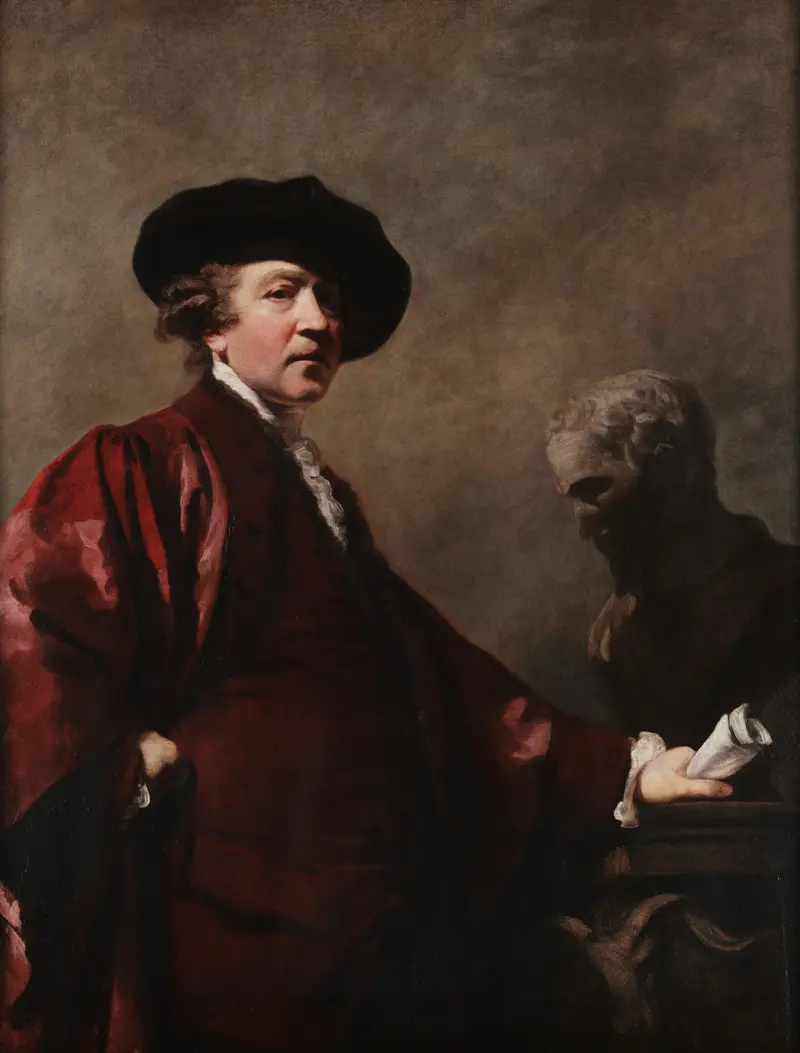
Self-Portrait
Sir Joshua Reynolds