
Self-Portrait — History & Facts
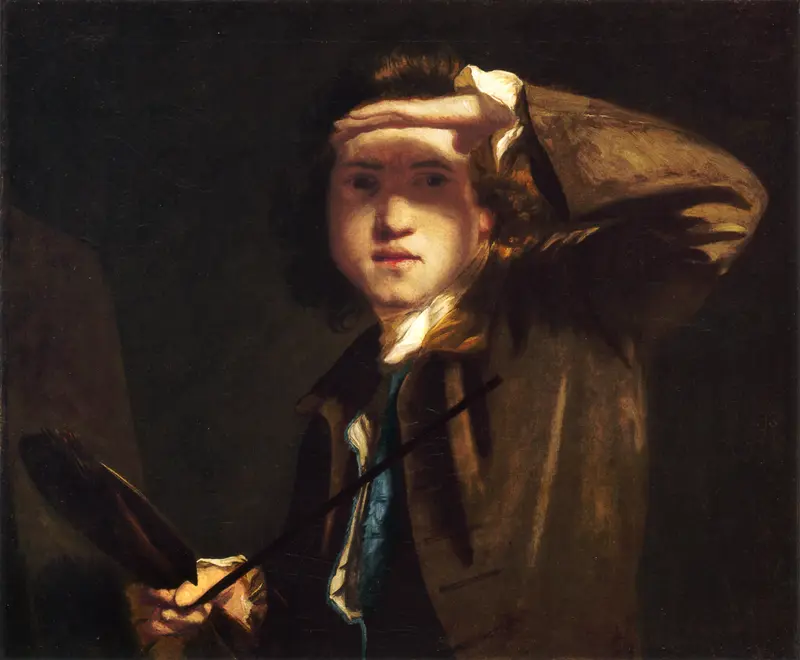
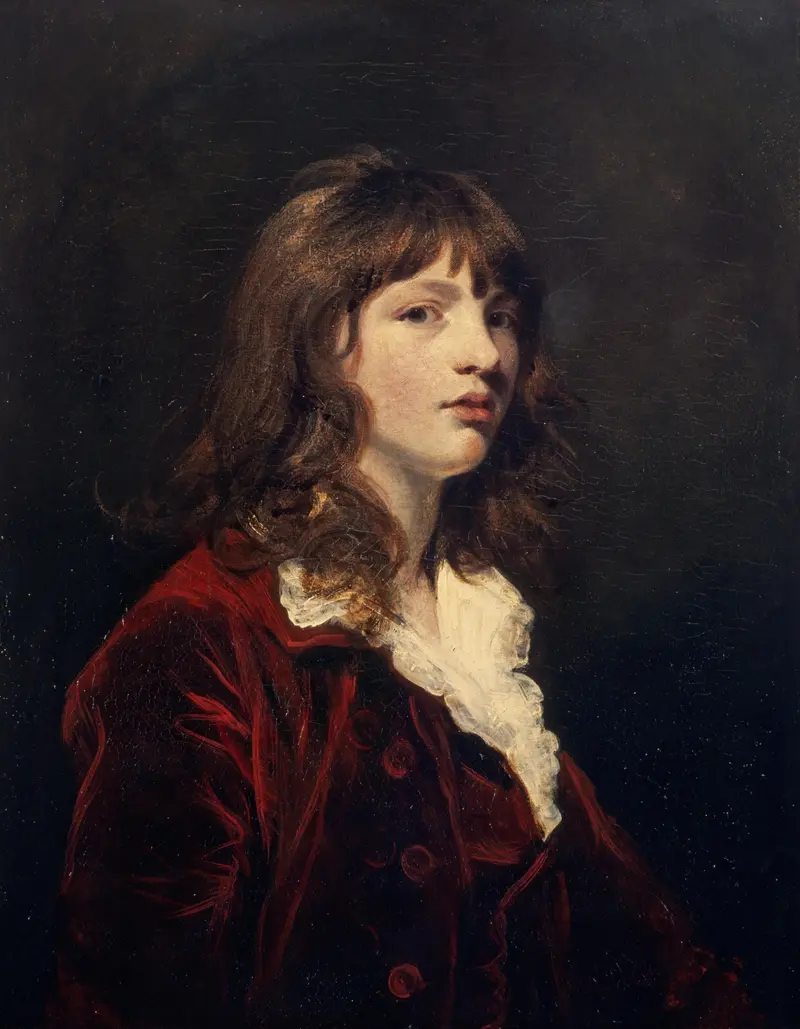
A single, searching gaze meets the viewer’s own, as if the artist has caught himself mid-thought, brush poised just out of sight. The play of light across the sitter’s face and the deep, enveloping shadows behind him create a sense of immediacy and presence, as though he has stepped forward from the gloom of his studio to confront us directly. The crisp white of the cravat and the gentle modeling of the features draw the eye upward, emphasizing intelligence and self-possession.
Every detail, from the careful rendering of the hair to the subtle suggestion of a coat’s velvet texture, seems calculated to present not only a likeness but a mind at work. This is a portrait that asks us to look closely, and in return, it looks just as closely at us. Painted in 1780, this self-portrait belongs to a world in which artists were beginning to claim new status and authority, no longer mere craftsmen but figures of culture and intellect. Portraits like this were often made to assert an artist’s place in society, to be displayed in academies or gifted to patrons as a mark of professional achievement.
In the late eighteenth century, the British art world was changing rapidly, with portraiture at its center—artists like Sir Joshua Reynolds (if this attribution holds) championed the “Grand Style,” borrowing poses and gravitas from history painting to elevate their own images. Little is recorded about this particular work’s early journey, but its survival in a collection today lets us study both the painter’s hand and the world he wished to inhabit. The directness of the gaze invites us to imagine the ambitions and uncertainties behind it—reminding us that every self-portrait is, in some sense, a conversation across centuries.
More Artworks by Sir Joshua Reynolds
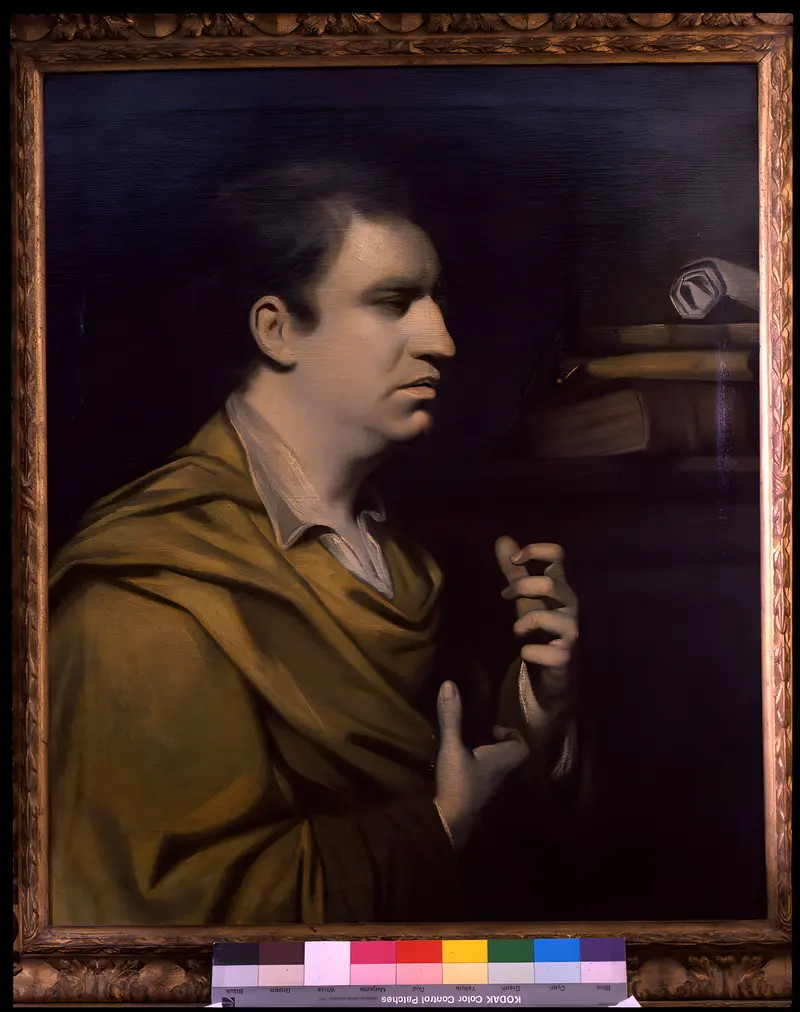
Samuel Johnson (1709-1784)
Sir Joshua Reynolds
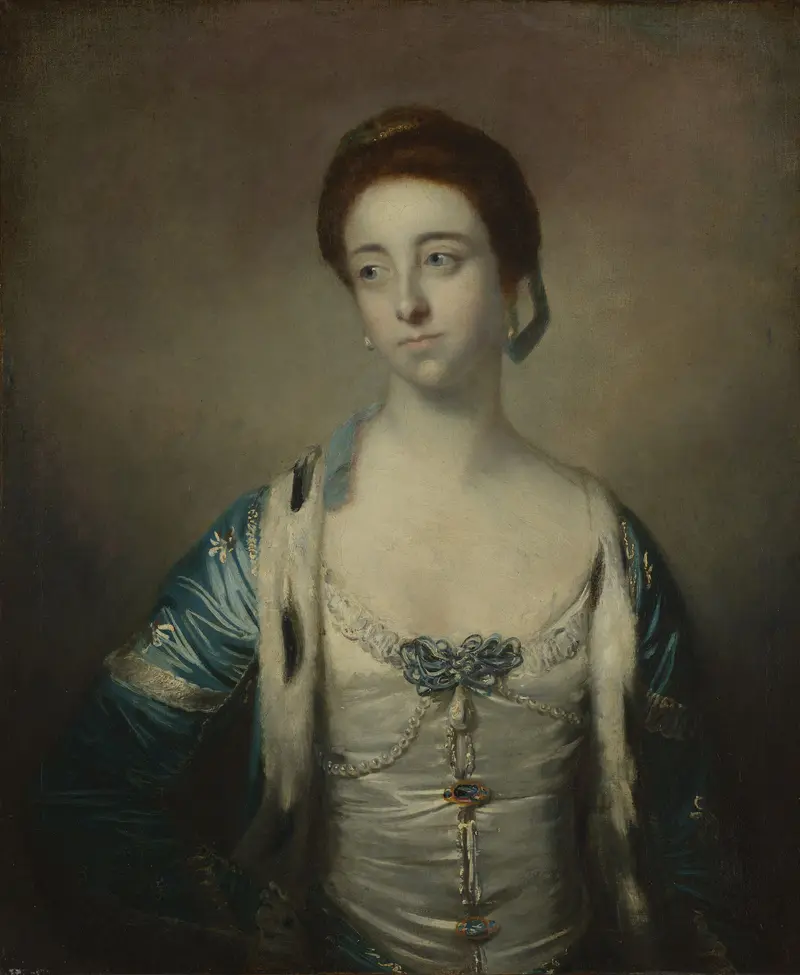
Mrs. Robert Brudenell
Sir Joshua Reynolds
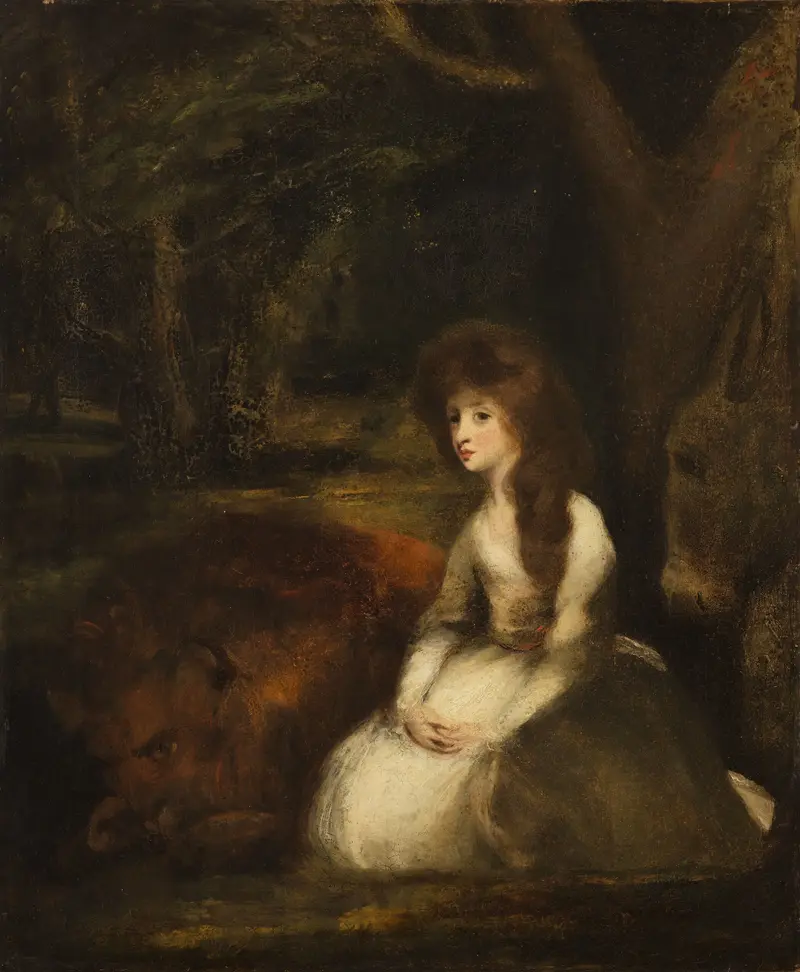
Miss Elizabeth Beauclerc as Una with the Lion
Sir Joshua Reynolds

Lady Sarah Bunbury Sacrificing to the Graces
Sir Joshua Reynolds
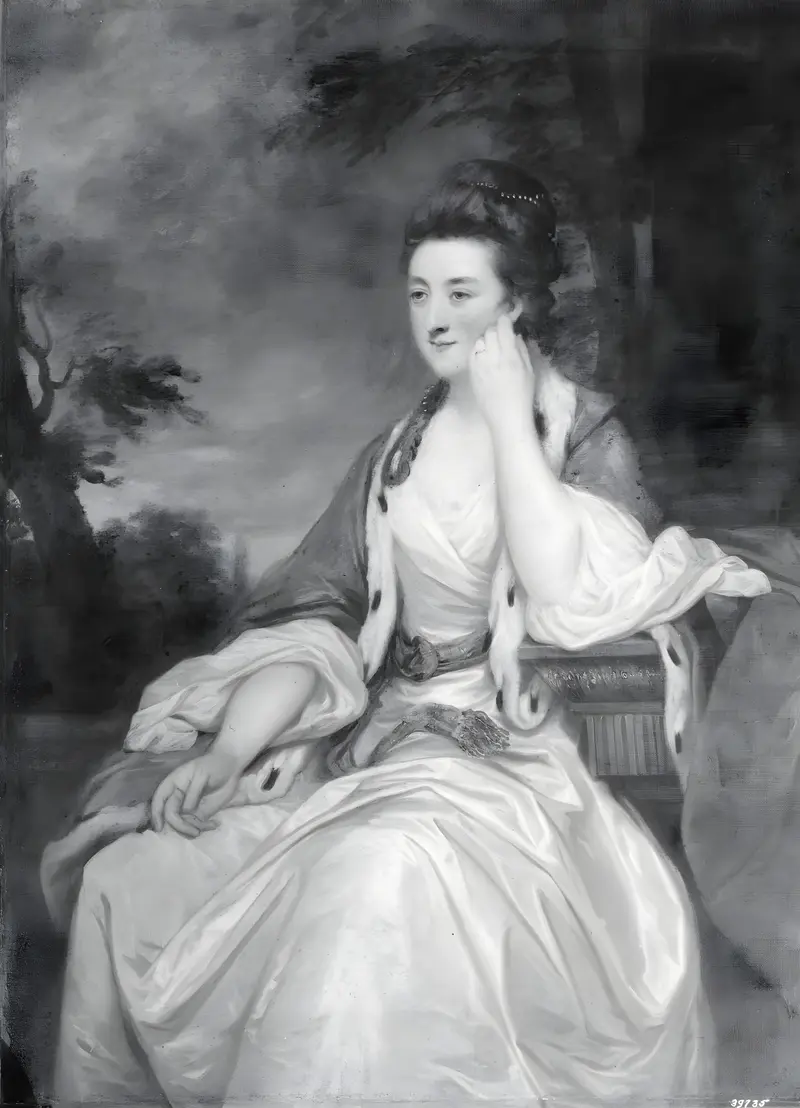
Lady Louisa Conolly
Sir Joshua Reynolds
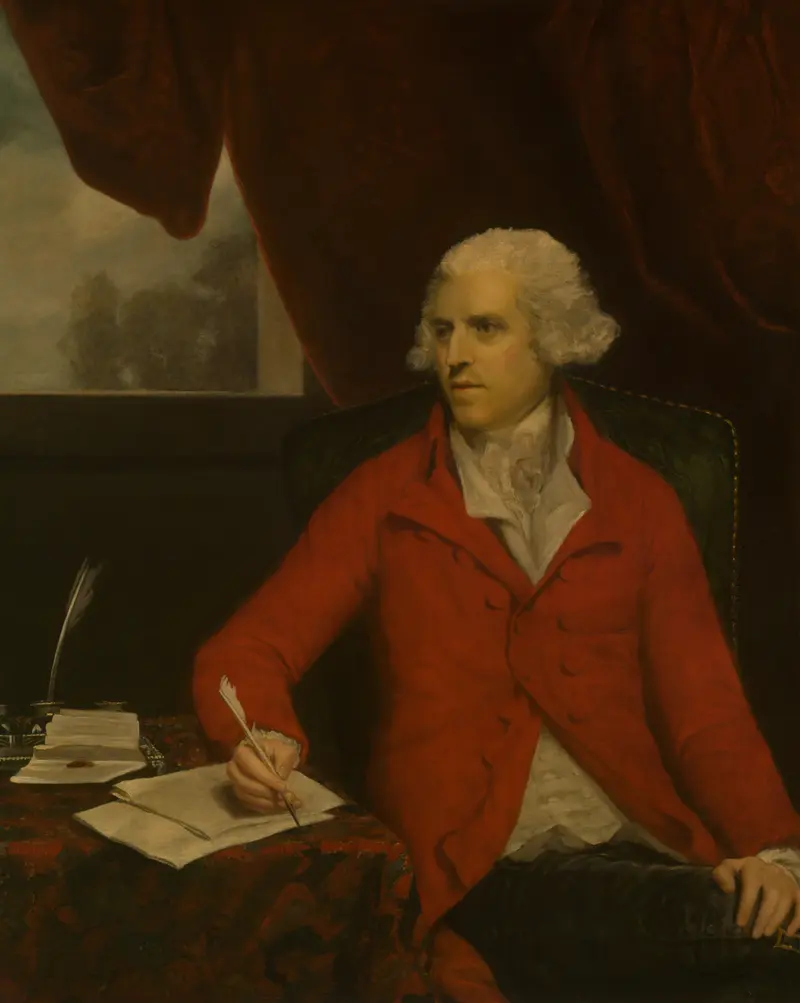
Sir Thomas Rumbold, Bt.
Sir Joshua Reynolds
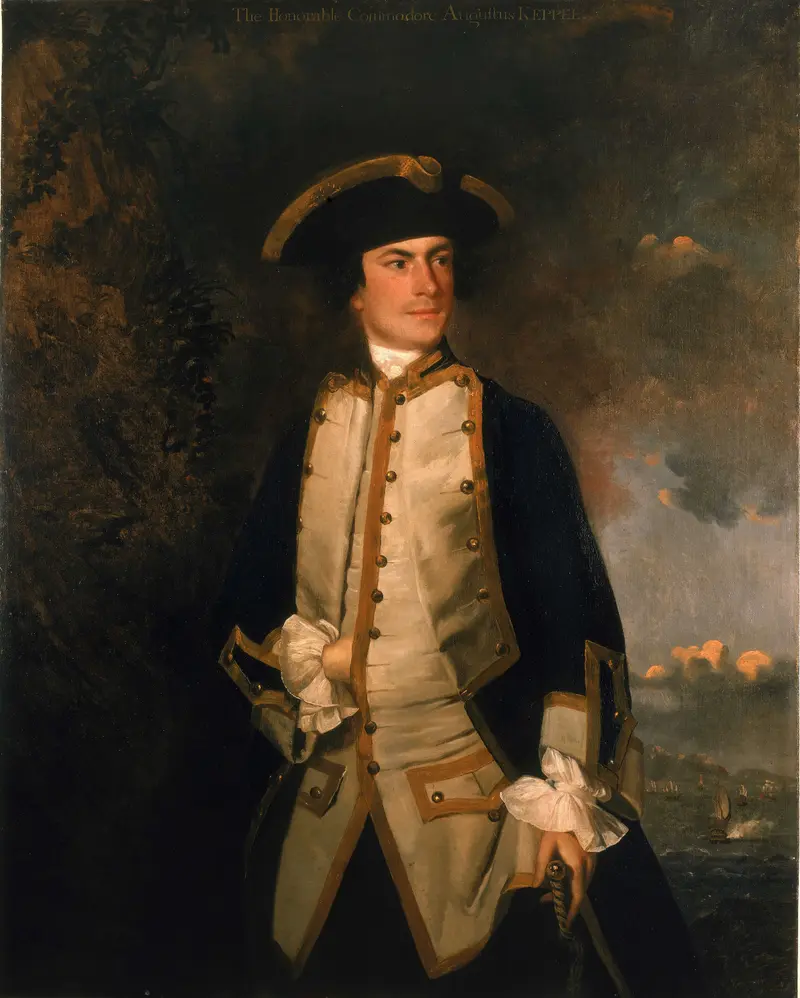
Commodore the Honourable Augustus Keppel
Sir Joshua Reynolds
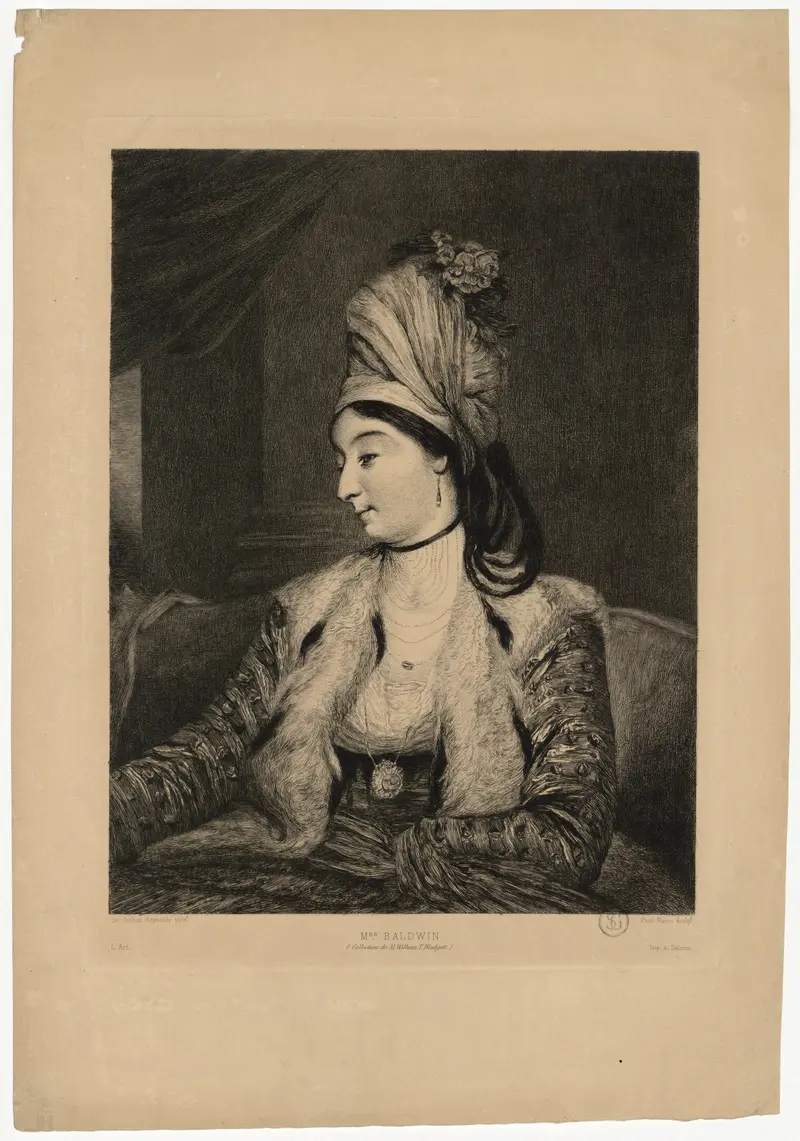
Mrs Baldwin. Sir Joshua Reynolds pinx.t Paul Rajon sculp.t
Sir Joshua Reynolds
Sir Joshua Reynolds
Sir Joshua Reynolds
Alexander Douglas-Hamilton, later 10th Duke of Hamilton and 7th Duke of Brandon (1767 - 1852)
Sir Joshua Reynolds





