
Matterhorn from Zmutt Glacier, Zermatt 2 — History & Facts
Is this a mirror — or a memory? The vastness of the Matterhorn looms above the Zmutt Glacier, invoking a poignant reflection on nature’s majesty and the ache of loss that lingers like the mist clinging to the mountain’s base. Focus on the swirling blues and whites that Sargent masterfully captures; the icy hues pull you in, creating a chilly stillness. Look to the left, where the glacier meets the rugged terrain, its jagged edges softened by a delicate wash of light. The interplay of shadow and brilliance brings depth, suggesting both the grandeur and the fragility of this sublime landscape. Yet beneath this serene exterior lies an undercurrent of tension.
The grandeur of the Matterhorn stands in stark contrast to the delicate traces of the glacier, hinting at nature's relentless march and the inevitable loss it entails. This visual dichotomy evokes a sense of nostalgia, as if the painting is a requiem for something irrevocably lost, a moment frozen in time that conjures both admiration and grief. In 1870, during a transformative period in his career, the artist found himself drawn to the Swiss Alps, captivated by their raw beauty. Sargent was at the cusp of establishing his reputation as a painter, exploring themes that would later define his work.
The art world was shifting, moving towards Impressionism, yet here he stands at the intersection of realism and a burgeoning emotional expression, capturing not just a landscape but the weight of memory itself.
More Artworks by John Singer Sargent
Browse all →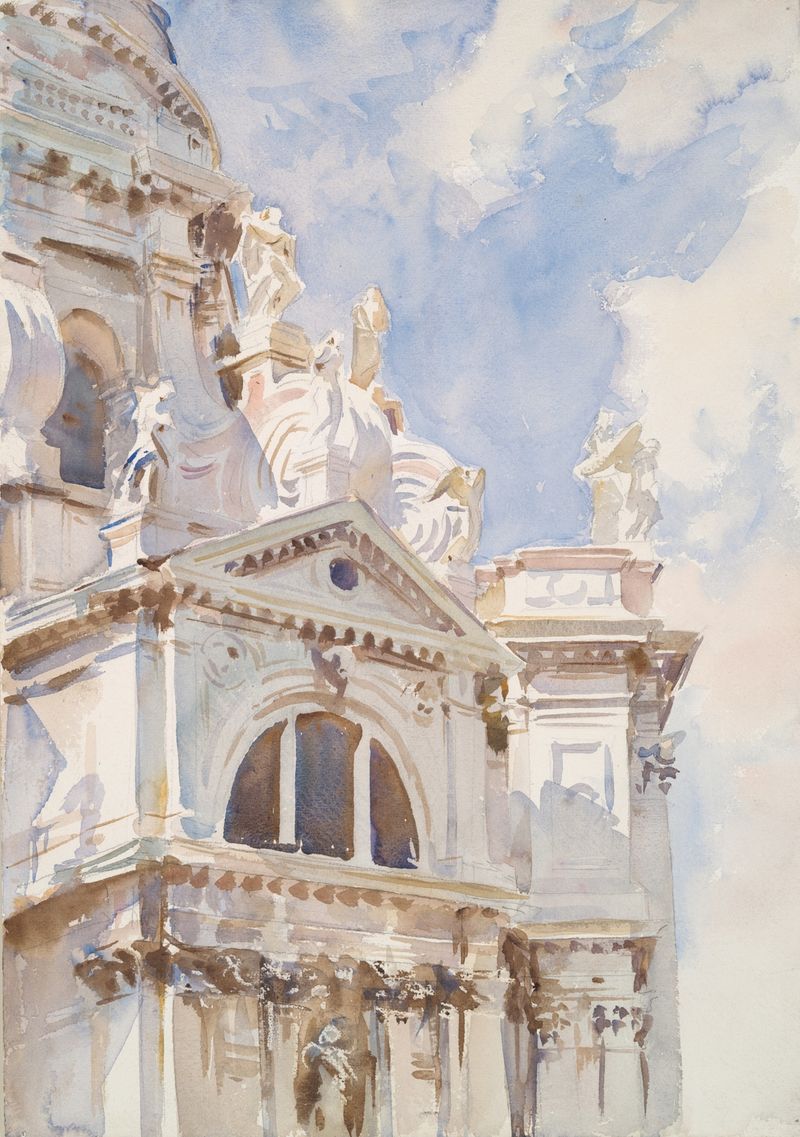
The Salute, Venice
John Singer Sargent

Mrs. Charles Deering (Marion Denison Whipple)
John Singer Sargent
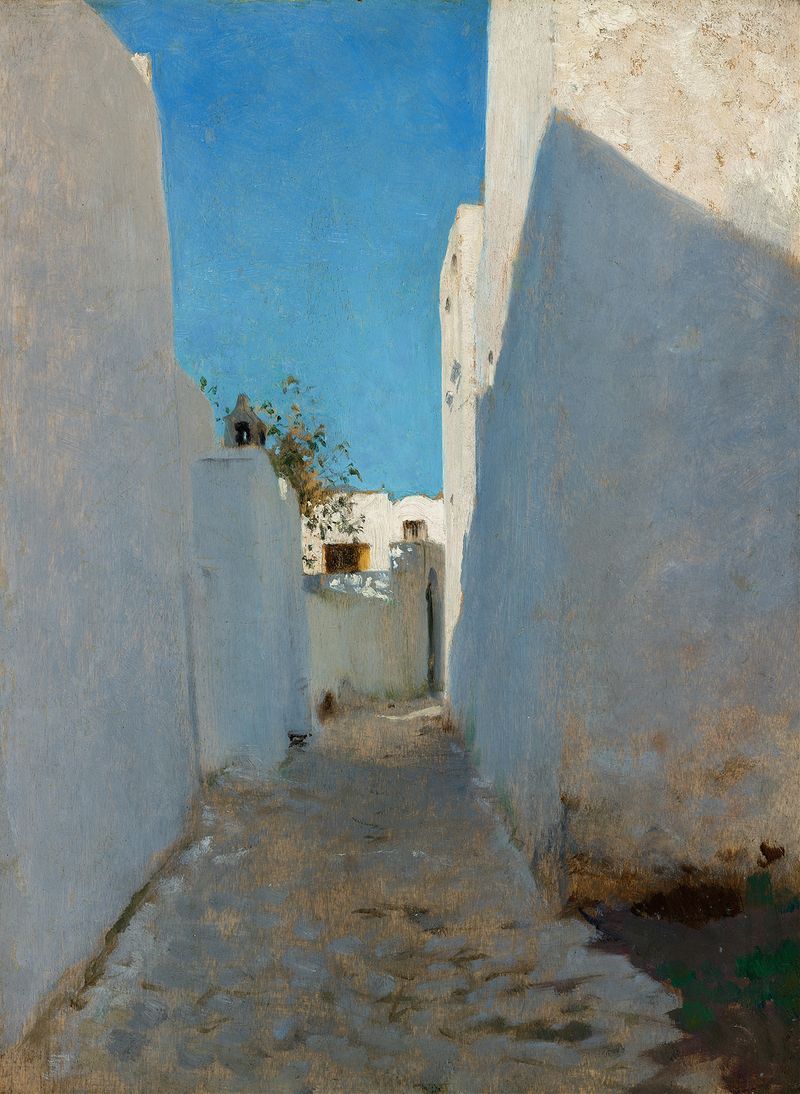
A Moroccan Street Scene
John Singer Sargent
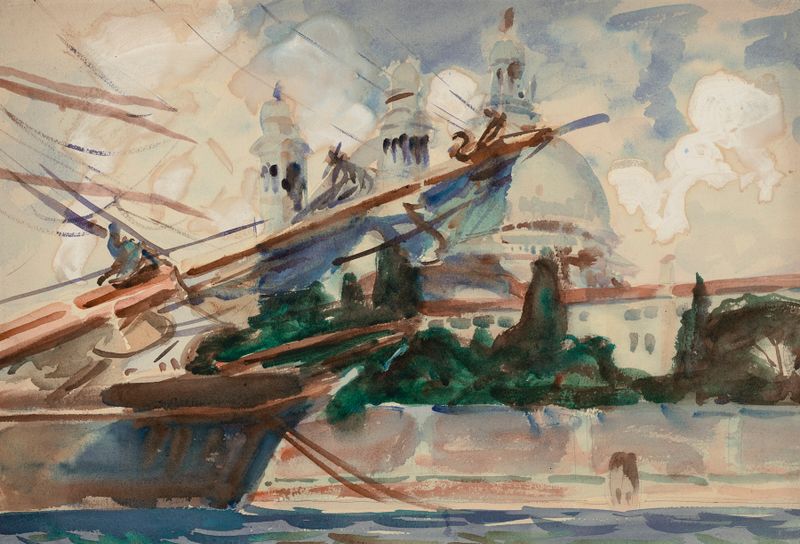
The Salute, Venice
John Singer Sargent
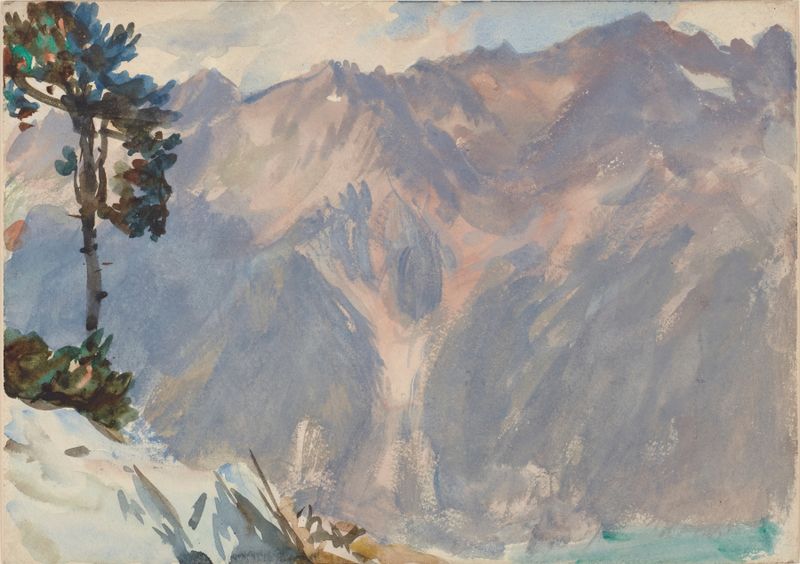
Tyrol
John Singer Sargent
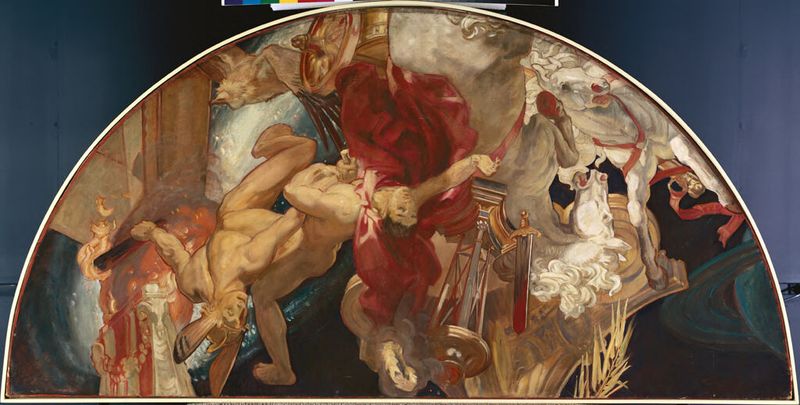
Study for "Gog and Magog," for the Boston Public Library
John Singer Sargent
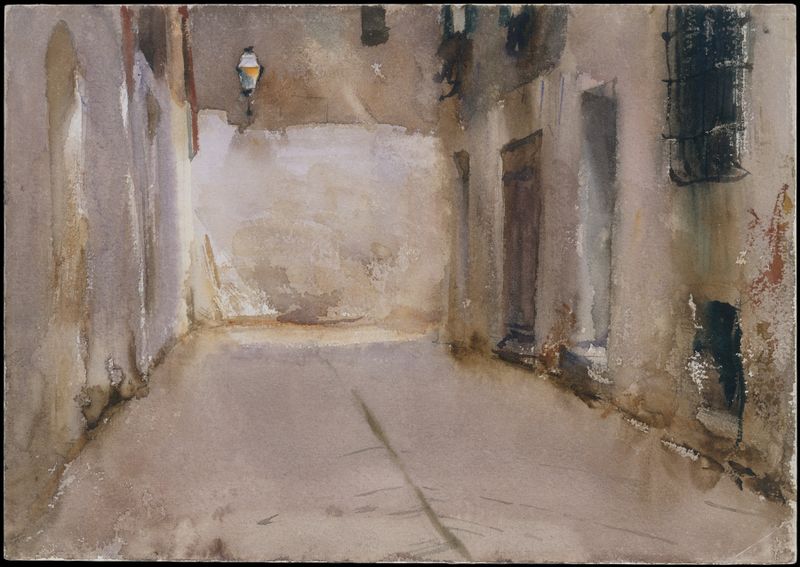
Venice
John Singer Sargent
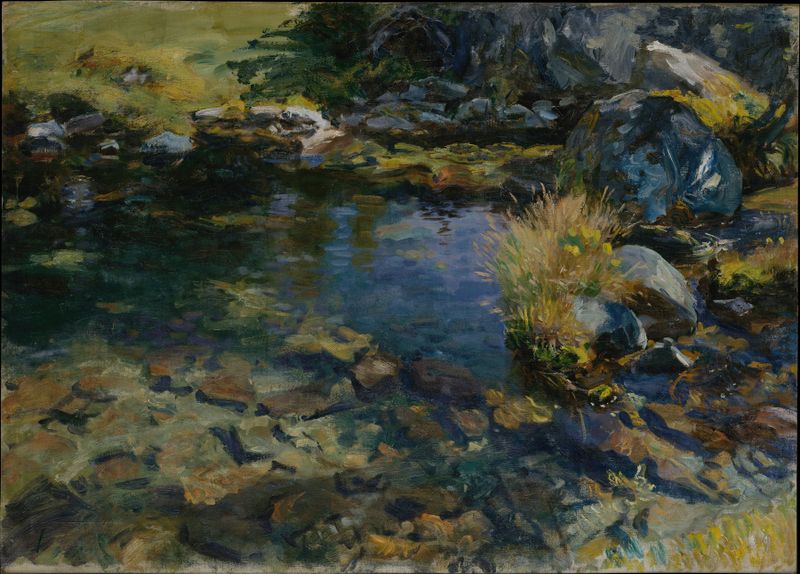
Alpine Pool
John Singer Sargent
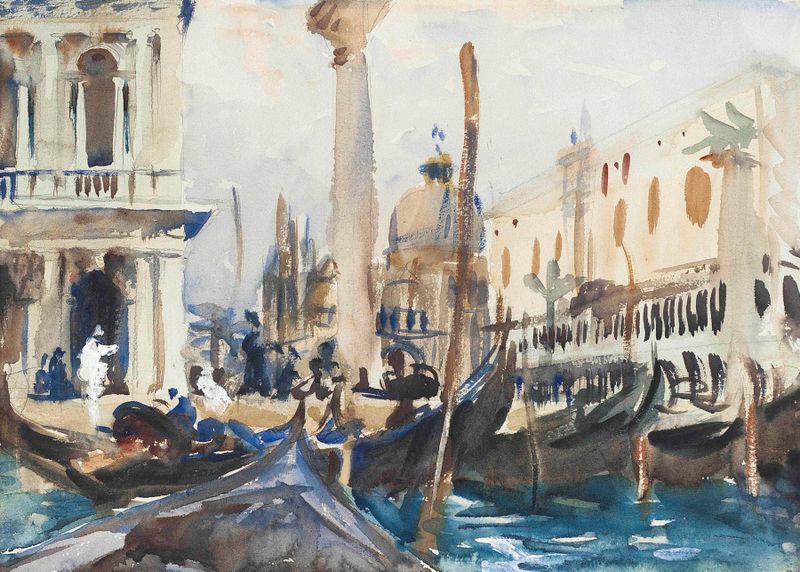
The Piazzetta with Gondolas
John Singer Sargent
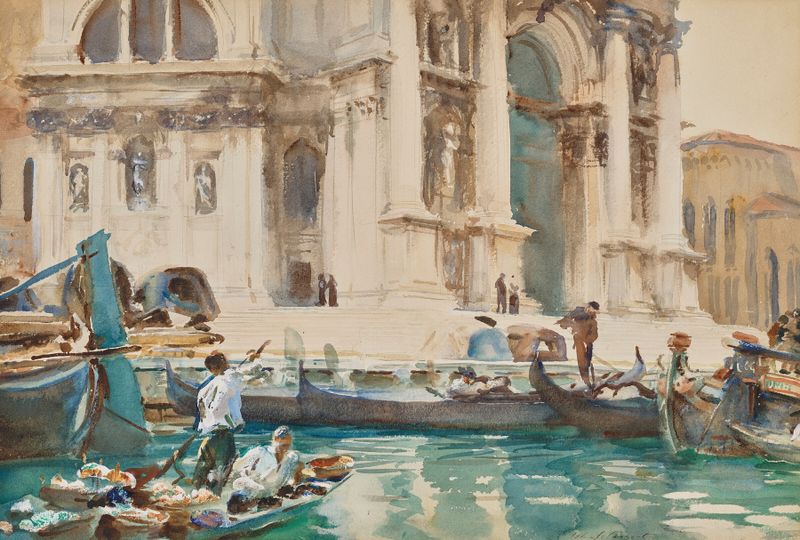
The Façade of La Salute, Venice
John Singer Sargent





