Mediterranean Garden Scene — History & Facts
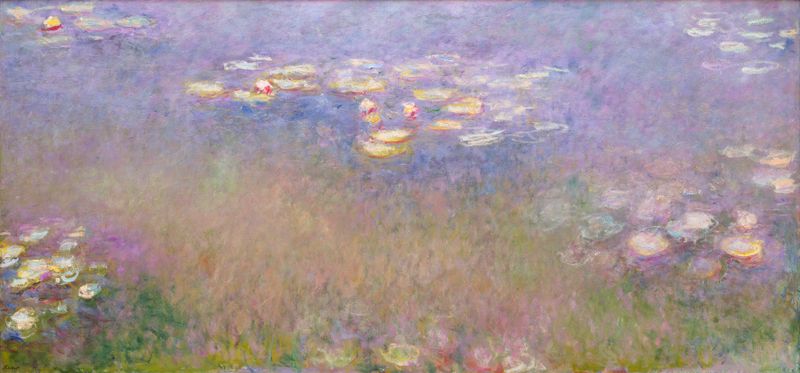
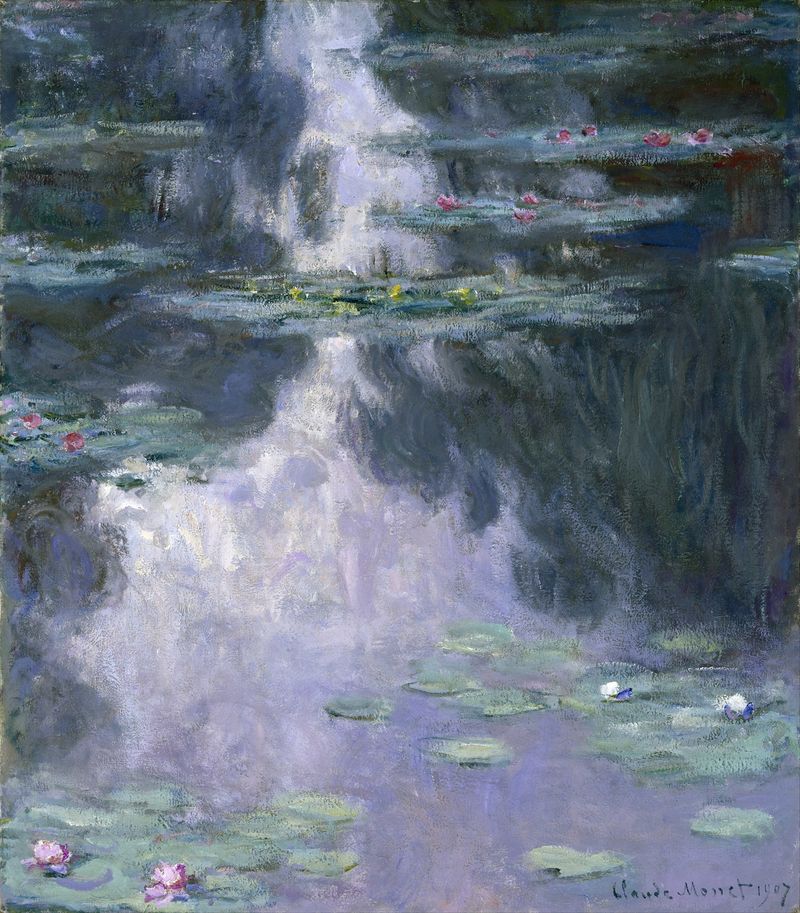
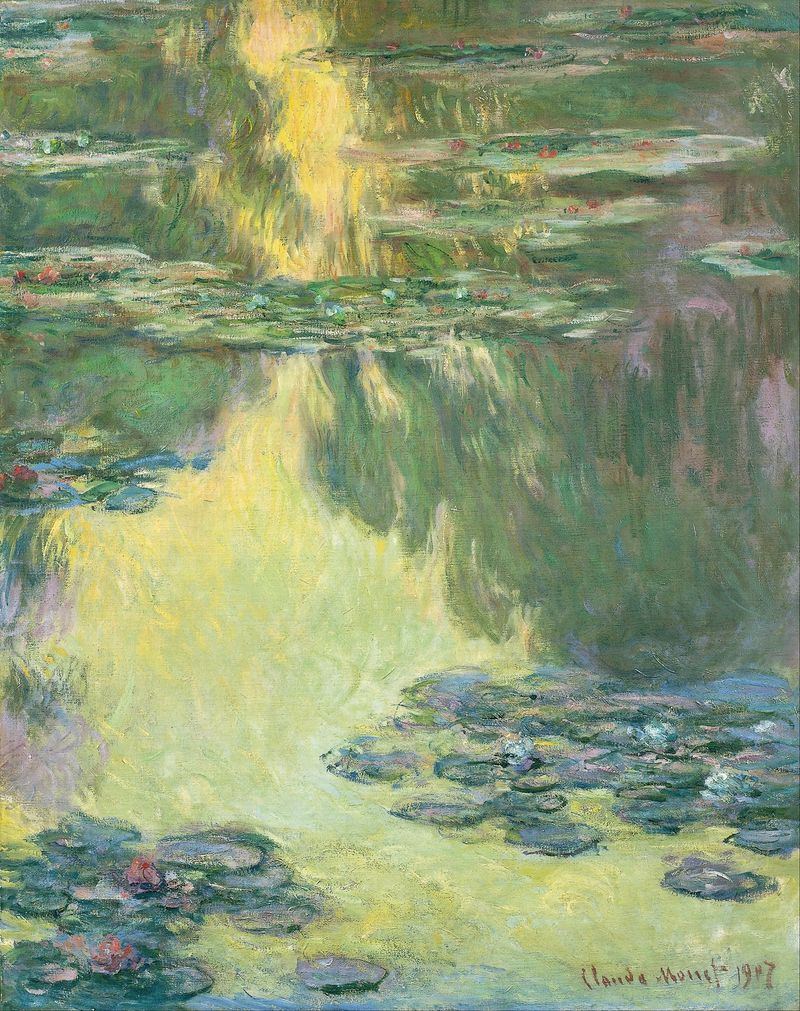
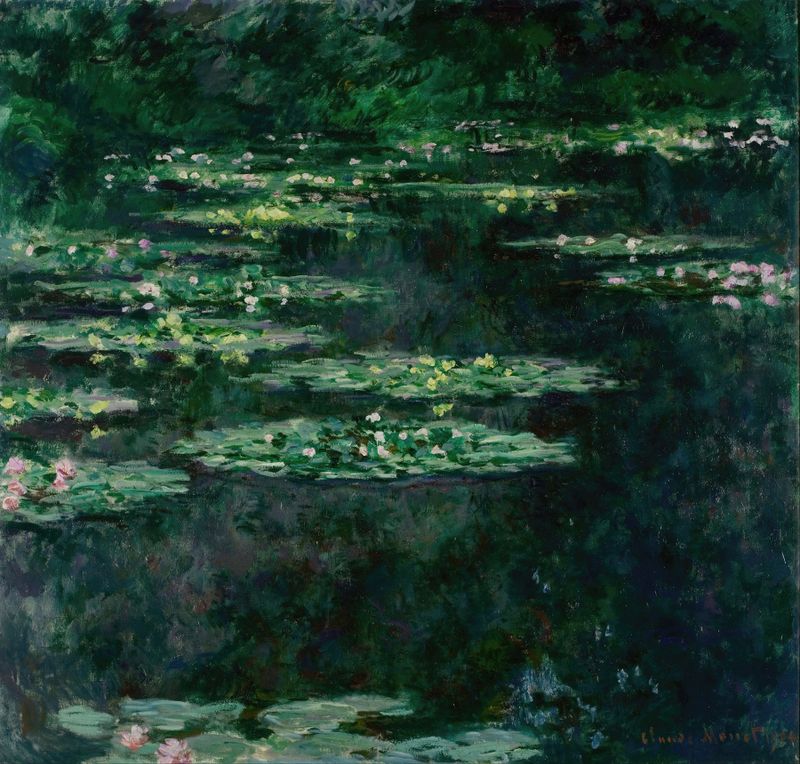
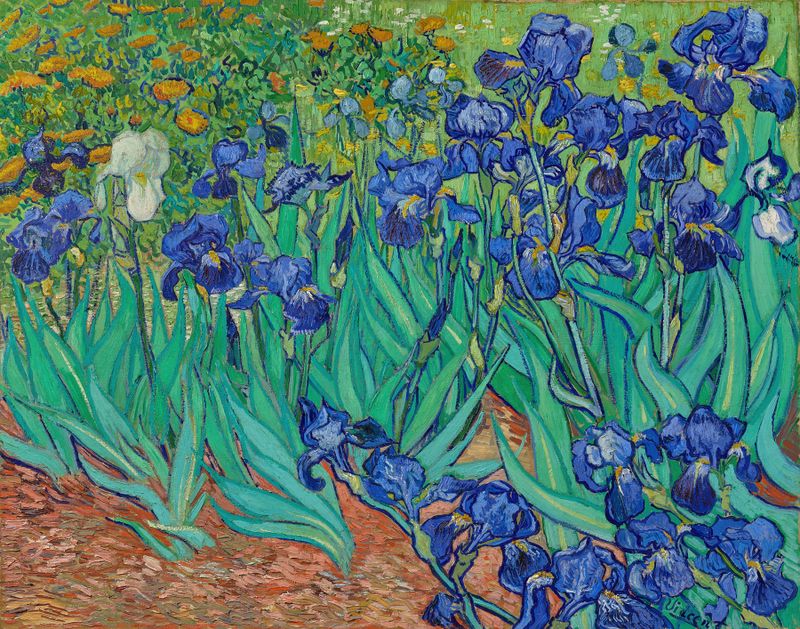
In the dappled light of a sun-drenched garden, vibrant blooms sway gently in a soft breeze, their colors pulsating with life. A figure lingers in the background, hands delicately tending to the verdant foliage, embodying tranquility amidst the riotous vibrancy. The air is infused with the scent of flowers and a sense of hope, as nature unfolds in its serene yet dynamic tableau. Focus first on the luminosity of the blossoms, where shades of crimson, gold, and azure intermingle, drawing the eye into the heart of the composition.
Notice how the interplay of light dances across the petals, highlighting their delicate textures while casting ethereal shadows on the ground. The artist’s use of layered brushstrokes creates depth, inviting exploration into each petal and leaf, as if they hold stories waiting to be uncovered. Hidden within this idyllic scene lies a deeper commentary on the relationship between humanity and nature. The solitary figure represents the diligent caretaker, suggesting a harmony between nurturing and the natural world that thrives independently.
There’s an underlying tension in the contrast between the vibrancy of the garden and the quietude of the figure—perhaps a reflection on inner peace found in an often chaotic existence, evoking a sense of hope and renewal. Armand Point created this work during the height of the Art Nouveau movement, around the early 20th century, as he sought to merge natural forms with artistic expression. Living in France during a time of shifting artistic ideals, he was part of a broader dialogue that celebrated organic beauty and symbolism. This painting exemplifies his exploration of nature's rhythms, aligning with the cultural appreciation for botanical themes that permeated the period.