
Meppershall Chapel — History & Facts
In the quiet corners of creativity, each stroke carries the weight of legacy, whispering tales of time and memory. Look to the left at the intricate details of the chapel's stone facade, where light dances across the textured surfaces, revealing a delicate interplay between shadow and illumination. The muted palette of earthy tones, combined with luminous highlights, draws the eye to the archway, inviting viewers into an intimate reverie. The careful composition balances the robust architecture against the ethereal landscape, merging the manmade with the natural, suggesting harmony even in decay. Amidst the stillness, one can sense the tension between permanence and transience.
The chapel stands resolute, yet it is enveloped by creeping foliage, a reminder that nature persistently claims its space. This coexistence of human endeavor and organic growth reflects the passage of time, hinting at the fragility of legacy. Each element serves as a testament to the stories held within these walls, urging onlookers to contemplate their own connections to history. Frederick Landseer Maur Griggs completed Meppershall Chapel in 1915 during a transformative period in British art, amidst the backdrop of World War I.
Living in England, he was deeply influenced by the changing landscape and sought to capture the essence of his surroundings. This piece reflects his commitment to portraying the enduring beauty of architecture while grappling with the impacts of a world in turmoil.
More Artworks by Frederick Landseer Maur Griggs
Browse all →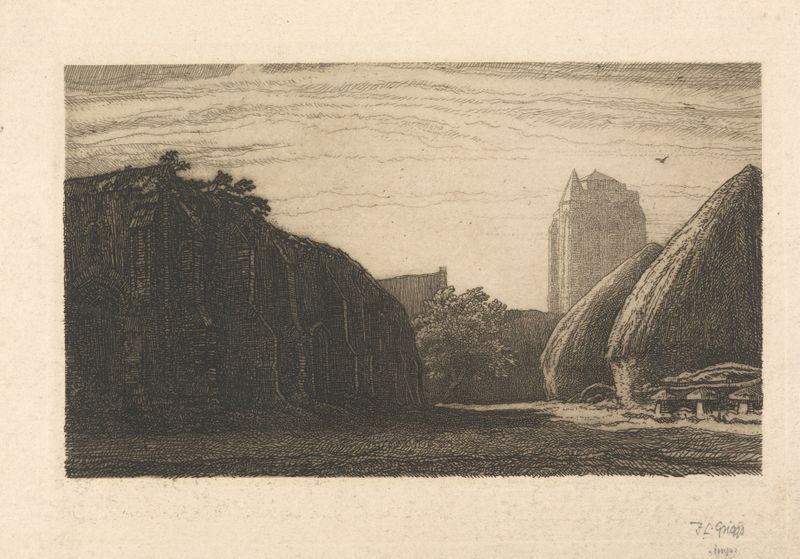
Maur’s Farm
Frederick Landseer Maur Griggs
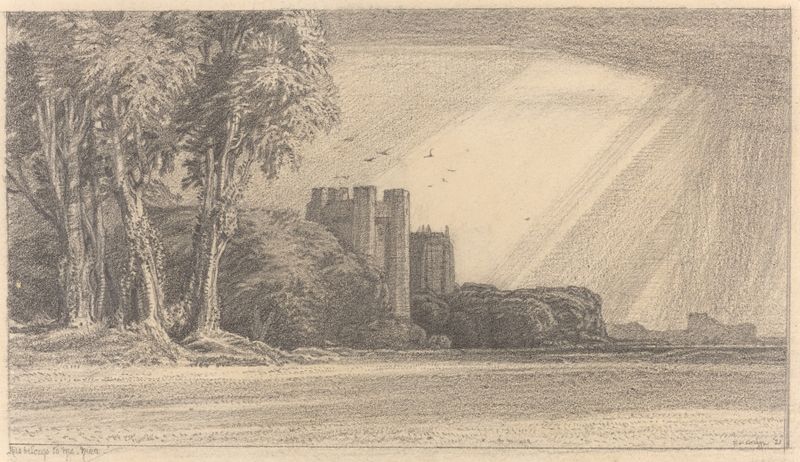
Landscape with Castle
Frederick Landseer Maur Griggs
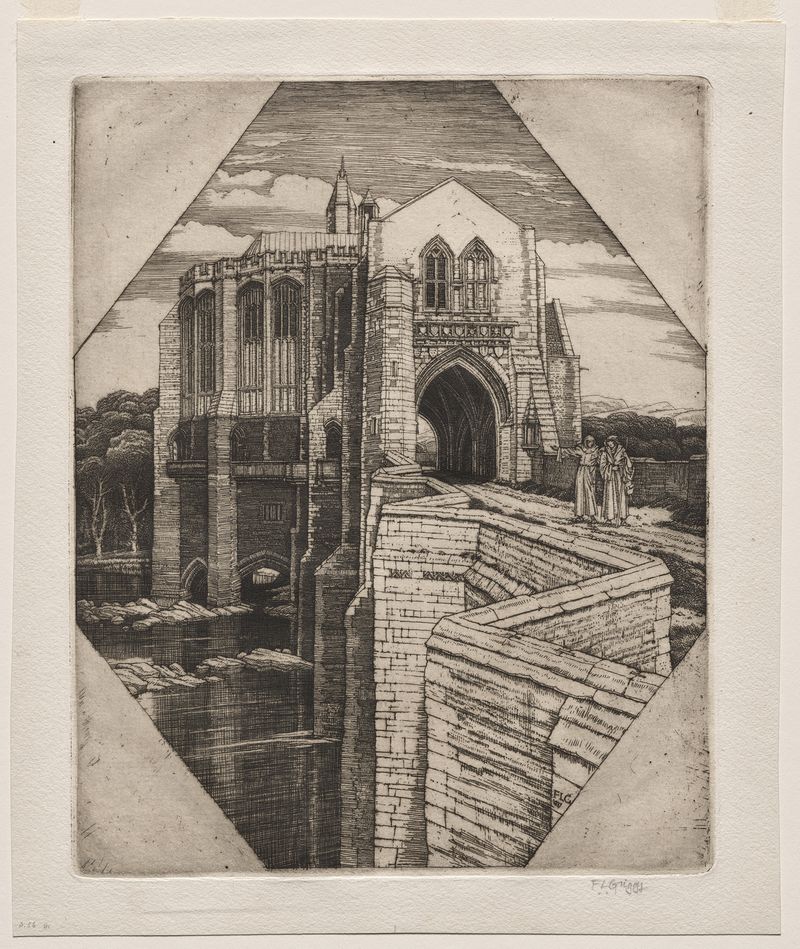
St. Botolph’s Bridge No. 2 1937
Frederick Landseer Maur Griggs
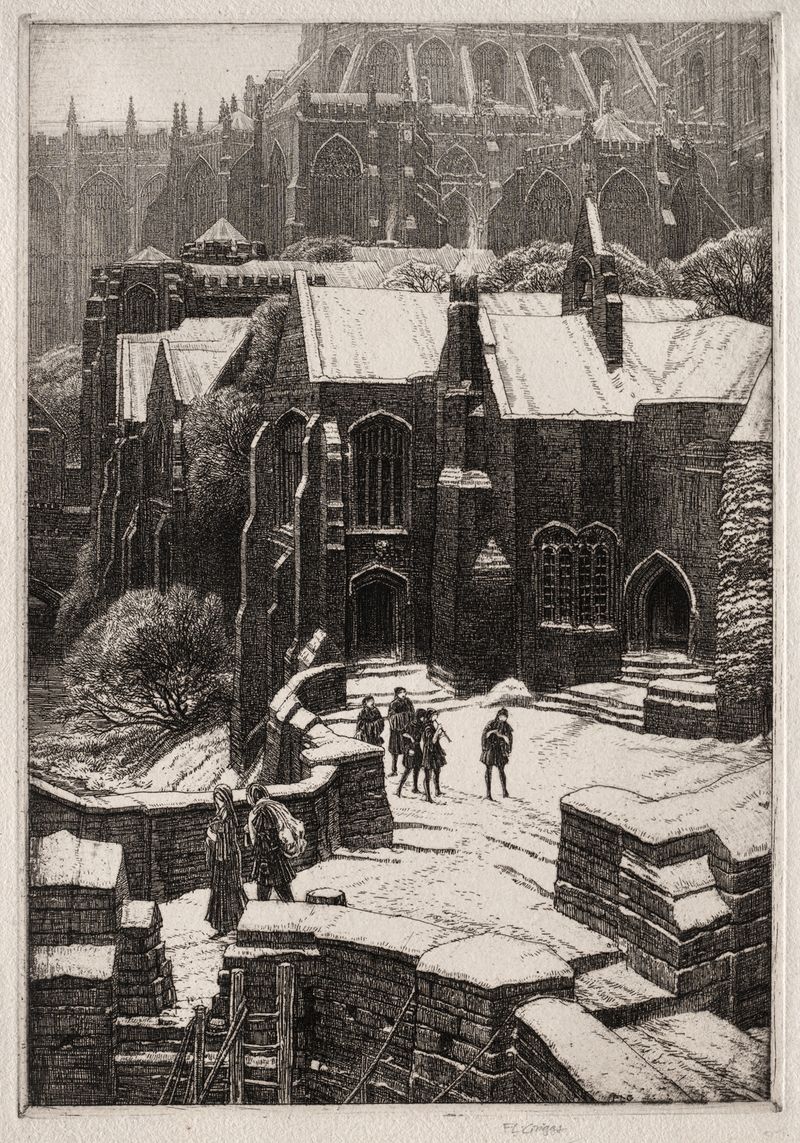
The Almonry
Frederick Landseer Maur Griggs

The Cresset
Frederick Landseer Maur Griggs
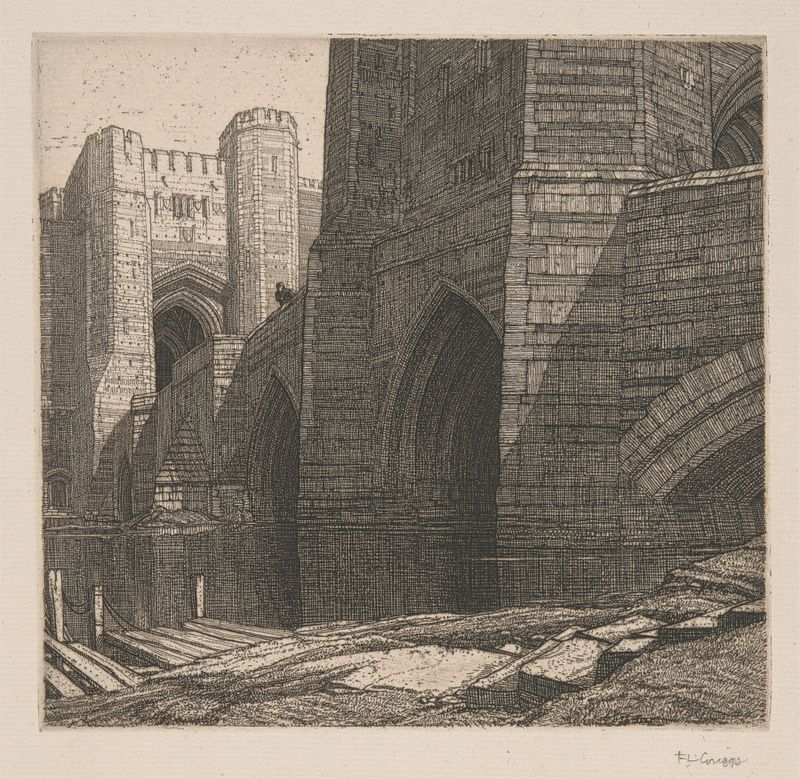
The Barbican
Frederick Landseer Maur Griggs

Maur’s Farm
Frederick Landseer Maur Griggs
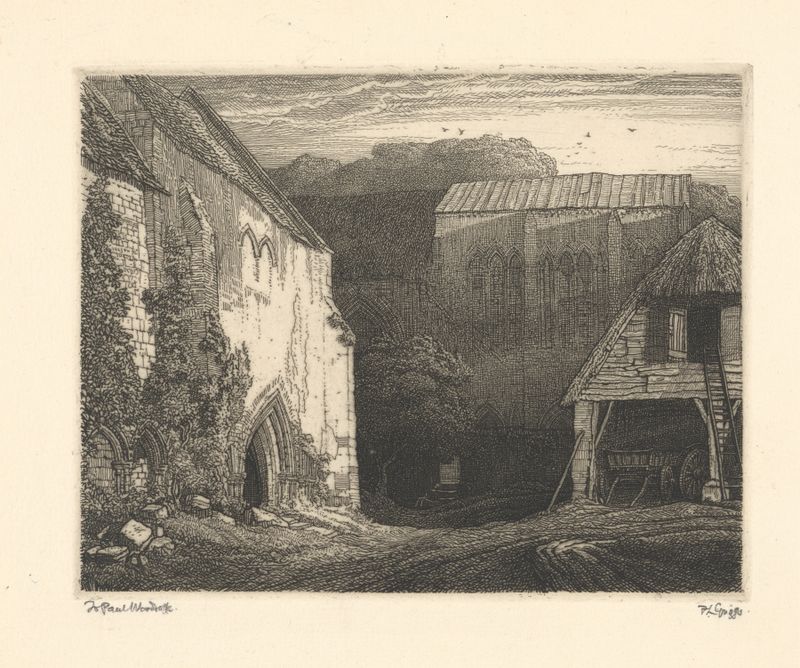
Priory Farm
Frederick Landseer Maur Griggs

St. Wendred’s March
Frederick Landseer Maur Griggs
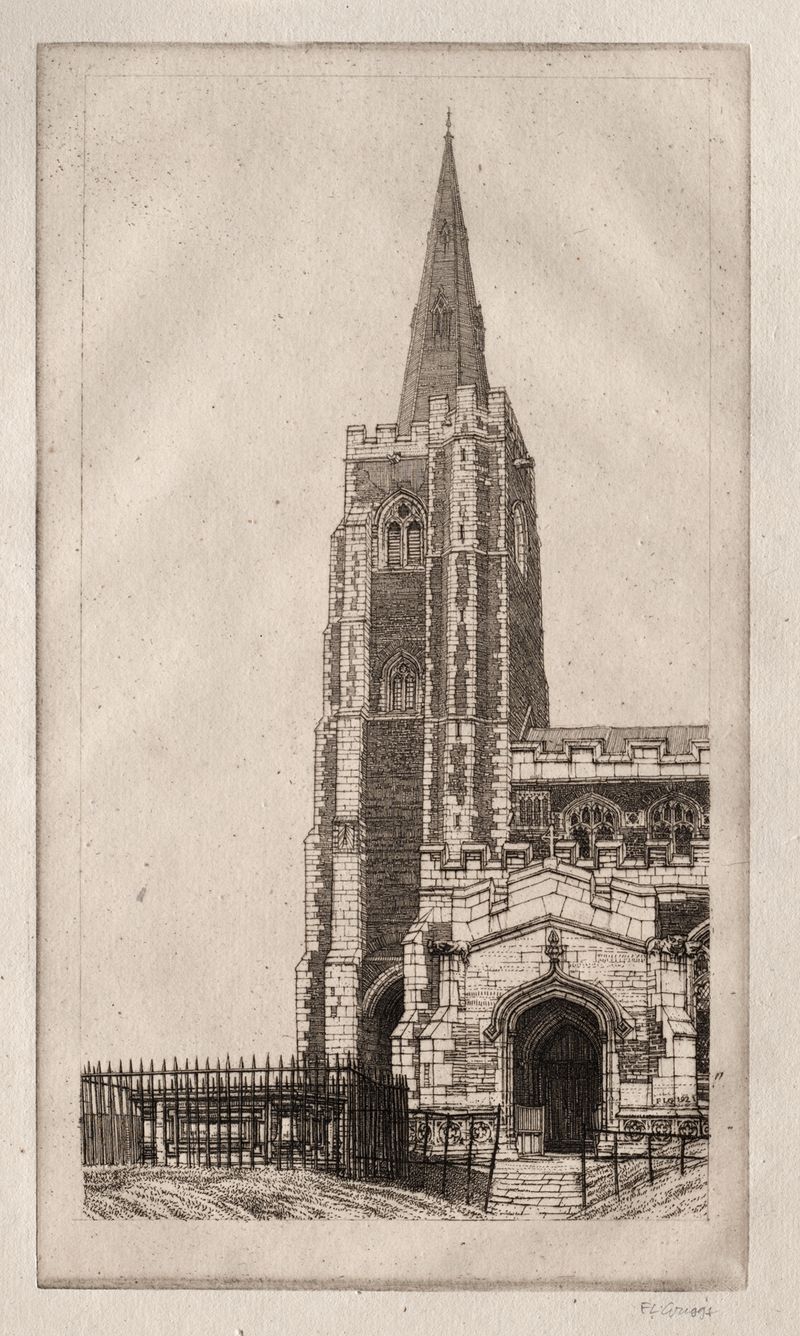
St. Wendred’s, March
Frederick Landseer Maur Griggs
More Architecture Art
Browse all →
The statue of Liberty
Frédéric Auguste Bartholdi

View of Houses in Delft, Known as ‘The Little Street’
Johannes Vermeer

View of Houses in Delft, Known as ‘The Little Street’
Johannes Vermeer

The Cathedral in Rouen. The portal, Grey Weather
Claude Monet

The yellow house
Vincent van Gogh

The Church in Auvers-sur-Oise, View from the Chevet
Vincent van Gogh