Mercurius met sterrenbeelden Maagd en Tweelingen — History & Facts
Beneath the serene surface of Mercurius met sterrenbeelden Maagd en Tweelingen, an intricate dance of celestial symbolism reveals deeper layers of human emotion. The painting invites viewers to ponder the duality of existence, where tranquility can mask the struggles within. Look to the center at the figure of Mercury, his delicate features illuminated by a celestial glow, drawing the eye with the graceful curves of his body. Notice how the gold leaf accentuates the stars above him, each shimmering point creating a celestial backdrop that contrasts with the muted tones of the earthly figures.
The composition is meticulously balanced, guiding the viewer's gaze from the heavens down to the gentle embrace of the figures representing Virgo and Gemini on either side, their postures exuding a calm yet enigmatic presence. Within this harmonious scene lies a tension between the ethereal and the material. The juxtaposition of Mercury, the messenger of the gods, with the earthly representations of the zodiac suggests the constant interplay of fate and free will. The serene faces of the celestial beings may harbor untold stories, while their flowing garments hint at the fleeting nature of beauty — both a celebration and a reminder of life's impermanence. In 1539, when this piece was created, Hans Sebald Beham was immersed in the vibrant artistic circles of Nuremberg, a city alive with Renaissance ideas and innovations.
This period was marked by a growing interest in the natural world and human emotion, reflecting the artist's search for harmony between the celestial and the terrestrial. Beham's work often intertwined myth with the human experience, making Mercurius met sterrenbeelden Maagd en Tweelingen a testament to the era's exploration of both beauty and the complexity of life.
More Artworks by Hans Sebald Beham
Browse all →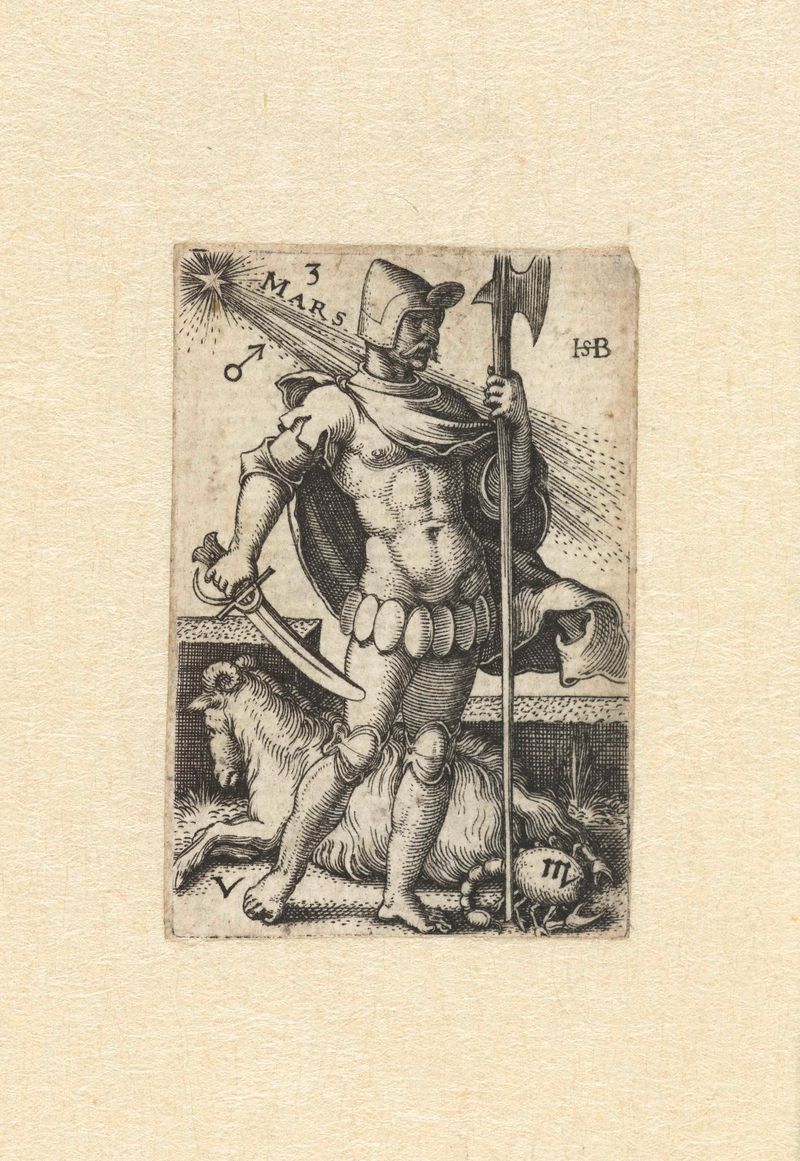
Mars met sterrenbeelden Ram en Schorpioen
Hans Sebald Beham

Achilles in gevecht met Hector
Hans Sebald Beham
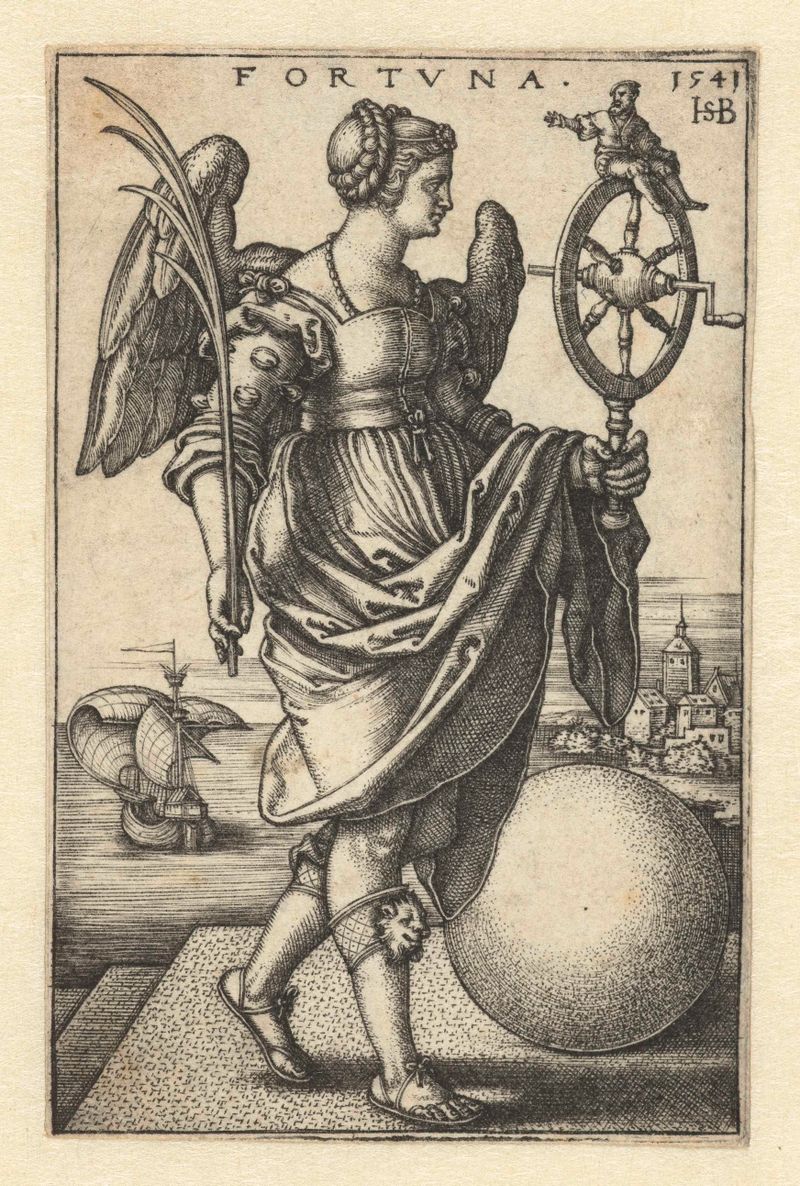
Fortuna
Hans Sebald Beham

Hercules worstelt met Antaeus
Hans Sebald Beham

Twee muzikanten met schalmey en doedelzak
Hans Sebald Beham

Voorzichtigheid (Prudentia)
Hans Sebald Beham

Hercules in gevecht met de Trojanen
Hans Sebald Beham
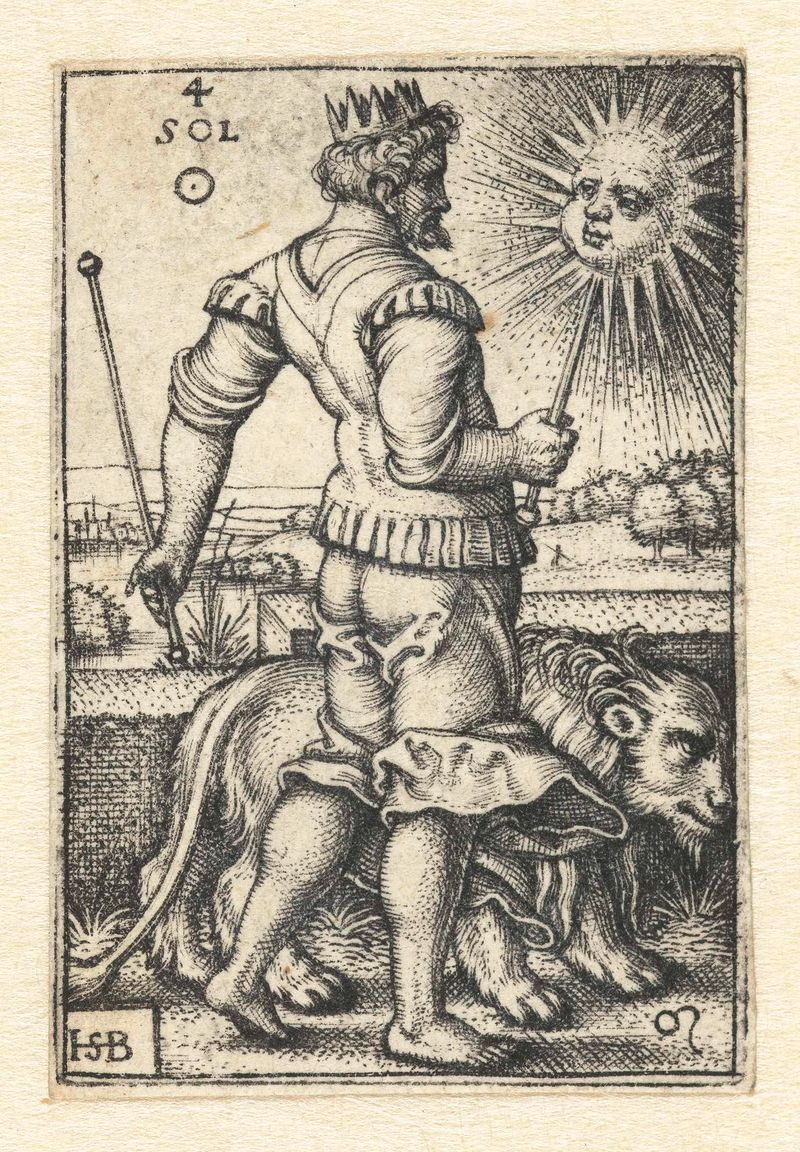
Apollo (Sol) met sterrenbeeld Leeuw
Hans Sebald Beham
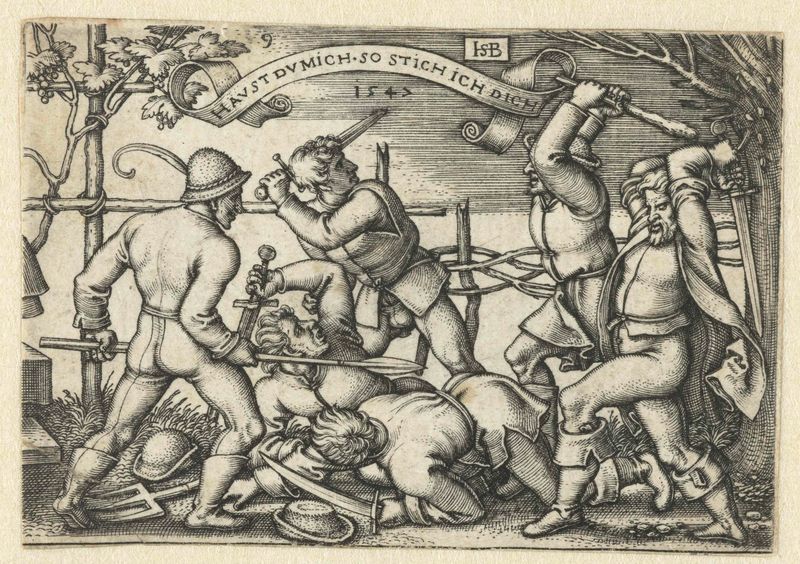
Vechtende boeren met zwaarden
Hans Sebald Beham
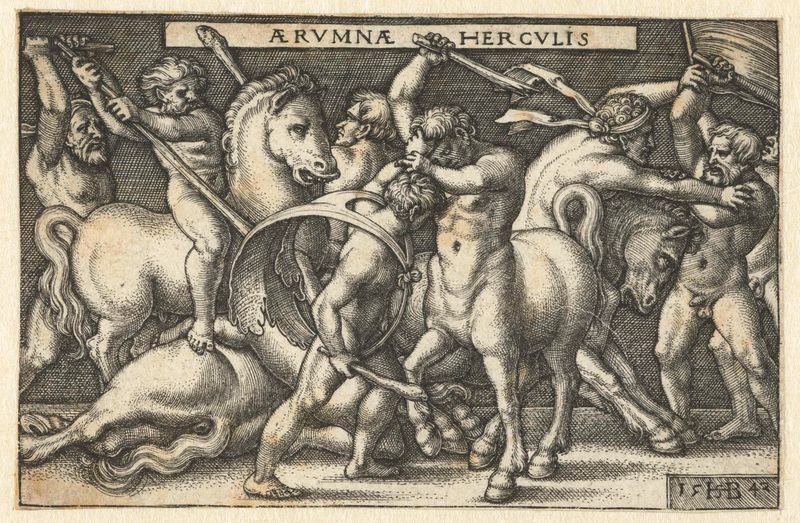
Hercules in gevecht met centaurs
Hans Sebald Beham