
Meuse and Sambre, from the Gate of the Sambre — History & Facts
In the stillness of Meuse and Sambre, from the Gate of the Sambre, a sense of revelation unfurls, inviting viewers to meditate on the quiet power of landscape. Here, nature becomes a mirror of the human experience, a whisper of what lies beneath the surface of our daily lives. To grasp the essence of this work, look to the horizon, where the two rivers converge. Notice how the delicate interplay of greens and blues creates a serene atmosphere, inviting you to pause and breathe.
The careful brushwork captures the gentle ripples of water, while soft clouds float overhead, casting a tranquil light over the scene. Focus on the foreground, where the grasses sway slightly; they ground the painting in nature's rhythm and beckon the viewer to linger. Yet beneath the calm exterior lies an emotional tension. The merging rivers symbolize the interconnectedness of human journeys and the passage of time, while the distant hills stand as steadfast witnesses to the changes of life.
Shadows play across the landscape, hinting at the unseen struggles and triumphs that shape our existence. Each brushstroke is a testament to the artist's understanding of how beauty can harbor deeper truths, inviting us to explore our own revelations. In 1822, when this piece was created, George Arnald was immersed in the Romantic movement, which sought to elevate nature as a subject of profound introspection. Residing in England, he was navigating the intersections of beauty, emotion, and the tumultuous world around him, including the burgeoning changes wrought by industrialization.
This painting reflects a definitive moment in his career, marking a deepening relationship with the landscape as a canvas for both tranquility and complexity.
More Artworks by George Arnald
Browse all →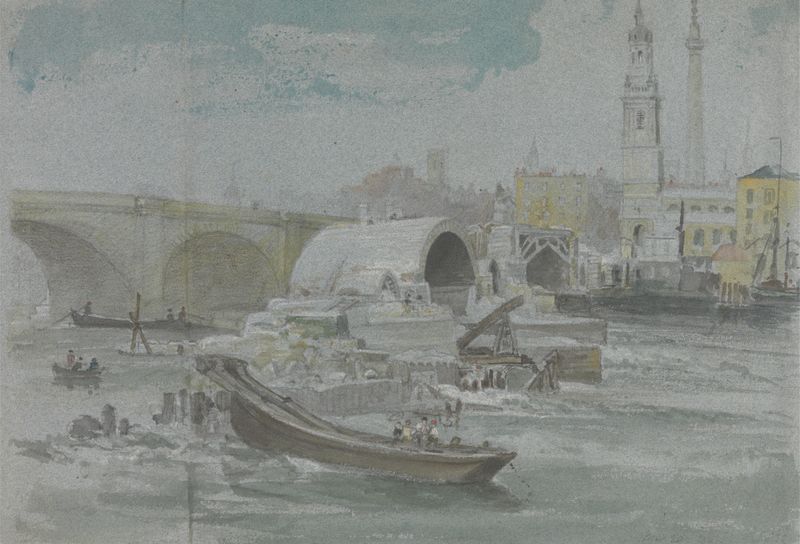
The Demolition of Old London Bridge
George Arnald
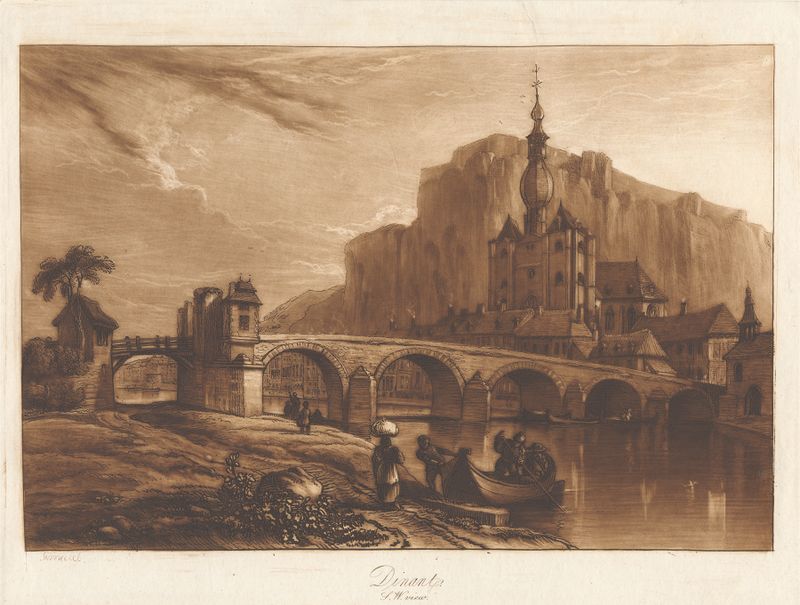
Dinant, No. 1: Southwest View
George Arnald
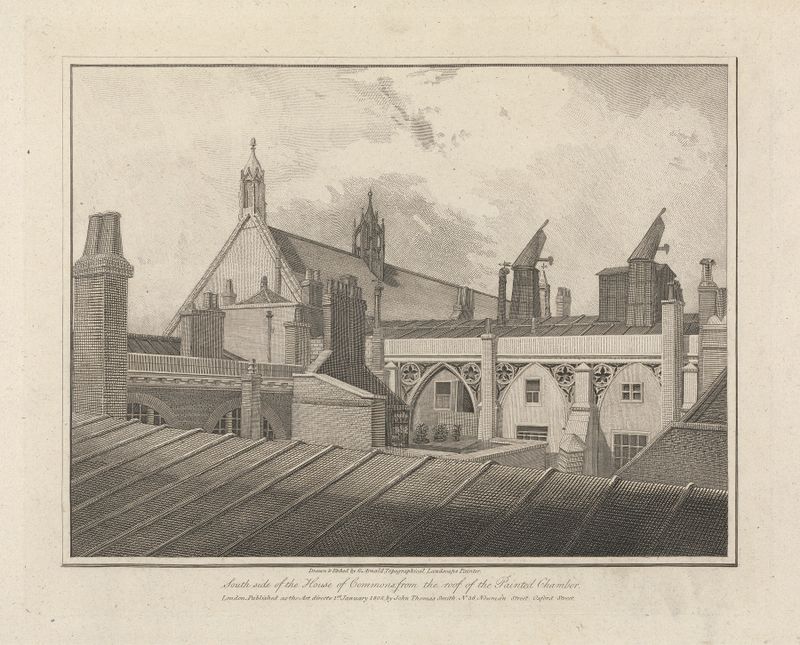
South Side of the House of Commons, from the Roof of the Painted Chamber
George Arnald
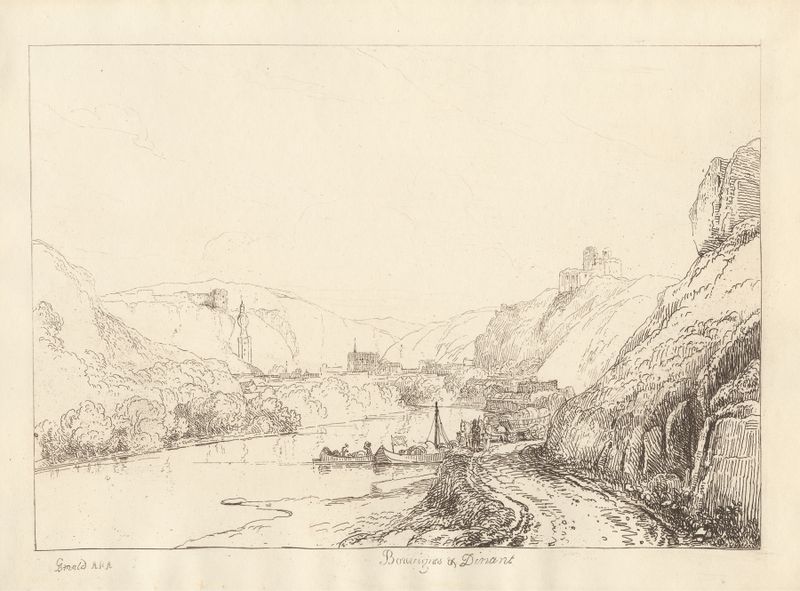
Bouvignes and Dinant
George Arnald
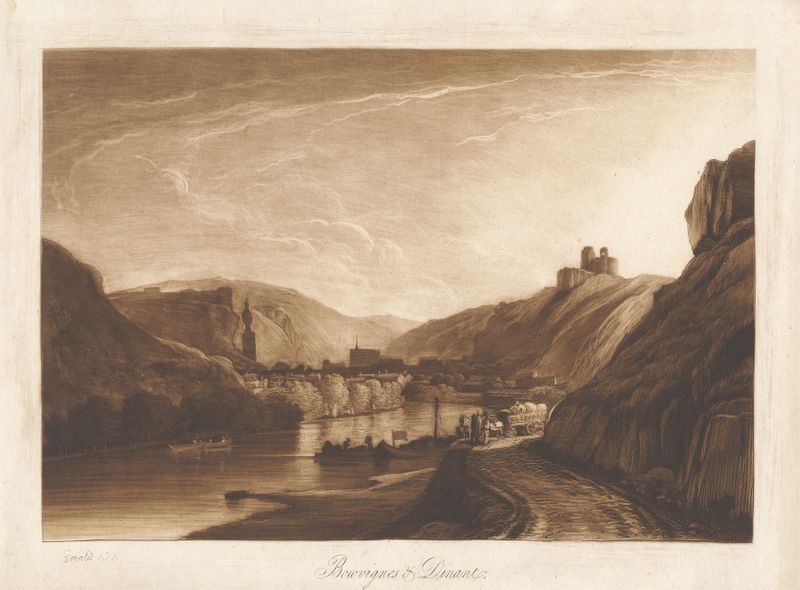
Bouvignes and Dinant
George Arnald

Dinant, No. 1: Southwest View
George Arnald
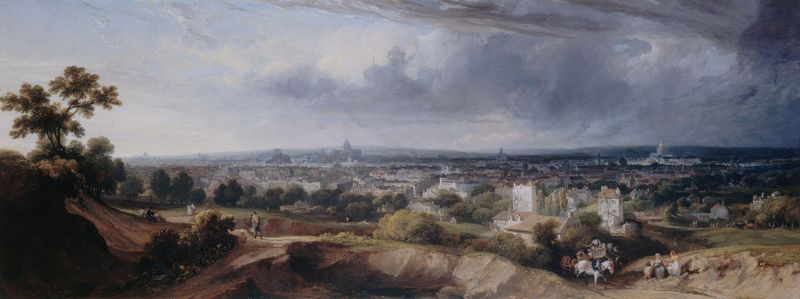
Paris, vu des hauteurs de Montmartre
George Arnald
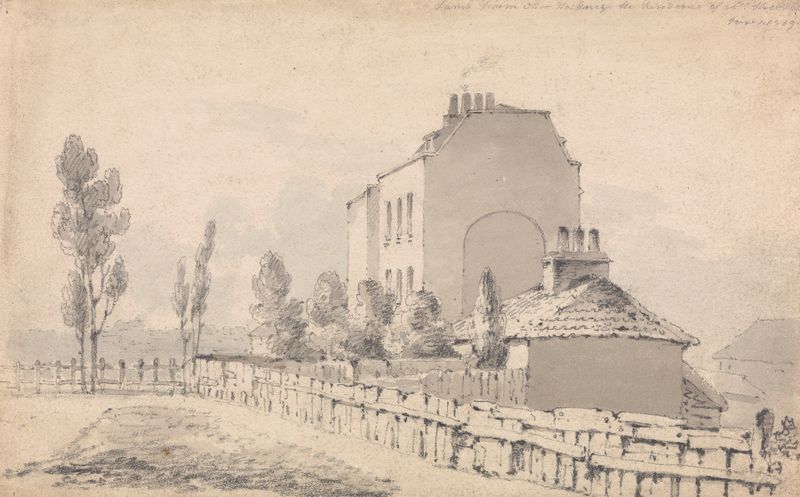
Lamb Farm near Hackney, the Residence of Hick: Richmond Road
George Arnald

Left Bank, Meuse
George Arnald
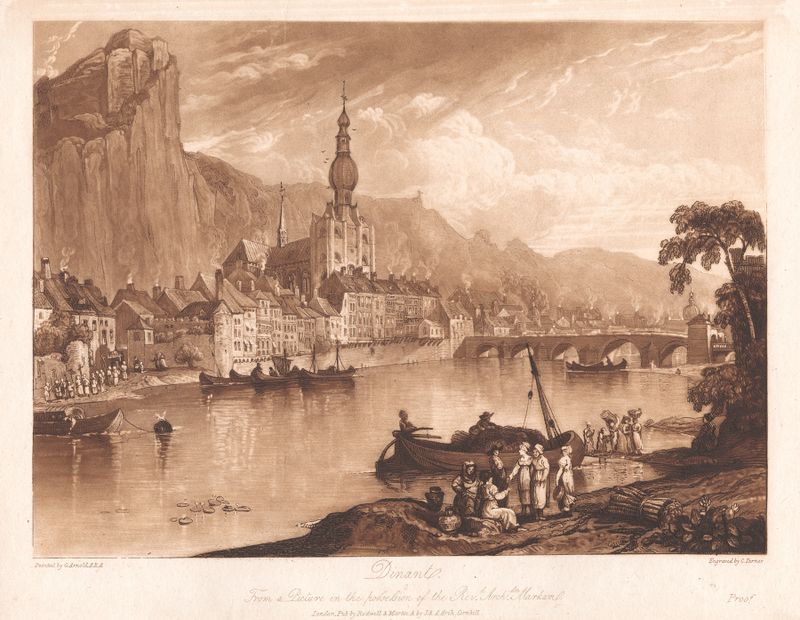
Dinant
George Arnald





