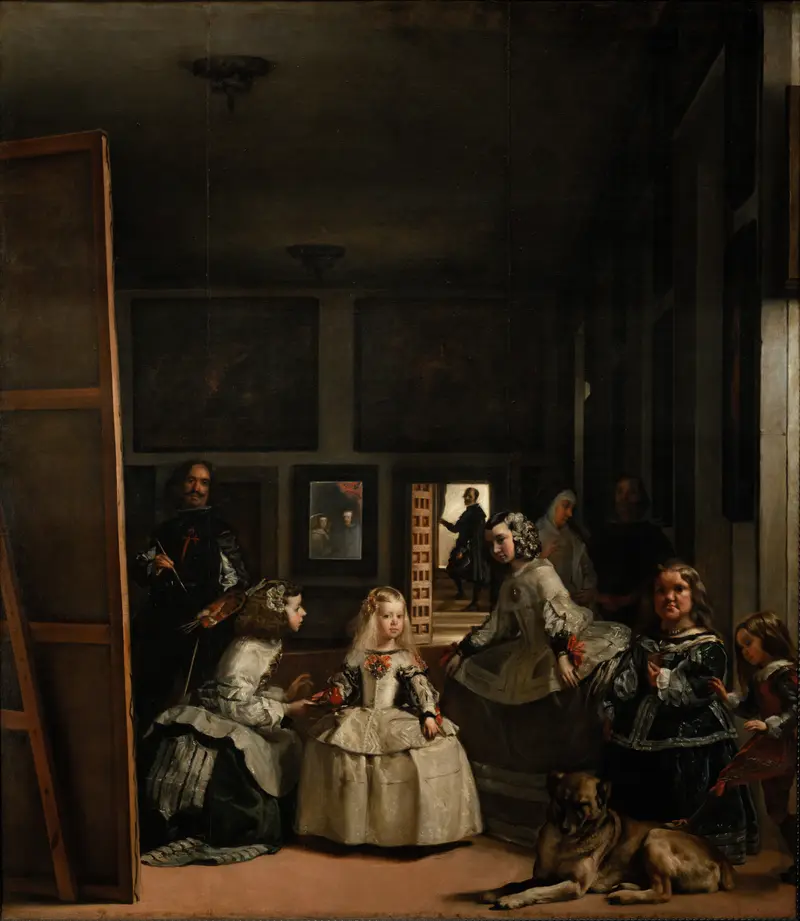
Mignon — History & Facts
In Mignon, William Bouguereau presents a young girl with delicate features and a soft expression. The painting is characterized by its warm color palette, featuring soft pinks, creams, and gentle greens. The girl is dressed in a simple yet elegant outfit, which enhances her innocence and charm.
The background is softly blurred, drawing attention to her face and creating a serene atmosphere. Bouguereau's technique is evident in the meticulous detail of the girl's skin and hair, showcasing his mastery of realism. The use of light and shadow adds depth to her features, making them appear lifelike. The brushwork is smooth, allowing for a seamless transition between colors, which is a hallmark of Bouguereau's style.
This painting exemplifies the academic approach of the 19th century, focusing on beauty and technical precision. William Bouguereau was known for his ability to capture the human form with incredible realism. Mignon reflects his fascination with childhood and innocence, themes prevalent in many of his works. Interestingly, this painting was created during a time when Bouguereau was at the height of his career, solidifying his reputation as one of the leading academic painters of his time.
Today, Mignon is celebrated for its beauty and technical skill, making it a notable piece in the realm of portraiture.
More Artworks by William Bouguereau

A Study For The Secret
William Bouguereau
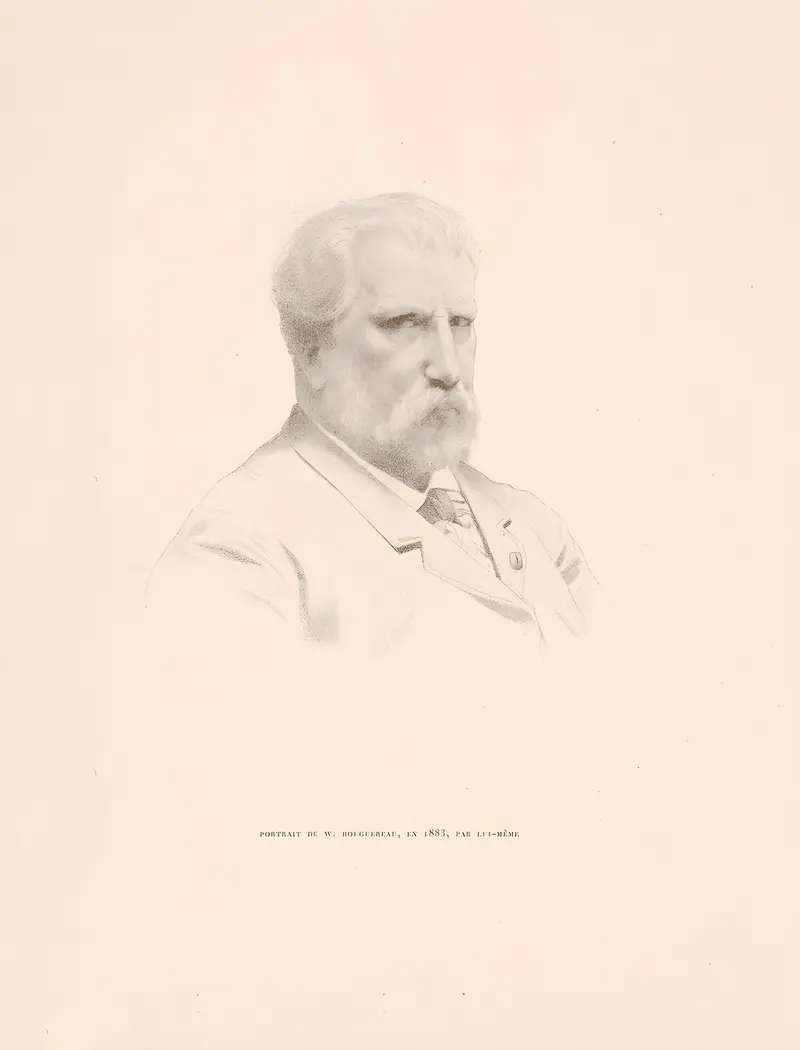
Portrait de W. Bouguereau, en l899
William Bouguereau
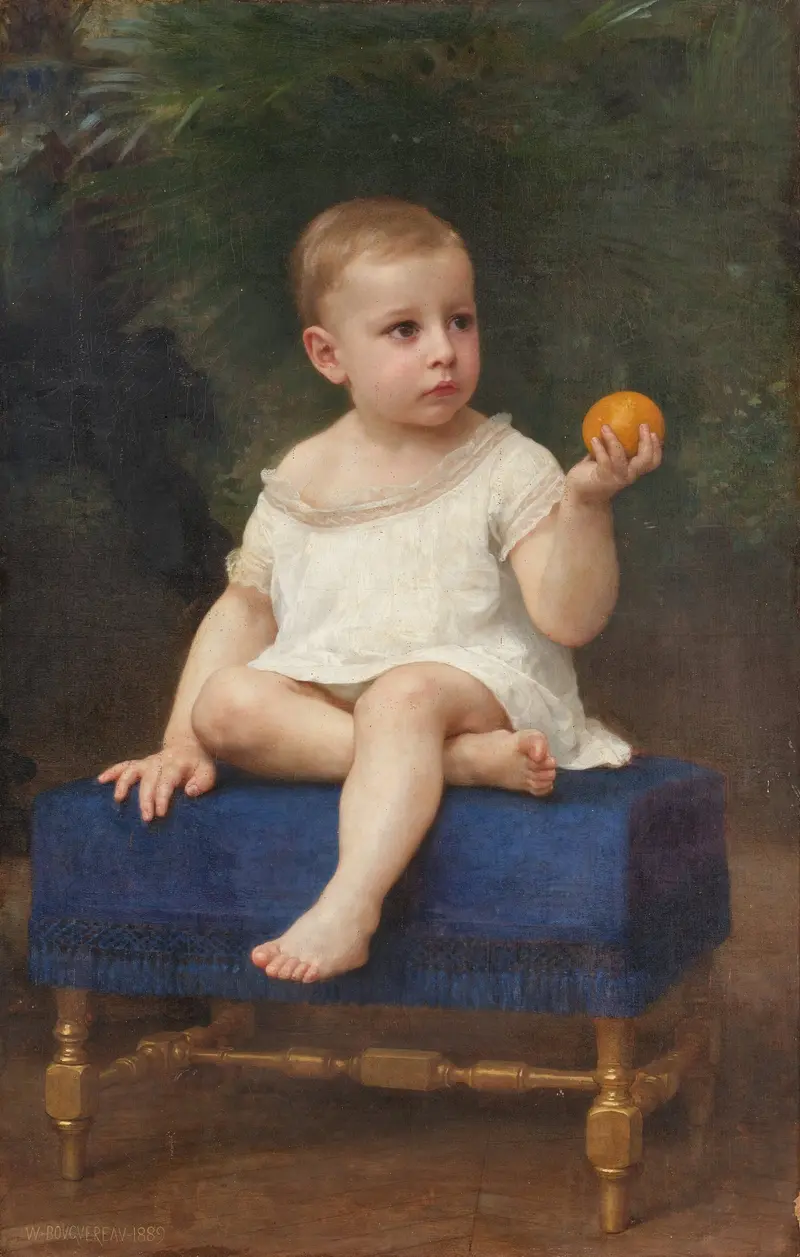
Portrait of a Child of Madame Porter
William Bouguereau
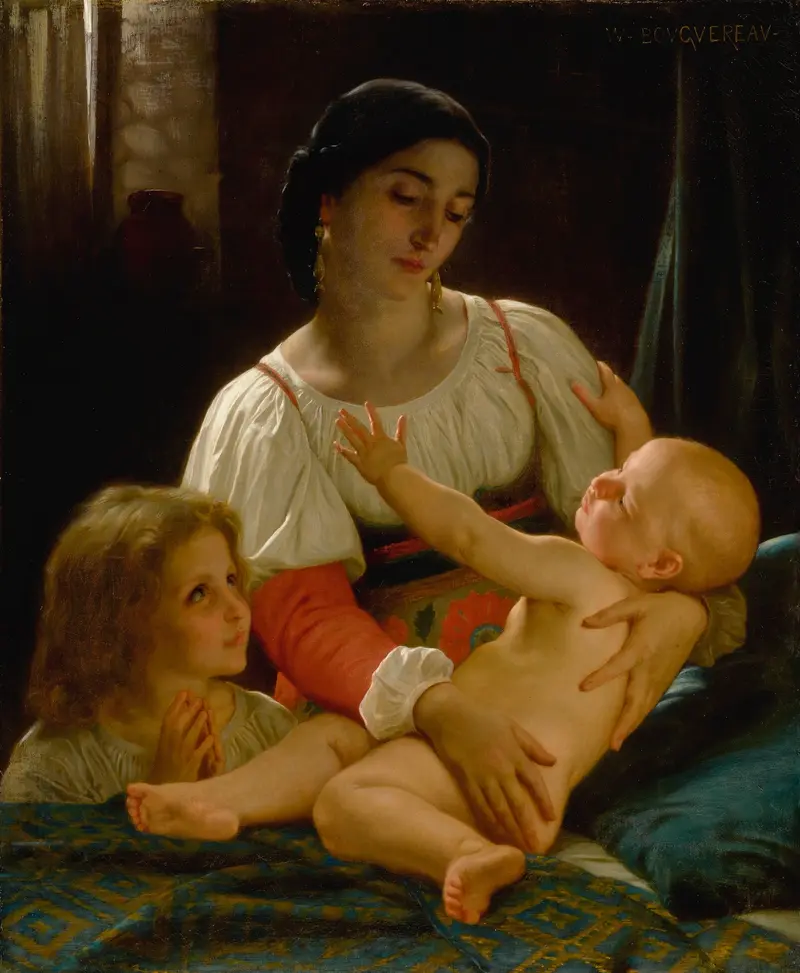
Le Réveil
William Bouguereau
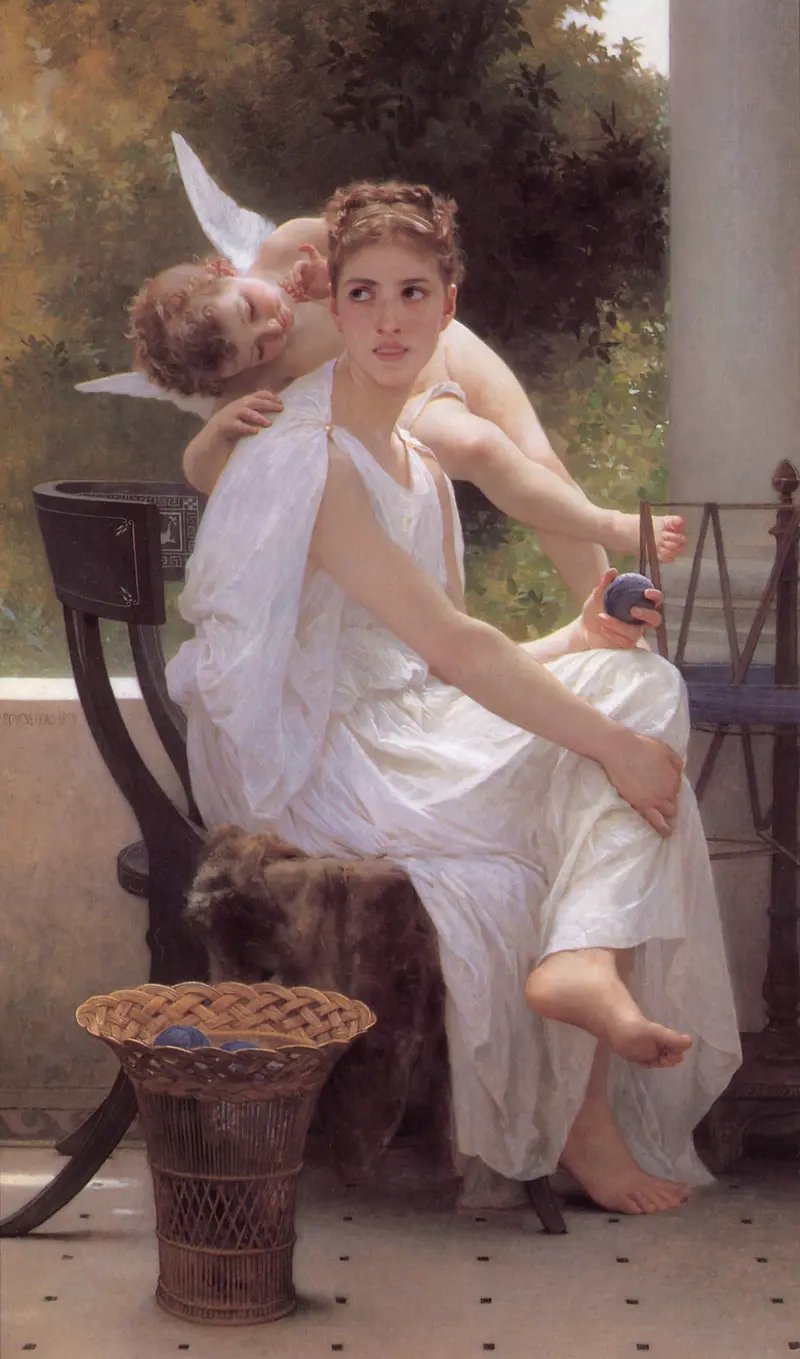
Le travail interrompu
William Bouguereau
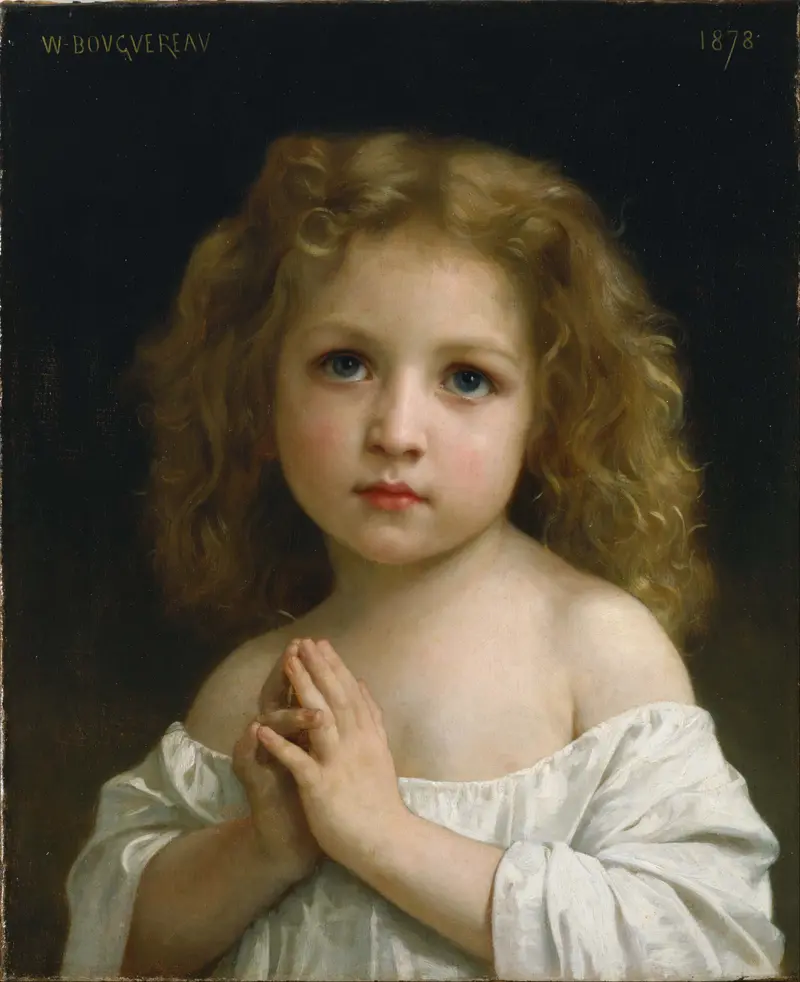
Little Girl
William Bouguereau
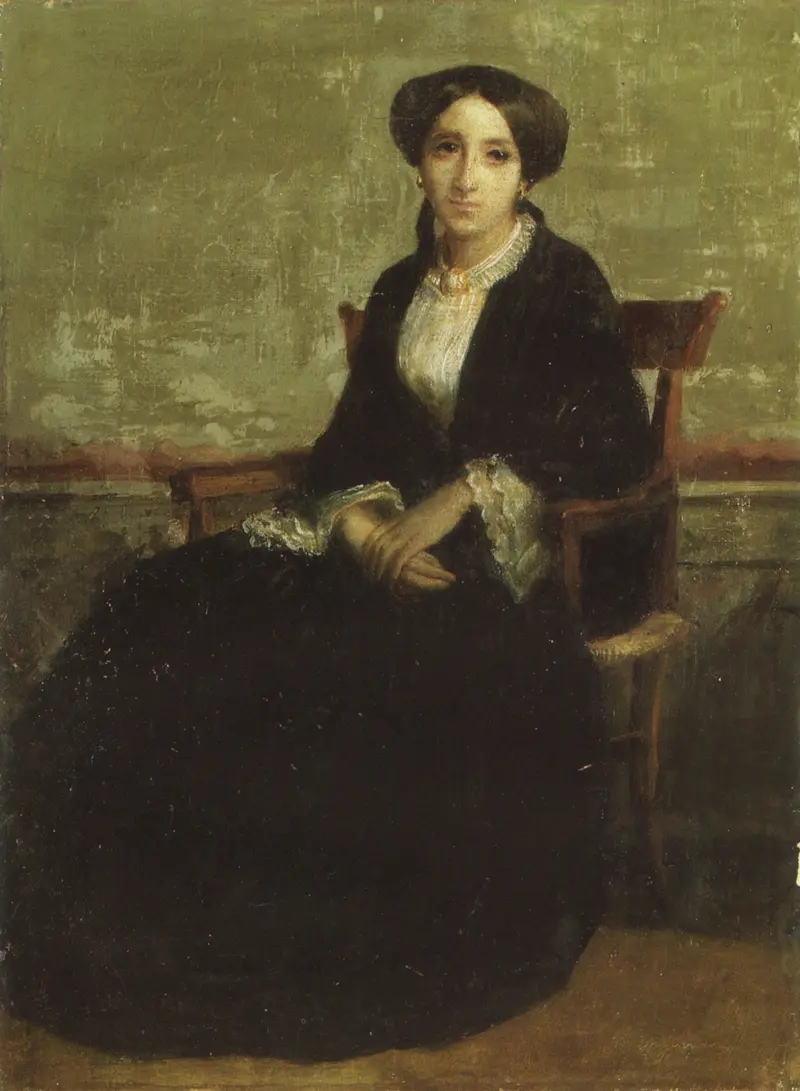
Portrait of Céline Geneviève
William Bouguereau

Bohémienne Au Tambour De Basque
William Bouguereau
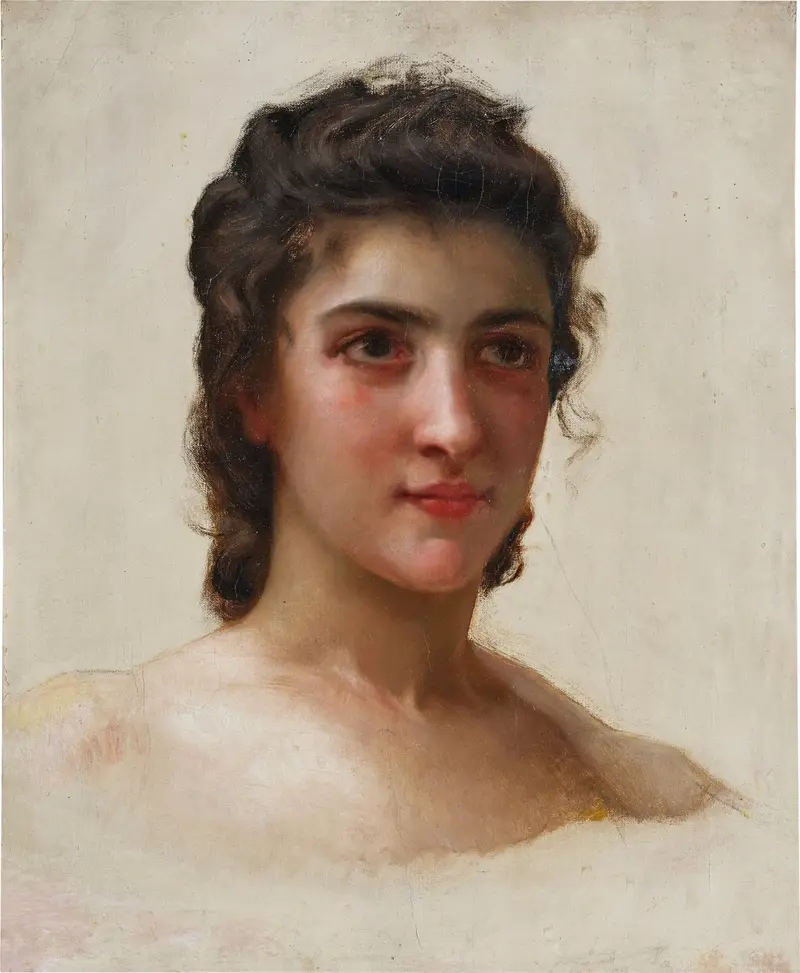
Portrait Study of Gabrielle Drunzer
William Bouguereau
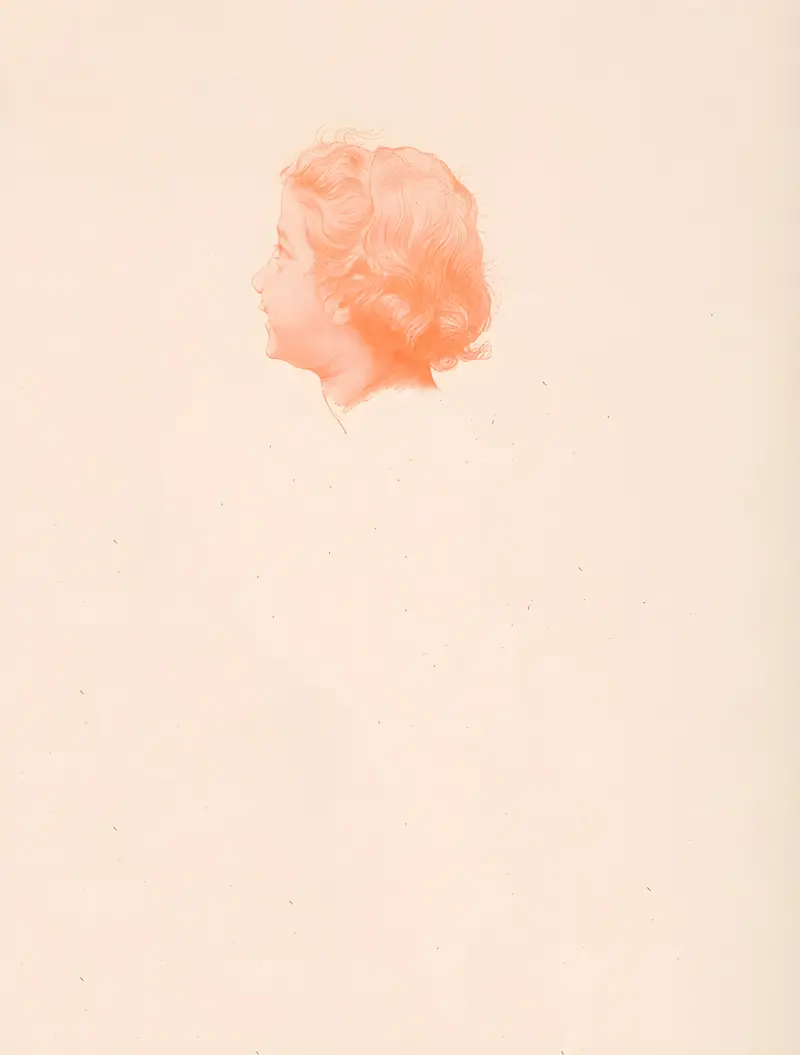
Tête d’enfant
William Bouguereau