Discover insights about this artwork
Milk Can and Apples — History & Facts
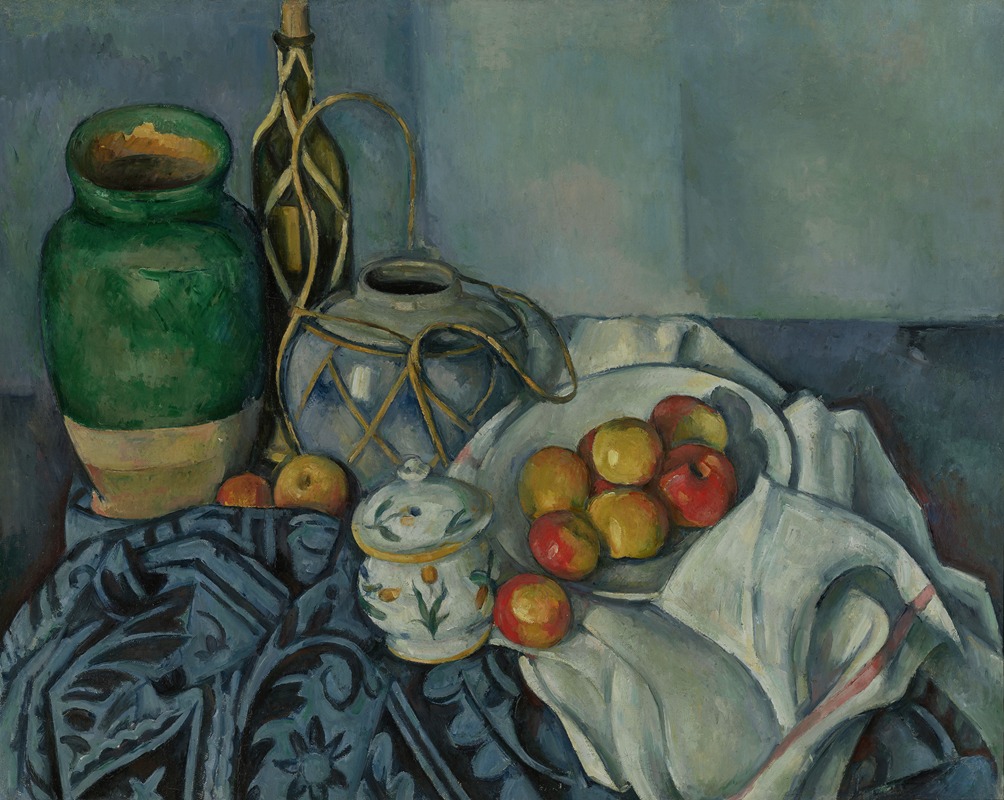
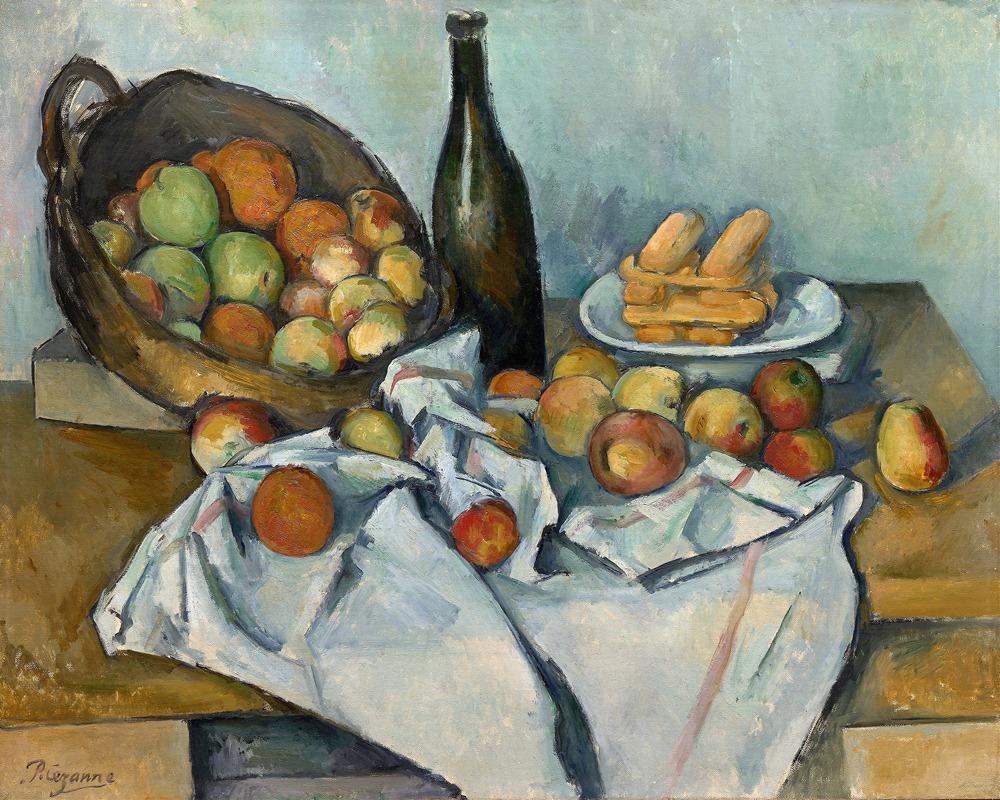
In Milk Can and Apples, Paul Cézanne presents a still life featuring a milk can and a cluster of apples. The colors are rich and vibrant, with deep reds and greens dominating the composition. The setting is simple yet effective, drawing attention to the objects themselves.
The brushstrokes are visible, adding texture and depth to the scene. The painting is executed in oil on canvas, a medium that allows for the layering of colors and the creation of depth. Cézanne's technique involves short, deliberate brushstrokes that build up the forms of the objects. The dimensions of the painting are approximately 60 x 80 cm, making it a medium-sized work.
The use of light and shadow is carefully managed, enhancing the three-dimensionality of the apples and the milk can. Paul Cézanne is often regarded as a bridge between Impressionism and the emerging modern art movements. This particular work, created in the 1890s, showcases his interest in simplifying forms and exploring the relationship between objects. An interesting fact about this painting is that it reflects Cézanne's belief in the importance of structure in art, as he sought to depict the underlying geometry of the still life.
His innovative approach has influenced countless artists in the years since.
More Artworks by Paul Cézanne
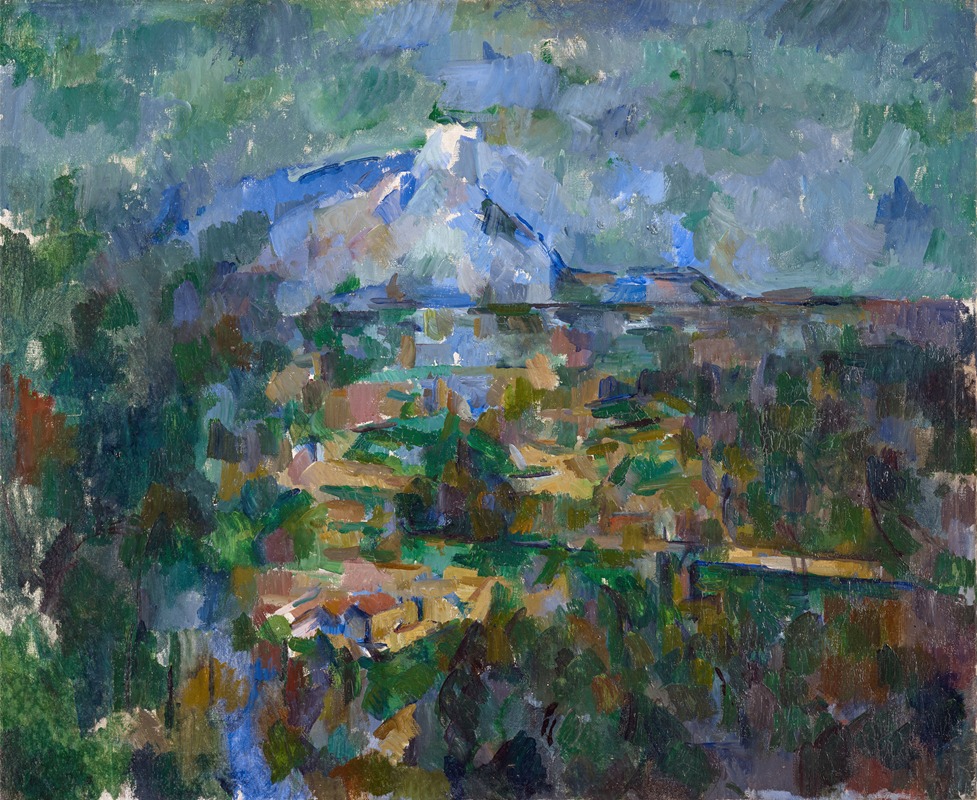
The Mont Sainte-Victoire Seen From Les Lauves
Paul Cézanne
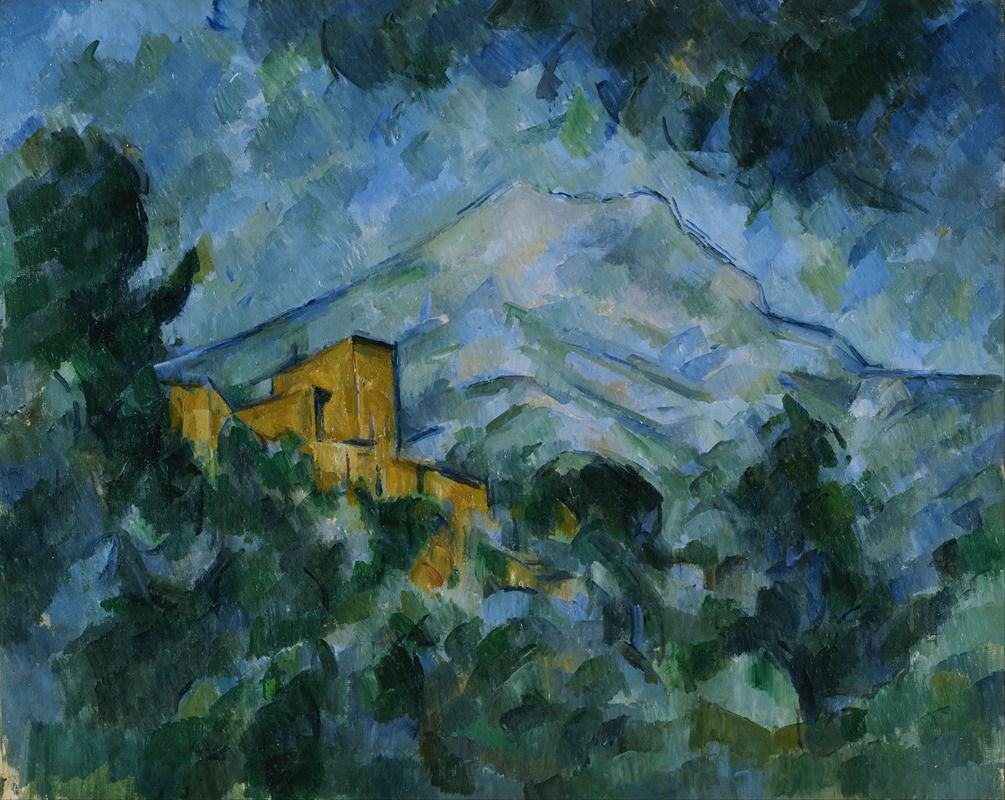
Mont Sainte-Victoire and Château Noir
Paul Cézanne
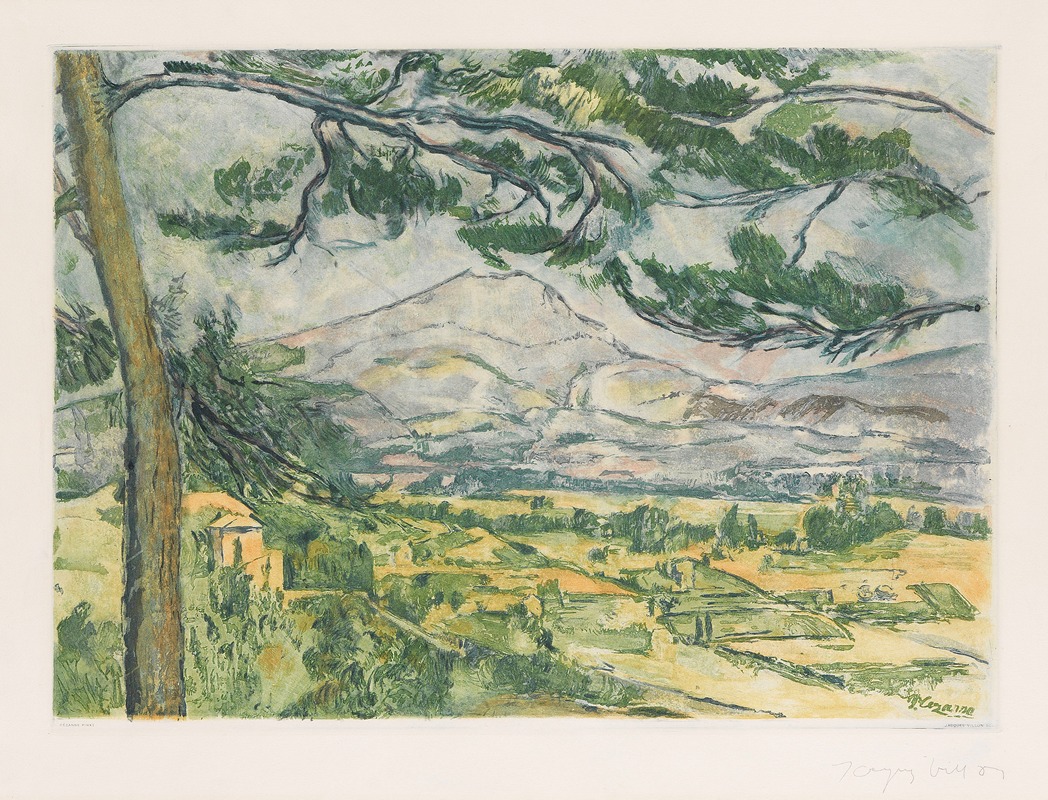
La Montagne Sainte-Victoire
Paul Cézanne
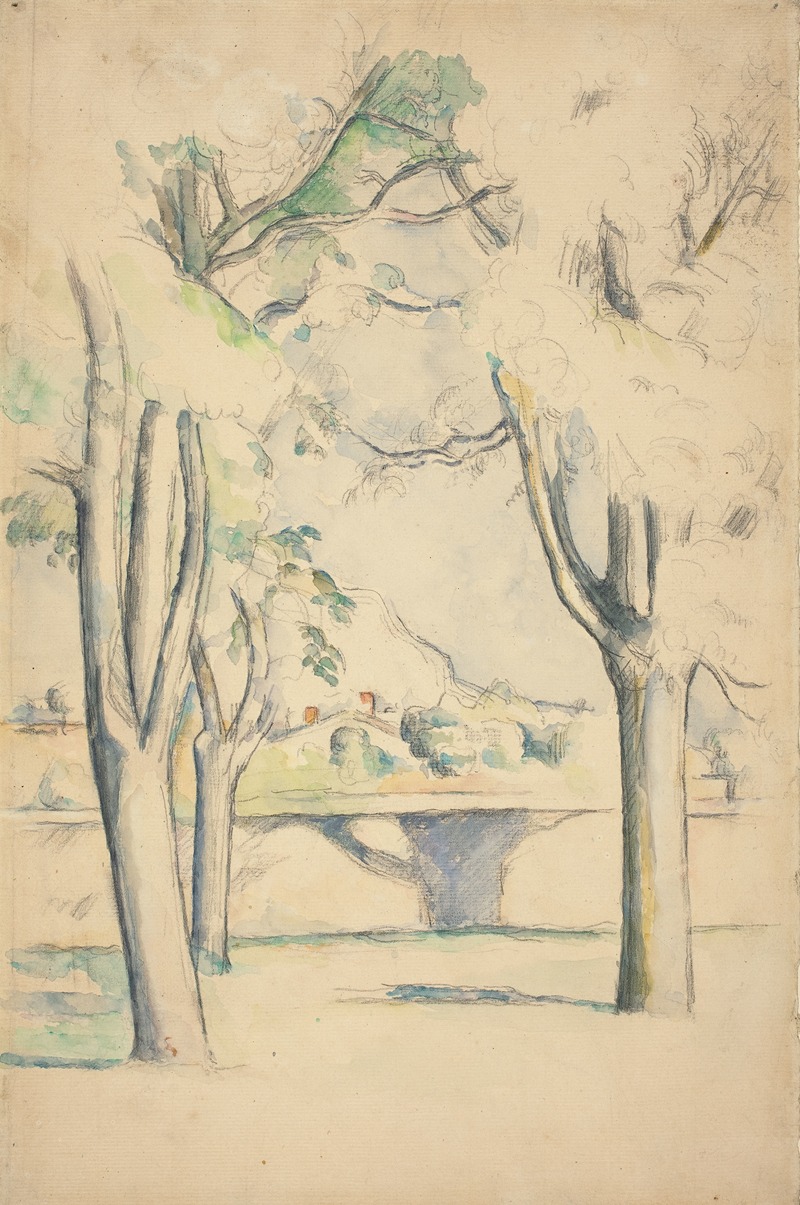
Mont Sainte-Victoire Seen beyond the Wall of the Jas de Bouffan
Paul Cézanne
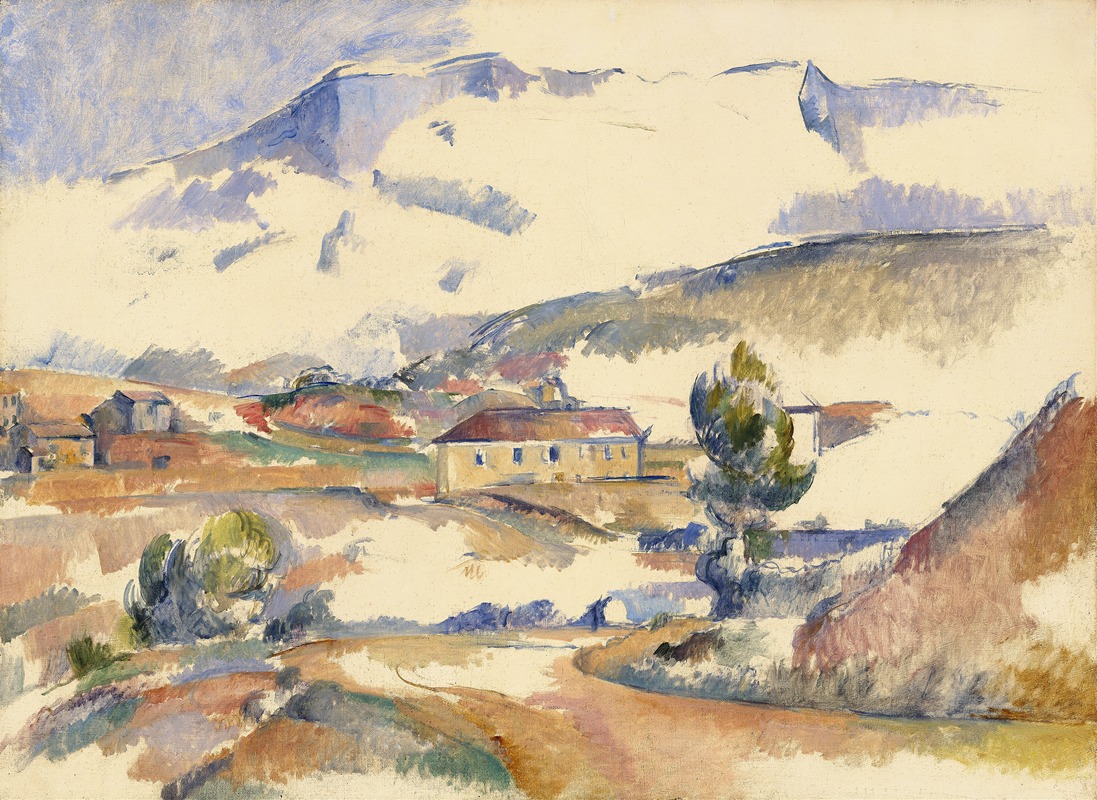
Montagne Sainte-Victoire,from near Gardanne
Paul Cézanne
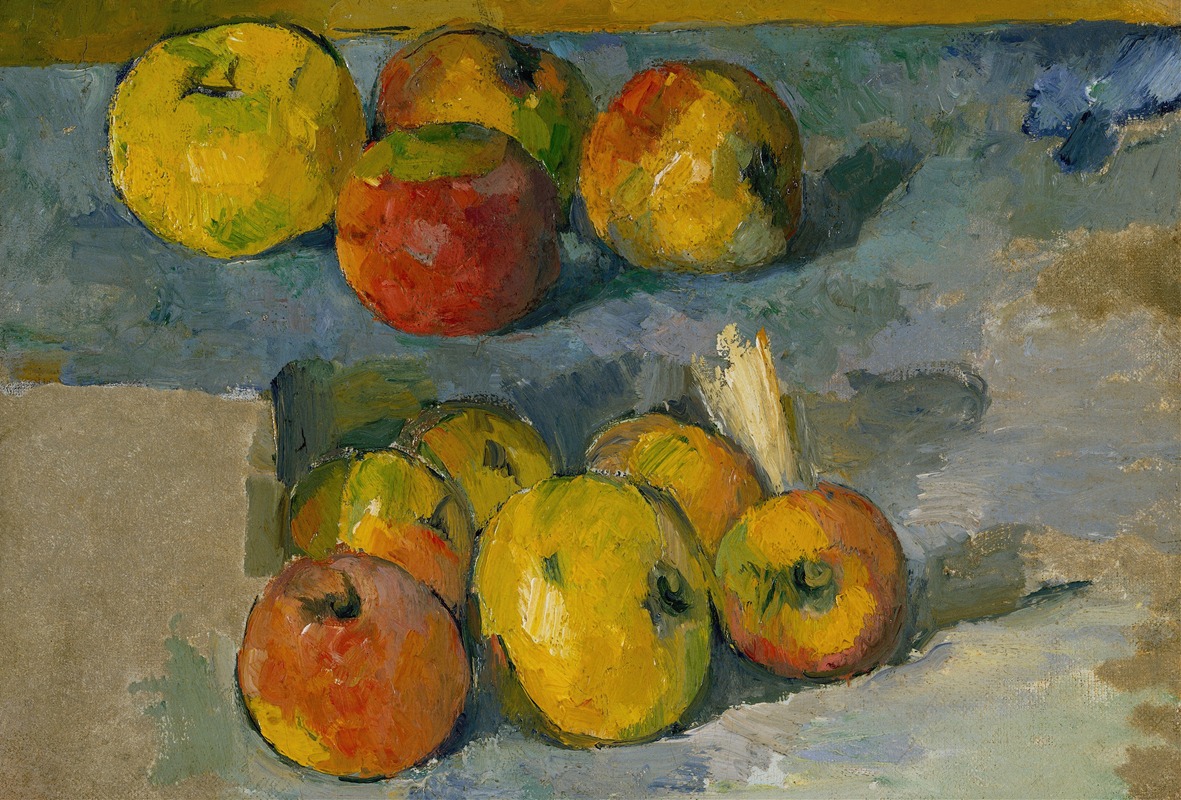
Apples
Paul Cézanne
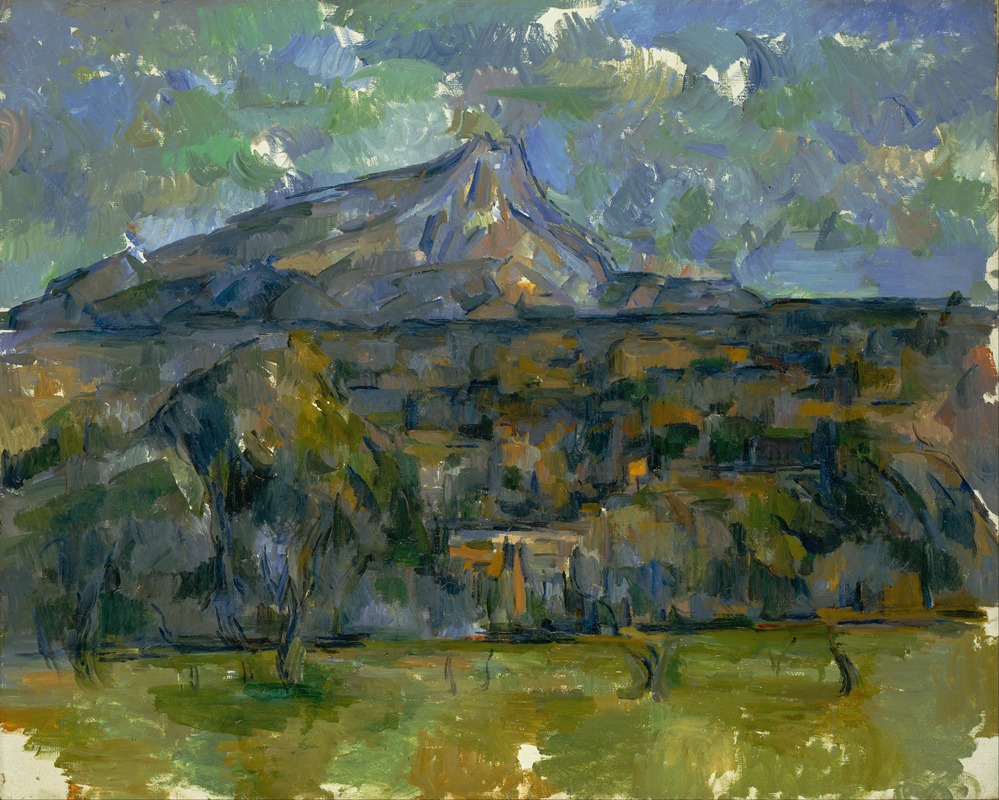
Mont Sainte-Victoire
Paul Cézanne
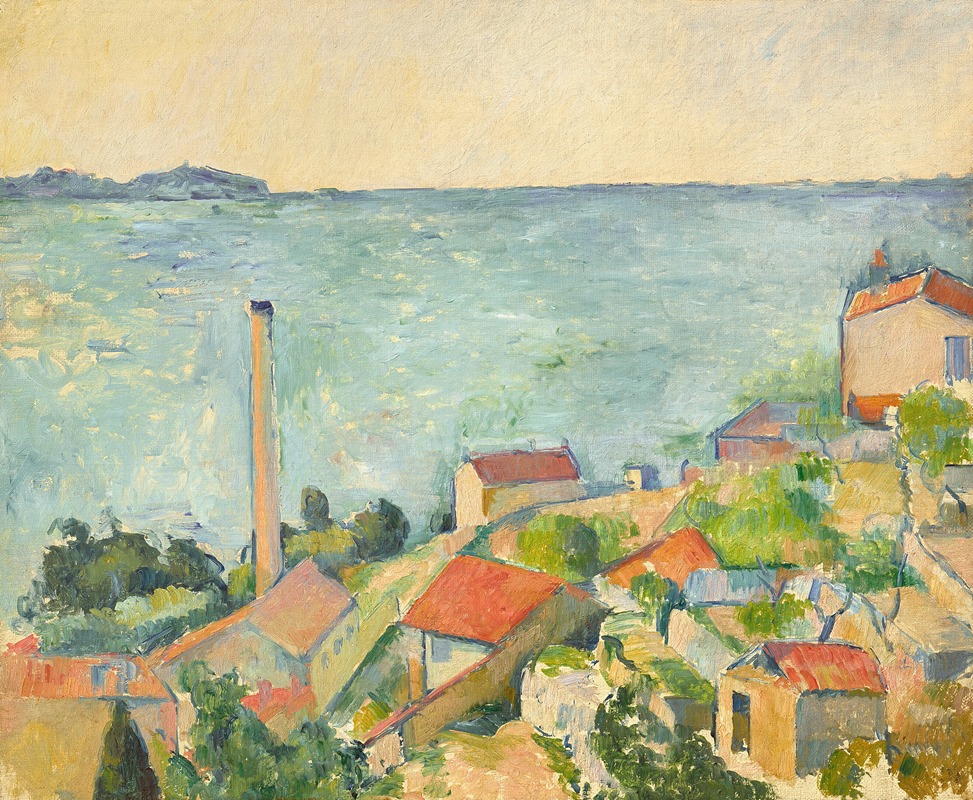
La mer à l’Estaque
Paul Cézanne
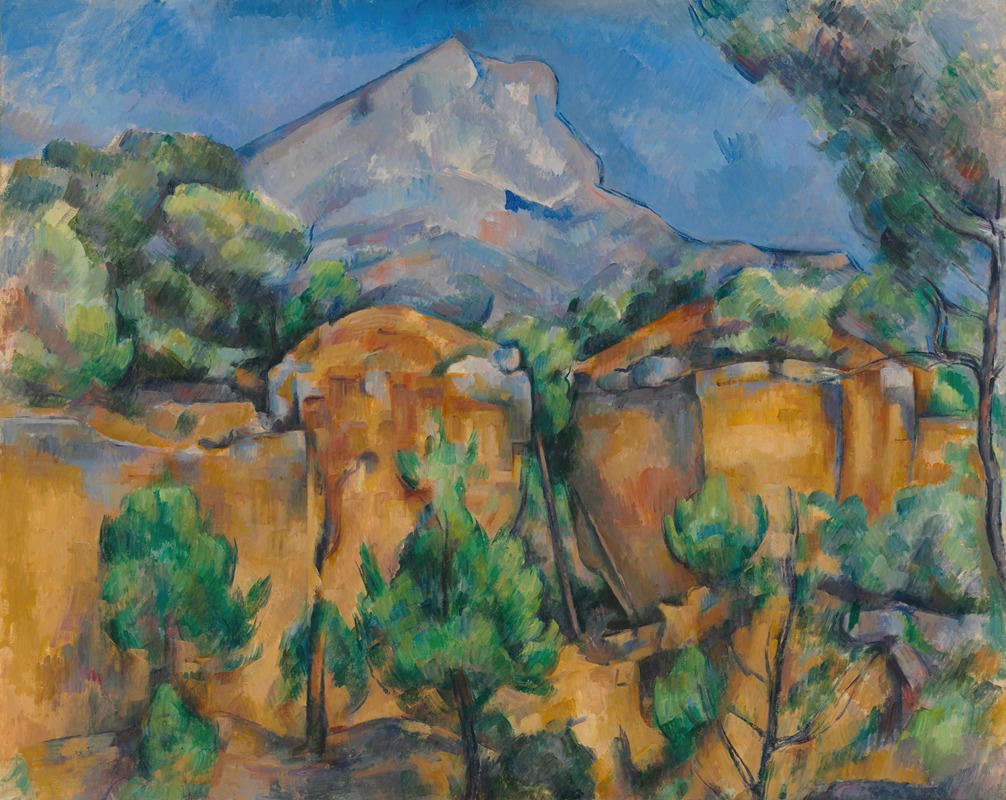
La Montagne Sainte-Victoire vue de la carrière Bibémus
Paul Cézanne
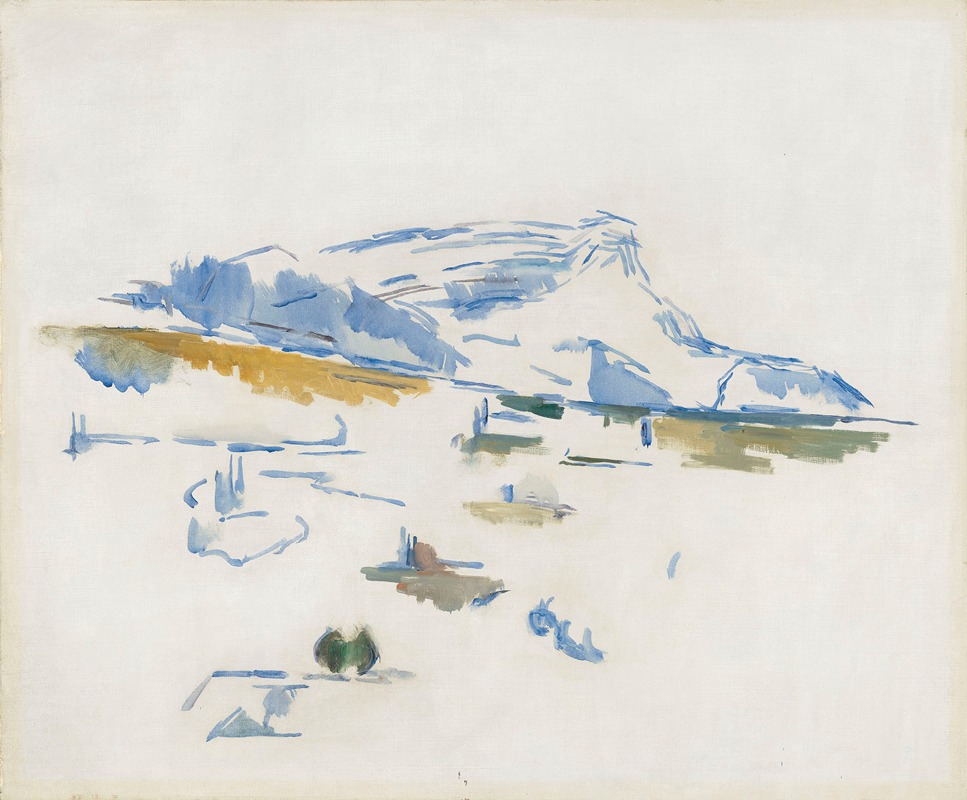
La Montagne Sainte-Victoire vue des Lauves
Paul Cézanne