
Mill at Frostestad near Mandal — History & Facts
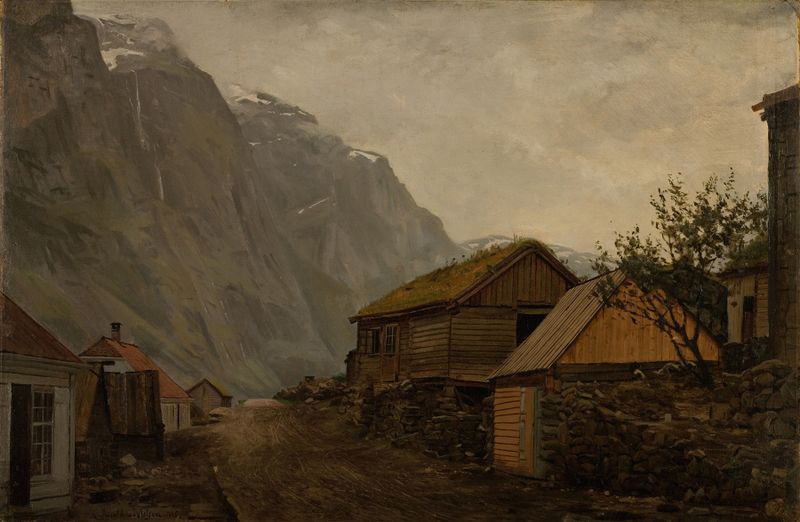
Can beauty exist without sorrow? The gentle whispers of a tranquil landscape often cloak deeper emotions, inviting us to explore the delicate relationship between joy and melancholy. Look closely at the sweeping green hills that cradle the mill, a symbol of industriousness amid the serene rural setting. Notice how the sunlight dances upon the water, creating a shimmering effect that draws your gaze to its flowing currents. The palette of soft greens and rich earth tones evokes a sense of peace, yet the looming shadows cast by the trees hint at a deeper complexity lurking just beneath the surface. In this interplay of light and shadow, there is a poignant contrast between the vitality of the natural world and the stillness of the mill.
The scene captures both a moment of quiet repose and the inexorable passage of time, suggesting themes of rebirth and renewal. One can almost feel the weight of history in the air, reminding us that beauty often emerges from the remnants of what was lost. Amaldus Nielsen created this work in 1863 while living in Norway, a turbulent era marked by shifts in artistic movements and national identity. During this time, the artist was deeply influenced by romantic ideals and sought to capture the essence of the Norwegian landscape.
The piece reflects his dedication to portraying the beauty of nature and the transformative power it holds, resonating with a nation in search of its own identity amidst change.
More Artworks by Amaldus Nielsen
Browse all →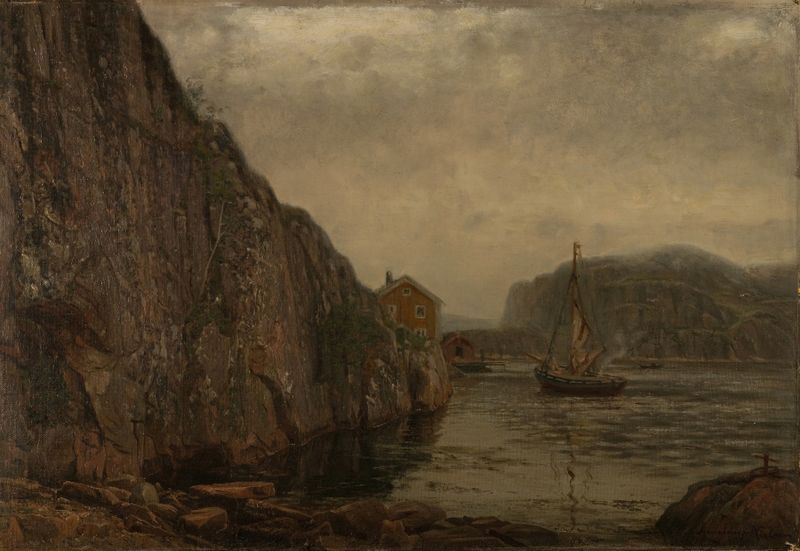
Skjærgård, Ny-Hellesund
Amaldus Nielsen
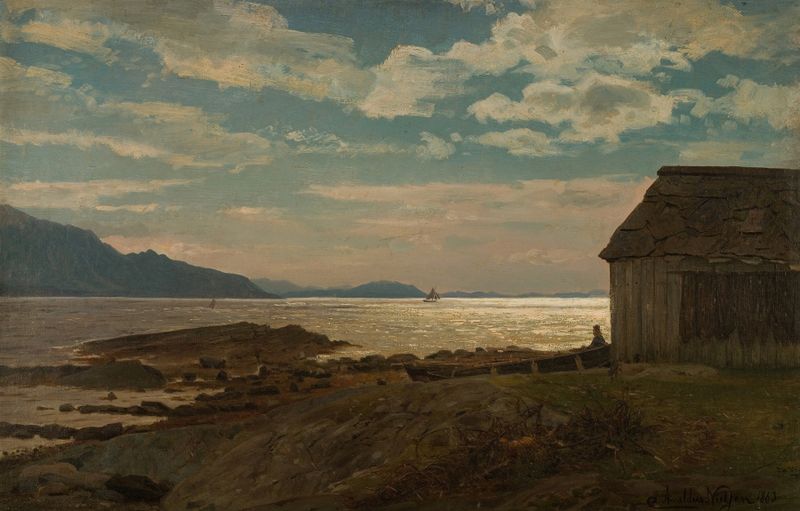
Fra Ølvestranden, Hardanger
Amaldus Nielsen
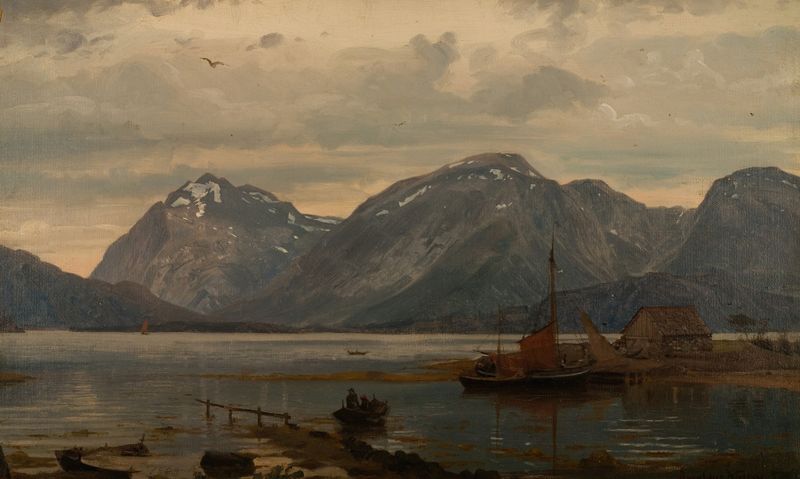
Fra Englafjellene, Hardanger
Amaldus Nielsen
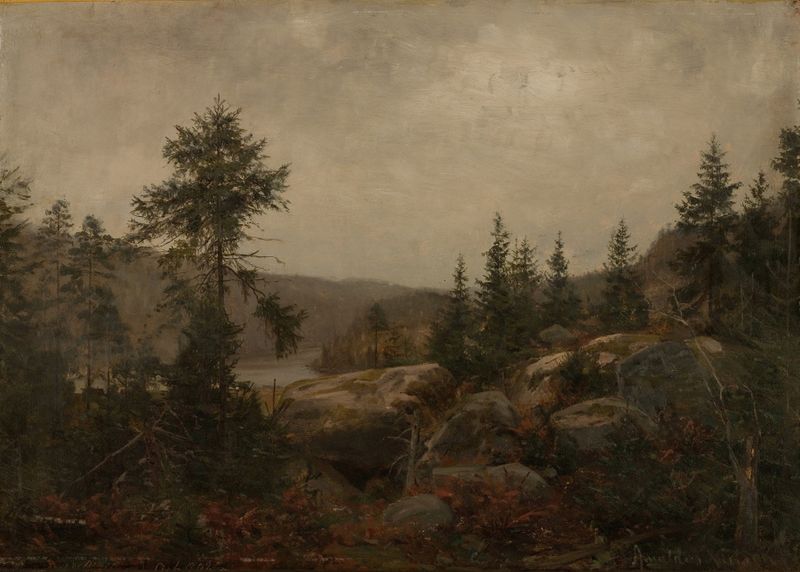
Duskregn . Gården Foss, Mandalselven
Amaldus Nielsen
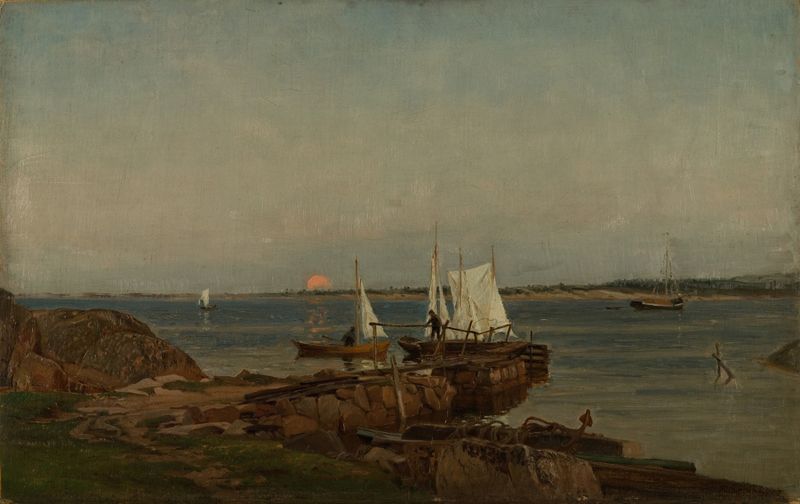
Sommernatt, Hvaler
Amaldus Nielsen
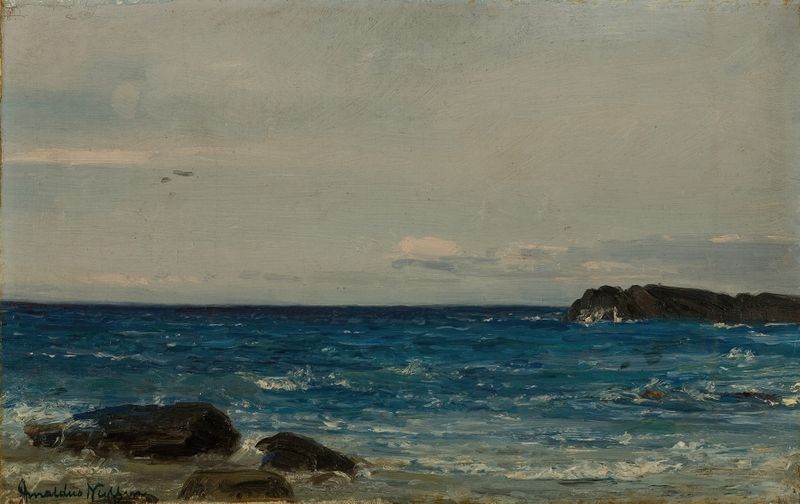
Fra Jæren
Amaldus Nielsen
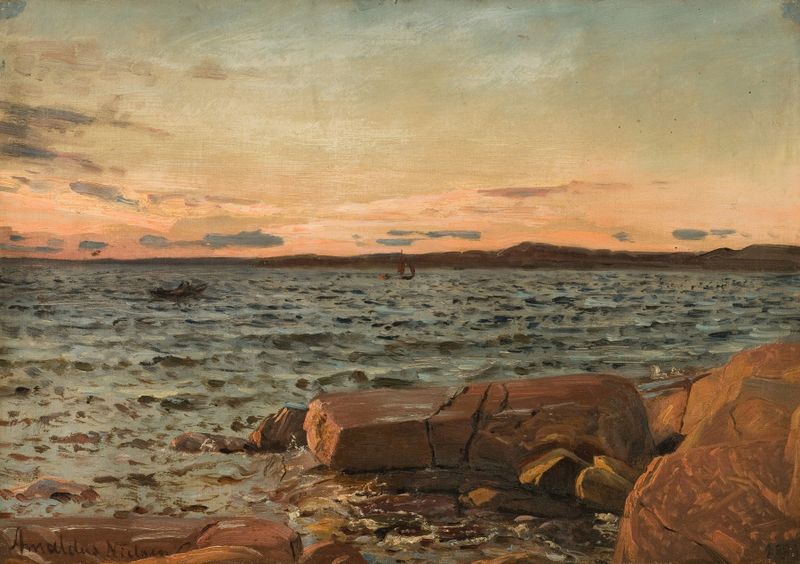
Solgangsvind, Hvaløene
Amaldus Nielsen
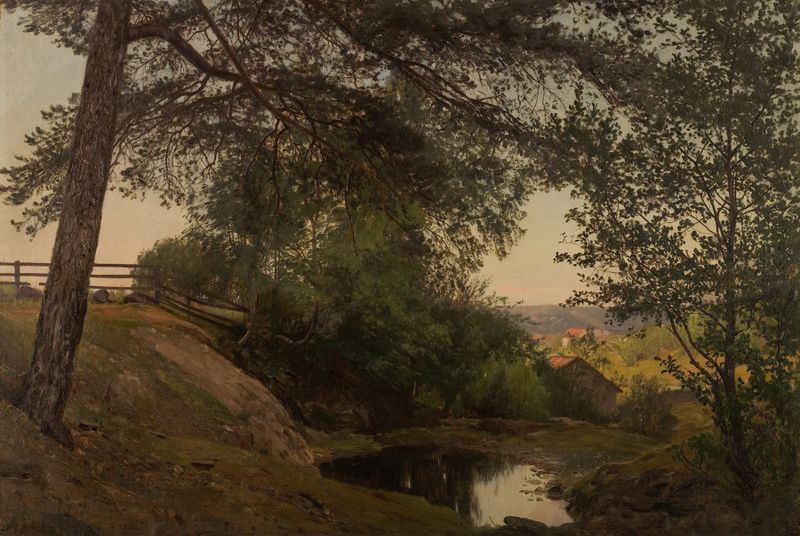
Mellom trærne. Lervik, Stord
Amaldus Nielsen

Båtbyggeri, Lillesand
Amaldus Nielsen
Regnstemning, Gudvangen
Amaldus Nielsen





