
Miramar motif. From the journey to Greece — History & Facts
What secret hides in the quiet of the canvas? Within the stillness, whispers of decay reveal the passage of time, lingering like fading memories. Look to the center of the composition, where the crumbling architecture stands as a testament to history's relentless march. The warm, muted hues of ochre and burnt sienna create an atmosphere steeped in nostalgia, while the soft light casts gentle shadows that draw your eye to the intricate details of the weathered stone. Notice how the artist’s brushwork captures the textures, allowing the viewer to almost feel the roughness beneath their fingertips, conveying a palpable sense of place. As you explore the edges, you'll find hints of life amidst the decay: a creeping vine embracing the ruins, a scattering of wildflowers pushing through the cracks, symbolizing resilience and the beauty in impermanence.
This juxtaposition of beauty and decline evokes a deep emotional resonance, prompting contemplation on the cycles of nature and human endeavor. The delicate balance of light and shadow not only enhances the visual drama but also encapsulates the tension between creation and destruction, echoing the inevitability of change. In 1905, Jan Ciągliński painted this piece during his travels to Greece, a period marked by a growing interest in classical antiquity and its remnants. During this time, he was influenced by the burgeoning Symbolist movement, which sought to express deeper truths through evocative imagery.
His exploration of themes related to decay and nostalgia reflects both his personal experiences and the cultural currents of the early 20th century, capturing the essence of a world on the brink of modernity.
More Artworks by Jan Ciągliński
Browse all →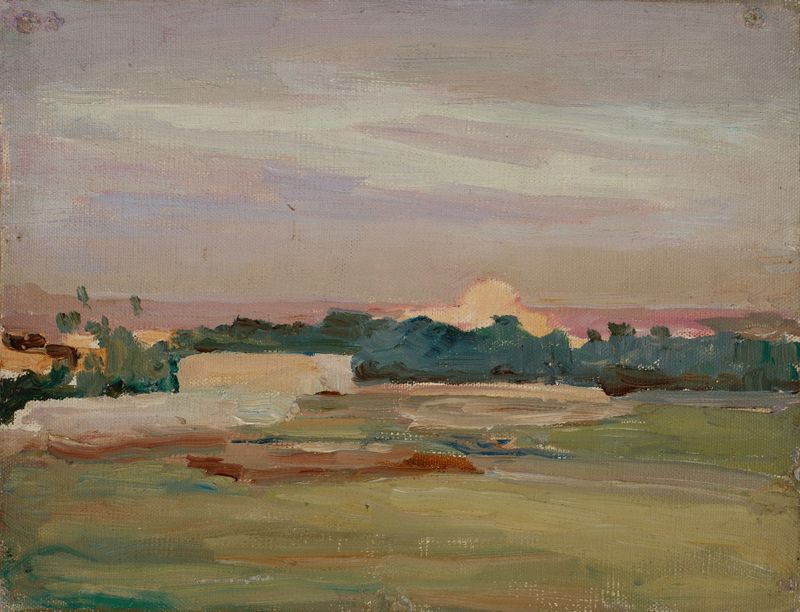
The Sirocco
Jan Ciągliński
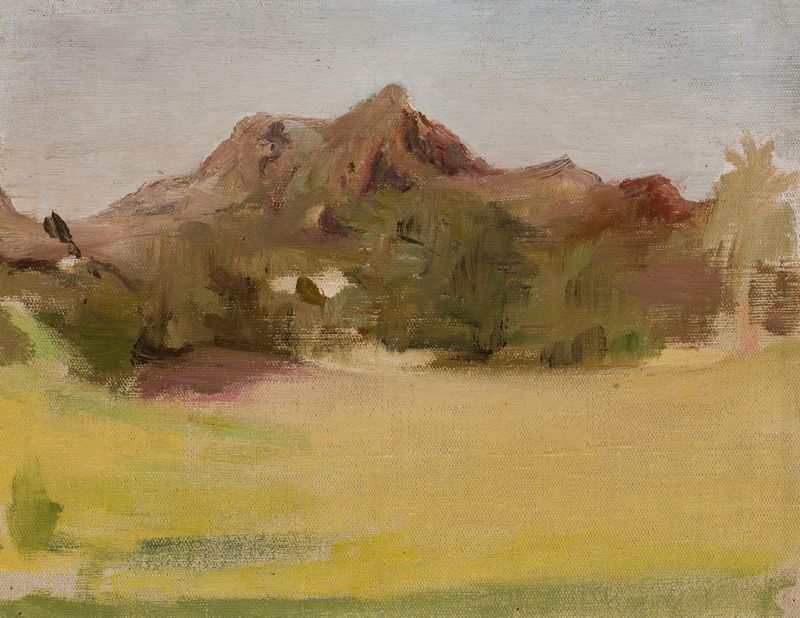
Mountain landscape. From the journey to India
Jan Ciągliński
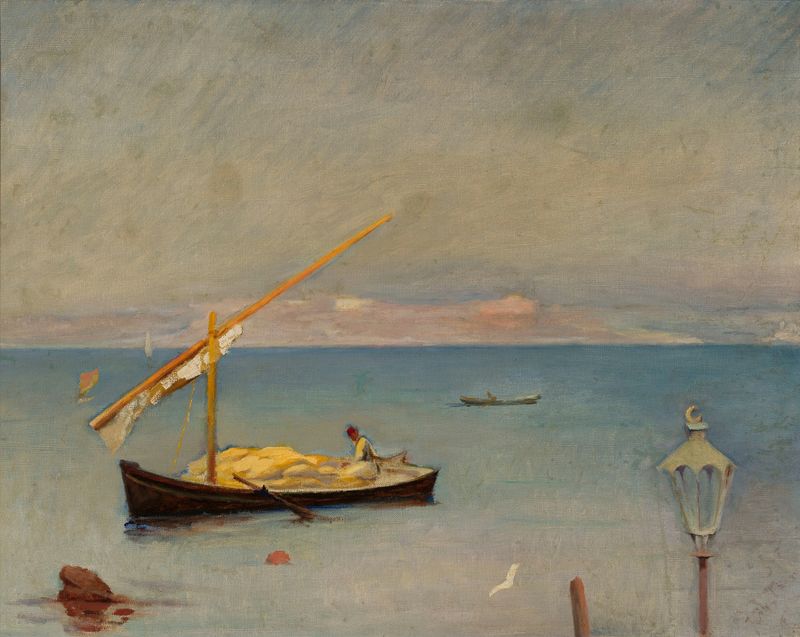
At Bosporus
Jan Ciągliński
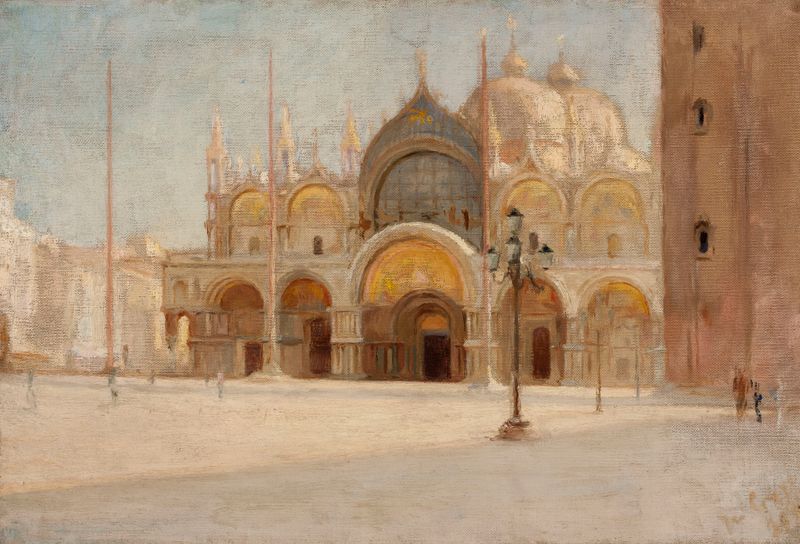
St Mark’s Square in Venice
Jan Ciągliński
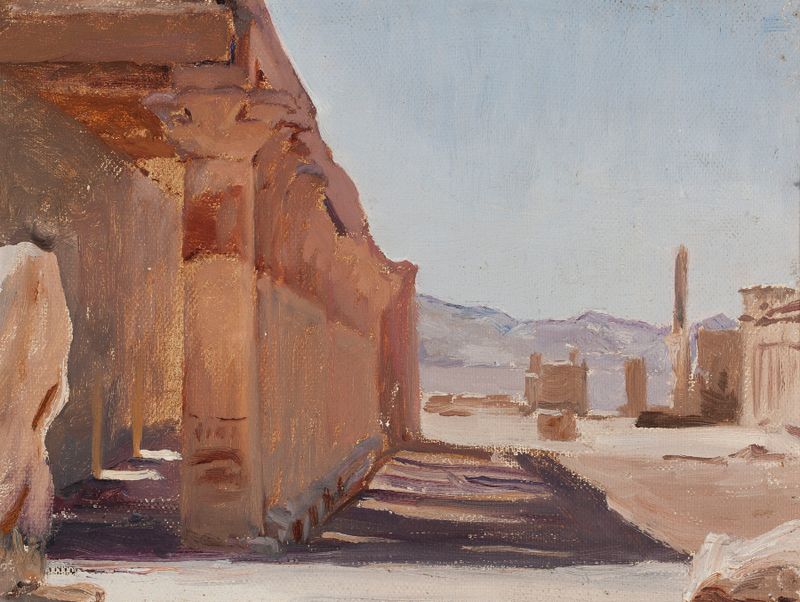
Temple. From the journey to Egypt
Jan Ciągliński
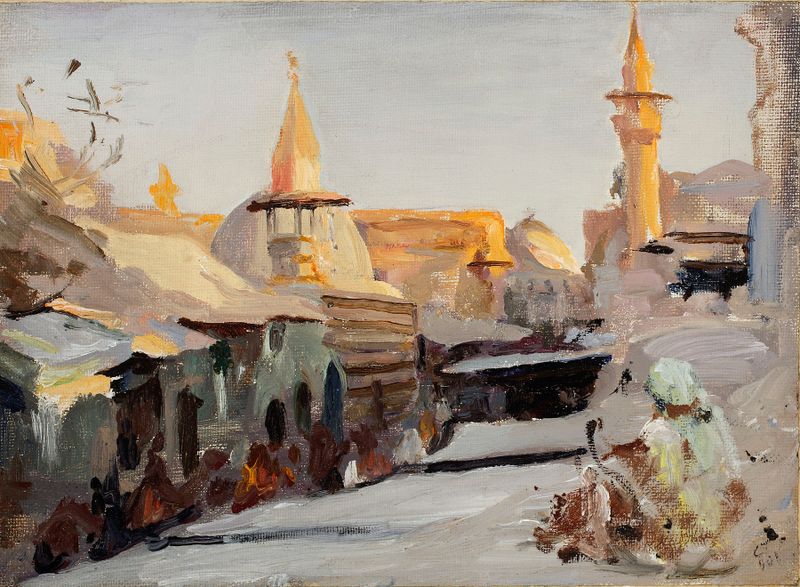
Street in Damascus. From the journey to Palestine
Jan Ciągliński
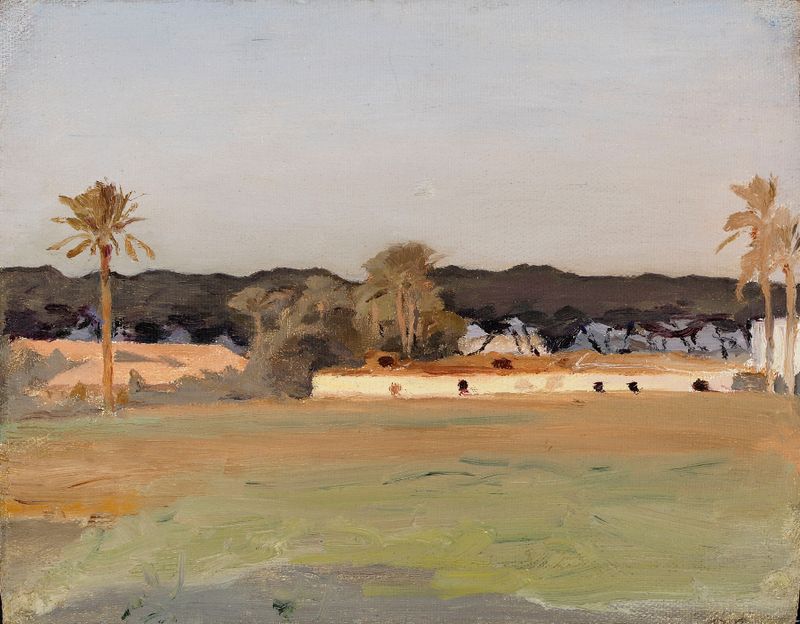
Evening. From the journey to Egypt
Jan Ciągliński
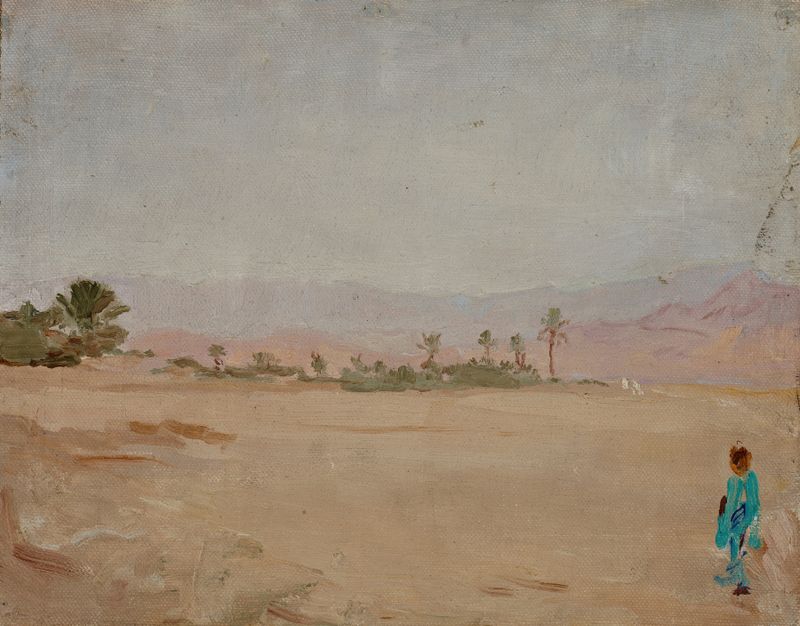
Sahara (Desert)
Jan Ciągliński
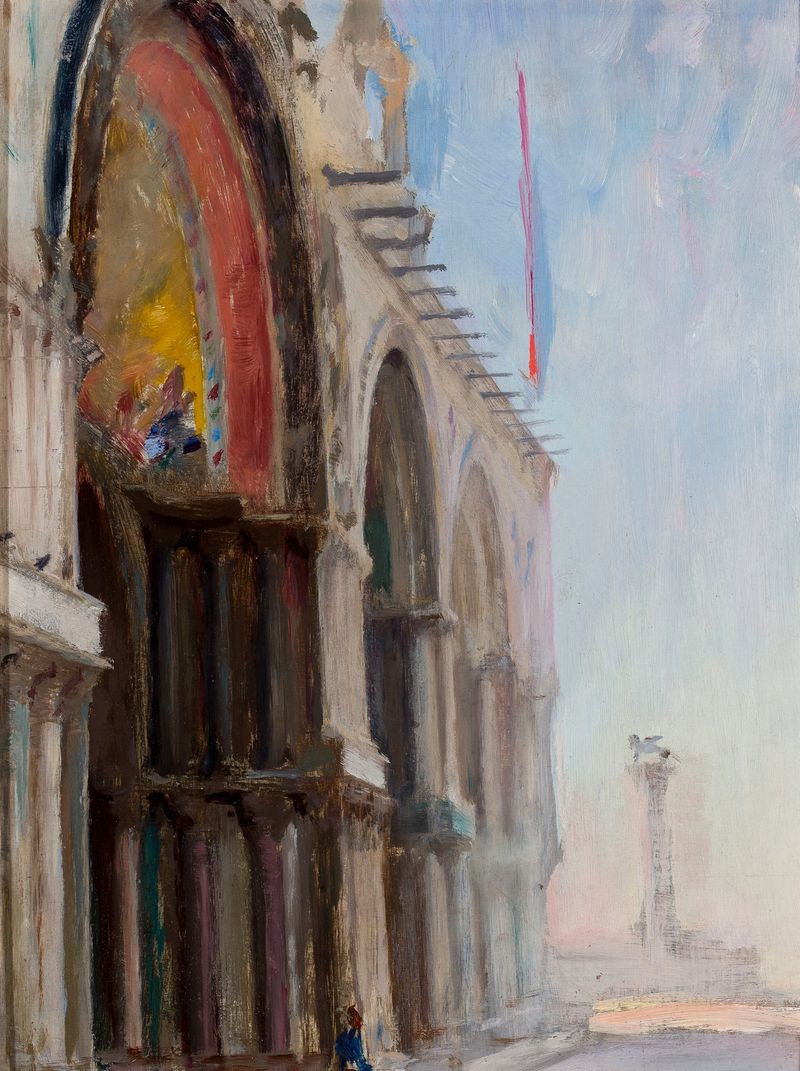
Venice – San Marco. From the journey to Italy
Jan Ciągliński
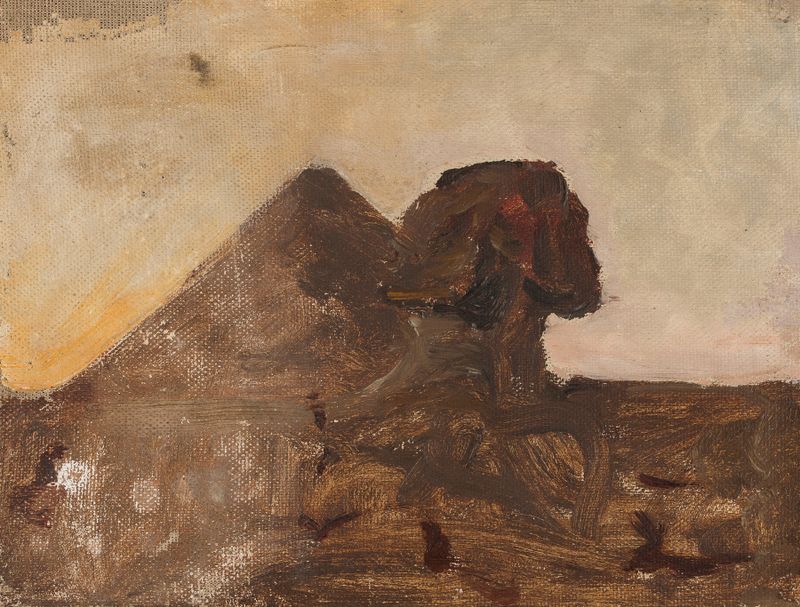
Evening in the desert – Sphinx and pyramid. From the journey to Egypt
Jan Ciągliński





