
Molen op de Butte — History & Facts
What if silence could speak through light? In Molen op de Butte, Georges Michel conjures a tranquil expanse where the absence of sound offers a profound introspection, inviting viewers to explore the void. Focus on the soft, gentle light that bathes the landscape, illuminating the weathered windmill that stands resolutely against a serene sky. Look to the left where the lush fields stretch endlessly, their vibrant greens contrasting with the muted browns of the earth. The delicate brushwork creates a sense of movement in the grasses, while the windmill’s steady presence evokes a sense of stillness, grounding the scene amidst the fleeting whispers of nature. Within this pastoral setting lies a tension between the immovable and the ephemeral.
The windmill, a symbol of human endeavor, connects with the expansive sky, hinting at the interplay between humanity and nature. Notice the subtle variations in color that suggest both time and season, capturing the transient beauty of a moment that feels eternal yet ever-changing. It reflects a longing for connection with the vastness, a reminder of the delicate balance between existence and the void. Georges Michel painted Molen op de Butte during the early 19th century, a time when romanticism was flourishing in art, focusing on nature's beauty and humanity's place within it.
Working in France, he sought to blend realism with a poetic interpretation of landscapes, capturing the essence of a world on the cusp of industrial change. Michel's contemplative approach to this piece reveals both his personal reflections and the broader artistic movements that shaped his era.
More Artworks by Georges Michel
Browse all →
The Approaching Storm
Georges Michel

Landschap met zandweg
Georges Michel

Landschaft bei Paris
Georges Michel
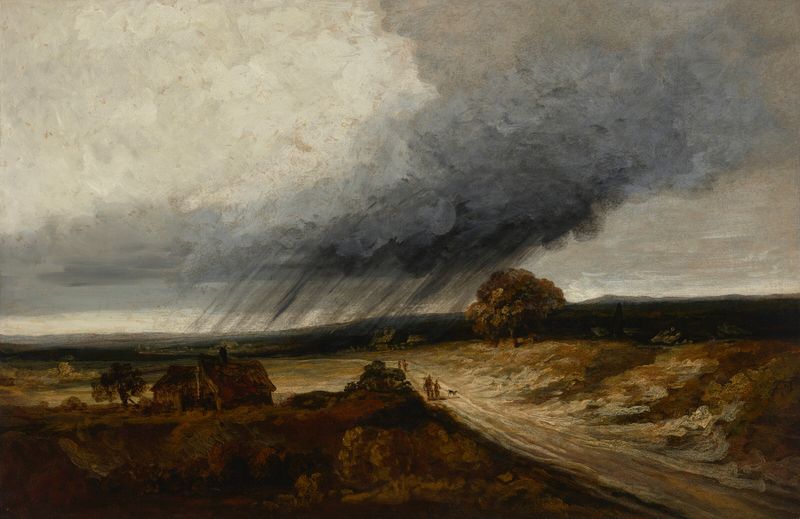
The Approaching Storm
Georges Michel

Landschap met overtrekkende bui
Georges Michel
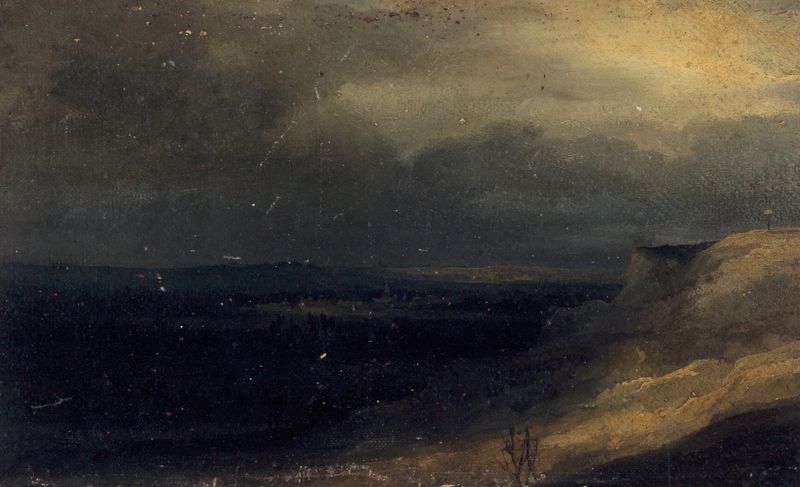
Vue présumée de Montmartre.
Georges Michel

Landschap met figuren en vee
Georges Michel

Approaching Storm
Georges Michel
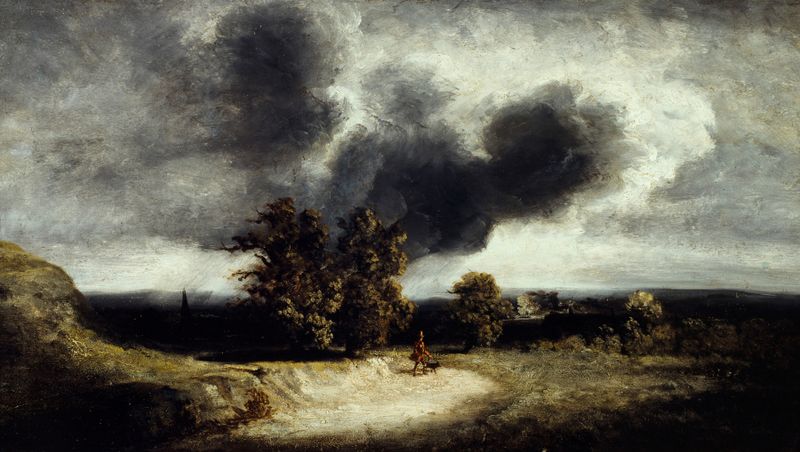
Paysage des environs de Paris.
Georges Michel

Gezicht op de Dome des Invalides uit de Champ de Mars
Georges Michel





