Discover insights about this artwork
Montagne Saint-Victoire — History & Facts
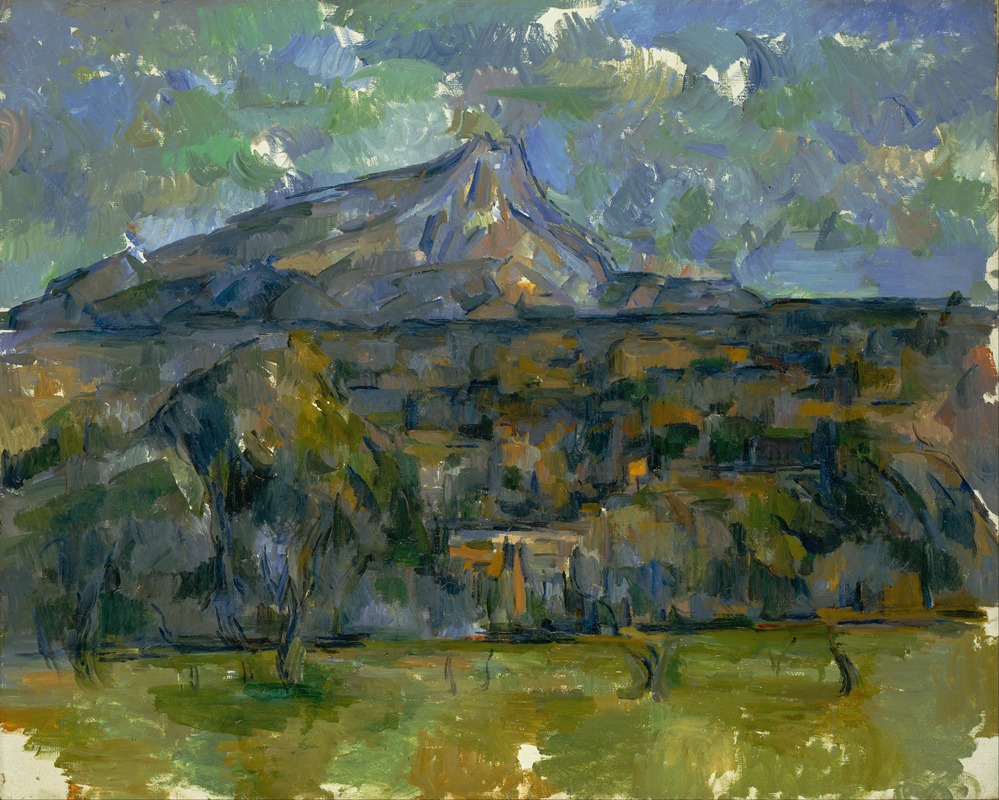
In Montagne Saint-Victoire, Paul Cézanne presents a striking landscape dominated by the iconic mountain. The painting features a palette of greens, blues, and earthy tones, capturing the essence of the Provençal countryside. Cézanne's brushstrokes are visible, creating a textured surface that adds depth to the scene.
The composition is balanced, with the mountain rising majestically against the sky, surrounded by rolling hills and trees. This artwork is an oil on canvas, measuring 73.7 x 92.1 cm. Cézanne's technique involves layering colors and using short, deliberate strokes to build form and light. The mountain is depicted with a sense of solidity, yet the surrounding landscape feels more fluid and dynamic.
The use of color and form reflects Cézanne's departure from traditional representation, marking a significant shift in the art world. Montagne Saint-Victoire is one of several works by Cézanne that focus on this mountain, which he painted numerous times throughout his career. This particular piece is notable for its exploration of perspective and structure, showcasing Cézanne's innovative approach to landscape painting. The mountain itself became a symbol of his artistic journey and a subject of personal significance.
Cézanne's work laid the groundwork for future movements, influencing artists like Picasso and Matisse.
More Artworks by Paul Cézanne
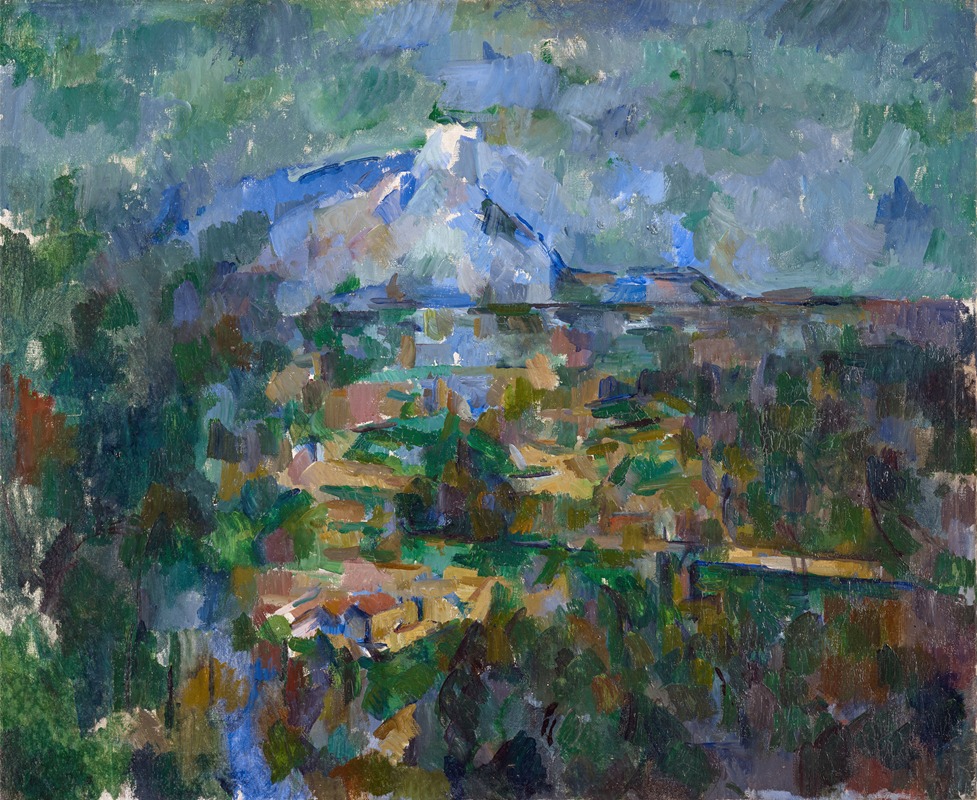
The Mont Sainte-Victoire Seen From Les Lauves
Paul Cézanne
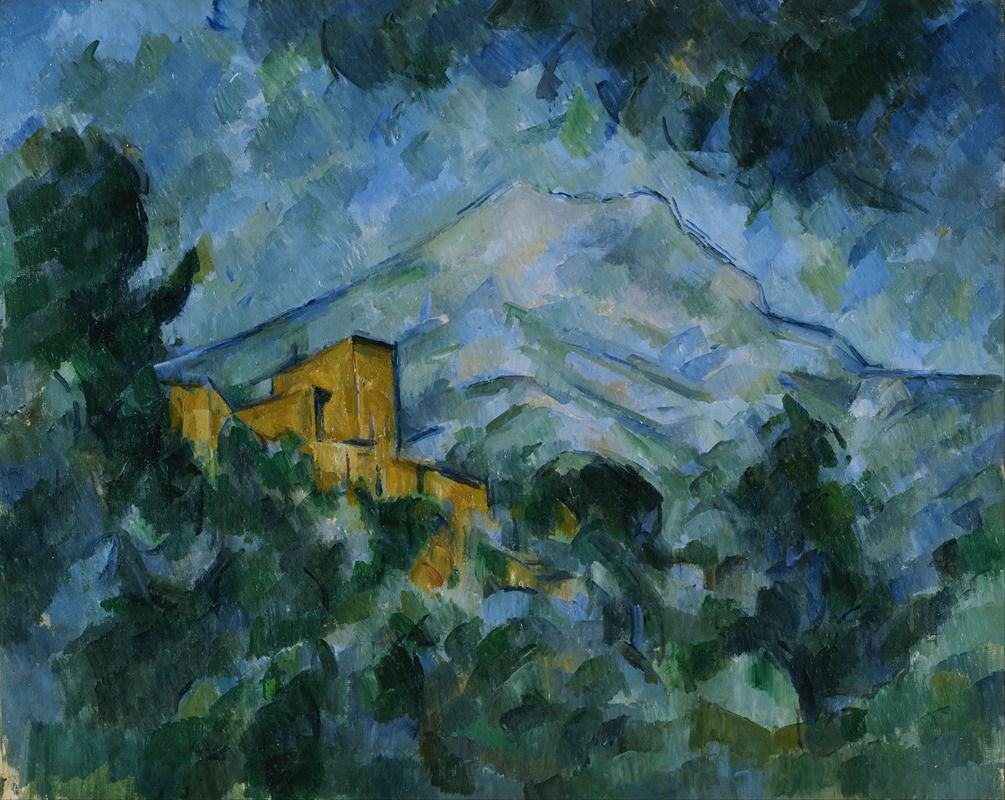
Mont Sainte-Victoire and Château Noir
Paul Cézanne
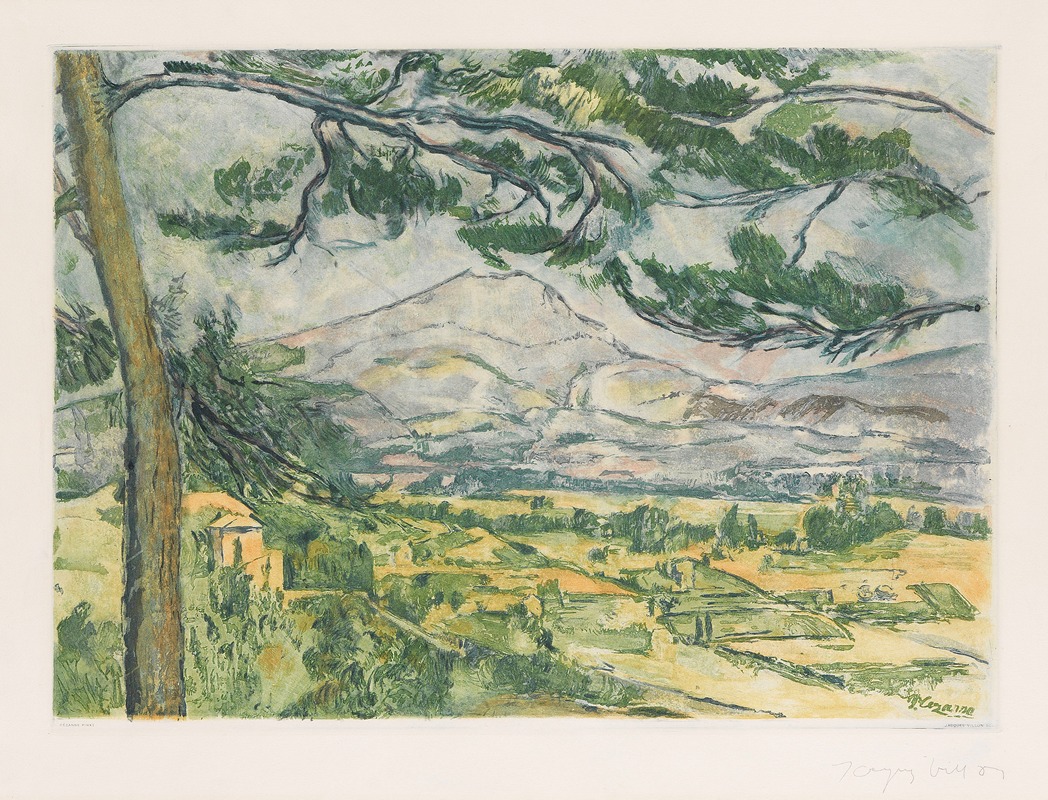
La Montagne Sainte-Victoire
Paul Cézanne
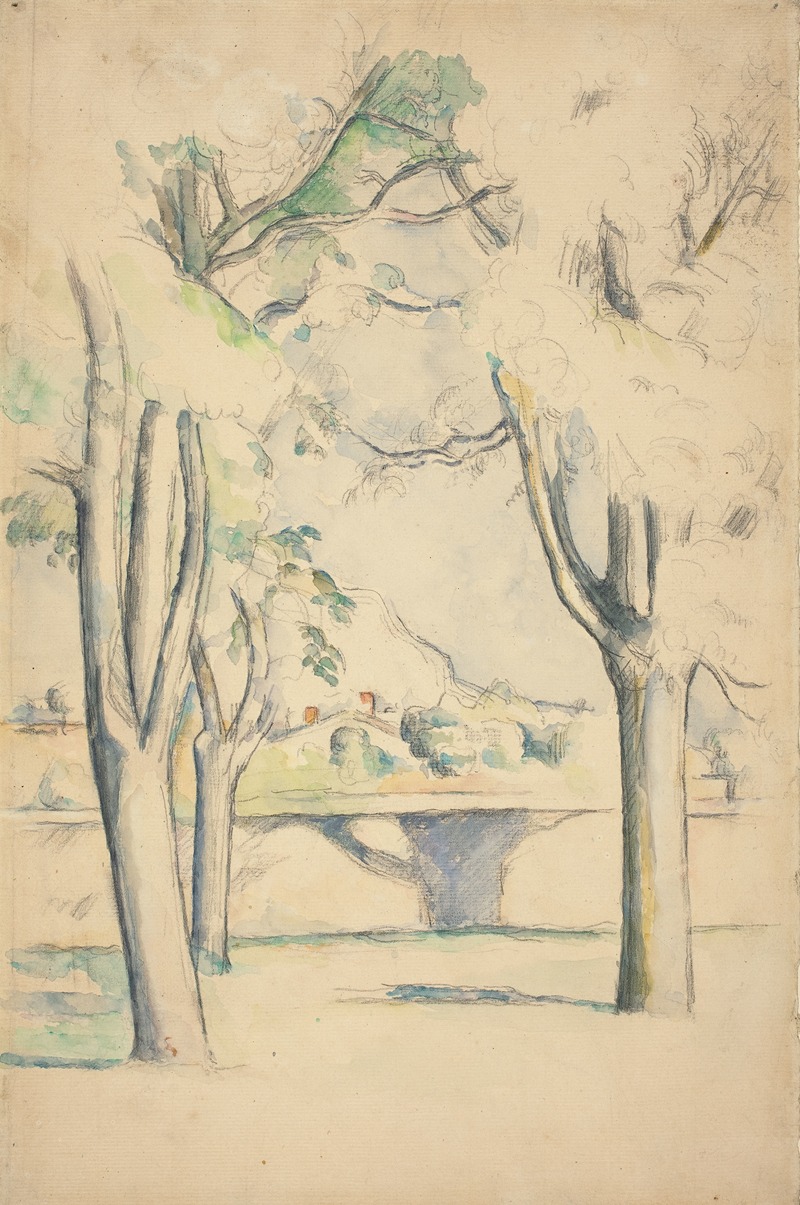
Mont Sainte-Victoire Seen beyond the Wall of the Jas de Bouffan
Paul Cézanne
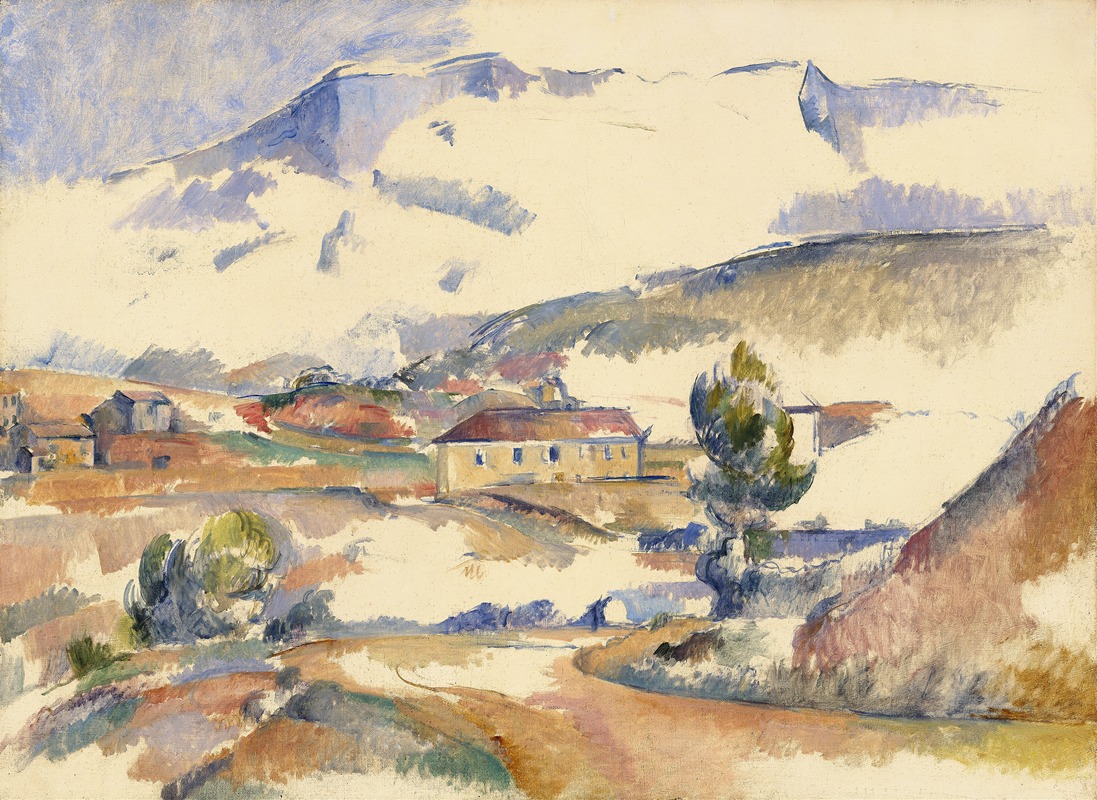
Montagne Sainte-Victoire,from near Gardanne
Paul Cézanne
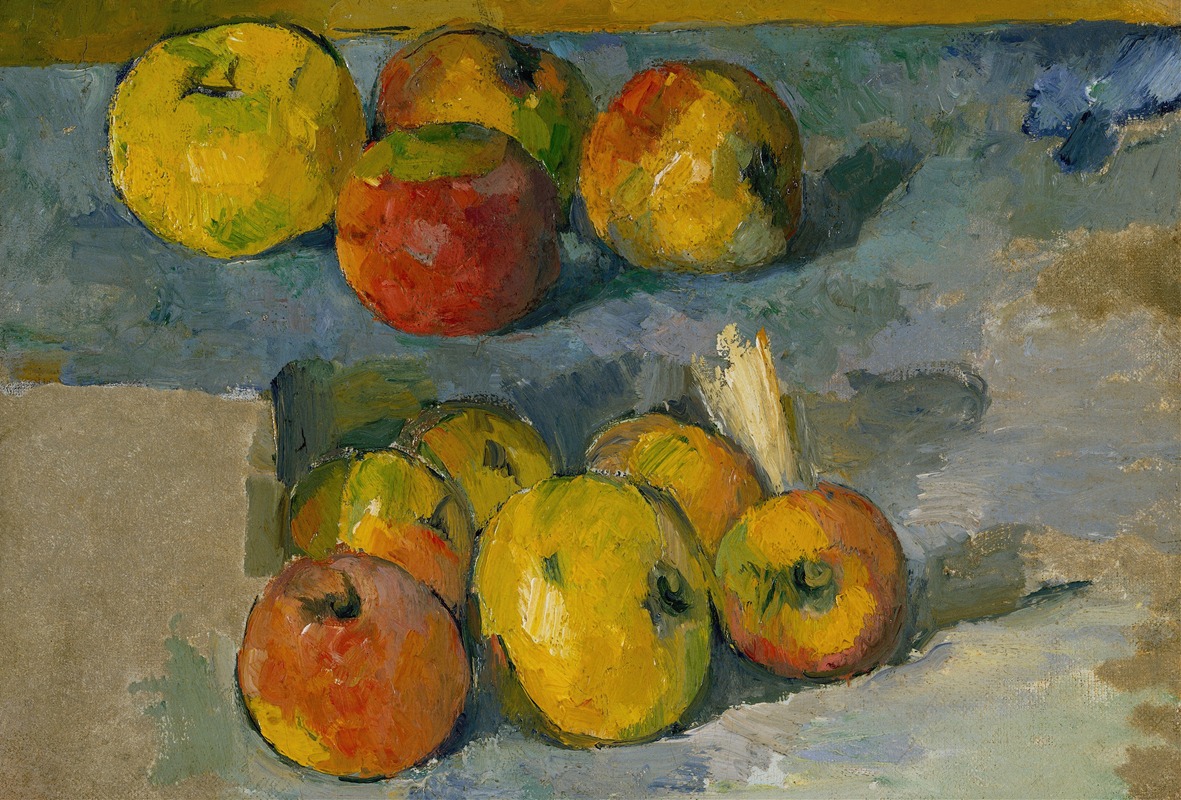
Apples
Paul Cézanne
Mont Sainte-Victoire
Paul Cézanne
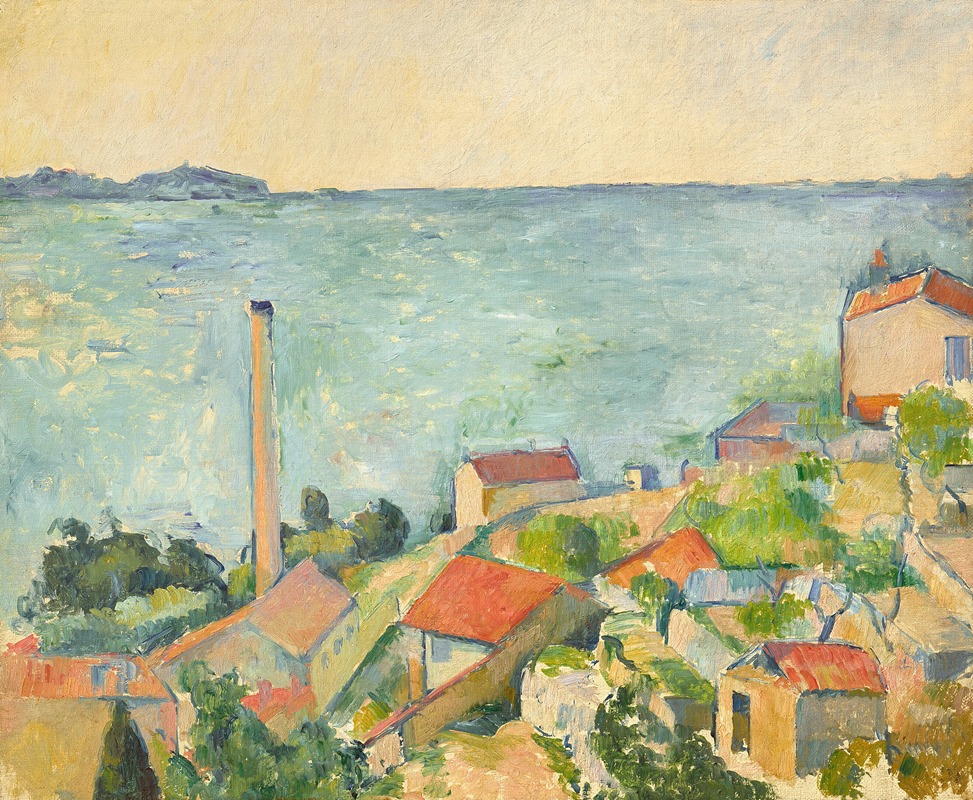
La mer à l’Estaque
Paul Cézanne
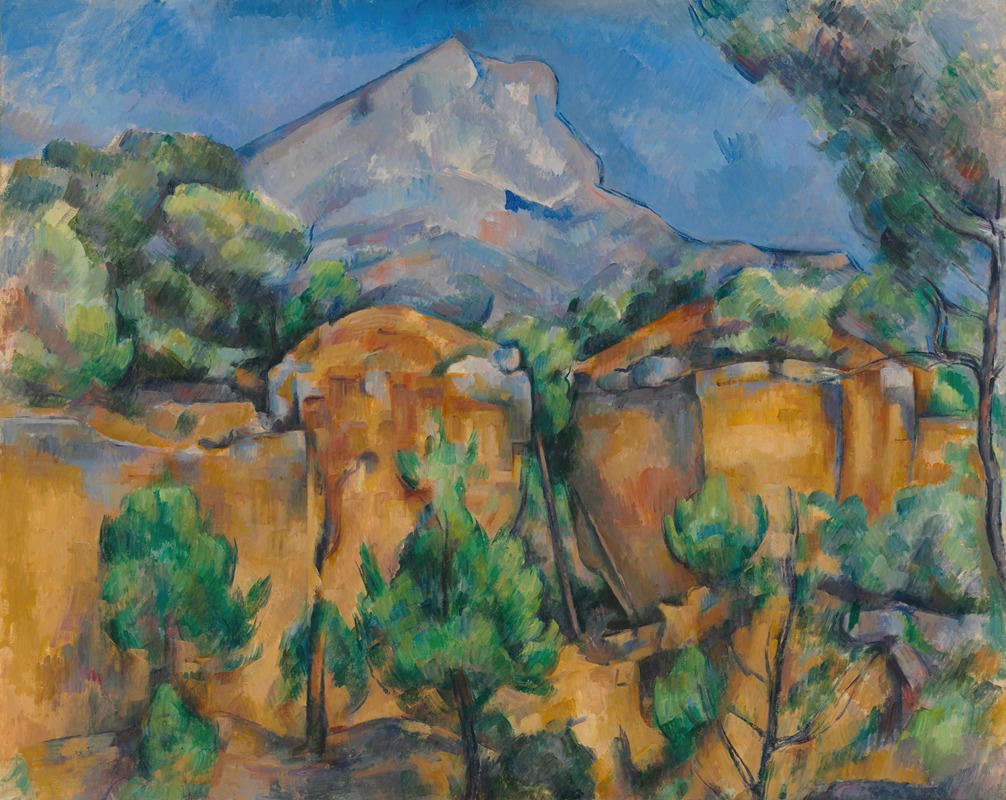
La Montagne Sainte-Victoire vue de la carrière Bibémus
Paul Cézanne
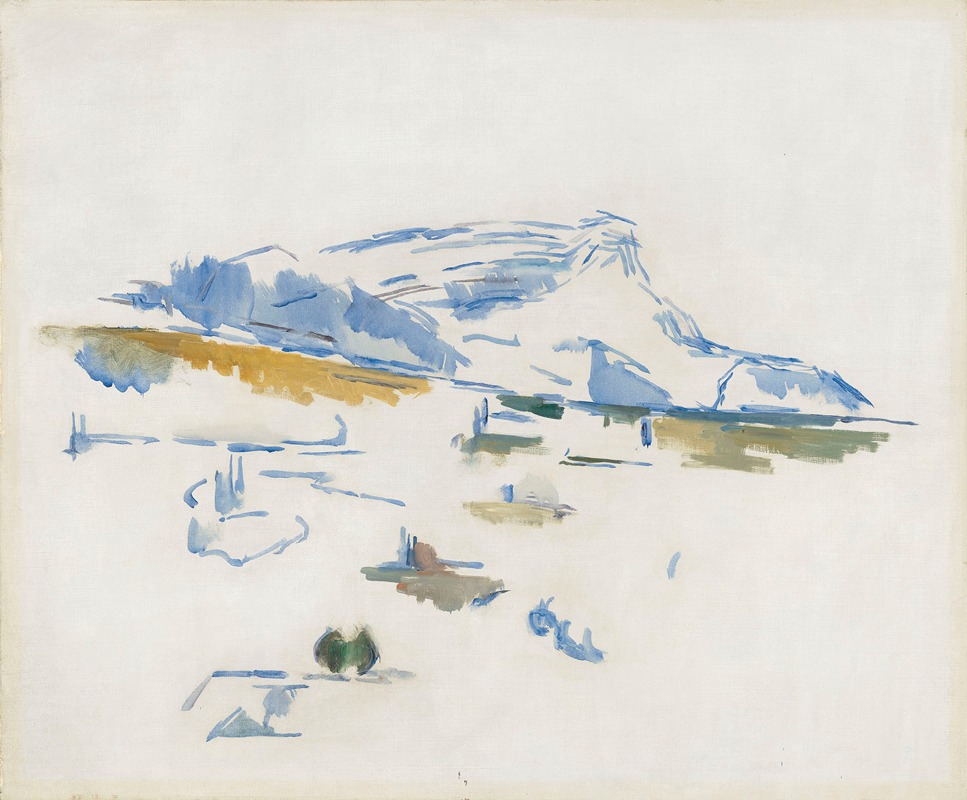
La Montagne Sainte-Victoire vue des Lauves
Paul Cézanne