
Montana Landscape — History & Facts
Can beauty exist without sorrow? In the quiet expanses of nature, longing often intertwines with breathtaking vistas, creating a tapestry of nostalgia that speaks to our souls. Look to the left of the canvas, where towering granite mountains rise majestically against a sky painted in soft hues of dawn. The gentle interplay of light and shadow reveals the textured contours of the landscape, inviting the viewer to dive deeper into its serene depths. Notice how the delicate brushwork captures the shimmer of the water below, reflecting both the grandeur above and the tranquility of the moment. As you explore further, allow yourself to ponder the contrasts at play.
The lush greenery at the foreground suggests life and vitality, while the icy peaks in the distance hint at a harshness that tempers this beauty. Each element serves as a reminder of the delicate balance between awe and melancholy—the landscape both idyllic and impermanent, evoking a sense of yearning for moments that have slipped away. Albert Bierstadt painted this work during a transformative period for American art, a time when the West was being mythologized and idealized. Although the exact date of Montana Landscape is unknown, Bierstadt was deeply influenced by the spirit of exploration and the romanticism of nature during the late 19th century, paving the way for future generations to find solace and inspiration in the natural world.
More Artworks by Albert Bierstadt
Browse all →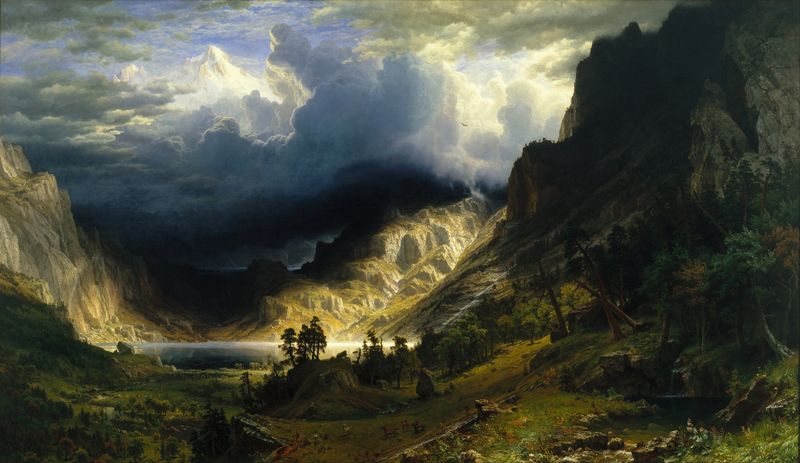
A Storm in the Rocky Mountains, Mt. Rosalie
Albert Bierstadt
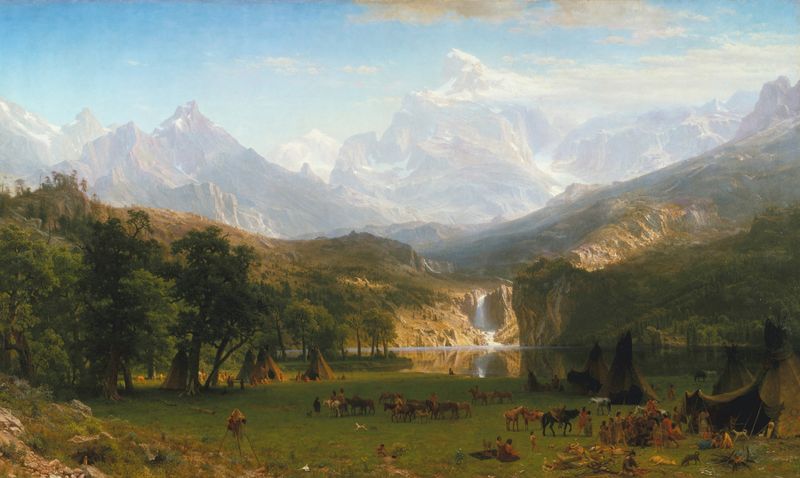
The Rocky Mountains, Lander’s Peak
Albert Bierstadt
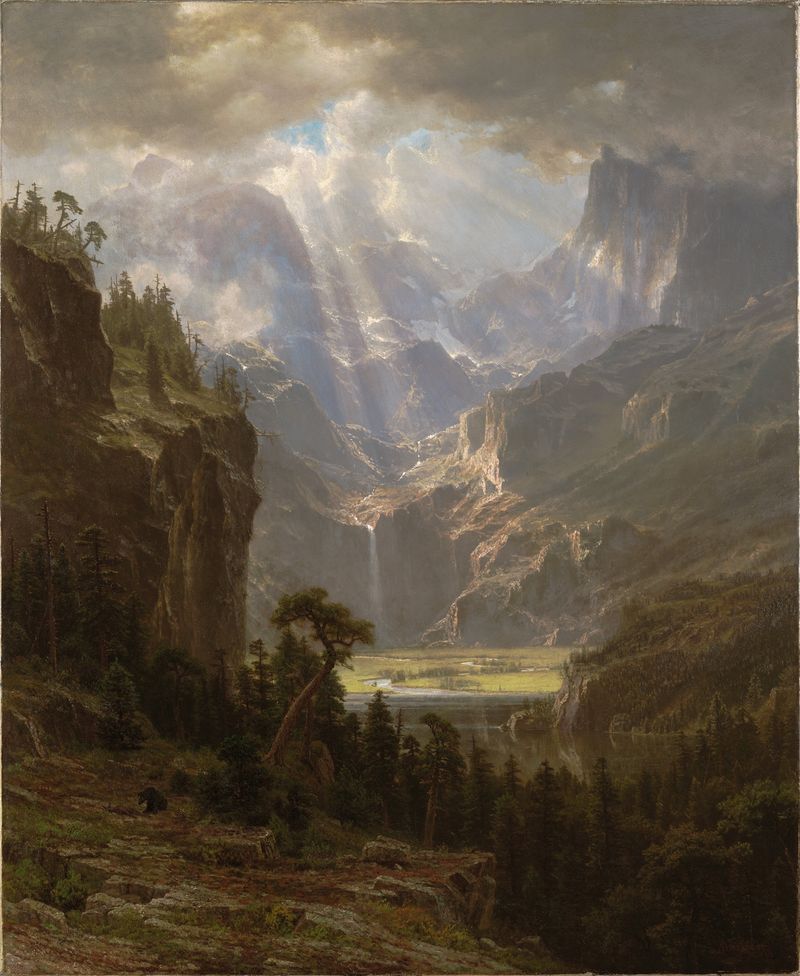
Rocky Mountains, Lander’s Peak
Albert Bierstadt
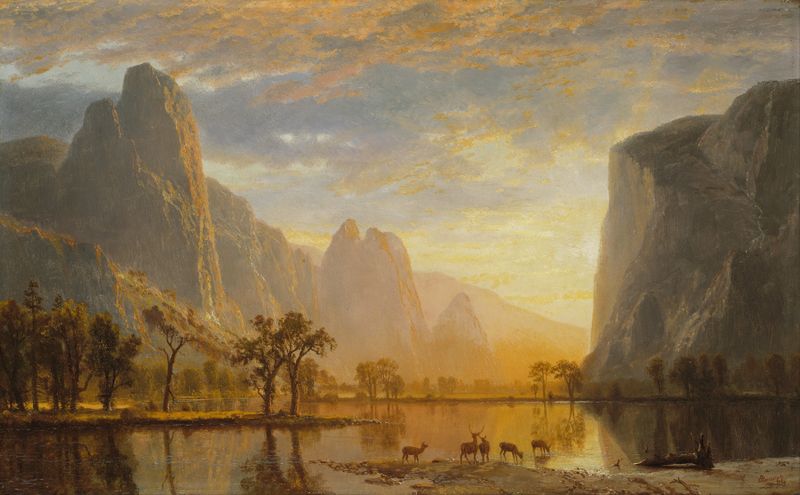
Valley of the Yosemite
Albert Bierstadt
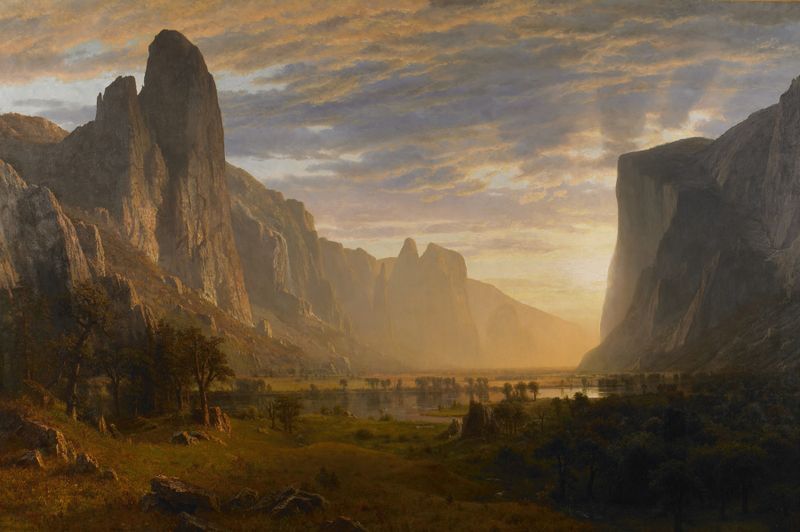
Looking Down Yosemite Valley, California
Albert Bierstadt
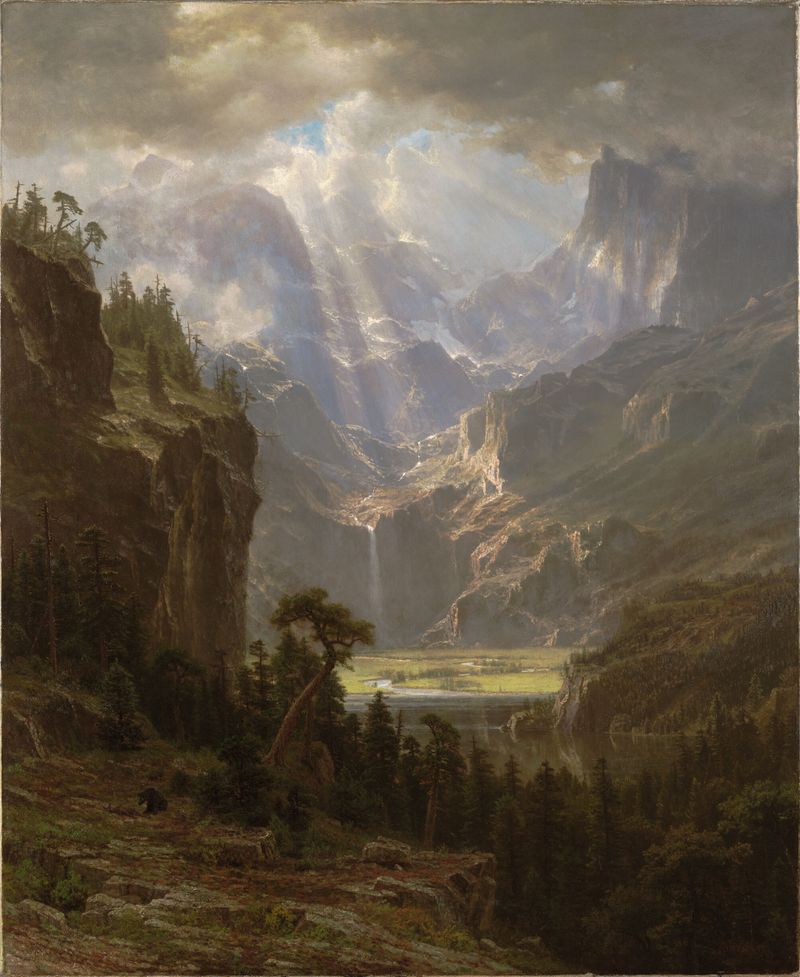
Rocky Mountains, "Lander's Peak"
Albert Bierstadt
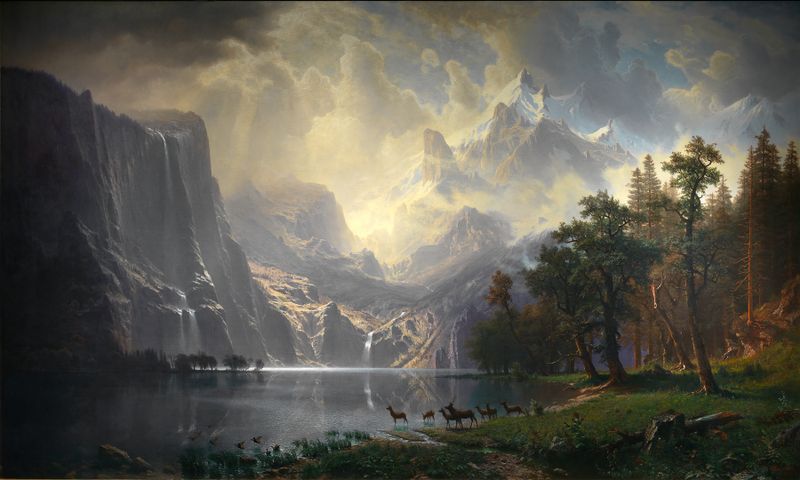
Among the Sierra Nevada, California
Albert Bierstadt
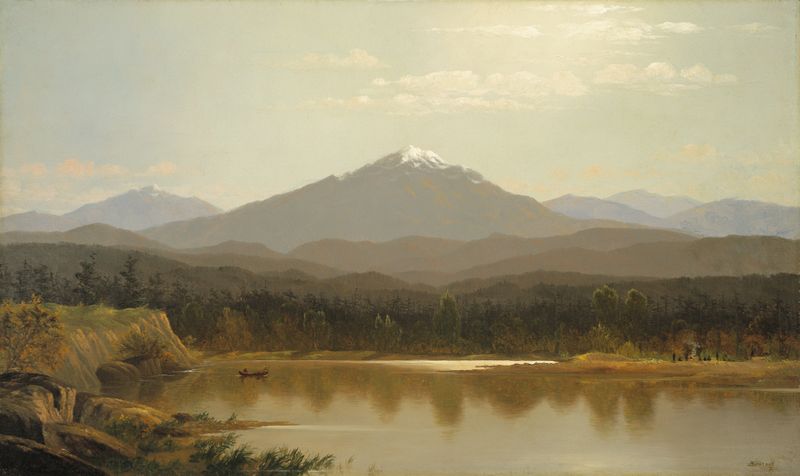
Laramie Peak
Albert Bierstadt
Nevada Falls, Yosemite
Albert Bierstadt
Yellowstone Falls
Albert Bierstadt





