
Montfort-l’Amaury — History & Facts
In Montfort-l’Amaury, Henri Rivière presents a tranquil landscape filled with soft colors. The painting features a serene sky with gentle blues and whites, blending seamlessly into the lush greenery below. A small village can be seen nestled among the trees, with quaint houses that add charm to the scene.
The overall composition evokes a sense of peace and harmony with nature. The painting is executed in oil on canvas, showcasing Rivière's skillful brushwork and attention to detail. The use of light and shadow creates depth, allowing the viewer to feel the atmosphere of the landscape. The colors are vibrant yet soft, characteristic of the Post-Impressionism style.
This technique enhances the emotional impact of the scene, inviting viewers to immerse themselves in the tranquility of the moment. Henri Rivière was a French artist known for his landscapes and prints. He was associated with the Post-Impressionism movement, which sought to express emotions through color and form. Montfort-l’Amaury reflects his fascination with nature and rural life.
An interesting fact about this work is that it captures a specific location in France, known for its picturesque beauty and historical significance.
More Artworks by Henri Rivière

Sur les toits
Henri Rivière
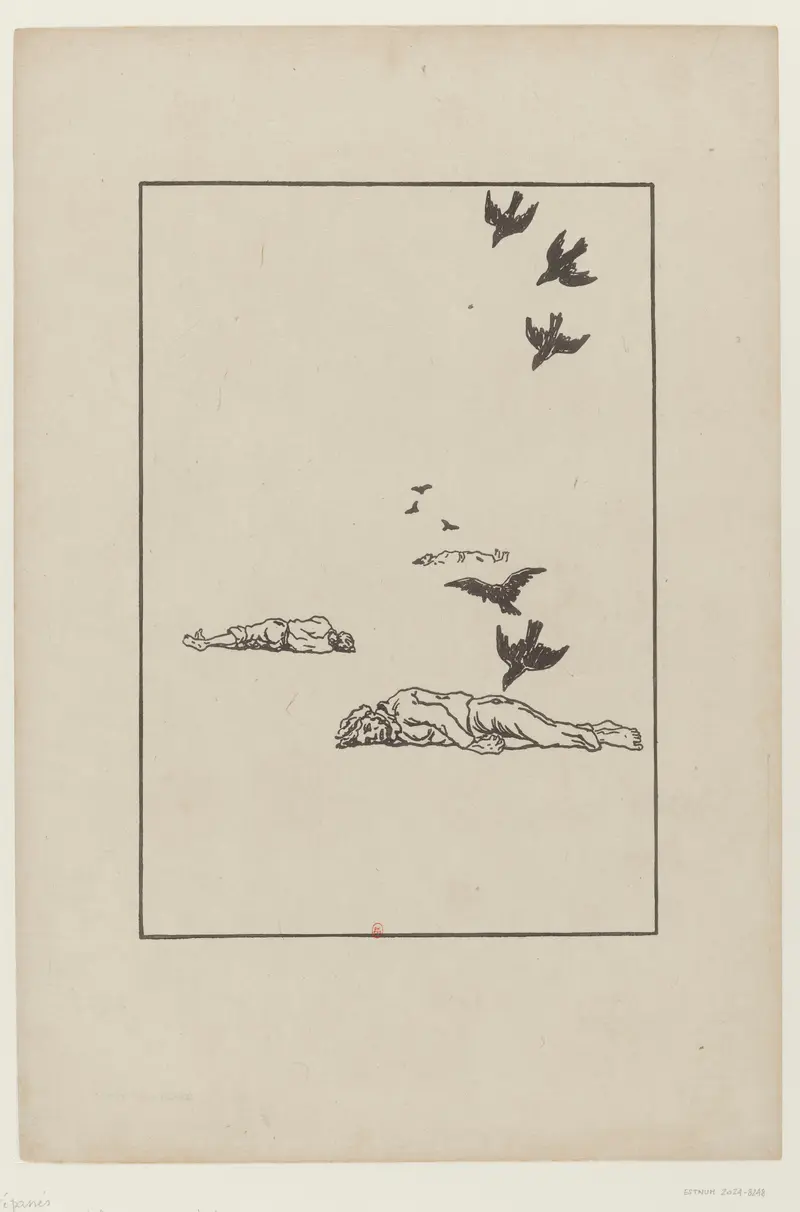
La Baie des trépassés
Henri Rivière
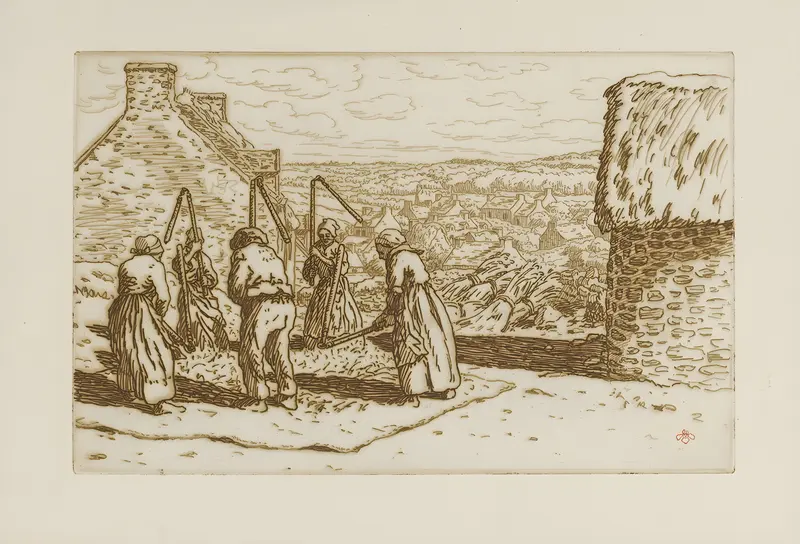
Homme et quatre femmes battant le blé
Henri Rivière

Barque à sec sur le sable au pied de la falaise
Henri Rivière
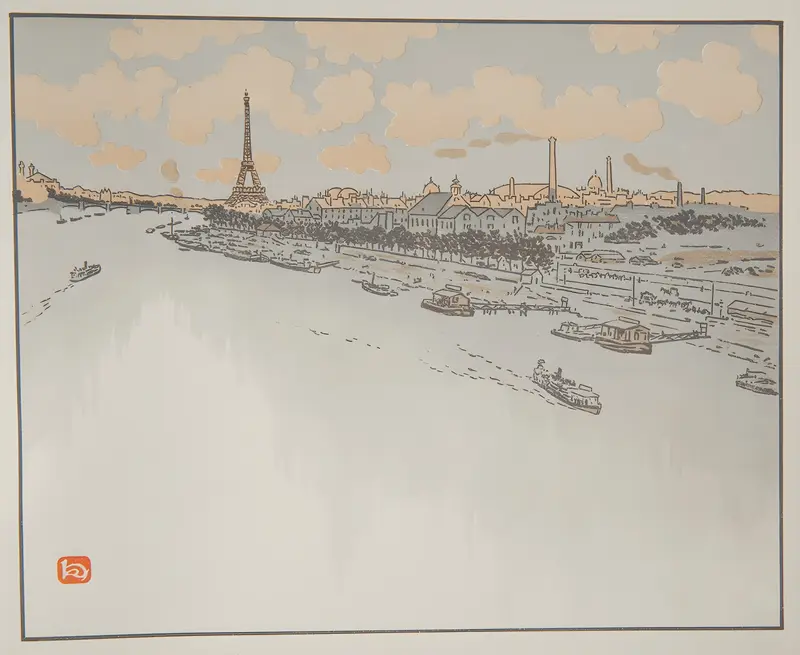
Du Point-du-Jour
Henri Rivière
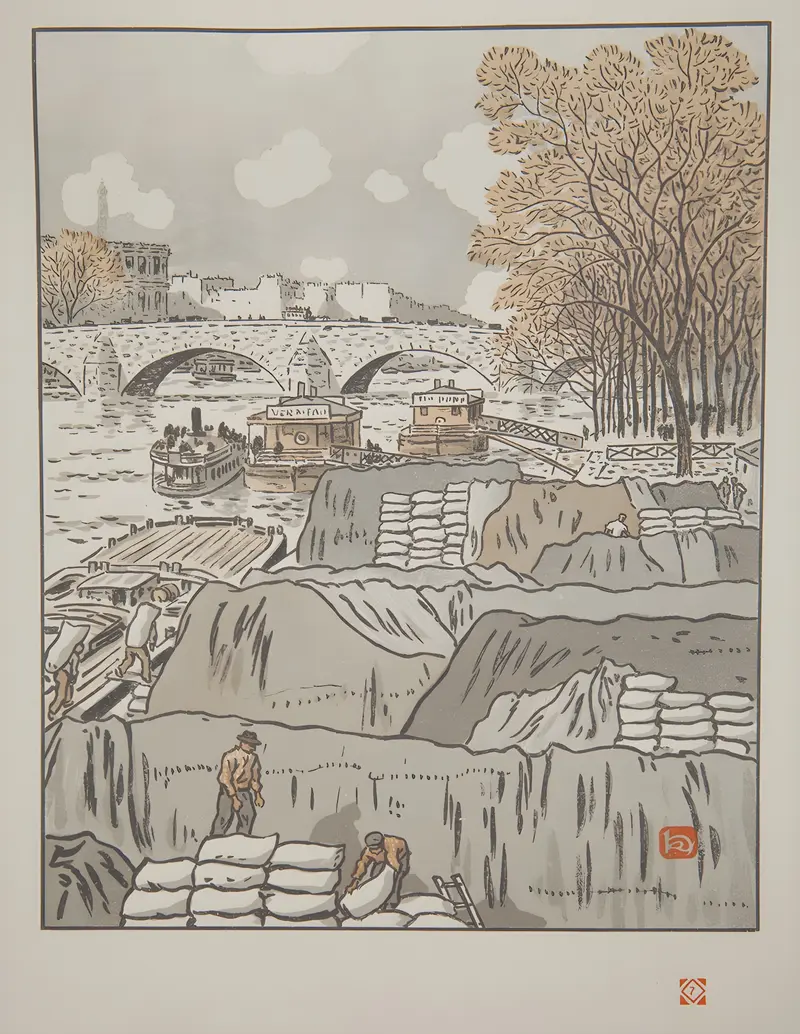
Du Pont des Saints Peres
Henri Rivière
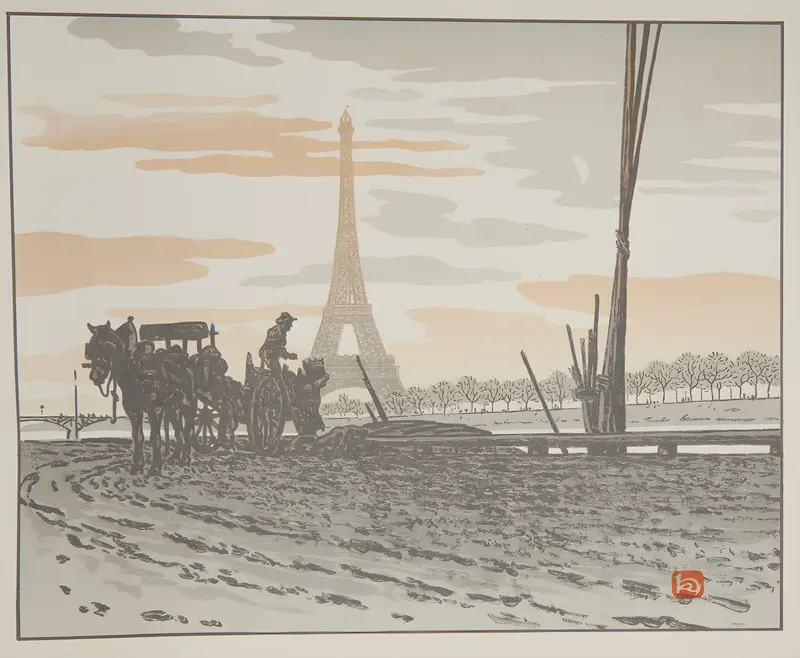
Du Quai de Pasy – Charboniers
Henri Rivière
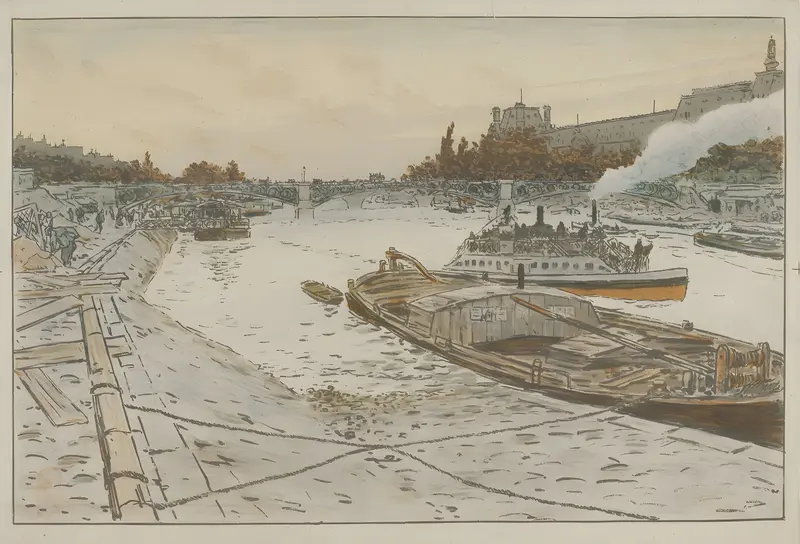
Le Pont des Saints-Pères (pont du Carrousel) et le Louvre
Henri Rivière
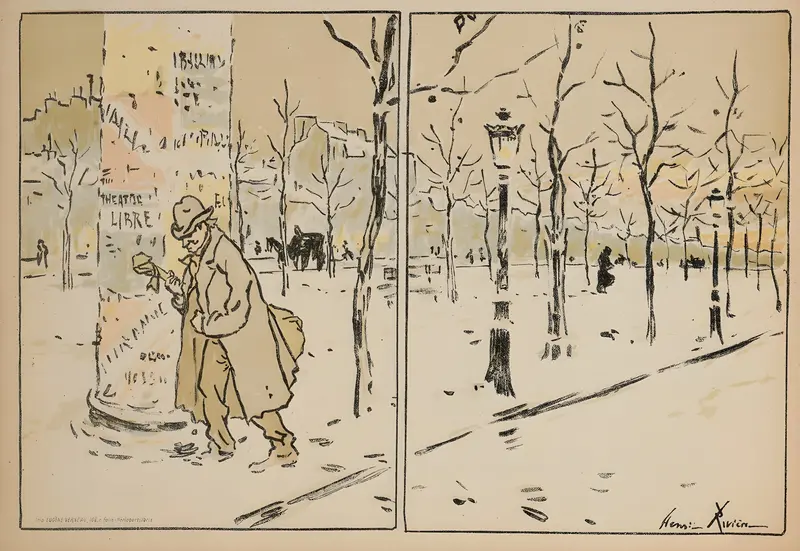
Paris en hiver, Programme pour le Théâtre Libre
Henri Rivière
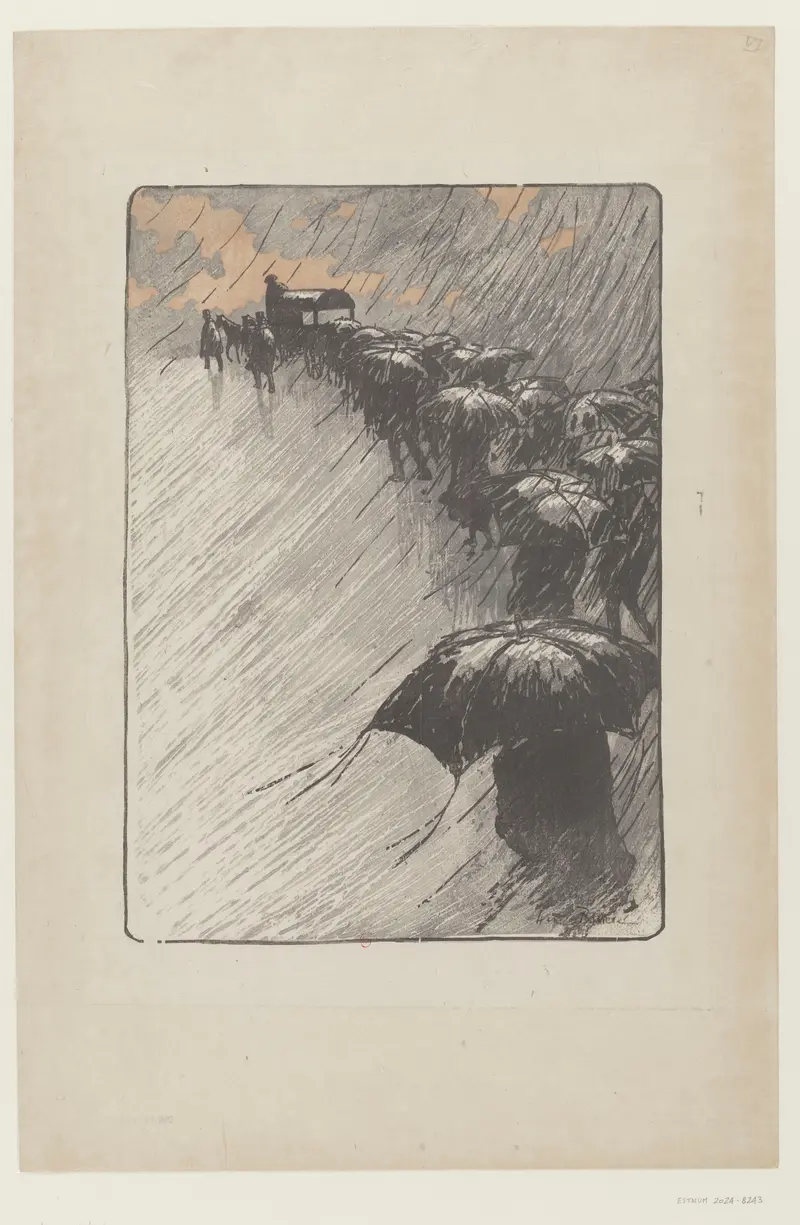
L’Enterrement aux parapluies
Henri Rivière
More Landscape Art

The Starry Night
Vincent van Gogh

View of Delft
Johannes Vermeer

Water Lilies
Claude Monet

The Grand Canal, Venice, looking north-west from the Ca' Corner to the Ca' Contarini degli Scrigni, with the campanile of Santa Maria della Carità
Canaletto

Windsor Castle
Canaletto

The Grand Canal looking North-East from the Palazzo Dolfin-Manin to the Rialto Bridge
Canaletto