Montfort-l’Amaury — History & Facts
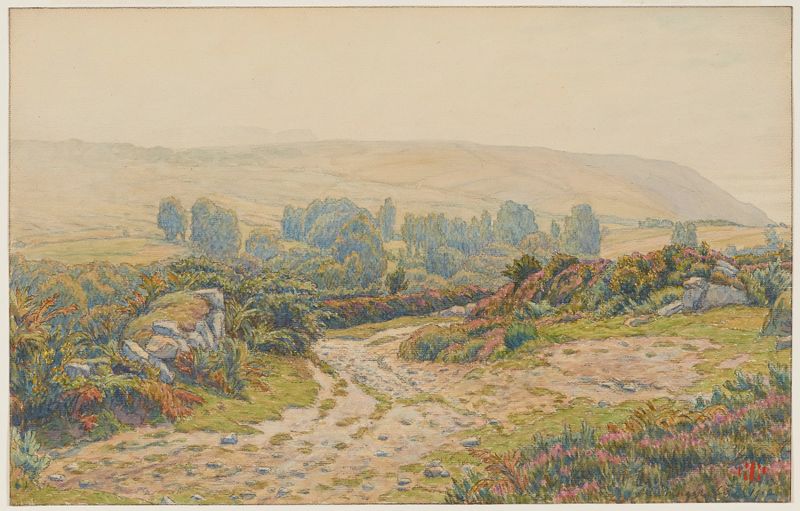
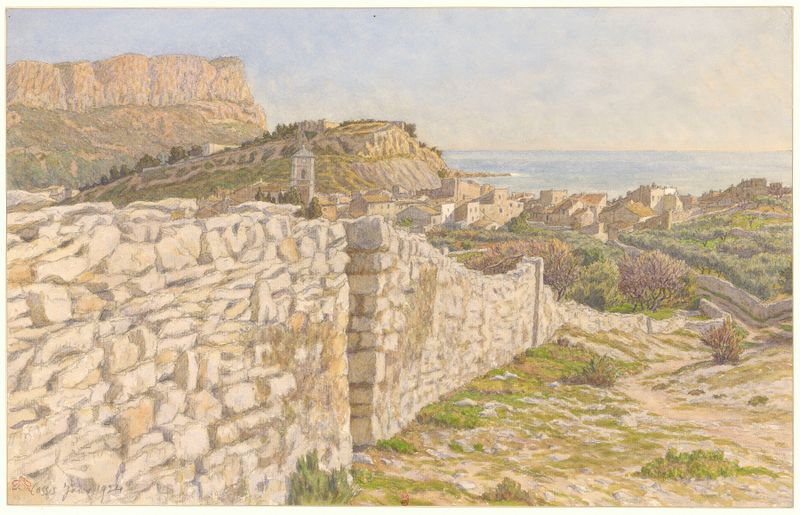
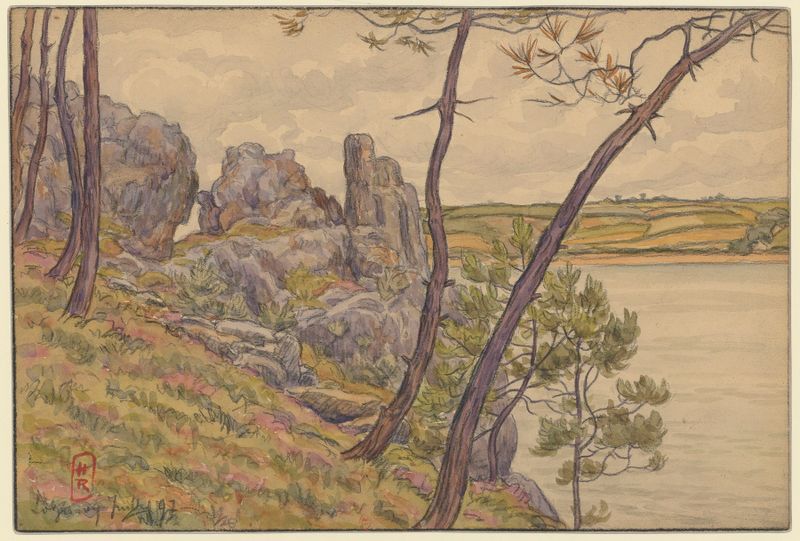
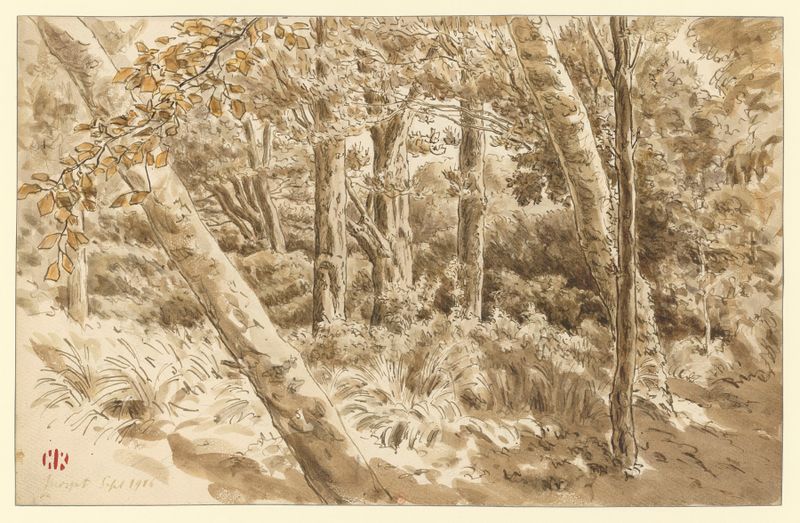
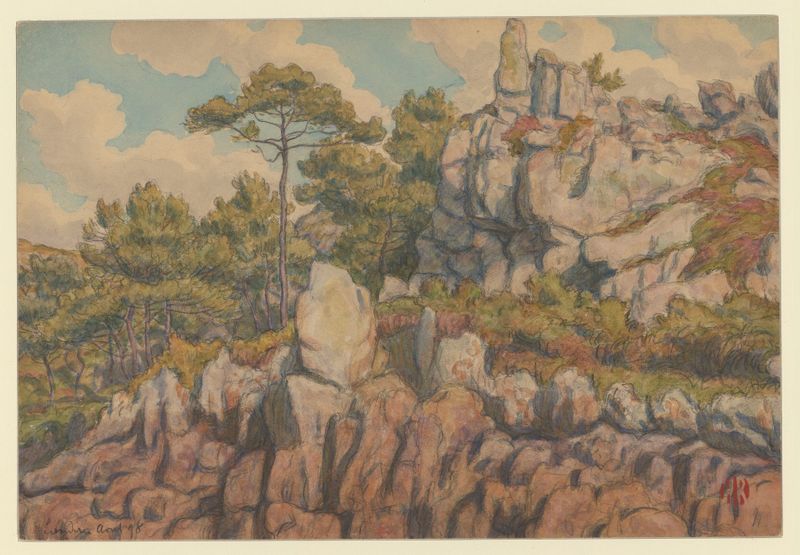
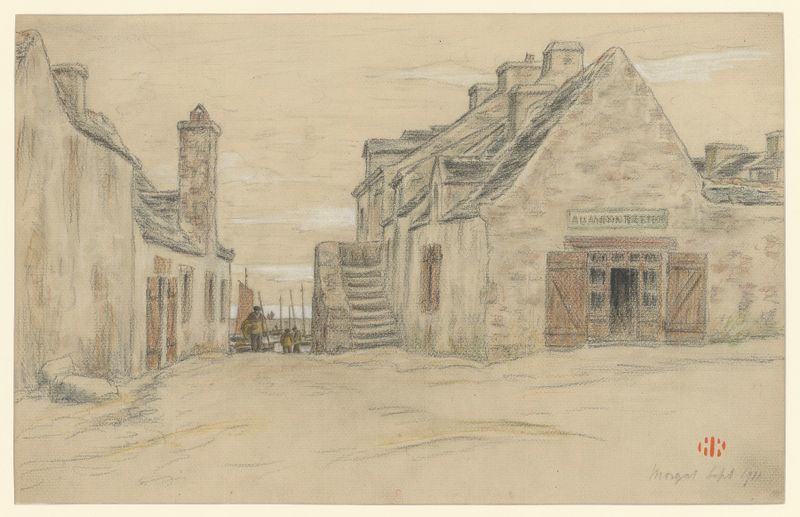
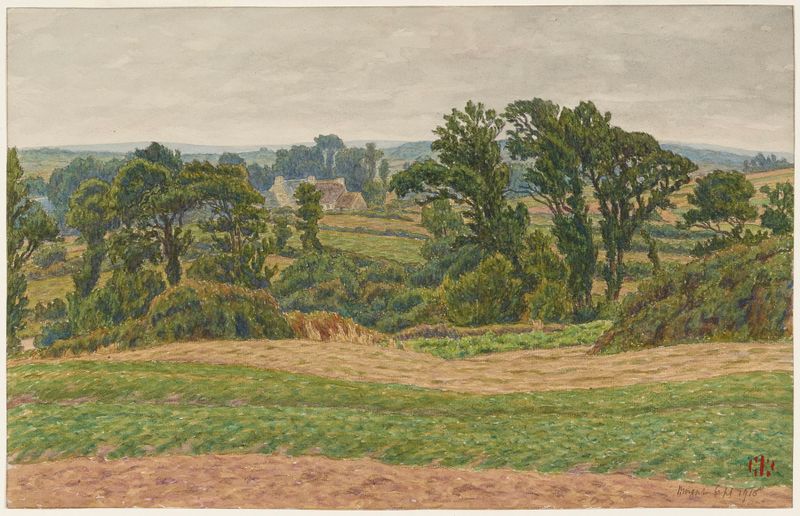
In the quietude of Montfort-l’Amaury, the landscape speaks volumes, each stroke echoing the weight of absence and longing. The image invites you to explore the layers of emotion draped across the canvas, where nature intertwines with the ghosts of memory. Look to the center, where the soft, muted colors of the trees gently cradle a delicate village beneath a cloud-streaked sky. The earthy browns and greens are punctuated by subtle hints of blue, creating a harmonious blend that draws the eye outward.
Notice how the brushwork ebbs and flows, lending a sense of movement to the scene while also anchoring it in stillness. The composition creates a continuity between land and sky, suggesting a connection to something beyond the immediate moment. In this landscape lies a profound exploration of loss. The village, almost ghostly in its solitude, evokes a sense of nostalgia for what once was, while the looming trees suggest both protection and isolation.
The interplay of light and shadow hints at the passage of time, each element quietly confessing its own story of absence and yearning. The emotional tension is palpable, inviting contemplation on the transient nature of life and memory. Created in 1924, this work emerged during a period of introspection for the artist, who was navigating the complexities of post-war Europe. Rivière, known for his connection to the Symbolist movement, infused his landscapes with profound emotional depth.
At this time, he focused on capturing the essence of place, reflecting an era marked by loss and rebuilding, as he sought to reconcile his artistic expressions with the changing world around him.