
Moret-sur-Loing — History & Facts
In Moret-sur-Loing, Gustave Loiseau presents a tranquil landscape filled with lush greenery and a serene river. The painting features a soft palette of greens, blues, and hints of warm earth tones. The sky is painted with gentle strokes, suggesting a calm day.
The overall composition invites viewers to immerse themselves in the peaceful scenery. The painting is executed in oil on canvas, a medium that allows for rich color blending and texture. Loiseau's brushwork is characteristic of the Impressionist style, with visible strokes that create a sense of movement in the foliage and water. The dimensions of the artwork are approximately 60 x 80 cm, making it a medium-sized piece.
The use of light and shadow enhances the three-dimensional quality of the landscape. Gustave Loiseau was part of the French Impressionist movement, known for his landscapes and depictions of light. Moret-sur-Loing is notable for its vibrant representation of the village of Moret, which was a popular subject for many artists of the time. An interesting fact about this work is that it reflects Loiseau's fascination with the interplay of light and nature, a theme prevalent in his later works.
This painting exemplifies his ability to capture the essence of a moment in nature.
More Artworks by Gustave Loiseau

Rue de village en Normandie
Gustave Loiseau
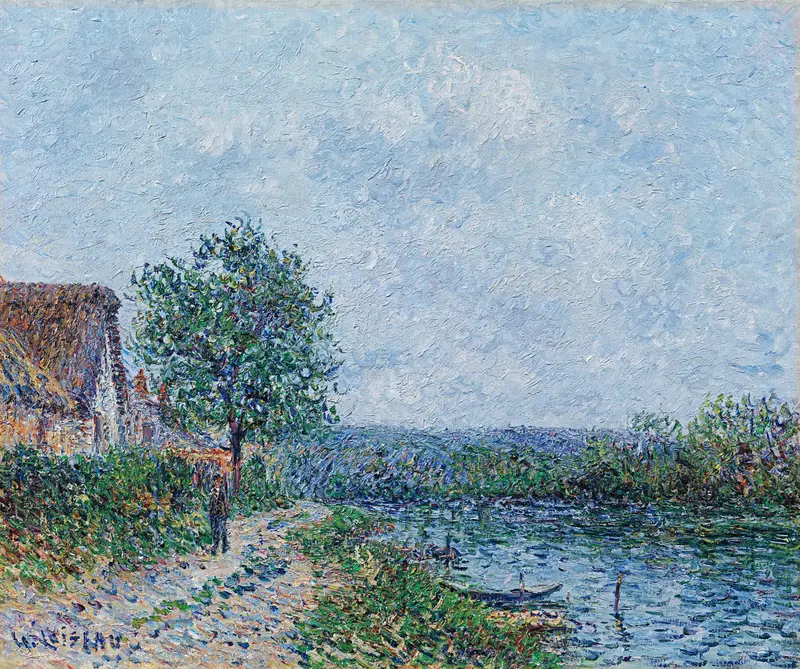
Bord de rivière, la Seine à Porte-Joie
Gustave Loiseau

La Cathédrale de Rouen
Gustave Loiseau
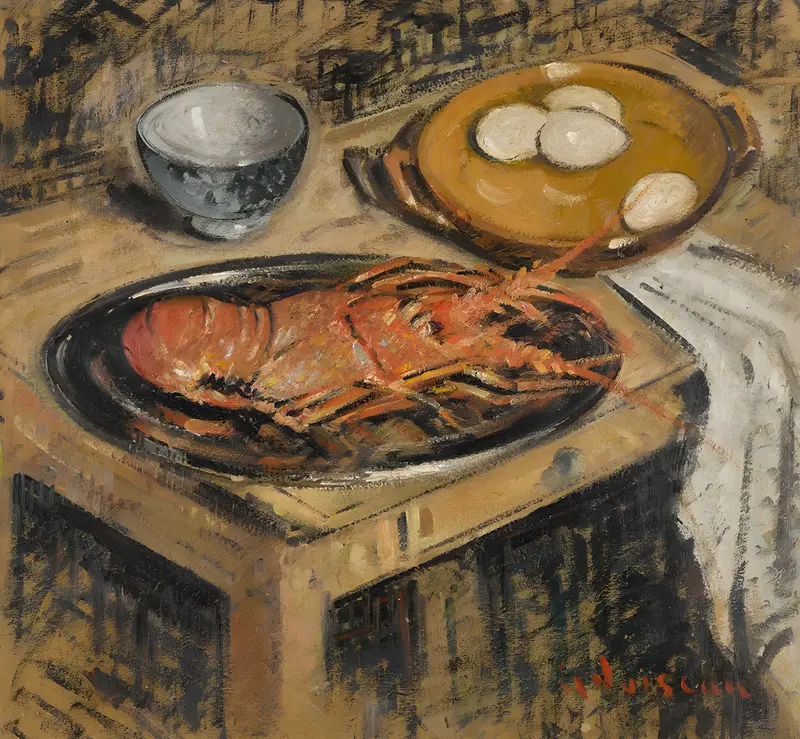
Langouste du Portugal
Gustave Loiseau
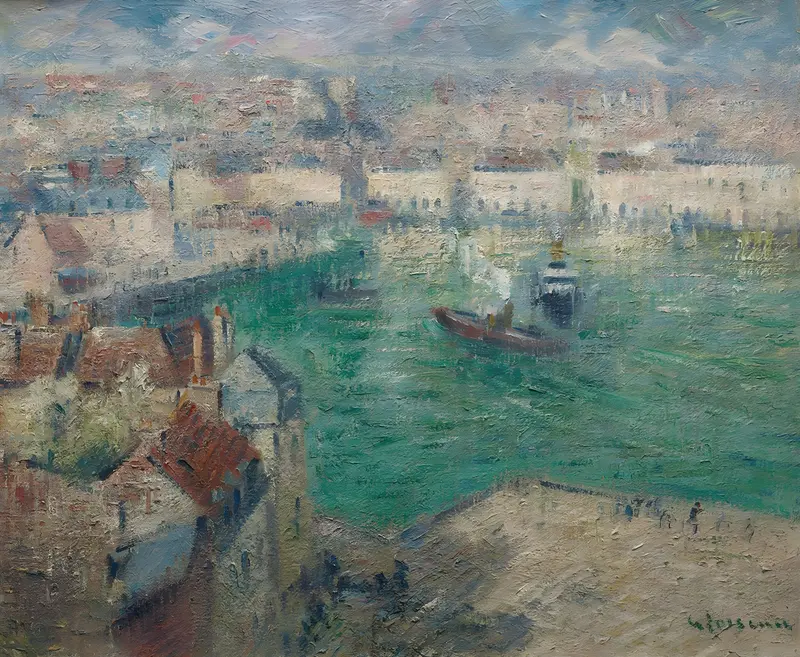
Dieppe
Gustave Loiseau
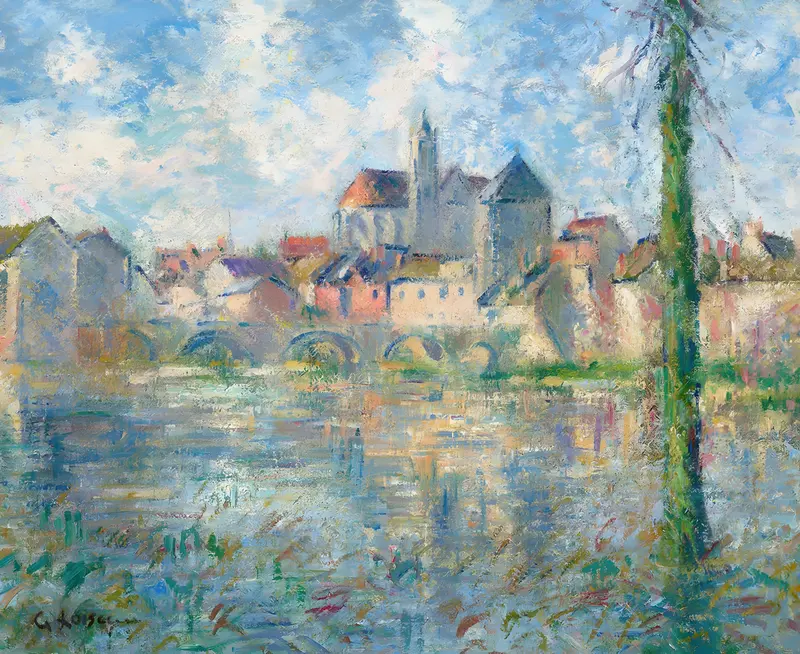
Moret-sur-Loing
Gustave Loiseau
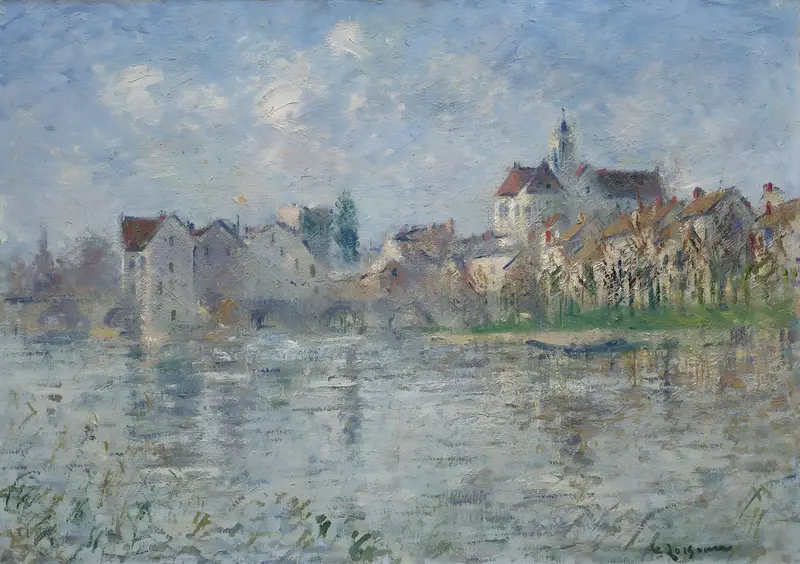
Moret-sur-Loing
Gustave Loiseau
Moret-sur-Loing
Gustave Loiseau
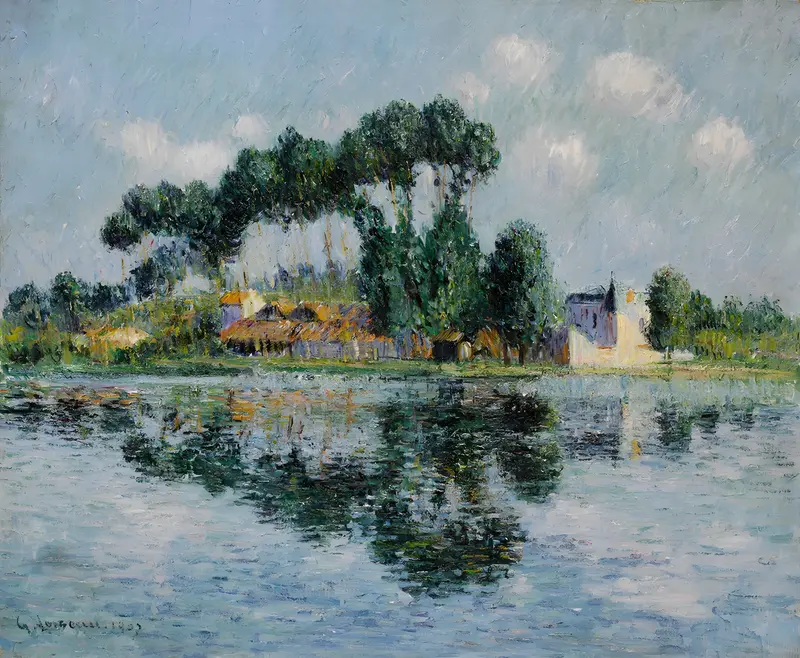
Peupliers sur les bords de l’Yonne
Gustave Loiseau
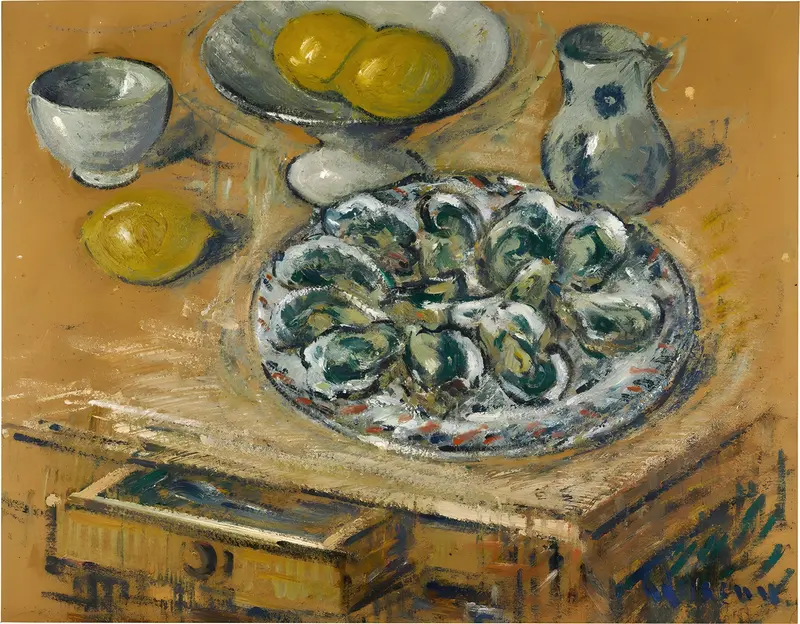
Huîtres et citrons
Gustave Loiseau
More Landscape Art

The Starry Night
Vincent van Gogh

View of Delft
Johannes Vermeer

Water Lilies
Claude Monet

The Grand Canal, Venice, looking north-west from the Ca' Corner to the Ca' Contarini degli Scrigni, with the campanile of Santa Maria della Carità
Canaletto

Windsor Castle
Canaletto

The Grand Canal looking North-East from the Palazzo Dolfin-Manin to the Rialto Bridge
Canaletto