
Morgat — History & Facts
In the presence of light, stories unfold, revealing layers that invite contemplation and reflection. Look to the center of the composition, where the vibrant blues of the sea contrast sharply with the muted earth tones of the cliffs. Rivière's deft use of light creates a shimmering effect on the water, drawing the viewer's gaze to the horizon. Notice how the brushstrokes vary in texture, with smooth areas suggesting the fluidity of the waves, while the rougher strokes depict the rugged cliffs, emphasizing the rugged beauty of the landscape. Beneath the surface, the painting evokes a sense of solitude and introspection.
The interplay of light and shadow suggests the passage of time, hinting at fleeting moments in nature. The distant horizon captivates with a promise of discovery, while the cliffs, sturdy and steadfast, symbolize permanence amidst change. This contrast creates a tension that resonates deeply, inviting the viewer to ponder their own place within the vastness of the world. In 1913, Rivière painted this work during a time when he was deeply immersed in the Symbolist movement, exploring how light could convey emotion and narrative.
Living in France, he was influenced by the interplay of nature and human experience, capturing the essence of his surroundings with a unique sensitivity. This piece reflects both his personal journey and the broader artistic currents of the era, showcasing his commitment to integrating the natural world into a larger philosophical framework.
More Artworks by Henri Rivière

Sur les toits
Henri Rivière
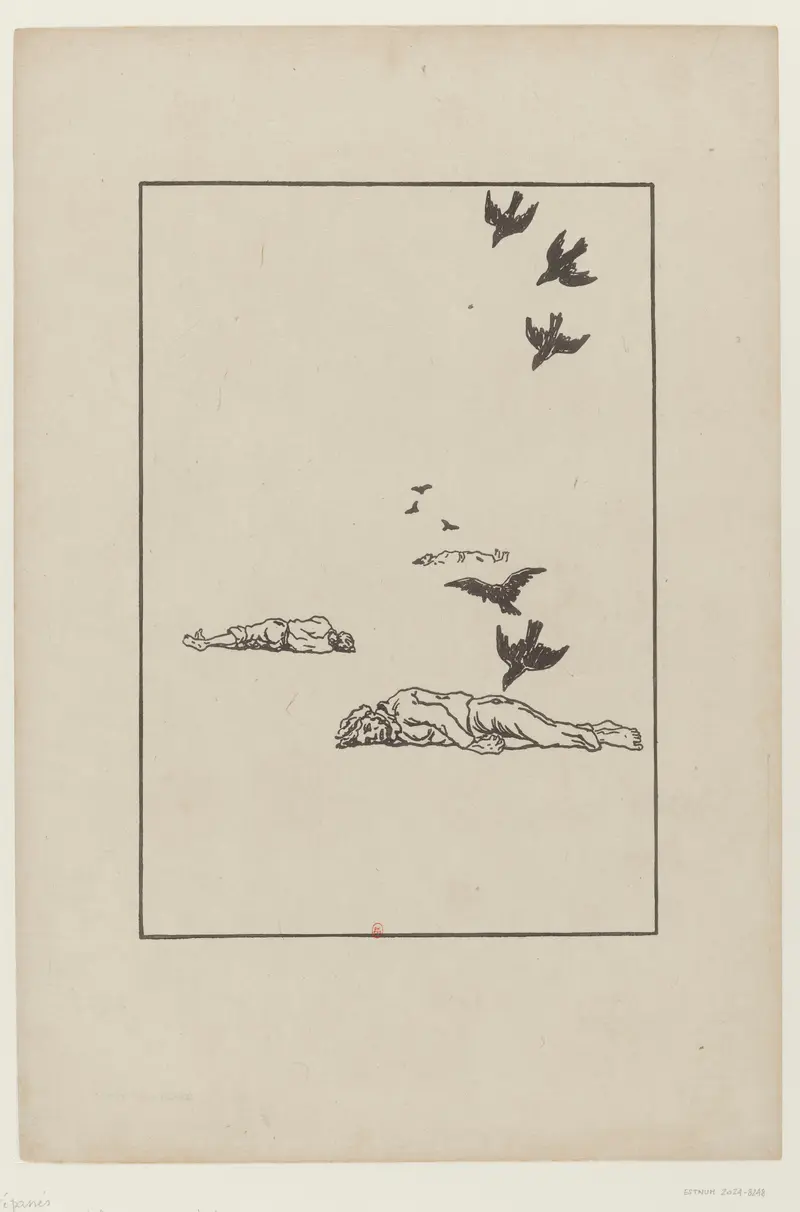
La Baie des trépassés
Henri Rivière
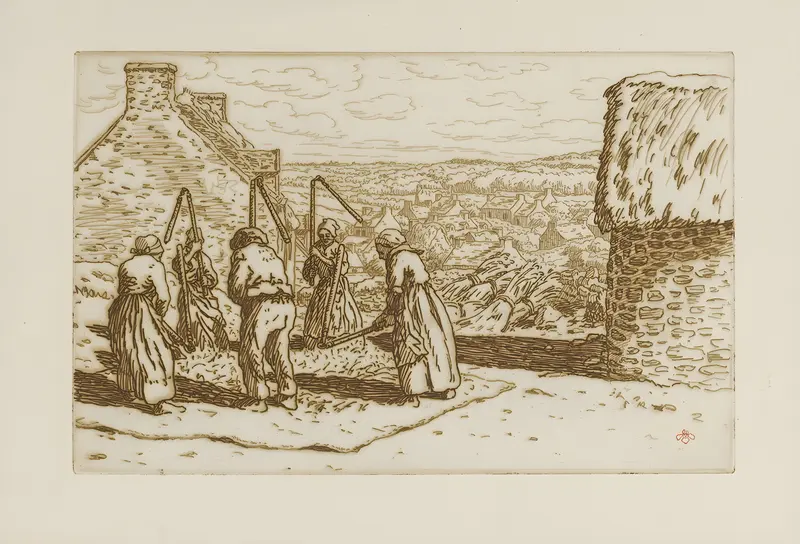
Homme et quatre femmes battant le blé
Henri Rivière

Barque à sec sur le sable au pied de la falaise
Henri Rivière
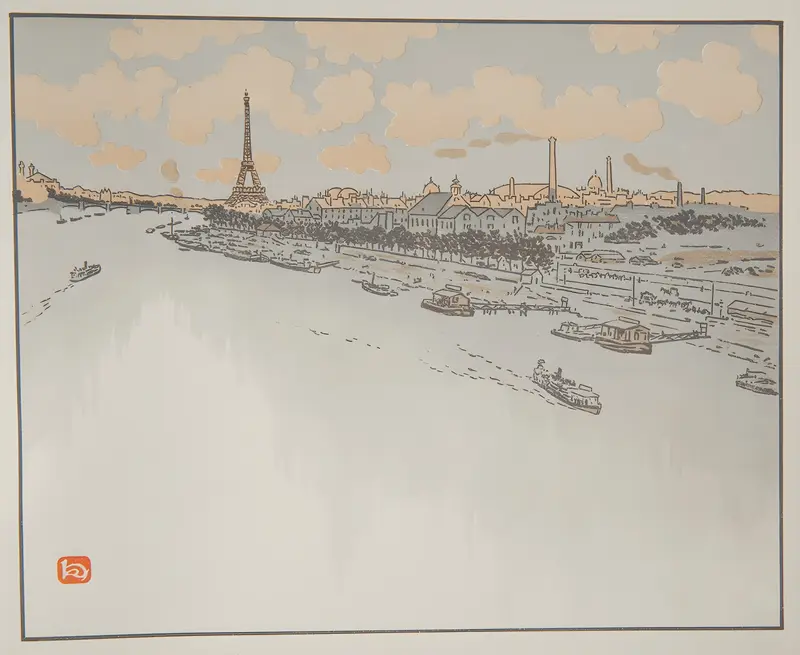
Du Point-du-Jour
Henri Rivière
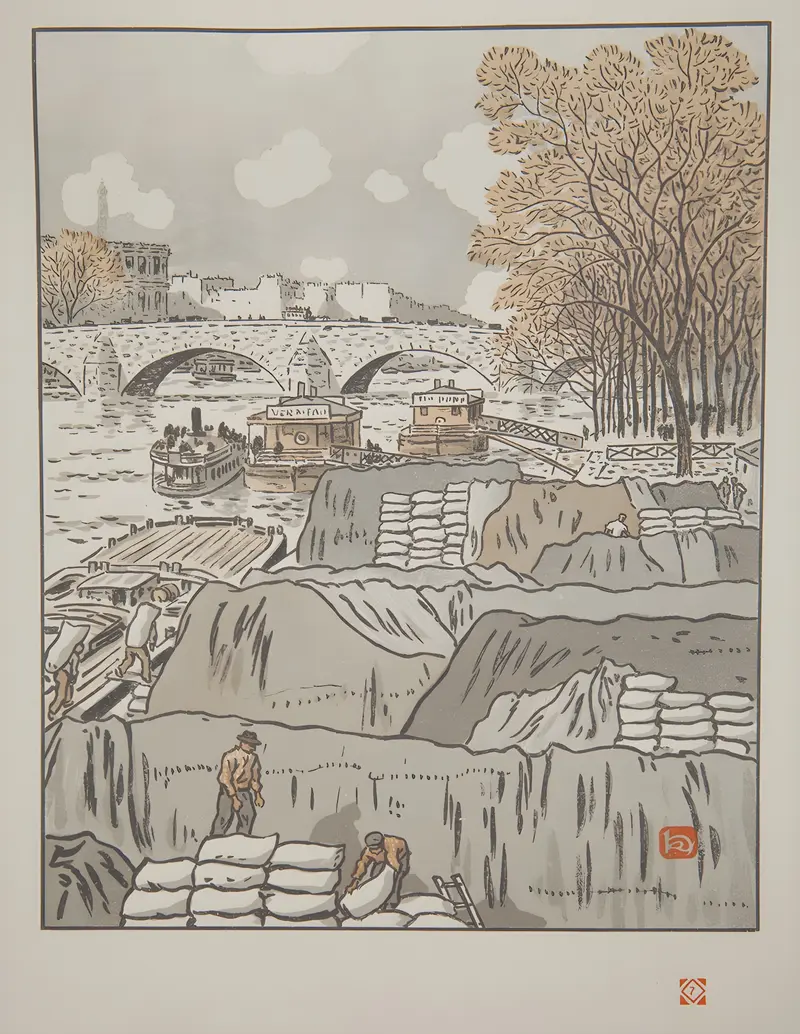
Du Pont des Saints Peres
Henri Rivière
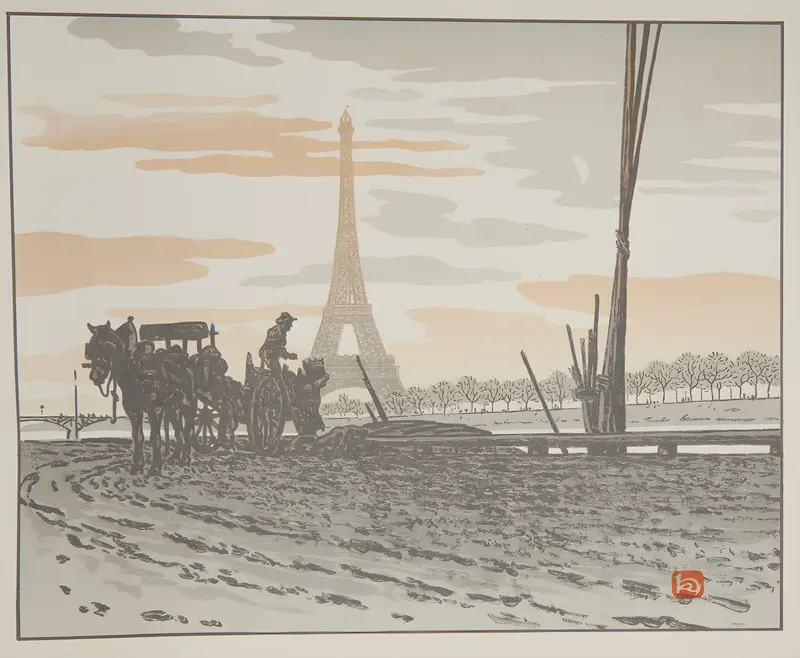
Du Quai de Pasy – Charboniers
Henri Rivière
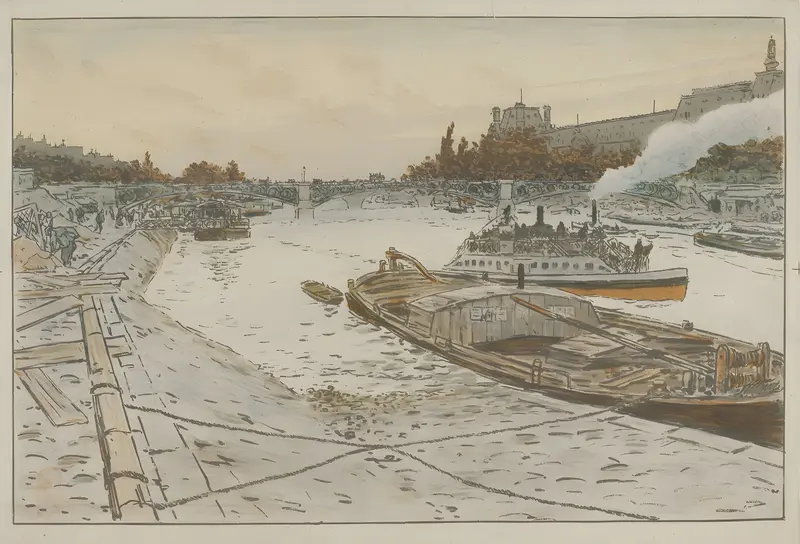
Le Pont des Saints-Pères (pont du Carrousel) et le Louvre
Henri Rivière
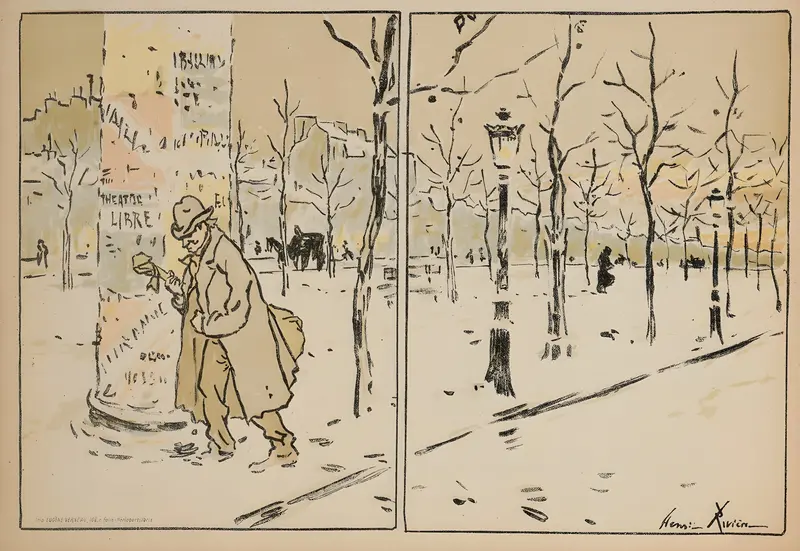
Paris en hiver, Programme pour le Théâtre Libre
Henri Rivière
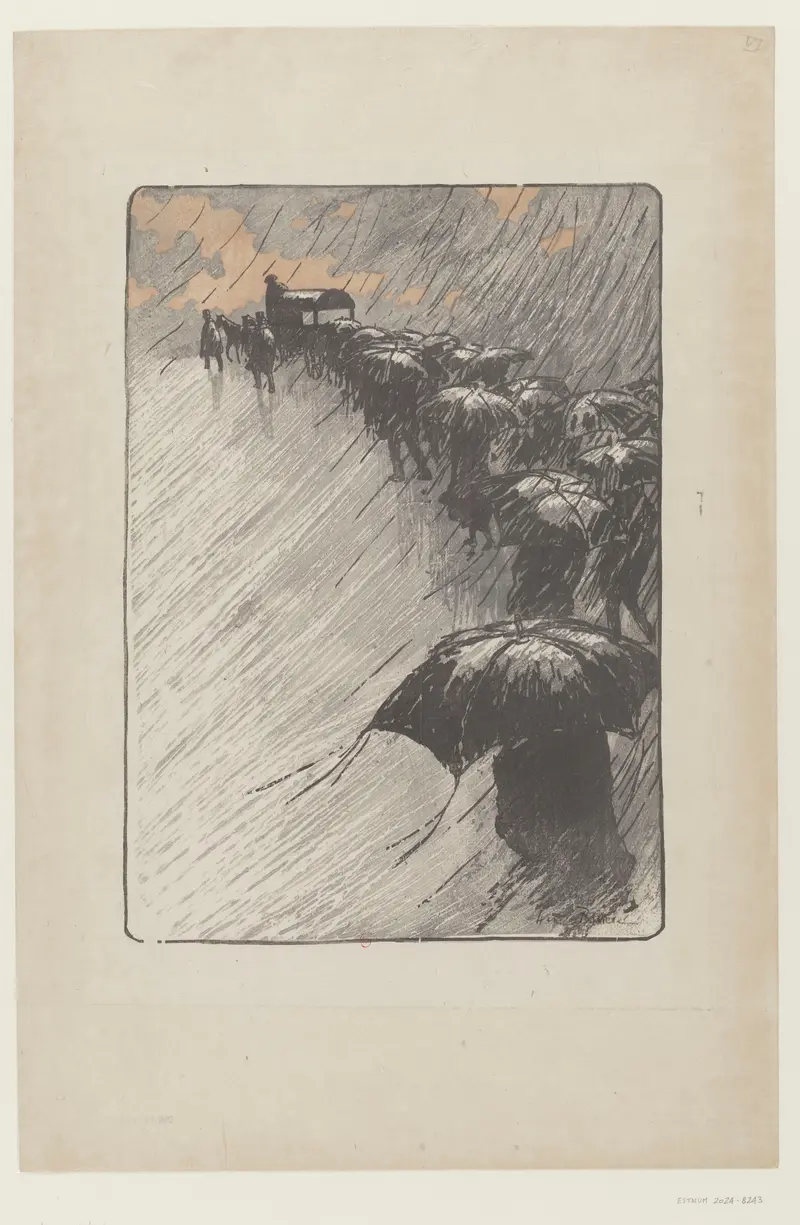
L’Enterrement aux parapluies
Henri Rivière





