Mortmain — History & Facts
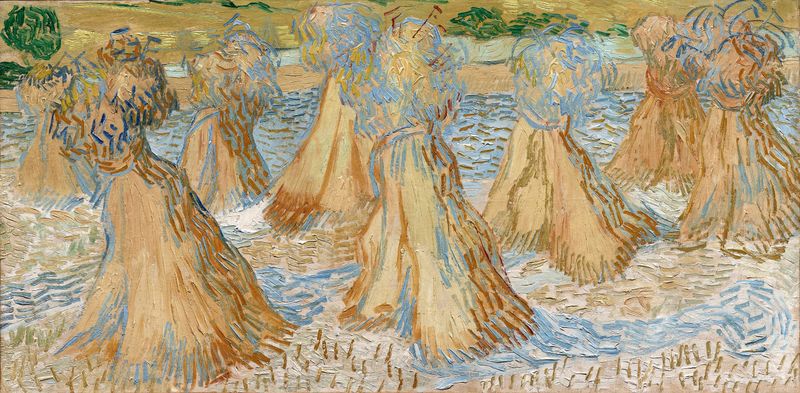
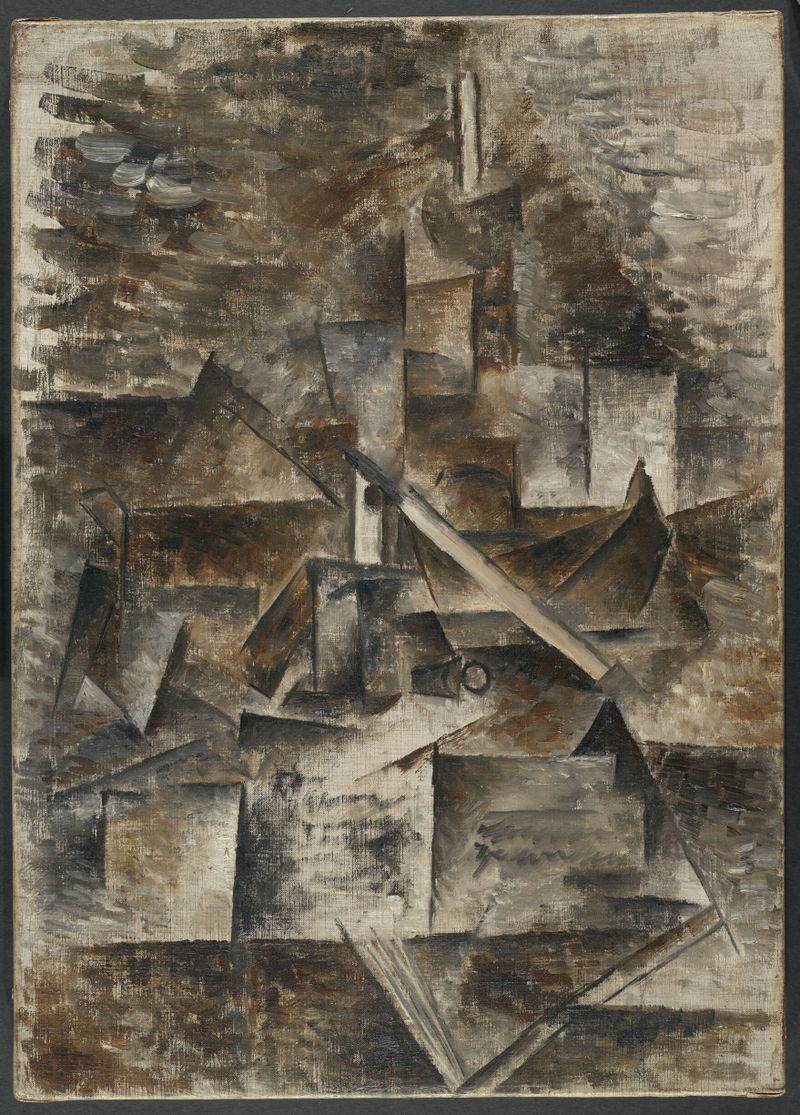
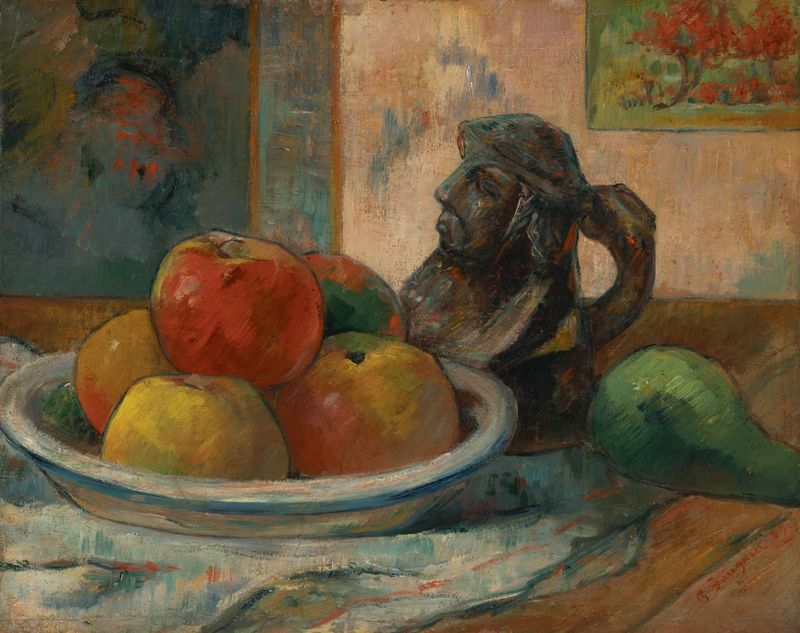
In the stillness of Mortmain, the weight of absence permeates every brushstroke, echoing the deep ache of loss that lingers in our hearts. Look to the center of the composition where an ominous, skeletal hand reaches out, clutching a delicate flower. The muted shades of gray and brown envelop the scene, evoking a somber atmosphere that contrasts sharply with the fragile beauty of the bloom. Notice how the light subtly highlights the petals, casting a soft glow that symbolizes the fleeting nature of life amidst the stark reminder of mortality. Upon closer inspection, subtle details reveal a profound emotional tension.
The juxtaposition of the decaying hand against the vibrant flower speaks to the inevitable struggle between life and death. The texture of the canvas enhances this dichotomy, with rough brushwork creating a sense of despair, while the smoother strokes on the flower evoke tenderness and fragility. Each element intertwines, inviting contemplation on the impermanence of existence and the memories we hold dear. Created in the aftermath of World War I, Mortmain emerged from a period marked by profound grief and societal reflection.
Griggs, an English painter, sought to capture the complexities of emotion during a time when the world grappled with loss and the scars of war. This work serves not only as a personal exploration of mortality but also as a poignant commentary on the collective sorrow of a generation.
More Artworks by Frederick Landseer Maur Griggs
Browse all →
Maur’s Farm
Frederick Landseer Maur Griggs
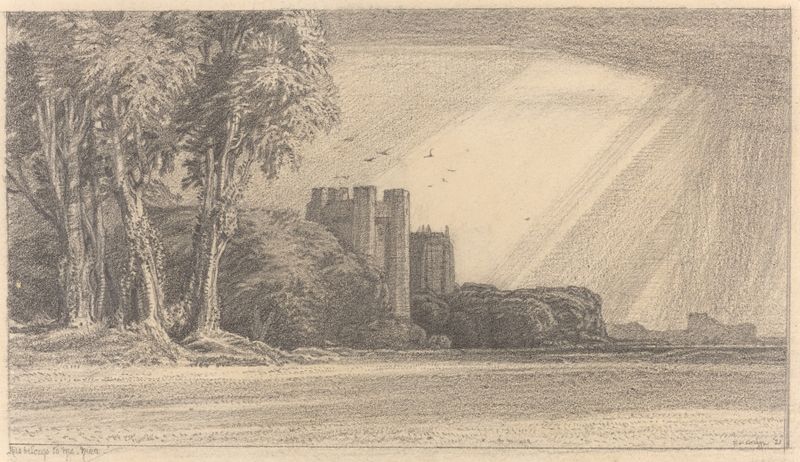
Landscape with Castle
Frederick Landseer Maur Griggs
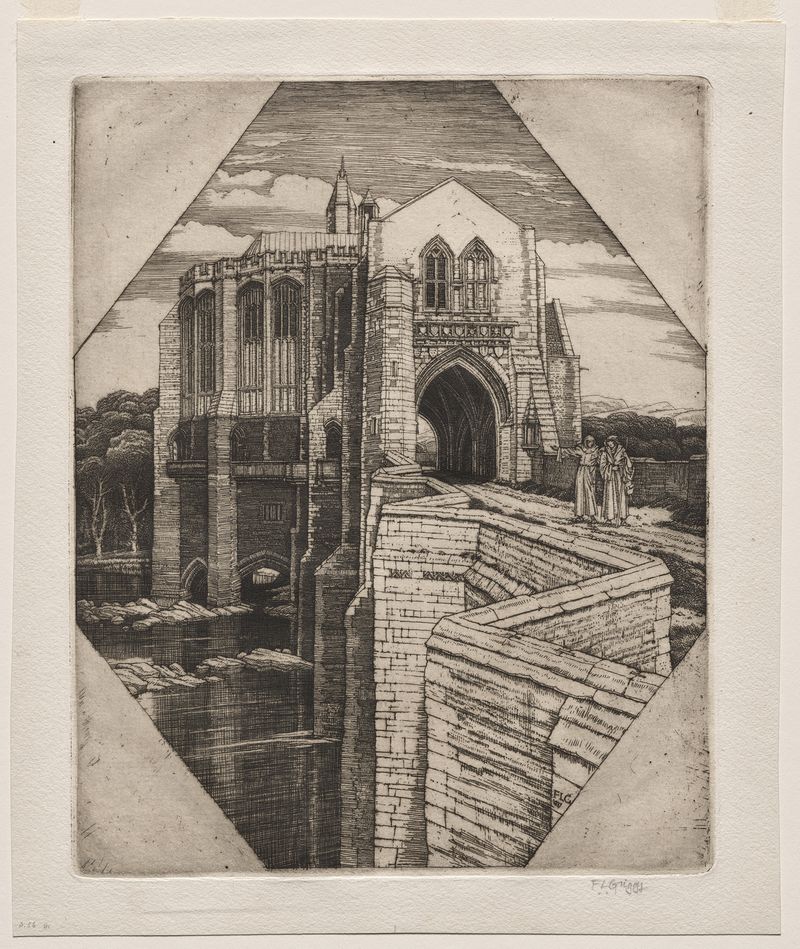
St. Botolph’s Bridge No. 2 1937
Frederick Landseer Maur Griggs
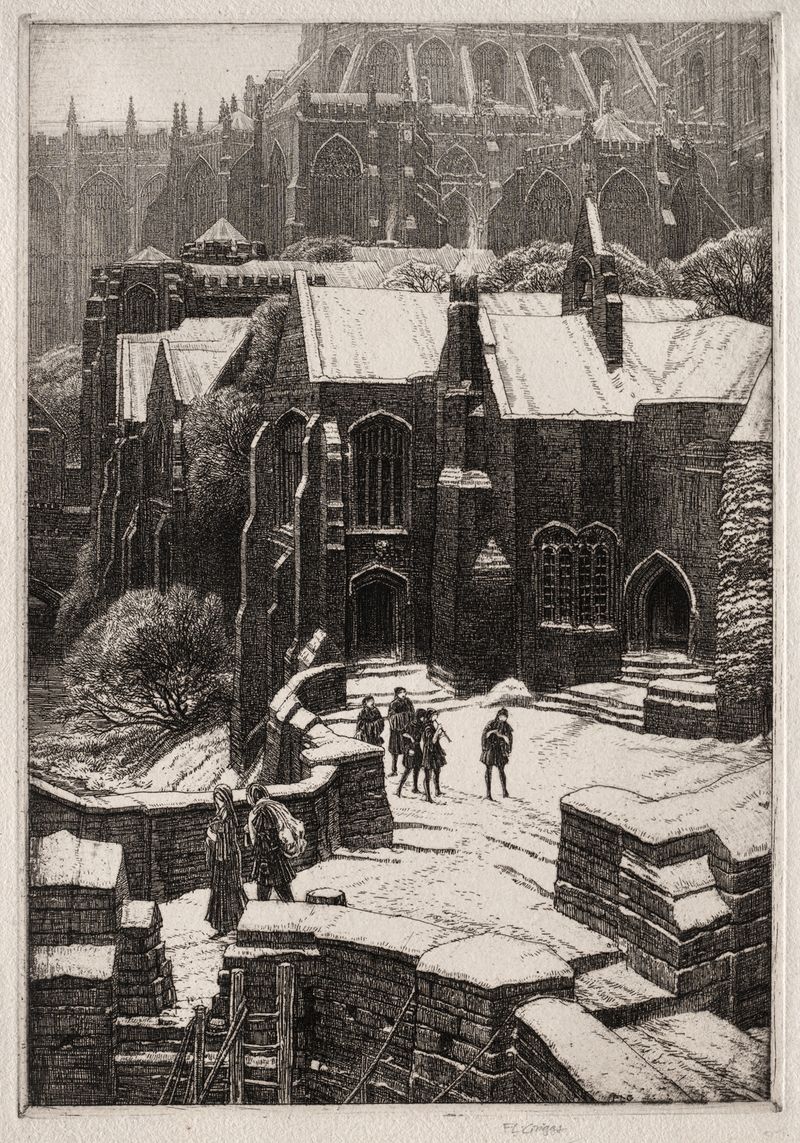
The Almonry
Frederick Landseer Maur Griggs

The Cresset
Frederick Landseer Maur Griggs
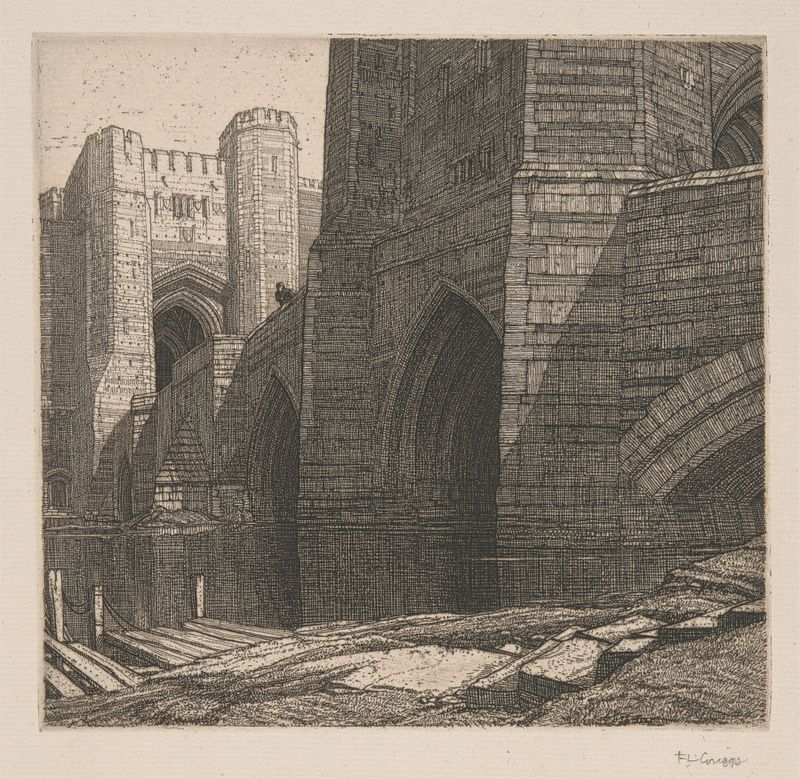
The Barbican
Frederick Landseer Maur Griggs

Maur’s Farm
Frederick Landseer Maur Griggs
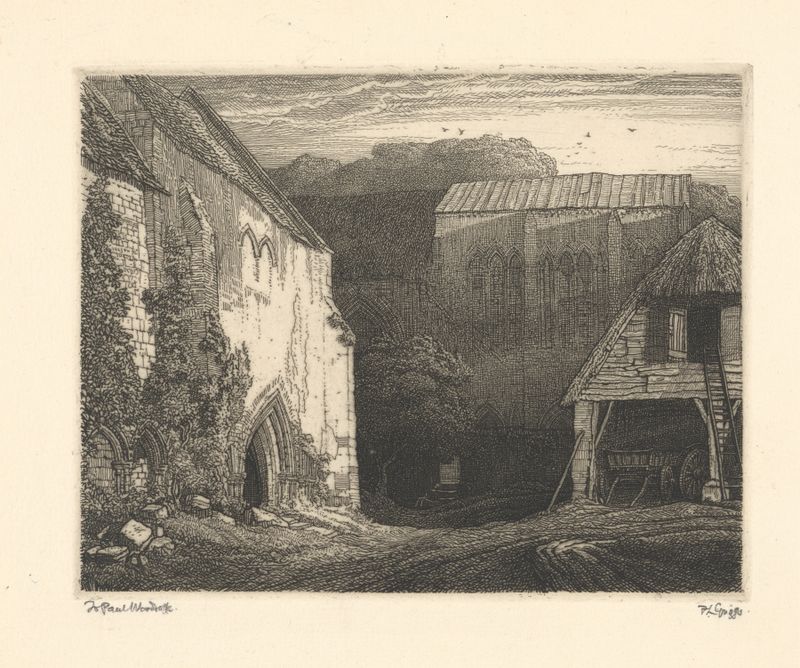
Priory Farm
Frederick Landseer Maur Griggs

St. Wendred’s March
Frederick Landseer Maur Griggs
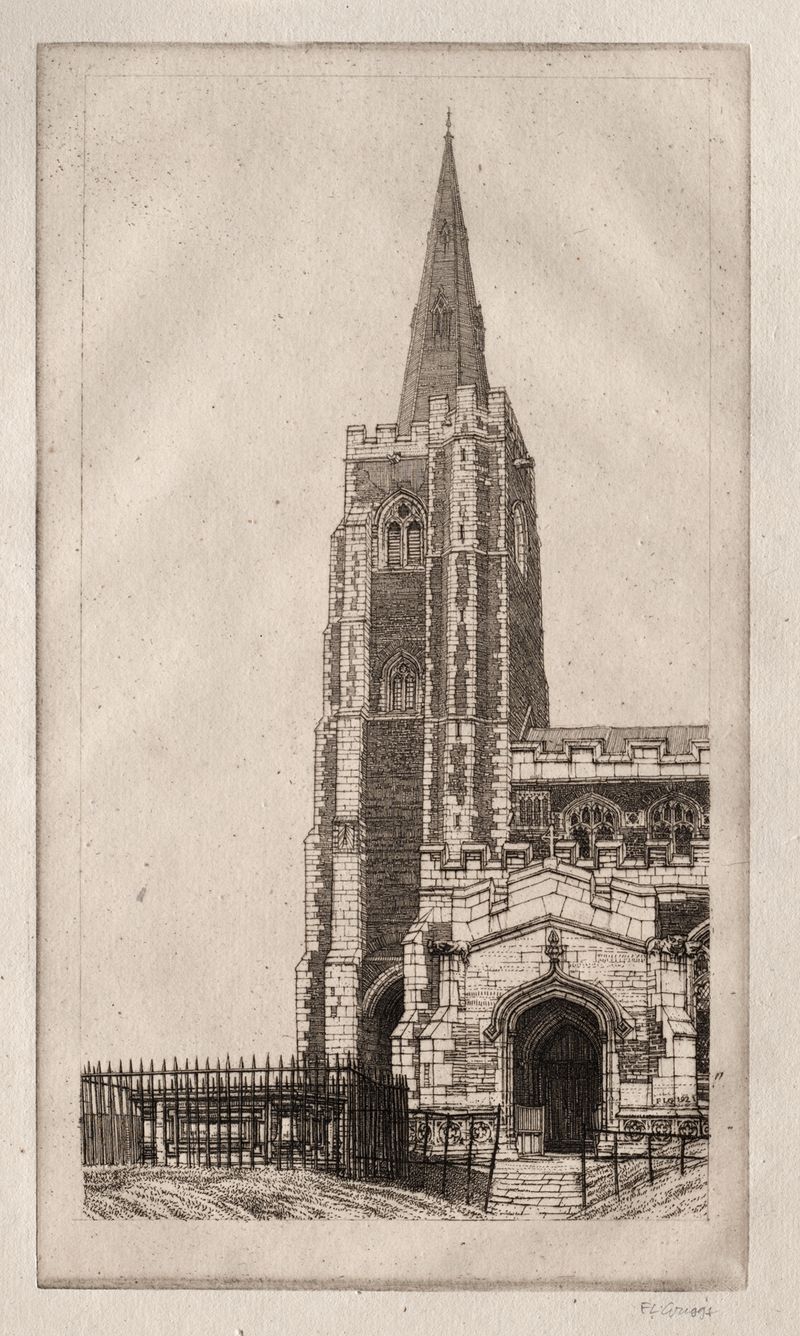
St. Wendred’s, March
Frederick Landseer Maur Griggs