
Mosque of Omar in Jerusalem. From the journey to Palestine — History & Facts
Is this a mirror — or a memory? The Mosque of Omar in Jerusalem, painted by Jan Ciągliński in 1901, invites viewers to contemplate the intersection of history and personal experience through the lens of awe. Look to the center, where the magnificent dome rises majestically against the cerulean sky, its intricate patterns adorned with gold accents. Notice how the sunlight casts dynamic shadows across the textured stone, highlighting the craftsmanship of the mosque. To the left, warm earth-toned buildings nestle closely, their surfaces softened by time, while vibrant greenery frames the scene, creating a harmonious balance between architecture and nature. The juxtaposition of light and shadow within the painting evokes a sense of reverence and nostalgia.
The mosque stands as a testament to faith and resilience, while the surrounding landscape reflects both the beauty and complexity of a sacred place. Threads of history weave through the fabric of the visual narrative, suggesting that the reverence for such places transcends mere observation, inviting a deeper engagement with the past. At the turn of the 20th century, Ciągliński was deeply influenced by his travels through the Middle East, exploring themes of cultural identity and spiritual connection in his work. Creating this piece during a time of increasing interest in Orientalism, he captured not only the architectural grandeur of Jerusalem but also a moment of personal reflection and historical significance, which continues to resonate today.
More Artworks by Jan Ciągliński
Browse all →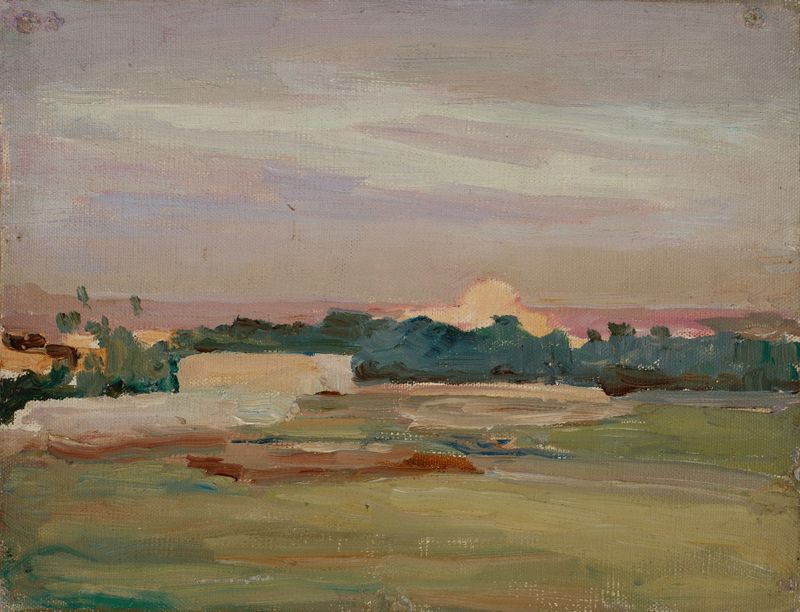
The Sirocco
Jan Ciągliński
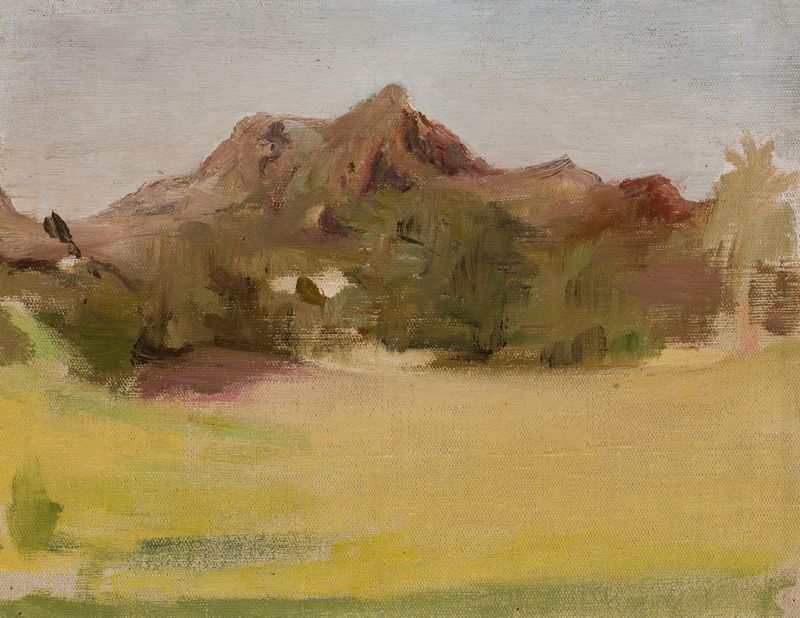
Mountain landscape. From the journey to India
Jan Ciągliński
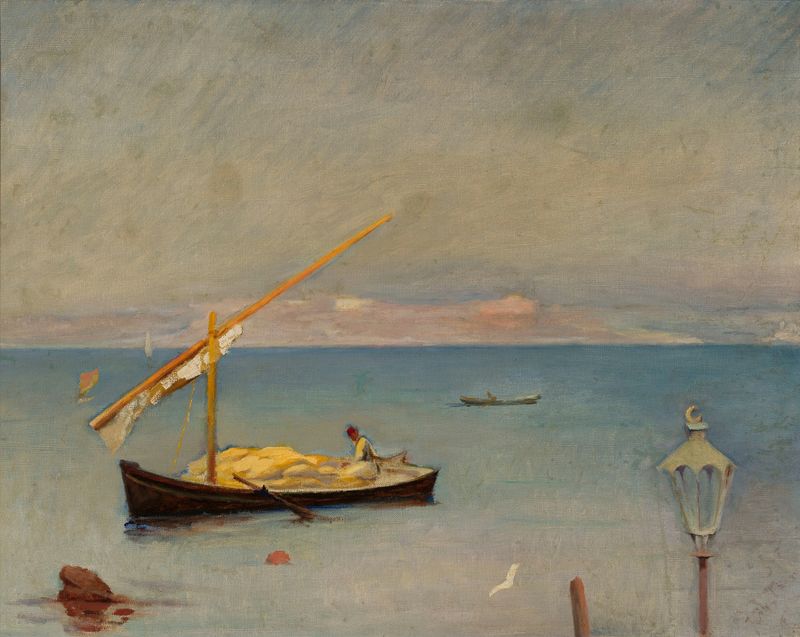
At Bosporus
Jan Ciągliński
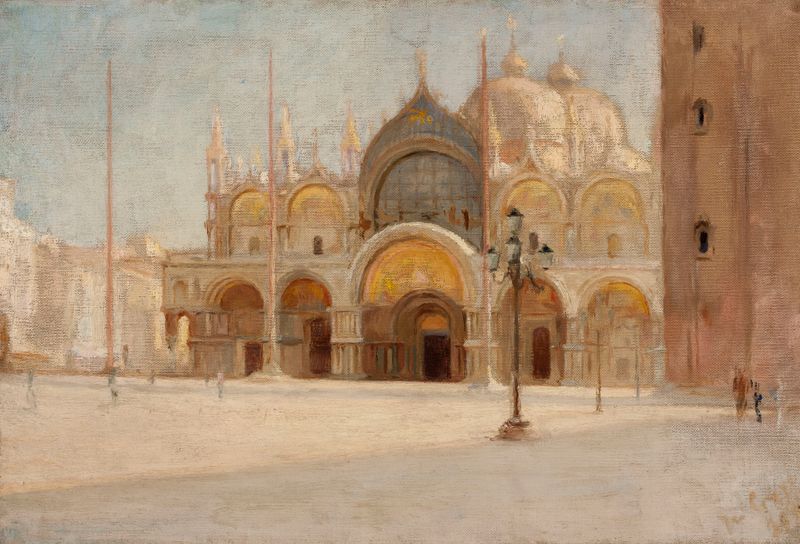
St Mark’s Square in Venice
Jan Ciągliński
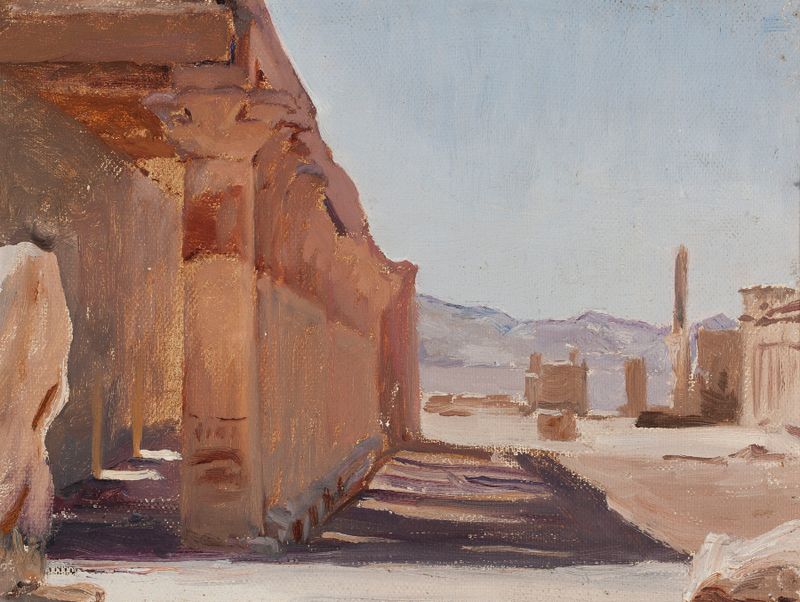
Temple. From the journey to Egypt
Jan Ciągliński
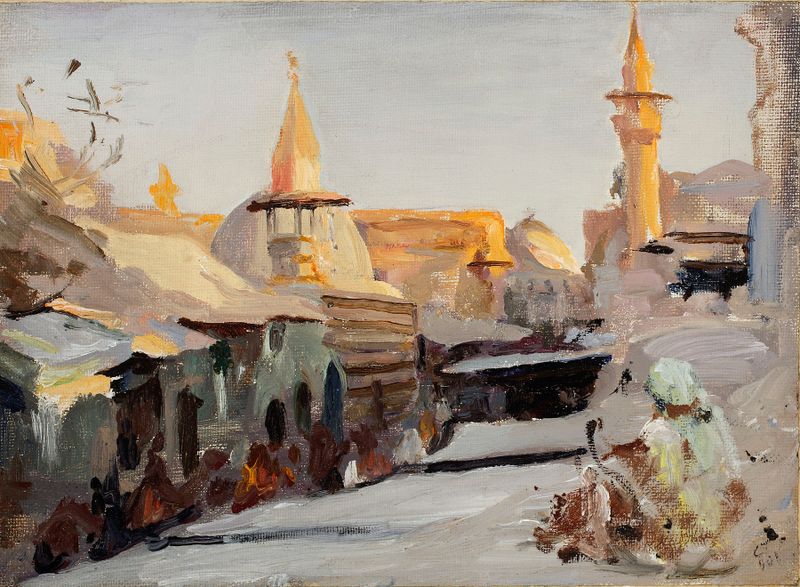
Street in Damascus. From the journey to Palestine
Jan Ciągliński
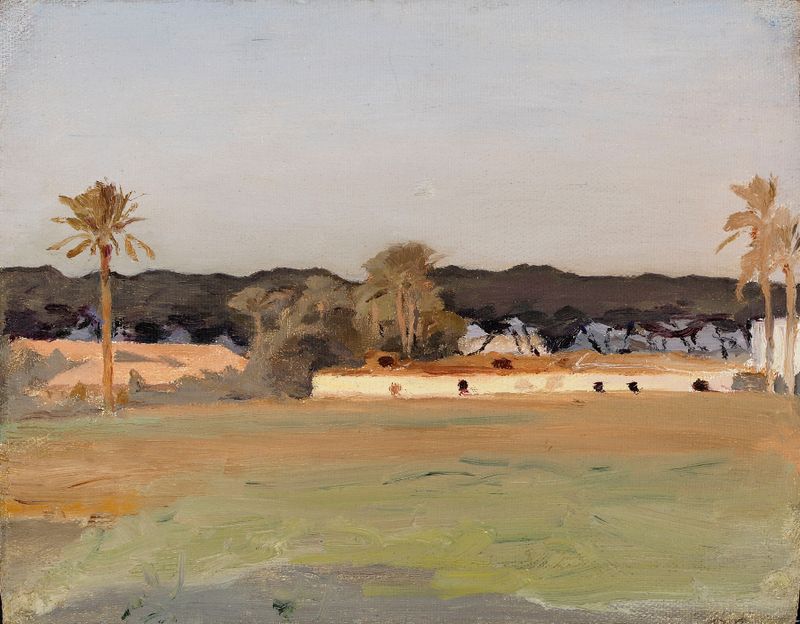
Evening. From the journey to Egypt
Jan Ciągliński
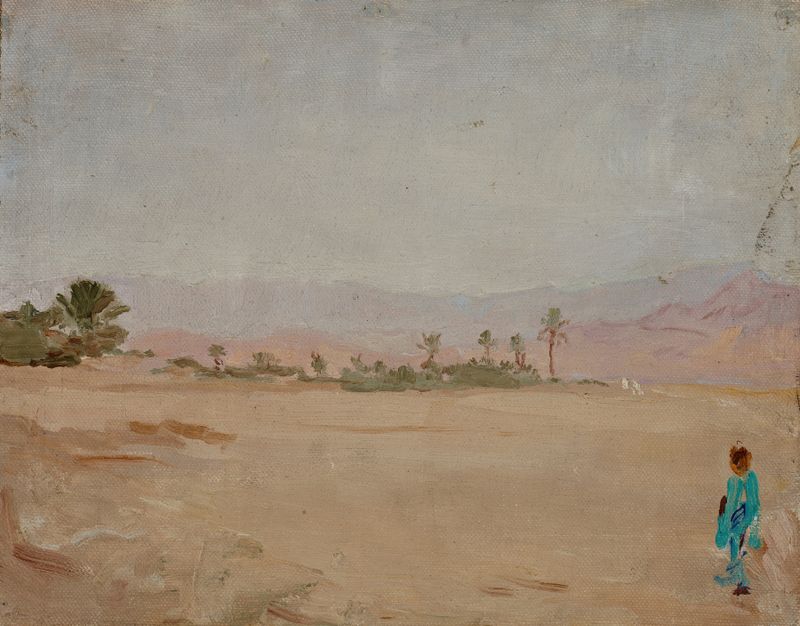
Sahara (Desert)
Jan Ciągliński
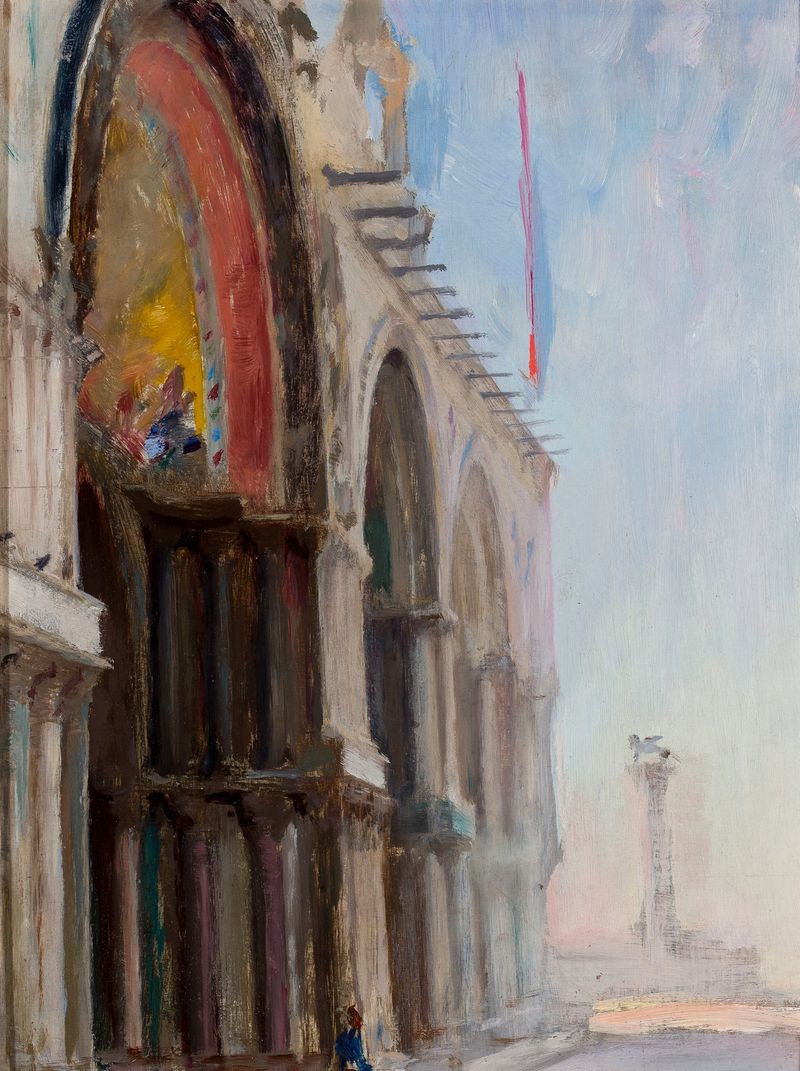
Venice – San Marco. From the journey to Italy
Jan Ciągliński
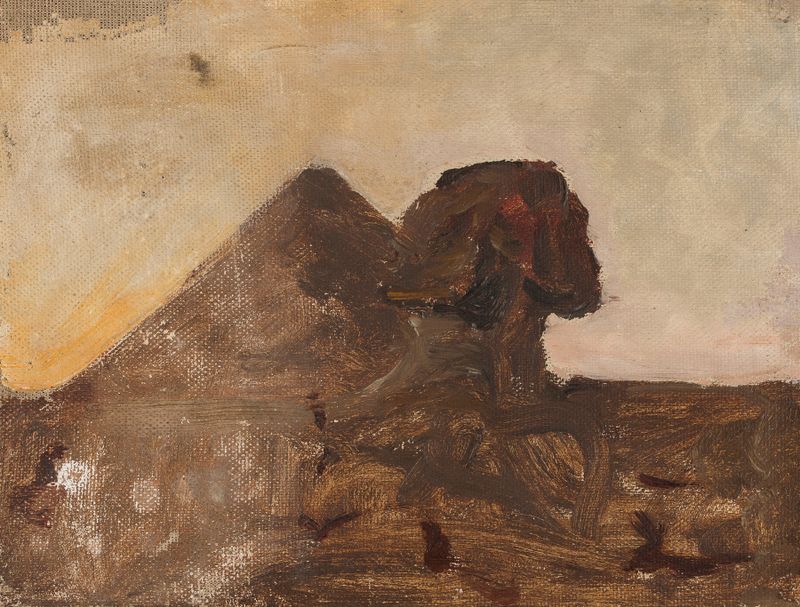
Evening in the desert – Sphinx and pyramid. From the journey to Egypt
Jan Ciągliński
More Architecture Art
Browse all →
The statue of Liberty
Frédéric Auguste Bartholdi

View of Houses in Delft, Known as ‘The Little Street’
Johannes Vermeer

View of Houses in Delft, Known as ‘The Little Street’
Johannes Vermeer

The Cathedral in Rouen. The portal, Grey Weather
Claude Monet

The yellow house
Vincent van Gogh

The Church in Auvers-sur-Oise, View from the Chevet
Vincent van Gogh