Mother And Child By A River — History & Facts
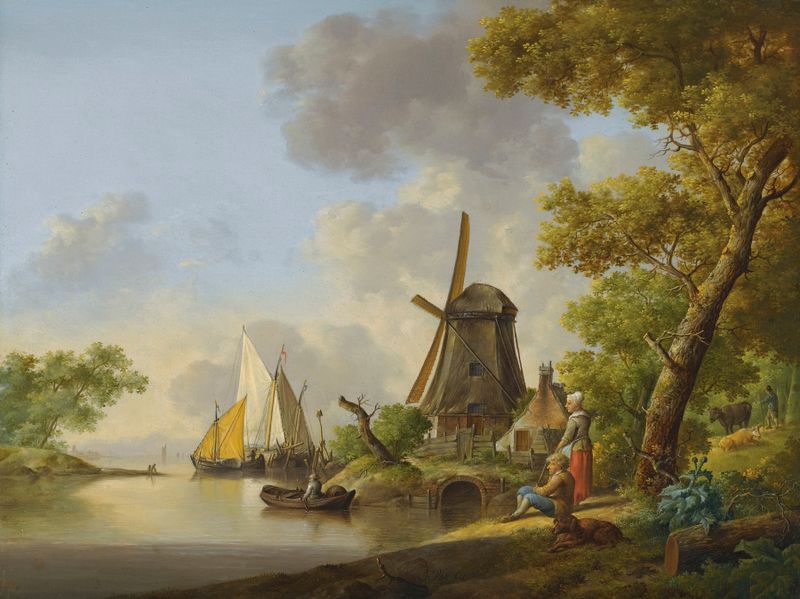
In the stillness of Mother and Child by a River, a profound revelation unfolds in the sacred bond of love and protection. The quiet moment captured pulsates with unspoken emotions, drawing viewers into the intimate world of the figures depicted. Focus on the gentle curve of the mother’s arm as it cradles her child, the tender gesture embodying a shield against the vastness of the river. Notice how light dances on the water’s surface, contrasting with the soft shadows that envelop the figures.
The lush greens and earthy tones of the landscape create a serene backdrop, inviting contemplation of the fleeting nature of time and the enduring strength of maternal love. Beneath the surface, the painting reveals a delicate interplay between vulnerability and safety. The river, both a source of life and an unpredictable force, mirrors the complexities of motherhood. The child’s serene expression contrasts with the subtle tension in the mother’s gaze, hinting at her awareness of both the beauty and fragility of their existence.
This juxtaposition invites viewers to consider the depth of trust required in relationships, as well as the inherent anxieties that accompany nurturing. Created during a period when Jan Van Os was exploring themes of intimacy and nature, this work reflects a pivotal moment in his artistic evolution. Painting in the late 18th century, he worked amidst the burgeoning Romantic movement, which sought to celebrate emotional depth and the sublime. The tranquil yet powerful scene captures the essence of his focus on human connection, portraying the universal experience of motherhood against the timeless backdrop of nature.