
Mount Haddington & Cape Gage — History & Facts
What if silence could speak through light? In Mount Haddington & Cape Gage, shadows weave an unspoken narrative, transforming the landscape into a canvas of whispered secrets and tranquil contemplation. Look to the left at the jagged silhouettes of mountains rising sharply against the horizon. Notice the interplay of light and shadow that defines the contours of the peaks, each crevice and slope meticulously captured in varying shades of gray and blue. The artist employs a delicate balance of realism and emotion, where the muted tones evoke a sense of serenity, inviting the viewer to linger on the tranquil waters below, reflecting the vastness above. Delve deeper into the subtle contrasts present in the piece.
The starkness of the mountains against the soft, shimmering water speaks to the tension between permanence and fluidity—the enduring rock and the ephemeral wave. Further still, the gentle transition from the illuminated foreground to the darkened background hints at the quiet passage of time, suggesting a moment suspended between day and night, where the world holds its breath. During the time Mount Haddington & Cape Gage was created, Charles Hamilton Smith was immersed in the art world of the early 19th century, a period marked by a growing admiration for natural landscapes. While the exact date remains uncertain, Smith’s work reflects the Romantic ideals of capturing the sublime beauty of nature.
His exploration of light and shadow reveals a steady evolution in his artistic practice, influenced by the rising interest in depicting the natural world with both reverence and intimacy.
More Artworks by Charles Hamilton Smith
Browse all →
Situation of H.M.S. Hecla & Griper
Charles Hamilton Smith
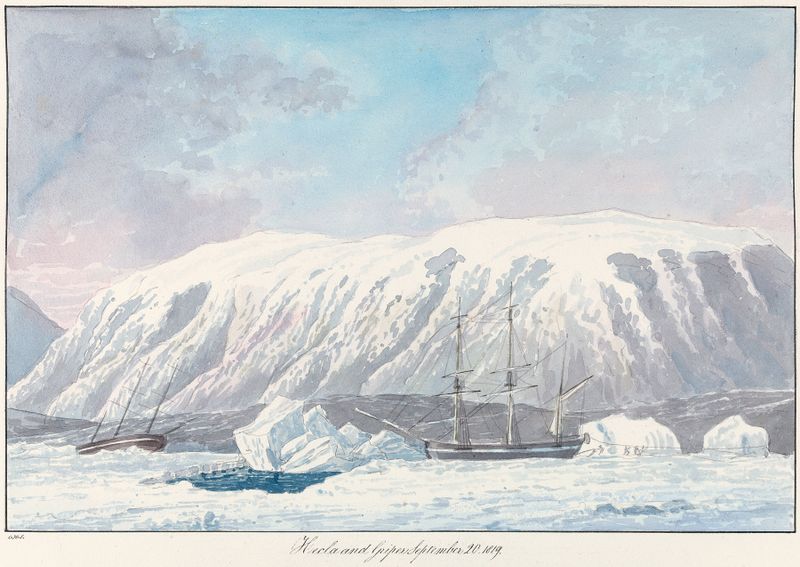
Hecla and Griper
Charles Hamilton Smith

Friendly Cove, Nootka Sound
Charles Hamilton Smith

Iceberg in Baffin’s Bay
Charles Hamilton Smith
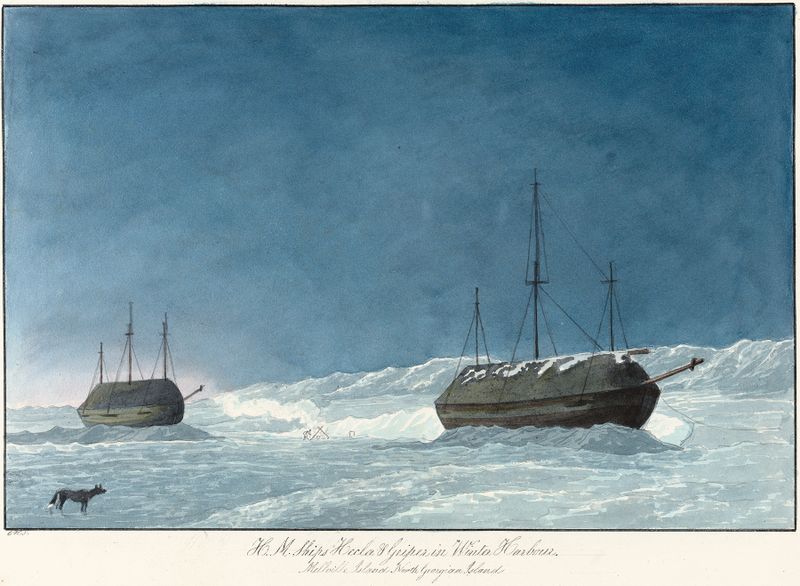
H. M. Ships Hecla and Griper in Winter Harbour
Charles Hamilton Smith

The Erebus & Terror in a Gale in the Pack of the Ice
Charles Hamilton Smith
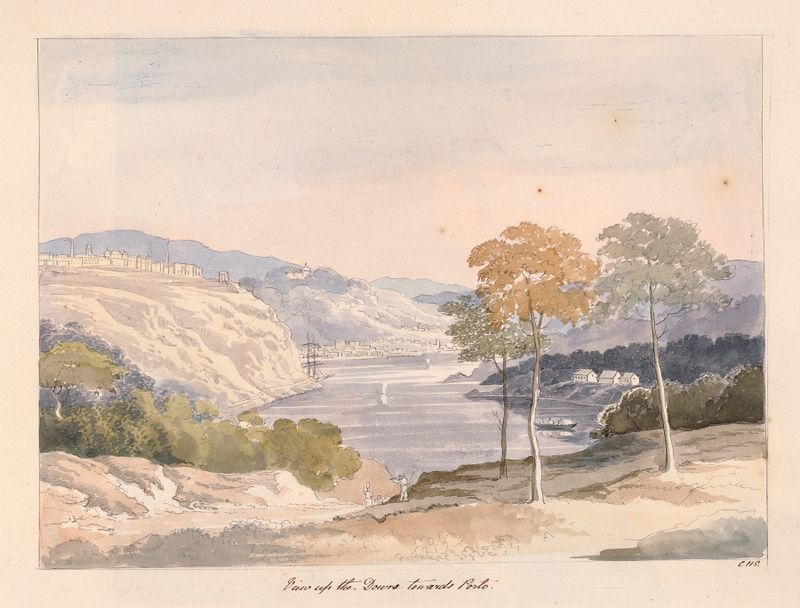
View of the Douro towards Porto
Charles Hamilton Smith
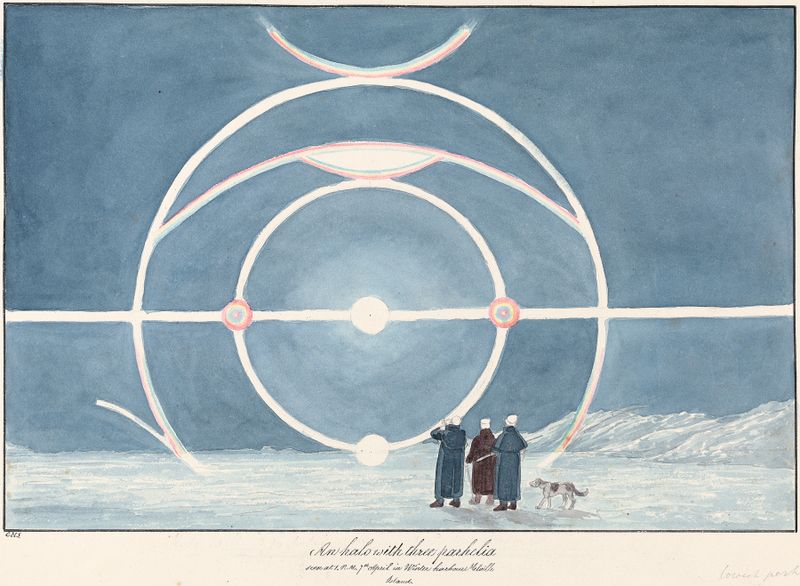
Halo with Three Parhelia, Winter Harbour Melville Island
Charles Hamilton Smith
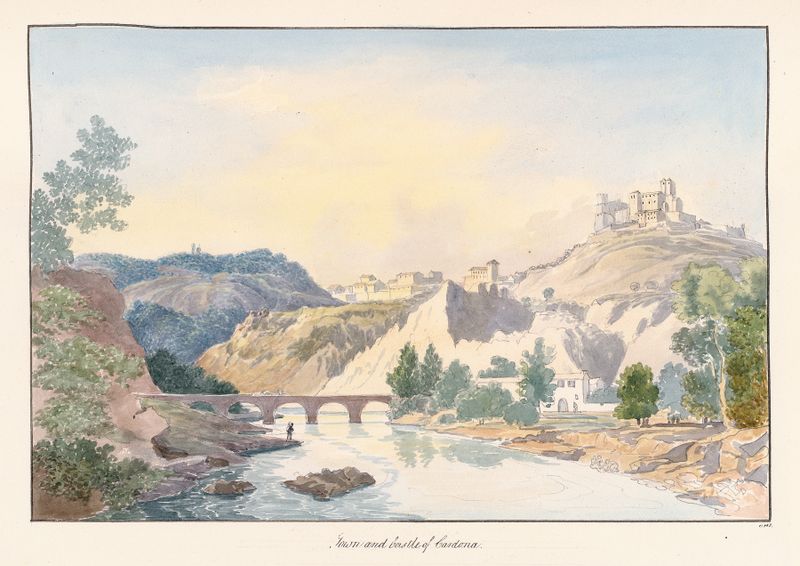
Town and Castle of Cardona
Charles Hamilton Smith
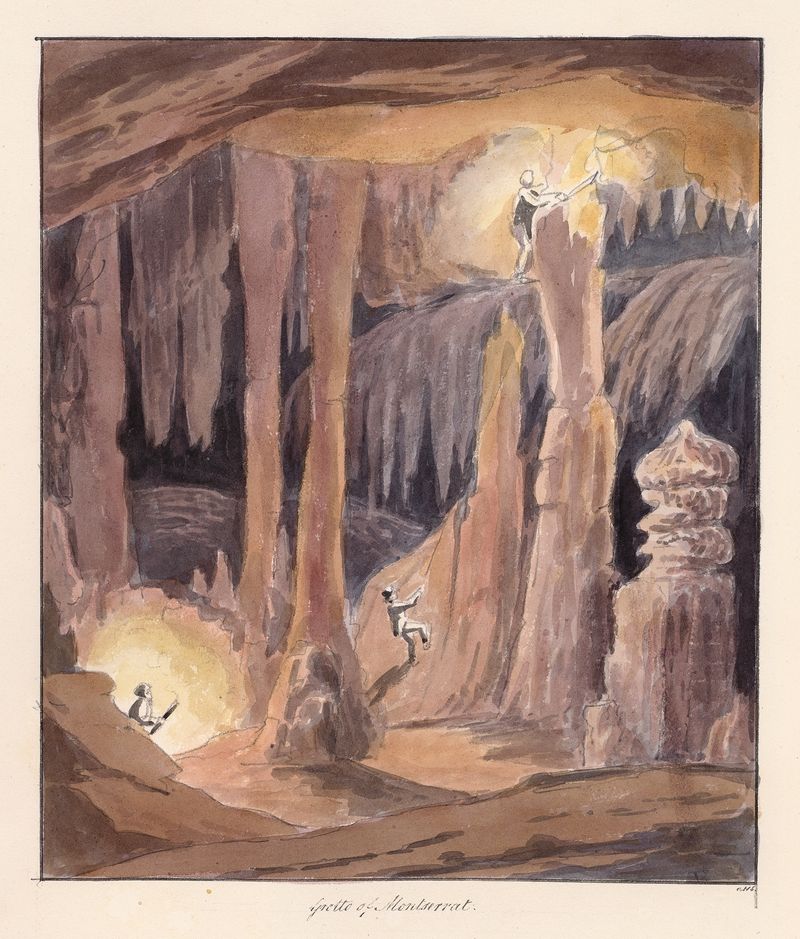
Grotto of Montserrat
Charles Hamilton Smith





