
Mount Hecla Iceland — History & Facts
In the quietude of art, yearning lingers, beckoning the viewer to explore hidden depths of emotion and landscape. Look to the left where the rugged peaks of Mount Hecla loom, their formidable presence stark against a brooding sky. Notice how the artist masterfully captures the interplay of light and shadow; the sun struggles to break through the heavy clouds, casting a dim glow on the jagged terrain below. The palette, a blend of cool grays and muted greens, evokes a sense of isolation and contemplation, inviting you to traverse the untouched wilderness that seems both daunting and alluring. Peering deeper, one can sense a profound contrast between the raw power of nature and the delicate tranquility of the scene.
The gentle brush strokes breathe life into the foreground, where muted flora clings to existence, symbolizing resilience amidst the harshness of the volcanic landscape. This duality of strength and vulnerability resonates with a collective yearning for connection to the wild, as if the mountain itself longs to share its secrets with those who dare to listen. Charles Hamilton Smith painted this piece during a period of exploration and fascination with natural landscapes. Although the exact date remains unknown, his work emerged in the early 19th century when Romanticism flourished, embracing nature's grandeur and the sublime.
Smith's experiences in Iceland, where he was captivated by the stark beauty of its volcanic terrain, deeply influenced this depiction, reflecting both his artistic ambition and the era's yearning for the untamed.
More Artworks by Charles Hamilton Smith
Browse all →
Situation of H.M.S. Hecla & Griper
Charles Hamilton Smith
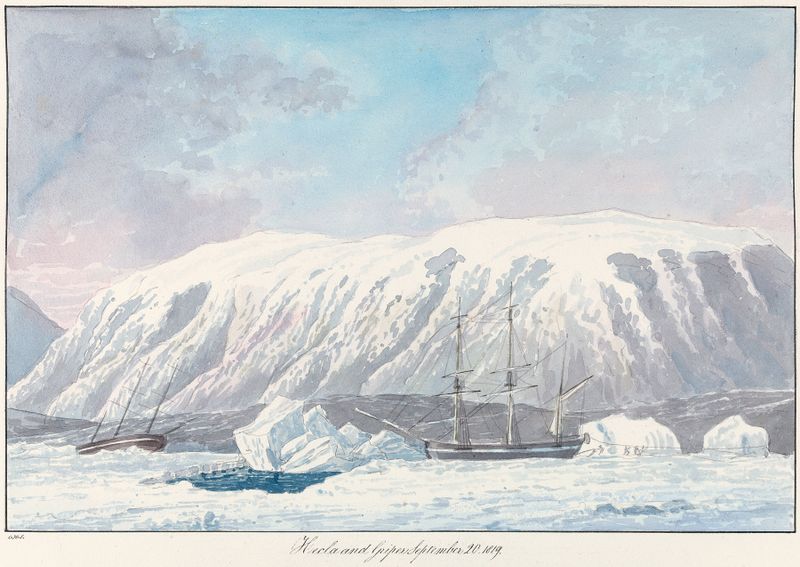
Hecla and Griper
Charles Hamilton Smith

Friendly Cove, Nootka Sound
Charles Hamilton Smith

Iceberg in Baffin’s Bay
Charles Hamilton Smith
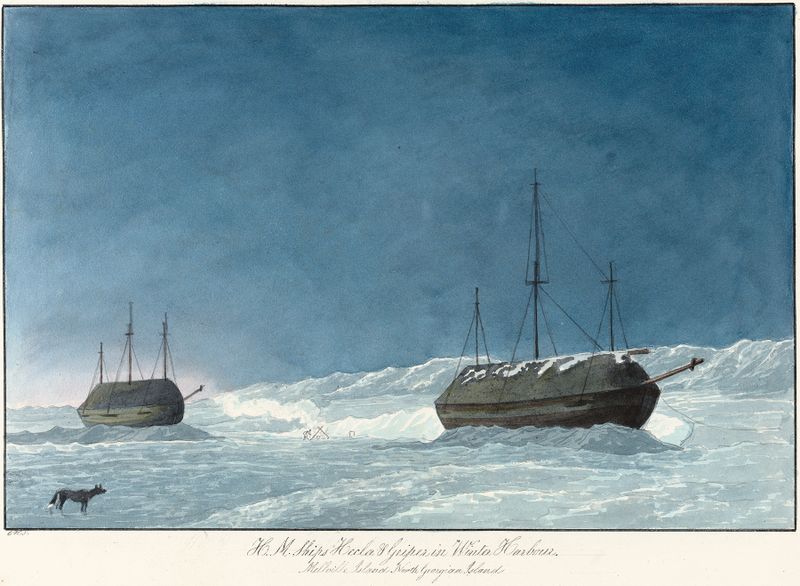
H. M. Ships Hecla and Griper in Winter Harbour
Charles Hamilton Smith

The Erebus & Terror in a Gale in the Pack of the Ice
Charles Hamilton Smith
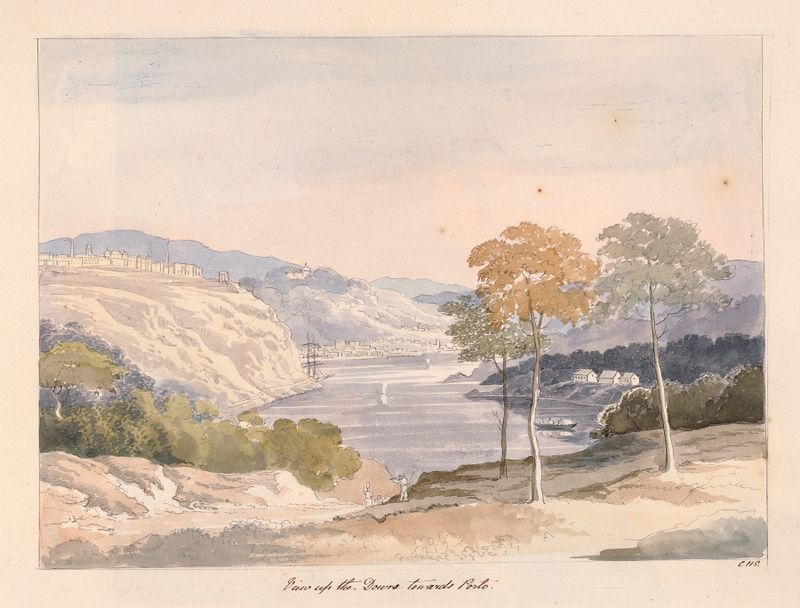
View of the Douro towards Porto
Charles Hamilton Smith
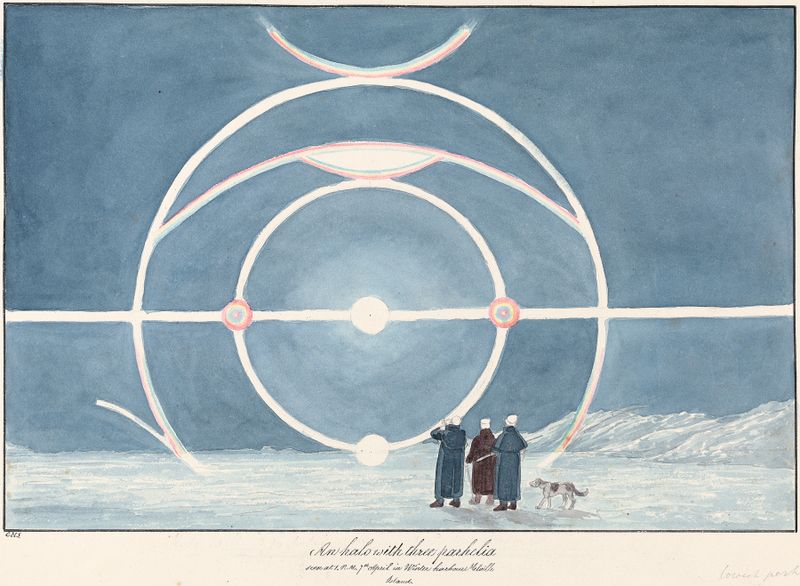
Halo with Three Parhelia, Winter Harbour Melville Island
Charles Hamilton Smith
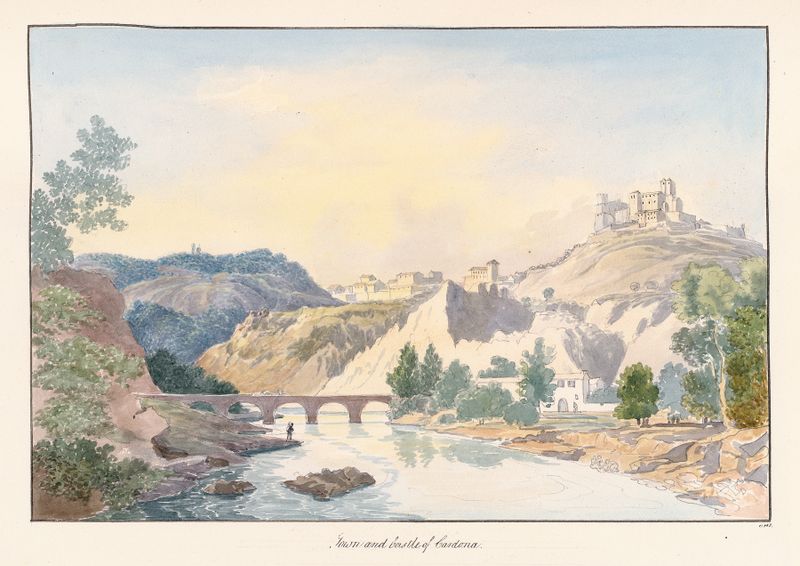
Town and Castle of Cardona
Charles Hamilton Smith
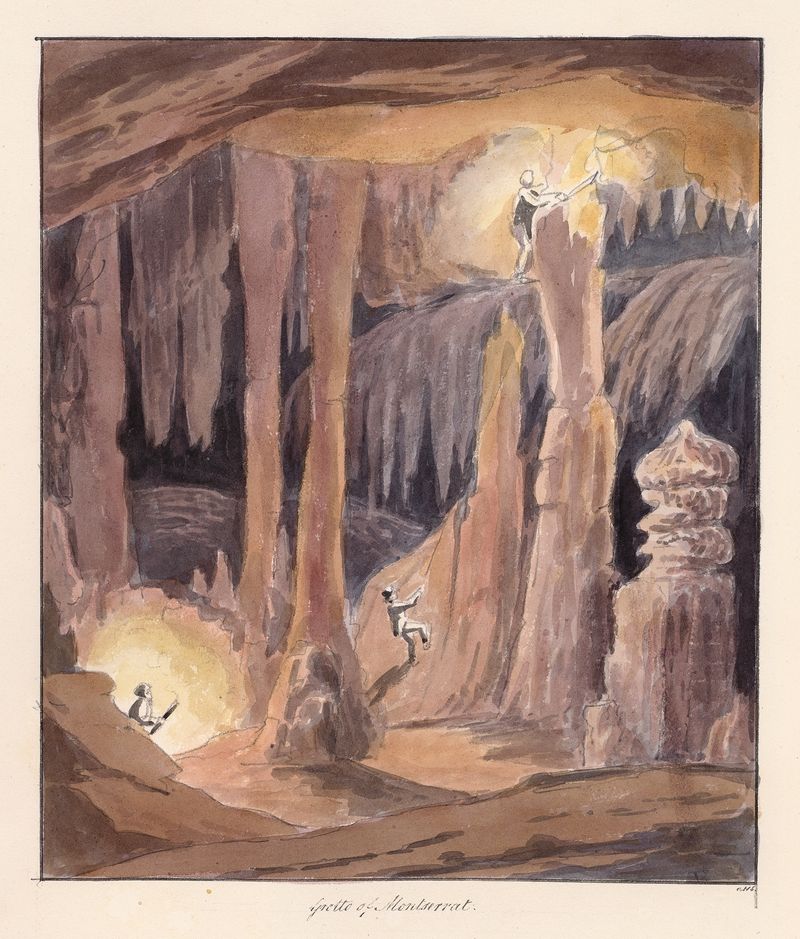
Grotto of Montserrat
Charles Hamilton Smith





