
Mount Sabine & Possessions Island — History & Facts
This haunting reflection lingers in the air as one gazes upon the vast, untamed landscape, where nature's grandeur masks the tumult of revolution beneath its surface. Focus on the intricate interplay of light and shadow across the rugged terrain. The foreground teems with vibrant foliage, leading the eye toward the distant peaks of Mount Sabine. Notice how the artist uses a soft palette to convey the warmth of the setting sun, expertly blending hues of gold and lavender.
This delicate balance evokes a feeling of serenity, yet hints at the underlying tension of change and upheaval. Within the layers of this artwork lies the dichotomy of beauty and conflict. The calm waters surrounding Possessions Island mirror the sky, creating a deceptive tranquility that belies the historical struggles in this region. A closer inspection reveals hidden details—perhaps the rugged cliffs symbolize resilience, while the lush greenery represents the fleeting nature of peace.
Each element echoes the complexities of an era on the brink of transformation, inviting viewers to ponder the stories woven into the landscape. During the time Charles Hamilton Smith created this work, likely in the late 18th century, he was immersed in the artistic currents of the Romantic movement, which championed the sublime aspects of nature. His experiences in England, combined with the tumultuous political climate of revolution, deeply influenced his portrayal of landscapes. This piece reflects not only the beauty of the natural world but also mirrors the unrest that defined his era, achieving a profound commentary on humanity's relationship with environment and change.
More Artworks by Charles Hamilton Smith
Browse all →
Situation of H.M.S. Hecla & Griper
Charles Hamilton Smith
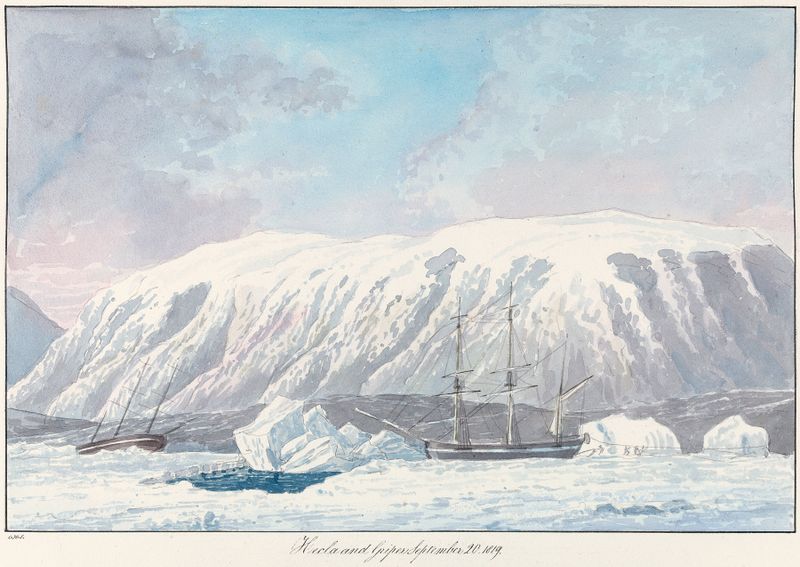
Hecla and Griper
Charles Hamilton Smith

Friendly Cove, Nootka Sound
Charles Hamilton Smith

Iceberg in Baffin’s Bay
Charles Hamilton Smith
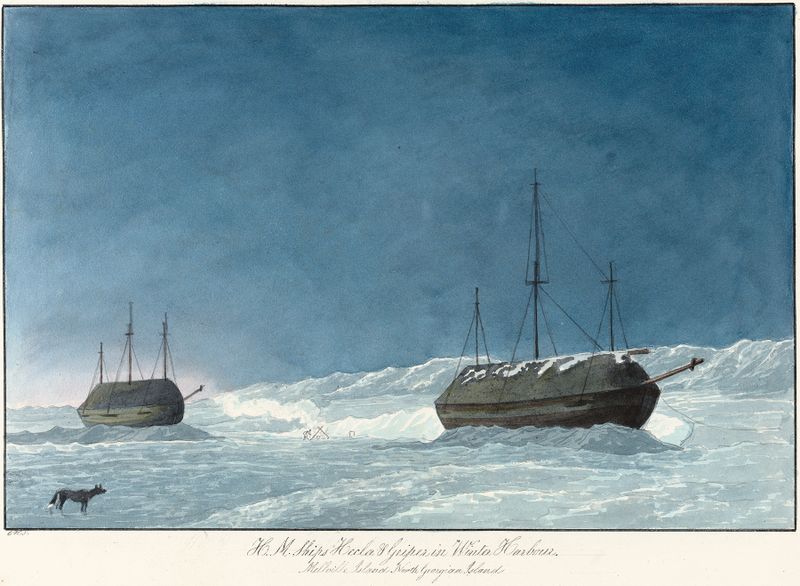
H. M. Ships Hecla and Griper in Winter Harbour
Charles Hamilton Smith

The Erebus & Terror in a Gale in the Pack of the Ice
Charles Hamilton Smith
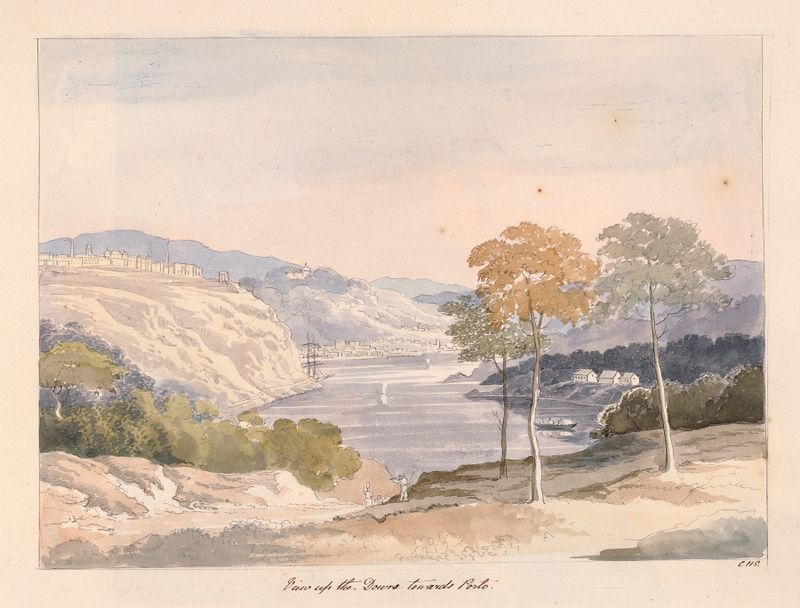
View of the Douro towards Porto
Charles Hamilton Smith
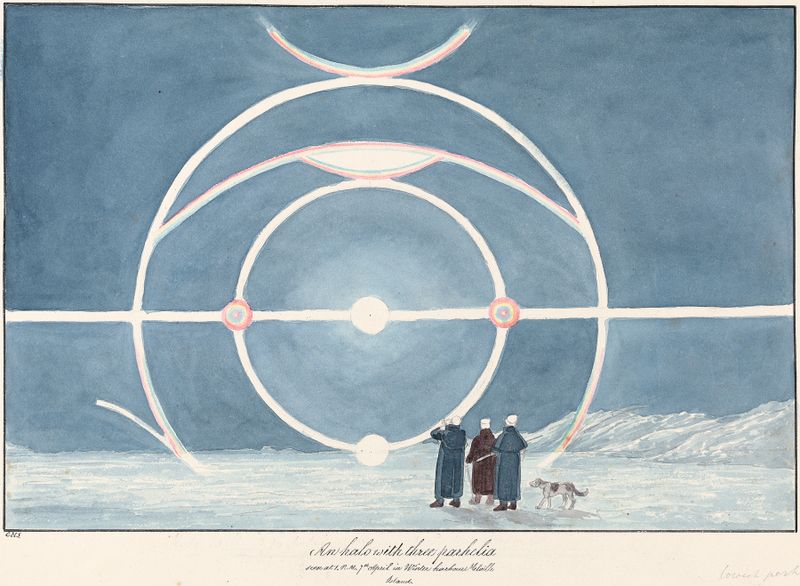
Halo with Three Parhelia, Winter Harbour Melville Island
Charles Hamilton Smith
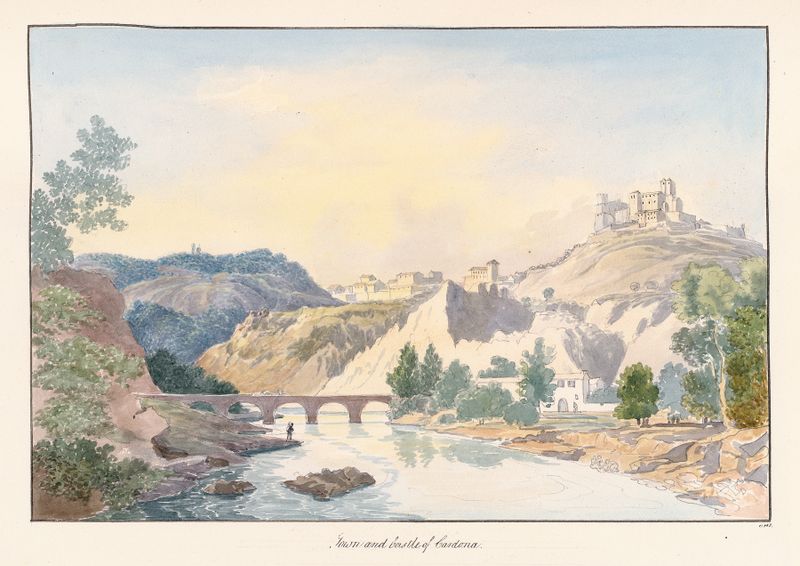
Town and Castle of Cardona
Charles Hamilton Smith
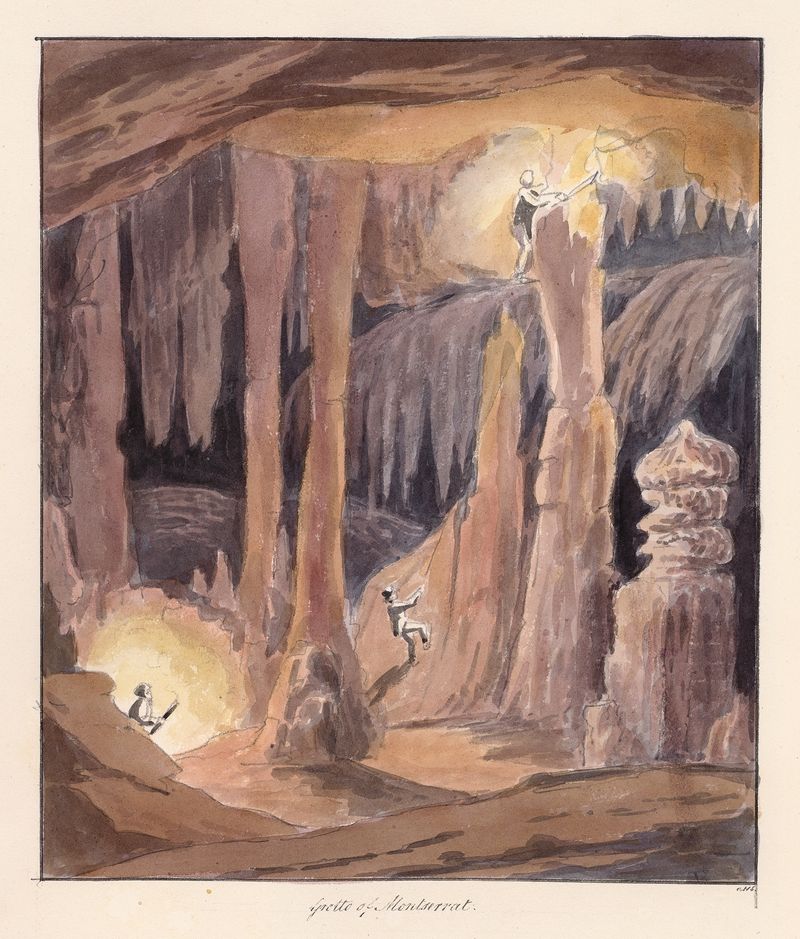
Grotto of Montserrat
Charles Hamilton Smith





