
Mountain landscape — History & Facts
In the embrace of nature’s splendor lies an invitation to witness the eternal dance of transformation, where every brushstroke captures the breath of existence. Focus on the sweeping horizon, where the jagged peaks ascend into a cerulean sky, their dominant shapes drawing the eye upward. Notice how the artist employs vibrant greens and deep browns in the valleys below, a testament to life’s lushness juxtaposed against the stark, imposing mountains. The careful play of light reveals textures that evoke both serenity and turmoil, inviting contemplation of life’s complexities within the stillness of nature. Delve into the contrasts that pulse through this landscape; the sharp edges of the mountains speak to resilience, while the gentle valleys hint at vulnerability.
The interplay of light and shadow suggests a transient moment—perhaps dawn or dusk—when the world is caught in a delicate balance. This scene resonates with the idea of metamorphosis, reminding us that beauty is forever shifting, much like the seasons that sculpt these forms. Ferdinand Katona created this work between 1894 and 1920, during a period of great change in art and society. Emerging from the influences of both Romanticism and Impressionism, he sought to capture the essence of landscapes that reflect human emotion and experience.
This era, marked by the tumult of World War I and the subsequent quest for peace, provided fertile ground for an artist exploring the themes of nature’s stability amidst the chaos of life.
More Artworks by Ferdinand Katona
Browse all →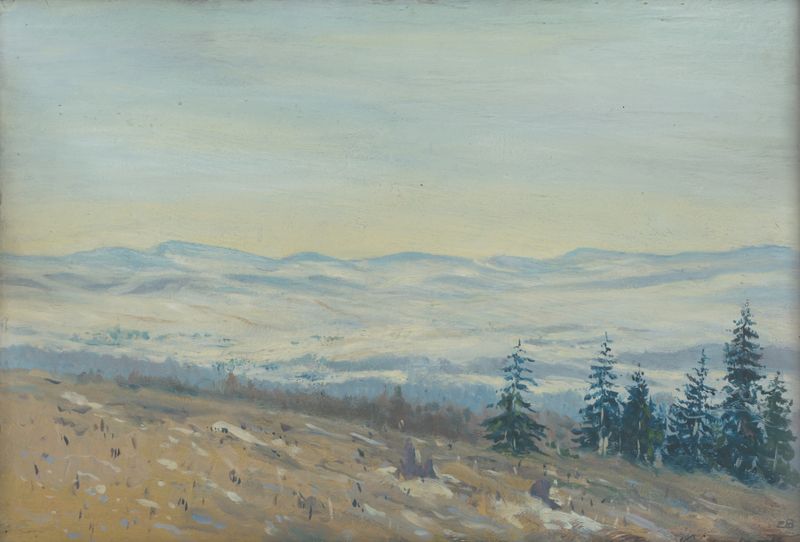
High Tatras
Ferdinand Katona
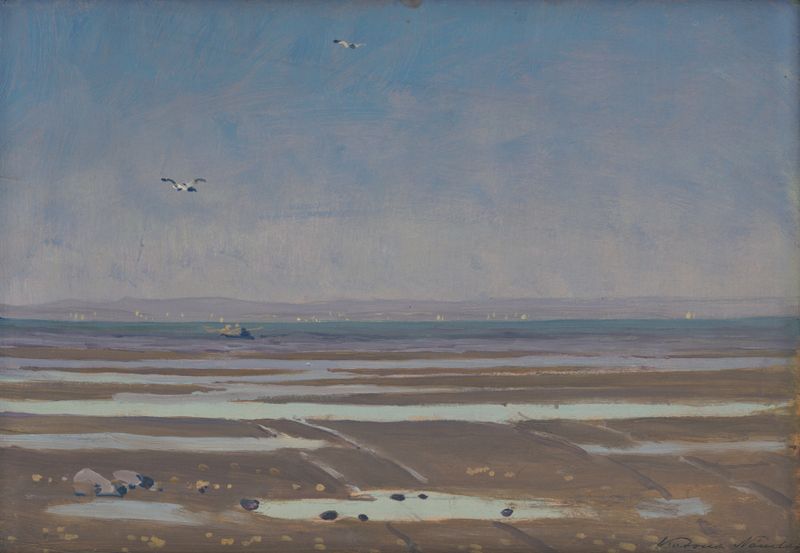
Early spring
Ferdinand Katona
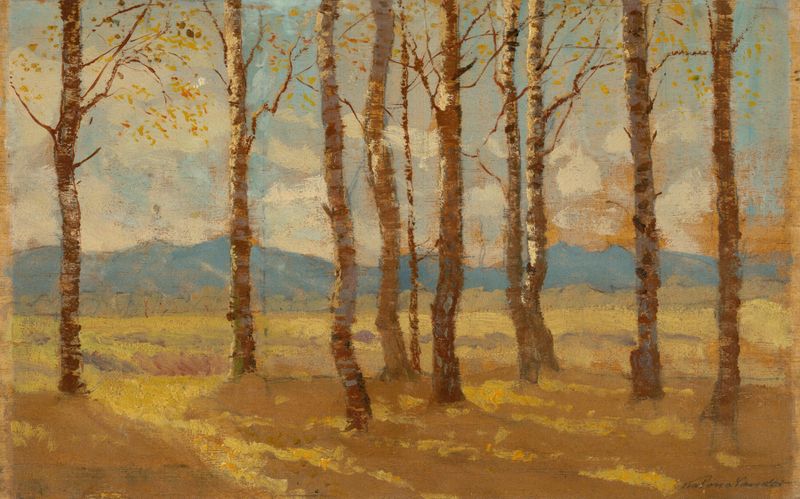
Birches in Autumn
Ferdinand Katona
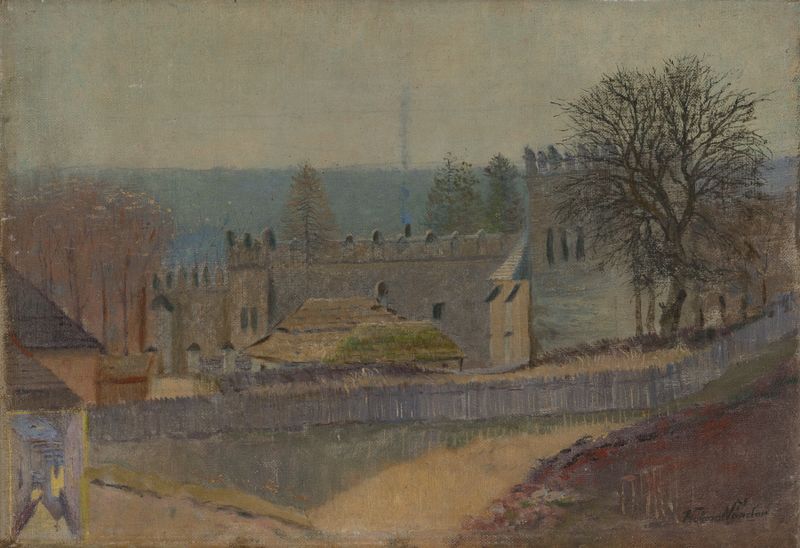
View of Strážky
Ferdinand Katona
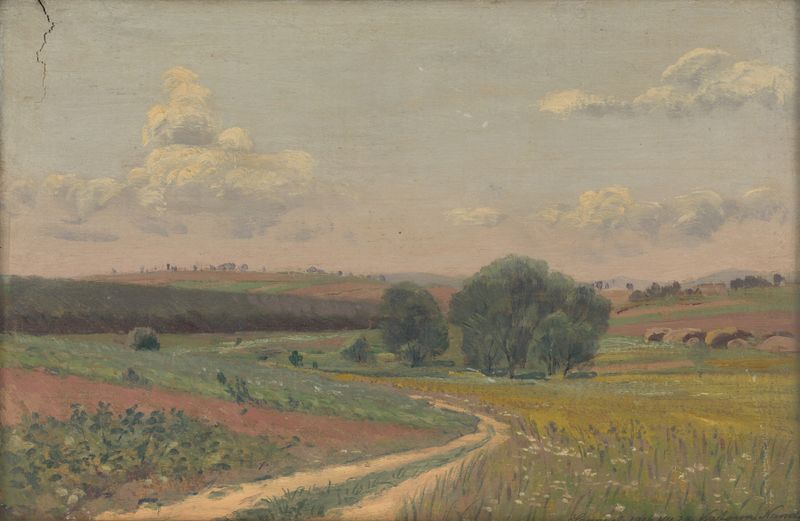
Landscape with a dirt road
Ferdinand Katona
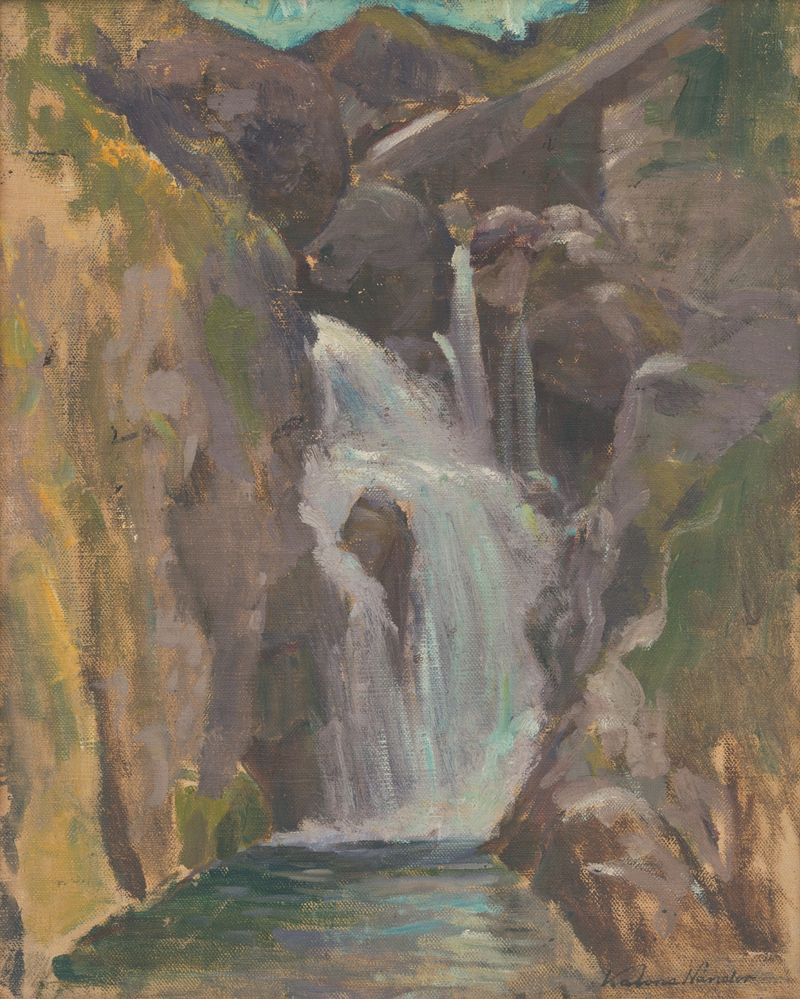
Waterfall
Ferdinand Katona
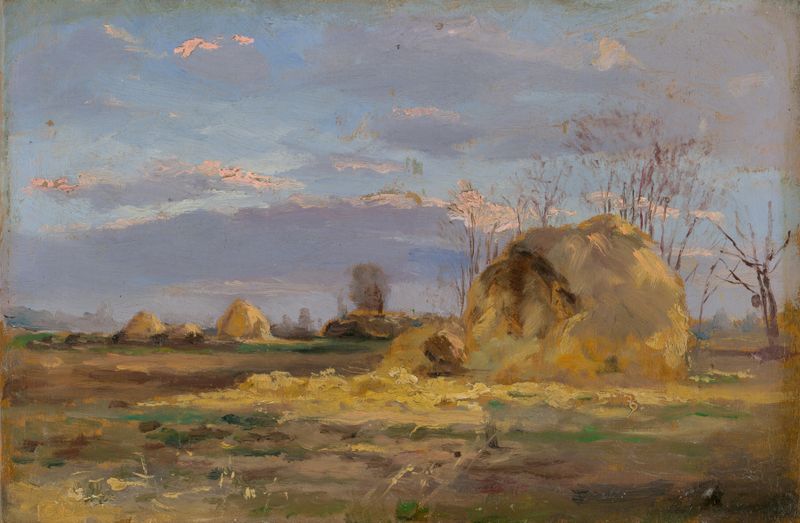
Autumn Landscape with Trees
Ferdinand Katona
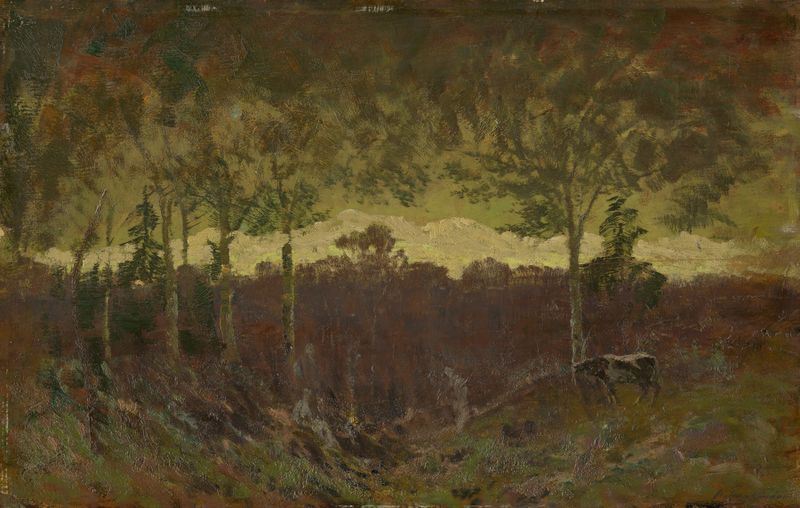
Early Evening Tatras Landscape
Ferdinand Katona
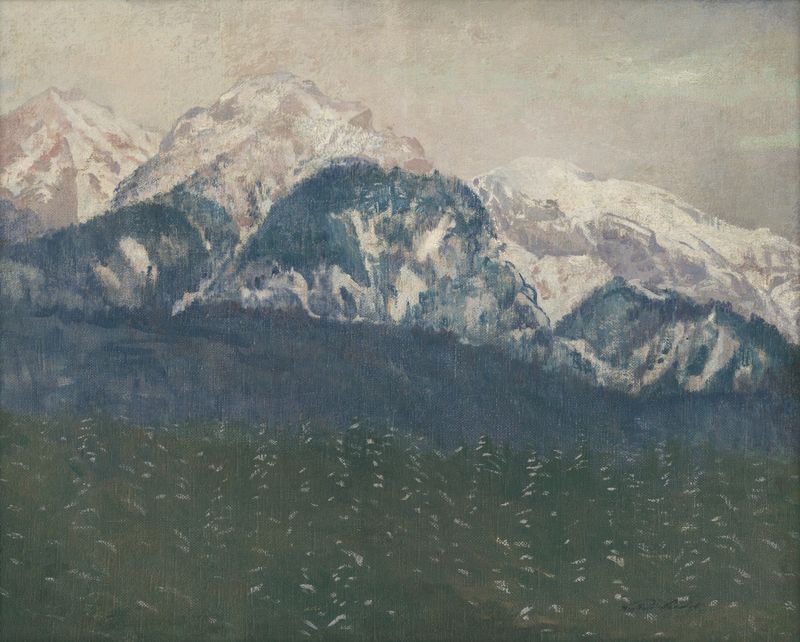
View of the High Tatras
Ferdinand Katona
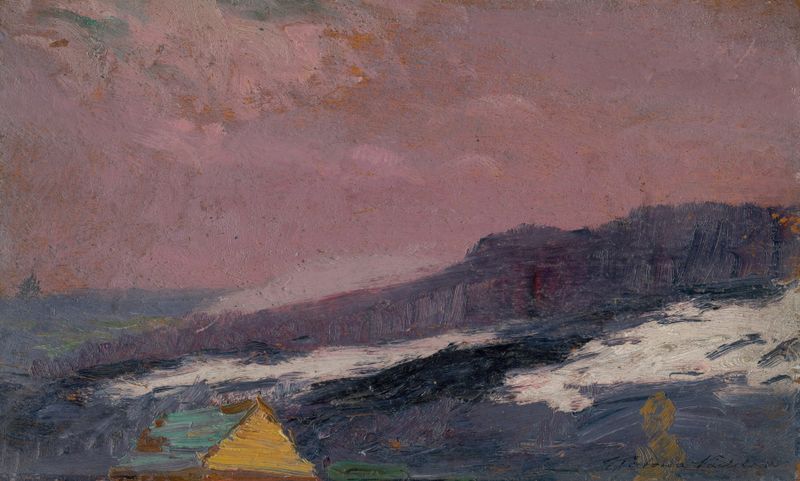
Early Spring
Ferdinand Katona





