
Mountain Landscape with a Waterfall — History & Facts
In this quiet embrace of nature, where earth meets sky and tranquility drowns the noise of modern life, one finds a revelation waiting to be unveiled. Look to the left, where the cascading waterfall tumbles over rugged stones, droplets catching the sunlight like scattered diamonds. Notice how the soft greens of the surrounding foliage blend with the deep blues of the sky, creating a harmonious symphony of color that draws the eye across the canvas. The artist’s deft brushwork evokes texture, lending weight to the mountains while allowing the ethereal quality of the water to dance on the surface. Beneath this idyllic scene, tension simmers in the contrast between the imposing mountains and the delicate waterfall.
The juxtaposition encapsulates the struggle between permanence and change—nature’s timeless strength against the fleeting beauty of water. Tiny figures dot the landscape, reminding us of humanity's smallness amid the grandeur, yet their presence imbues the scene with a sense of connection, a reminder of our place in this vast world. In 1850, Jozef Božetech Klemens painted this landscape during a time of burgeoning Romanticism, which celebrated the sublime beauty of nature as a counterpoint to industrialization. As he captured this serene moment, he was also reflecting deeper sentiments shared across Europe, embracing emotional depth and individuality in a world that was rapidly transforming.
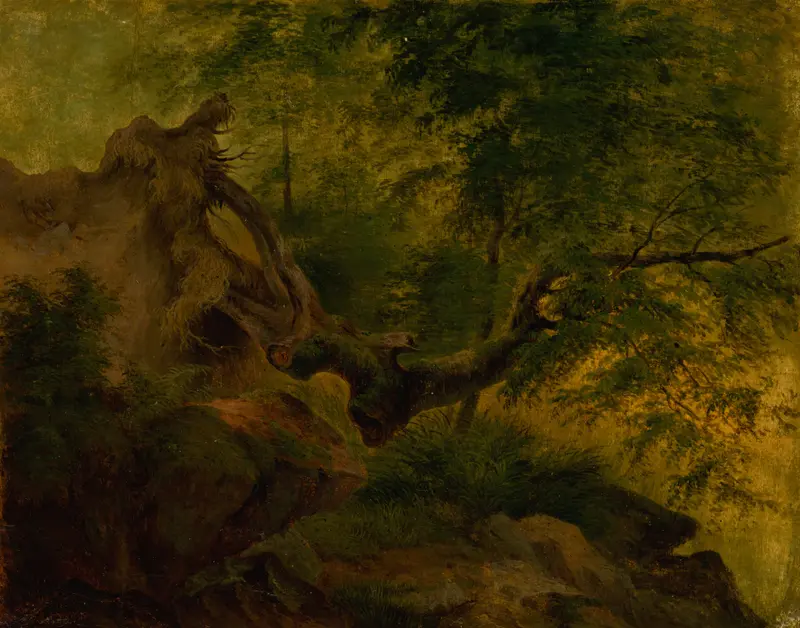
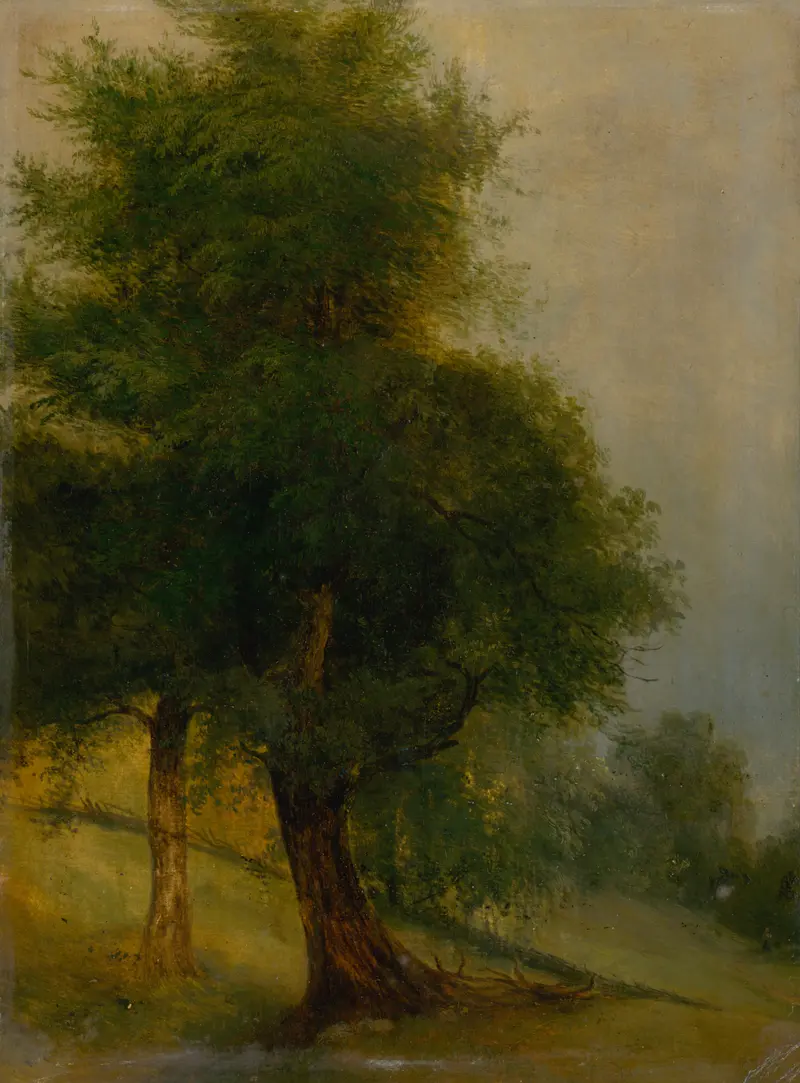
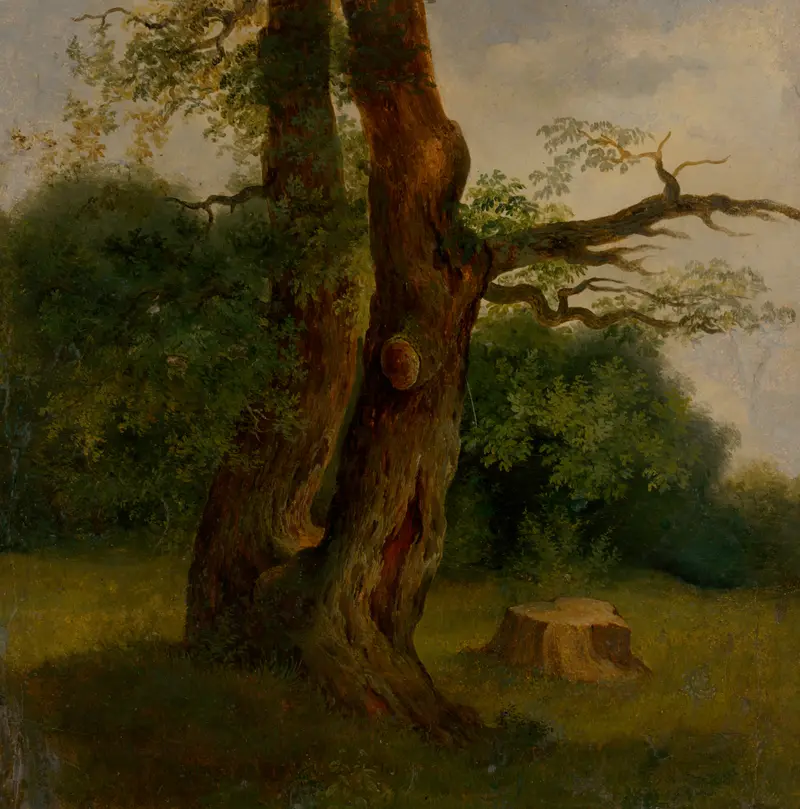
More Artworks by Jozef Božetech Klemens
More Landscape Art

Starry Night
Vincent van Gogh

View of Delft
Johannes Vermeer

Water Lilies
Claude Monet

The Grand Canal, Venice, looking north-west from the Ca' Corner to the Ca' Contarini degli Scrigni, with the campanile of Santa Maria della Carità
Canaletto

Windsor Castle
Canaletto

The Grand Canal looking North-East from the Palazzo Dolfin-Manin to the Rialto Bridge
Canaletto