
Mountain Scene — History & Facts
What secret hides in the quiet of the canvas? In Mountain Scene, the stillness of nature evokes a profound reflection on mortality and the fleeting nature of existence. Look to the left; notice how the towering peaks rise majestically against a backdrop of an expansive sky, their contours softened by the delicate touch of Sargent's brushwork. The subtle interplay of light and shadow embellishes the rugged terrain, capturing the moment just before dusk. The palette, rich with warm ochres and cool blues, invites the eye to wander across the canvas, instilling a sense of peace yet underscored by an undeniable tension in silence. Beneath the tranquil landscape lies a reminder of the inexorable passage of time.
The weathered rocks symbolize endurance, while the ephemeral clouds suggest life’s fleeting moments, emphasizing the contrast between permanence and transience. Sargent's choice to exclude human presence creates an intimate dialogue with nature, urging viewers to confront their own mortality amidst the vastness of existence. In 1908, during a period of vast artistic experimentation, Sargent found himself in the Swiss Alps, seeking solace and inspiration. At this time, he was transitioning from portraiture to landscapes, contemplating the relationship between man and nature.
Amidst an art world wrestling with modernity, Mountain Scene stands as a testament to his evolving vision and the timeless themes of life and death that permeate his work.
More Artworks by John Singer Sargent
Browse all →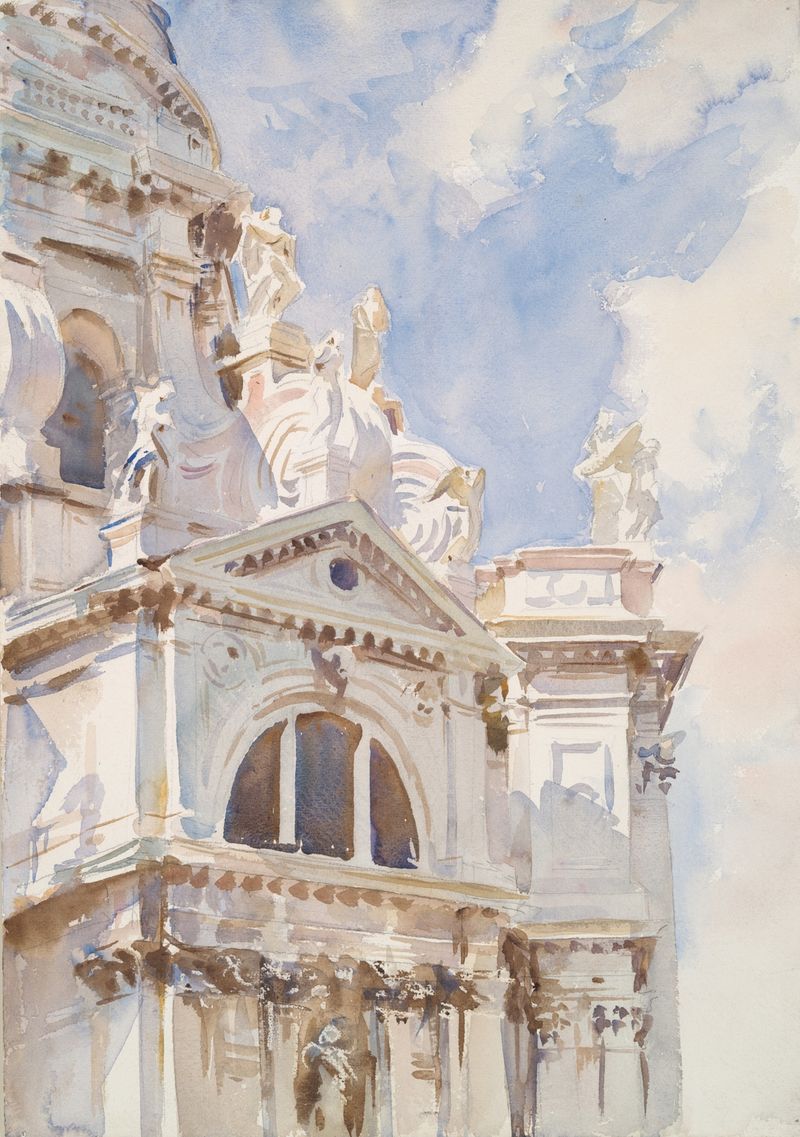
The Salute, Venice
John Singer Sargent

Mrs. Charles Deering (Marion Denison Whipple)
John Singer Sargent
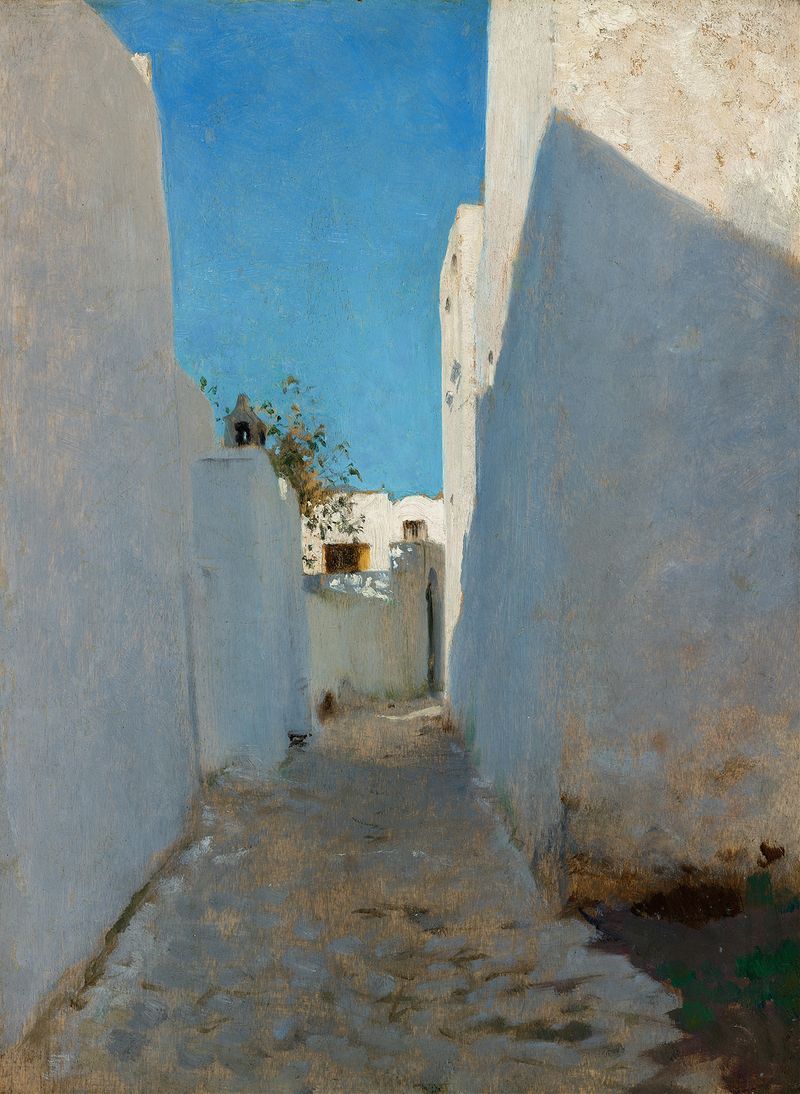
A Moroccan Street Scene
John Singer Sargent
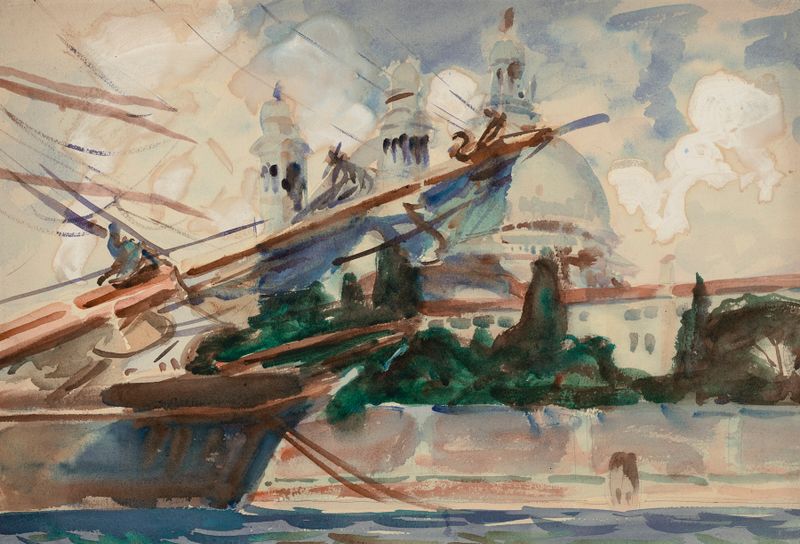
The Salute, Venice
John Singer Sargent
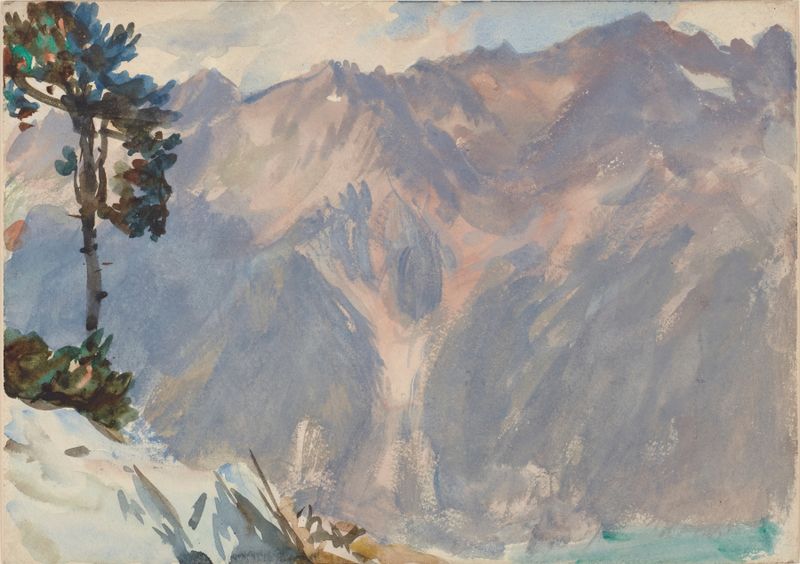
Tyrol
John Singer Sargent
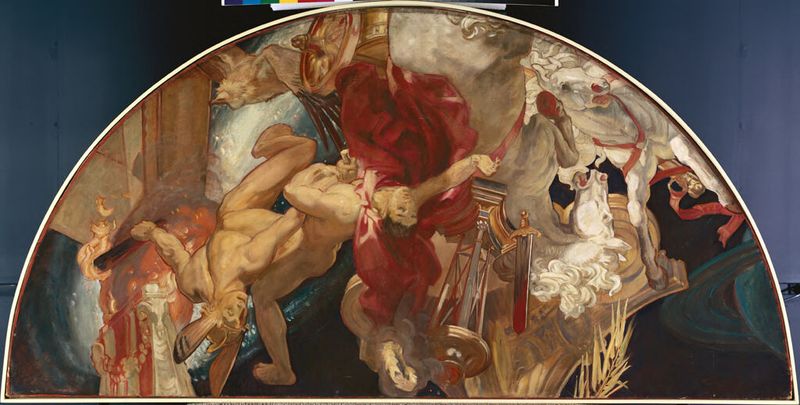
Study for "Gog and Magog," for the Boston Public Library
John Singer Sargent
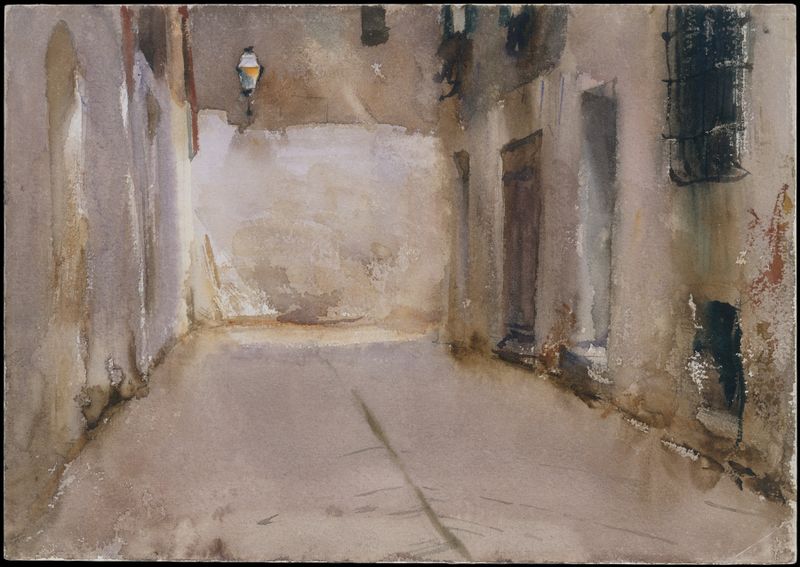
Venice
John Singer Sargent
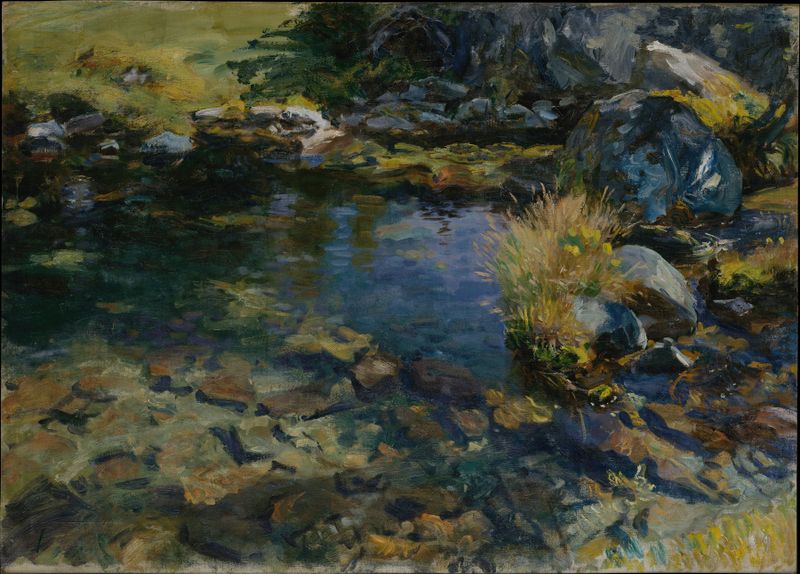
Alpine Pool
John Singer Sargent
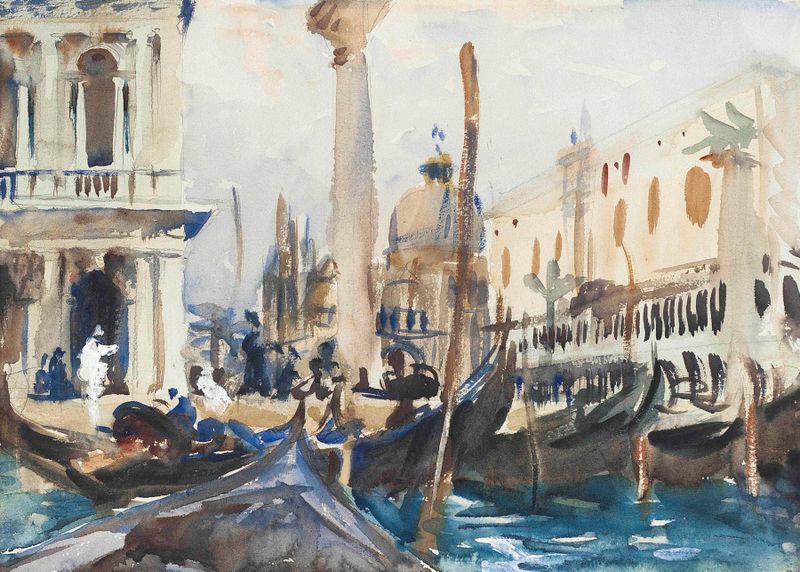
The Piazzetta with Gondolas
John Singer Sargent
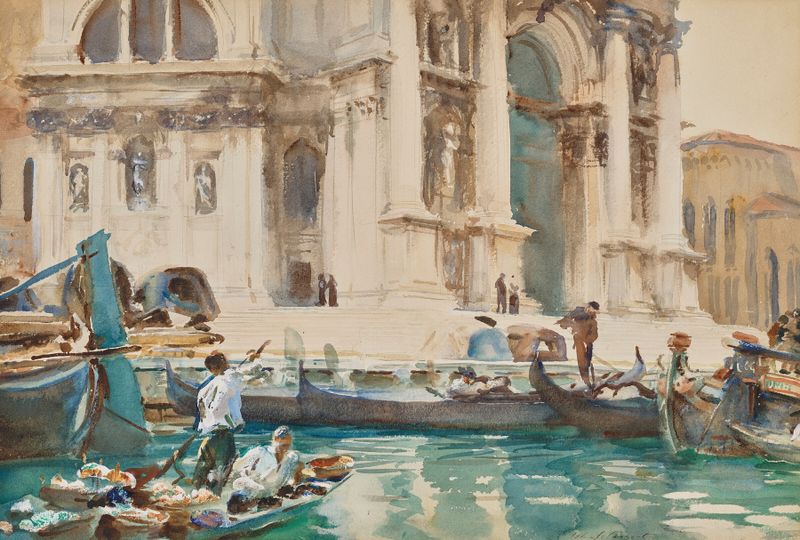
The Façade of La Salute, Venice
John Singer Sargent





