
Mountain Torrent — History & Facts
In its stillness, it echoes the heart's unspoken truths, where layers of paint conceal and reveal the essence of loss. Look to the center, where the cascading water rushes down jagged rocks, white foam dancing like spirits trapped in a relentless torrent. Notice how Sargent's brushwork captures the fluid motion with both chaos and grace, each stroke a testimony to the power of nature. The deep greens and blues envelop the scene, while soft light filters through a canopy of trees, creating a stark contrast between the calm overhead and the tumultuous water below. As you linger on the swirling currents, consider the emotional weight held within this landscape.
The torrent can symbolize the overwhelming force of grief or the unpredictable nature of life itself, evoking both destruction and renewal. Subtle hints of sunlight breaking through clouds speak to fleeting moments of hope amidst turmoil, showcasing the duality inherent in the human experience. In 1910, Sargent created this artwork while living in Europe, a period marked by both personal change and a rich engagement with Impressionism. As a celebrated portraitist, he sought to explore landscapes that captured ephemeral moments, stepping away from traditional representation to embrace a more emotive approach to nature.
This painting reflects not only his artistic evolution but also a wider shift in the art world, where landscape began to resonate deeply with personal narrative and existential reflection.
More Artworks by John Singer Sargent
Browse all →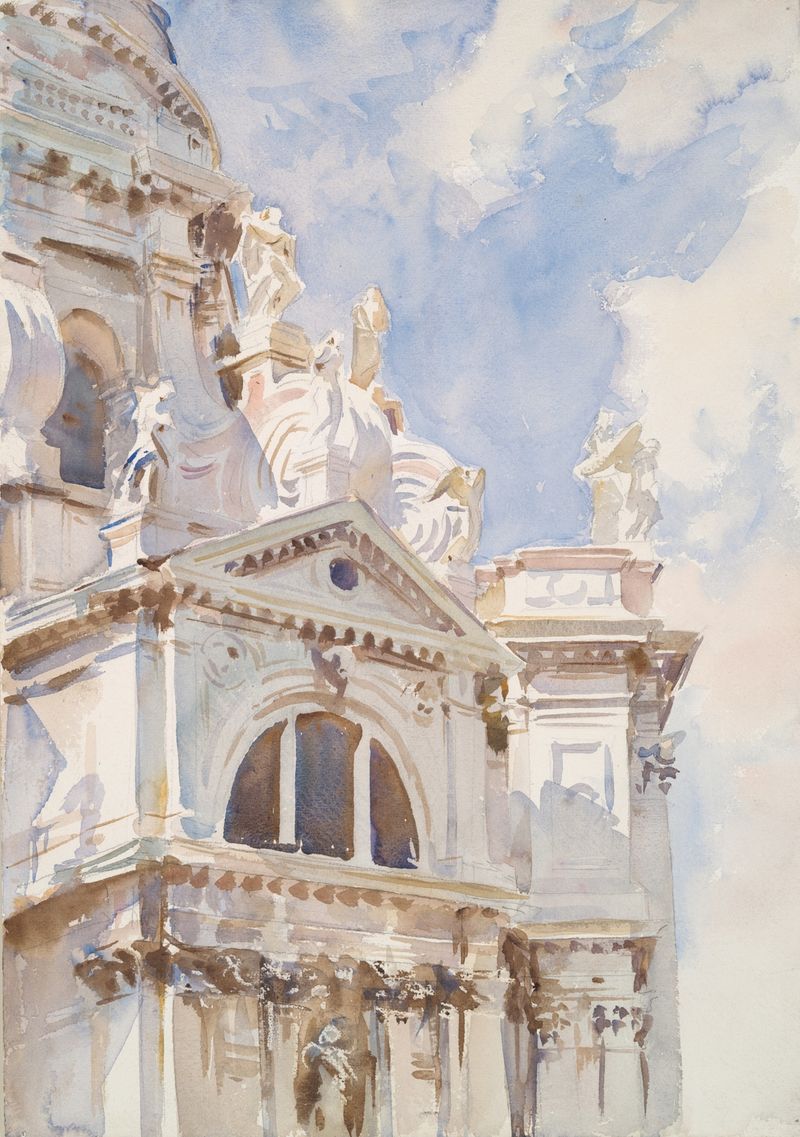
The Salute, Venice
John Singer Sargent

Mrs. Charles Deering (Marion Denison Whipple)
John Singer Sargent
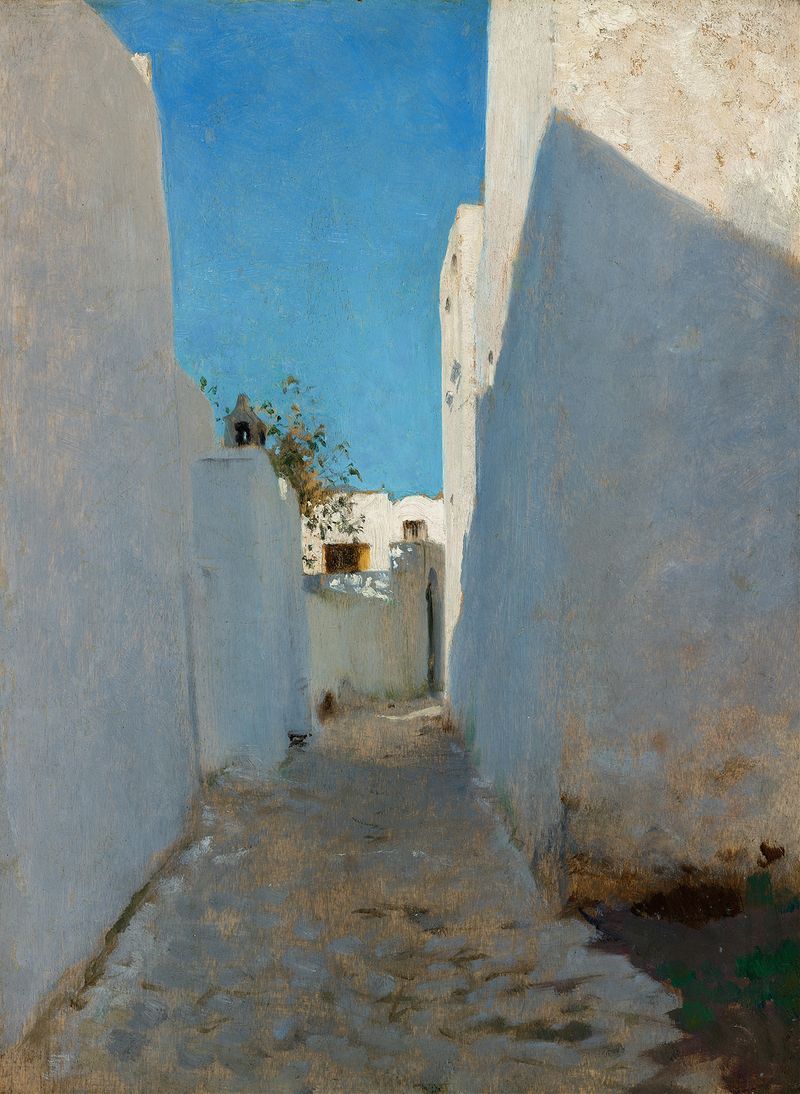
A Moroccan Street Scene
John Singer Sargent
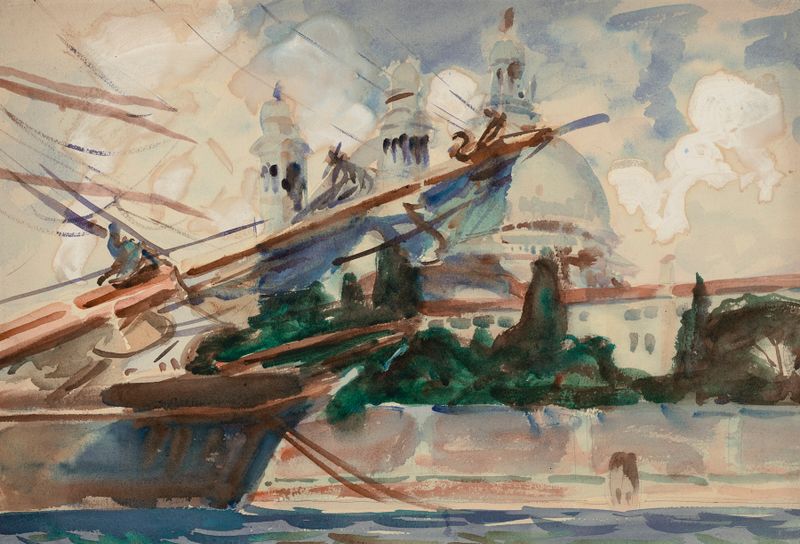
The Salute, Venice
John Singer Sargent
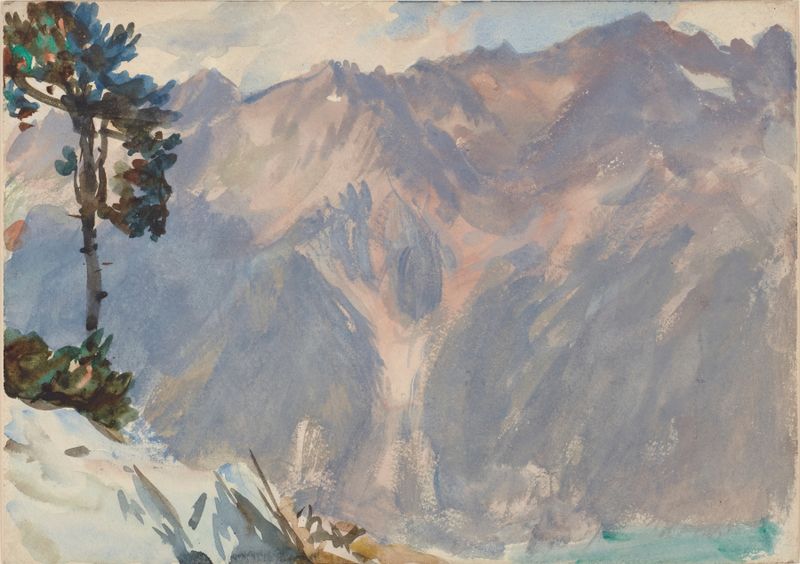
Tyrol
John Singer Sargent
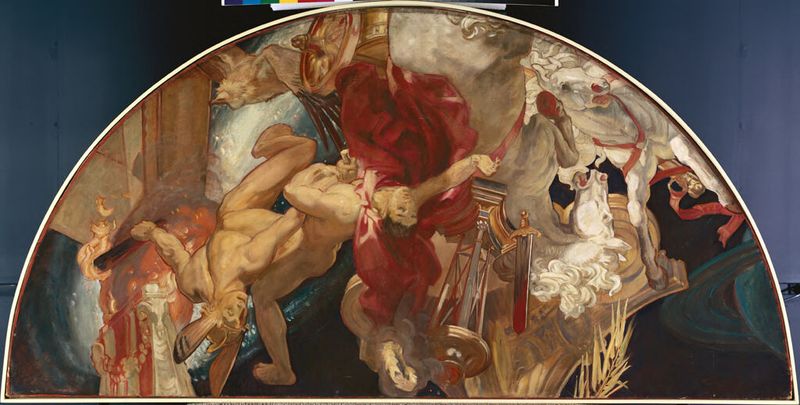
Study for "Gog and Magog," for the Boston Public Library
John Singer Sargent
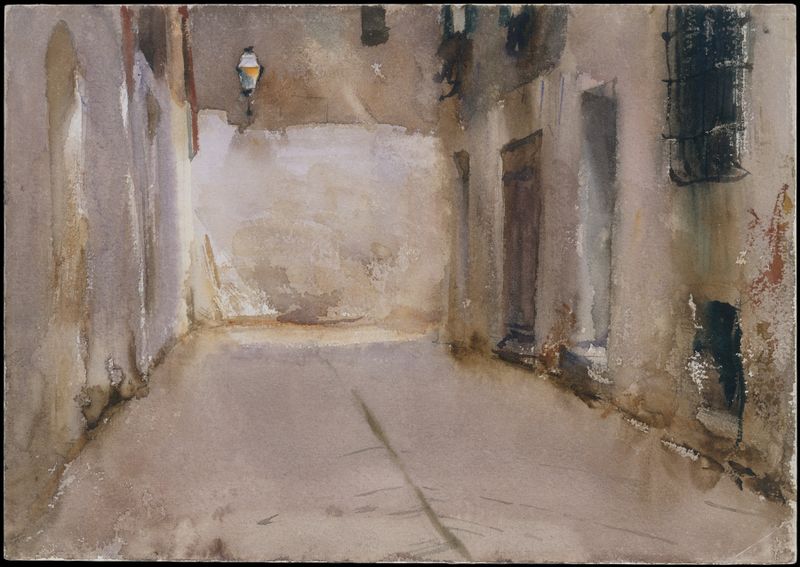
Venice
John Singer Sargent
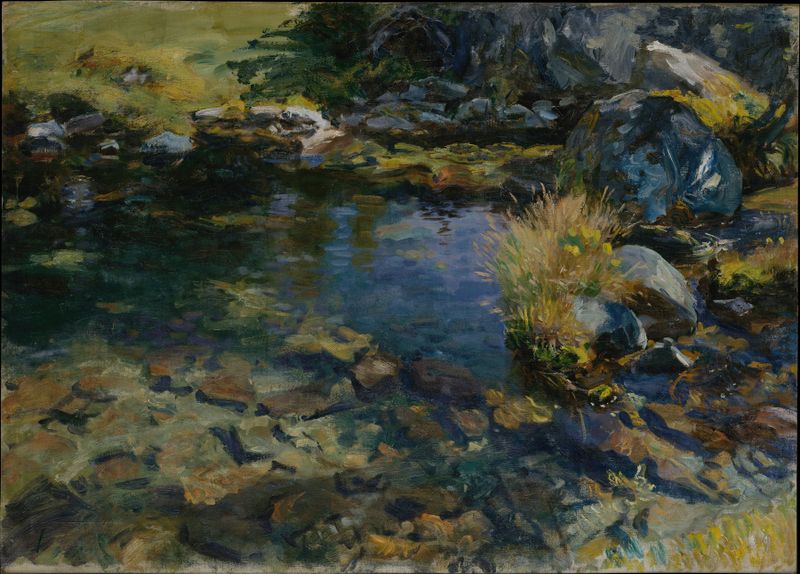
Alpine Pool
John Singer Sargent
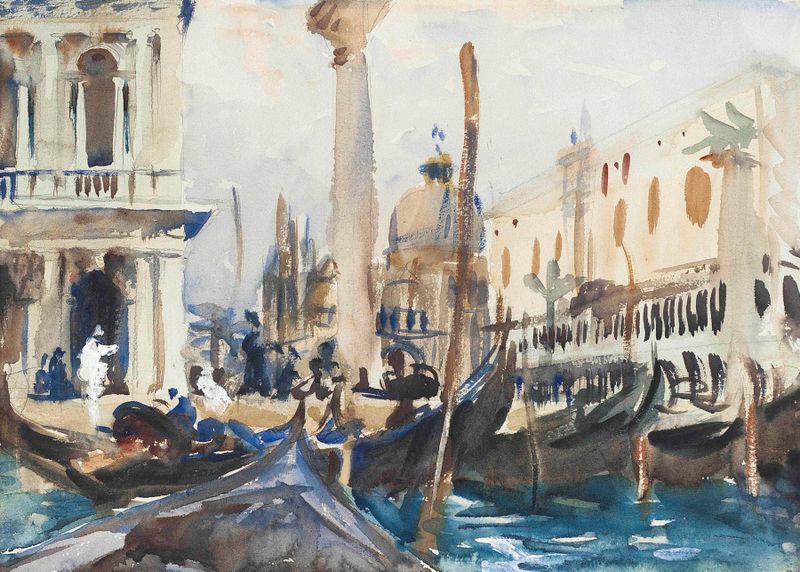
The Piazzetta with Gondolas
John Singer Sargent
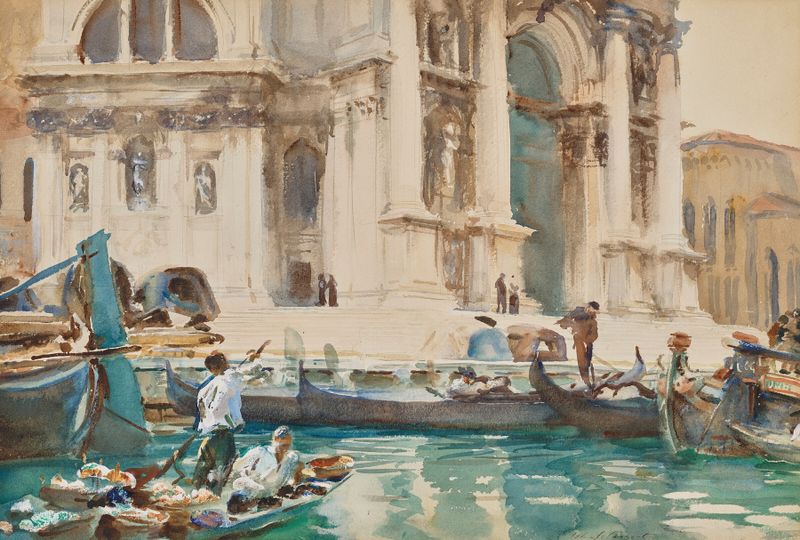
The Façade of La Salute, Venice
John Singer Sargent





