
Mules and Ruins — History & Facts
In the aftermath of conflict, rebirth emerges from the ashes of despair, echoing through the muted tones of a somber landscape. Look to the left where two mules stand against the backdrop of crumbling ruins, their sturdy forms grounding the scene with a quiet resilience. The earthy browns and faded greens contrast with the cool grays of the aged stone, suggesting a stillness that belies the chaos of their past. Sargent’s brushwork captures the texture of the landscape, evoking a sense of depth and history, while the mules’ gentle postures symbolize loyalty and endurance amid the remnants of civilization. Amidst the decay, there’s an unmistakable sense of hope.
The mules represent not just survival but the potential for renewal; their presence among the ruins speaks to the cycle of life amidst destruction. The interplay of light and shadow across the scene further emphasizes the tension between past loss and future possibilities, inviting viewers to ponder what may yet flourish against a backdrop of devastation. In 1918, as Sargent painted this work, the world was grappling with the aftermath of World War I. The artist, already renowned for his portraiture, sought to capture the profound emotional landscape of a changing world.
Living in London and deeply affected by the war’s horrors, he turned to scenes that reflected both loss and resilience, illustrating the spirit of a society mourning while yearning to rebuild.
More Artworks by John Singer Sargent
Browse all →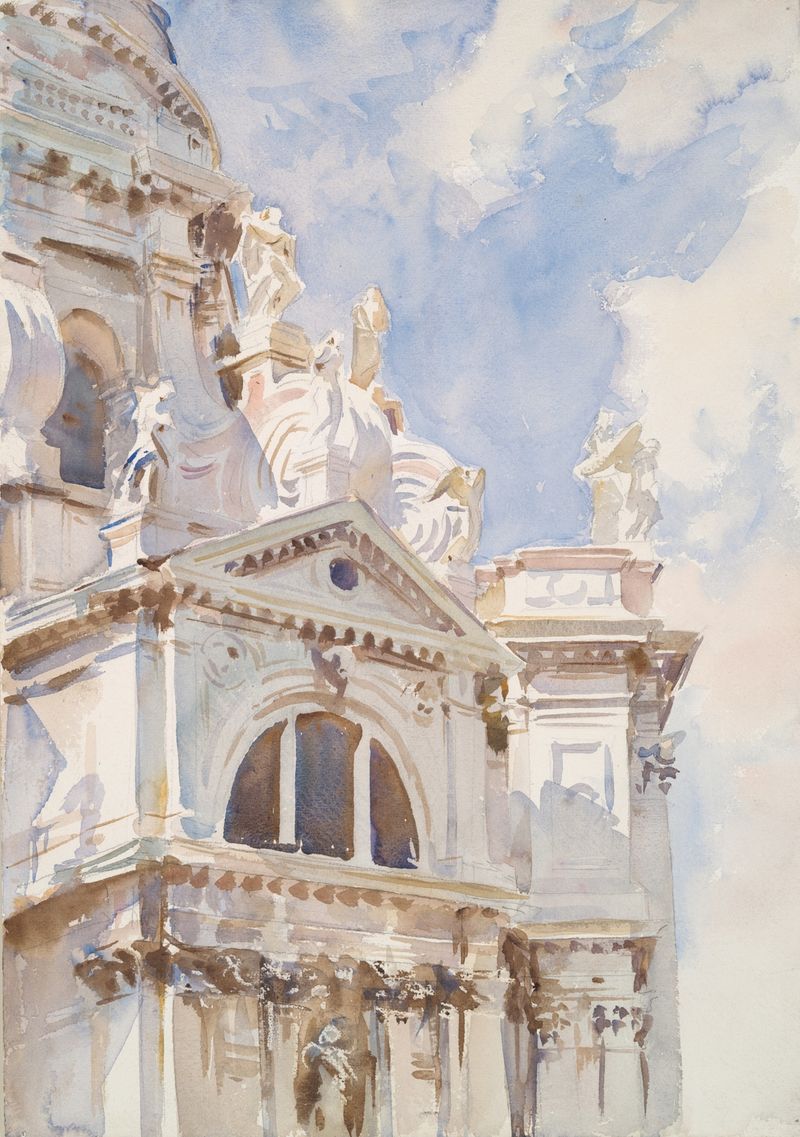
The Salute, Venice
John Singer Sargent

Mrs. Charles Deering (Marion Denison Whipple)
John Singer Sargent
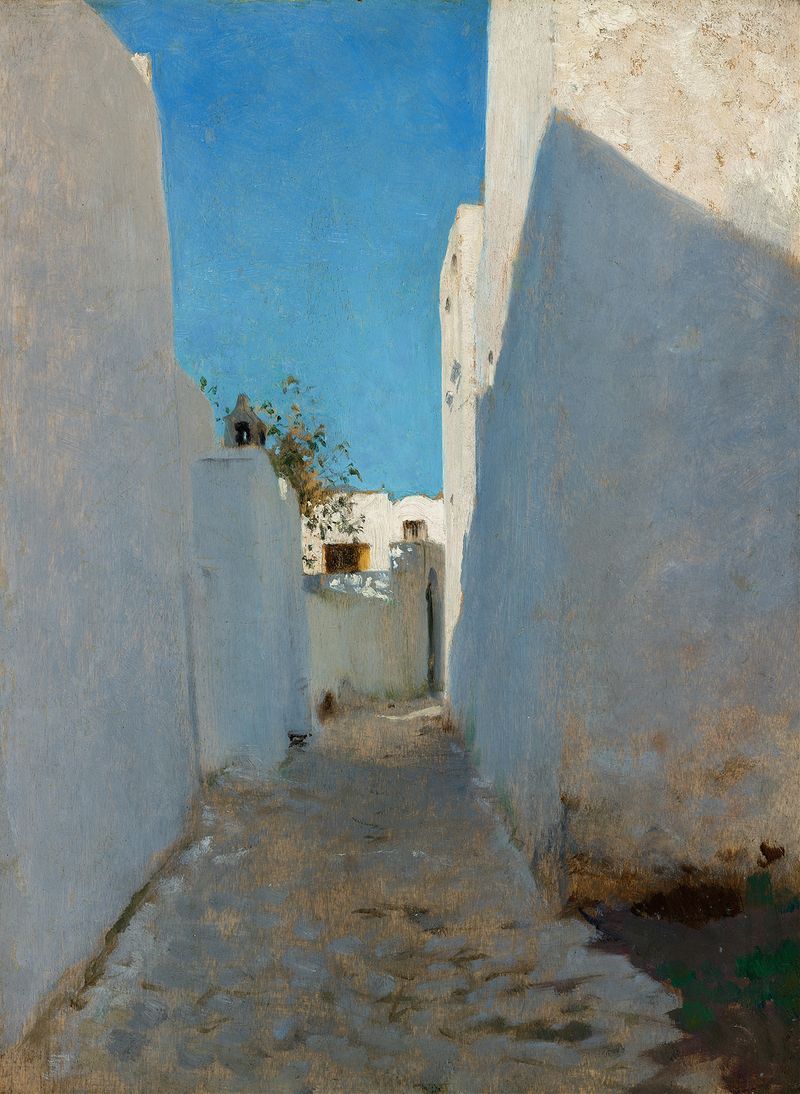
A Moroccan Street Scene
John Singer Sargent
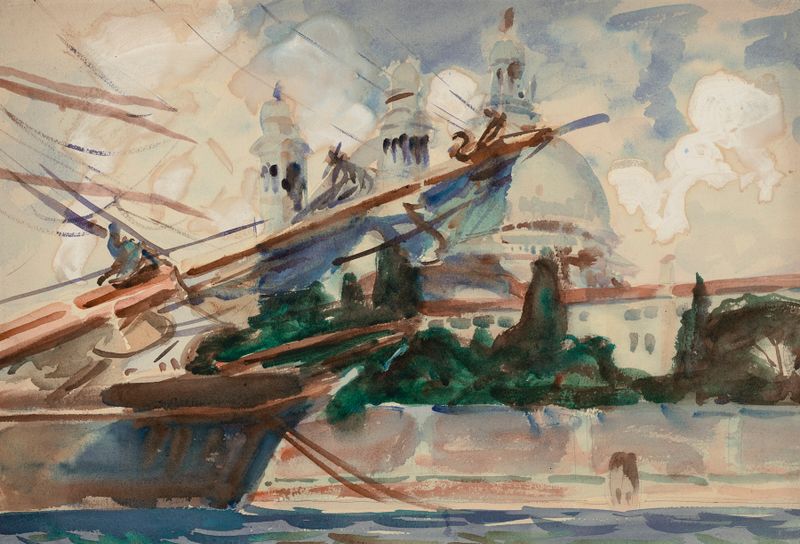
The Salute, Venice
John Singer Sargent
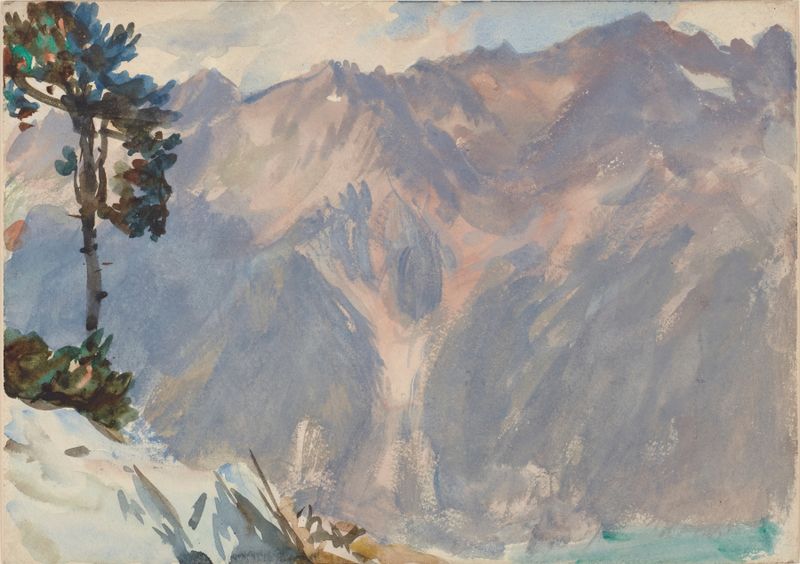
Tyrol
John Singer Sargent
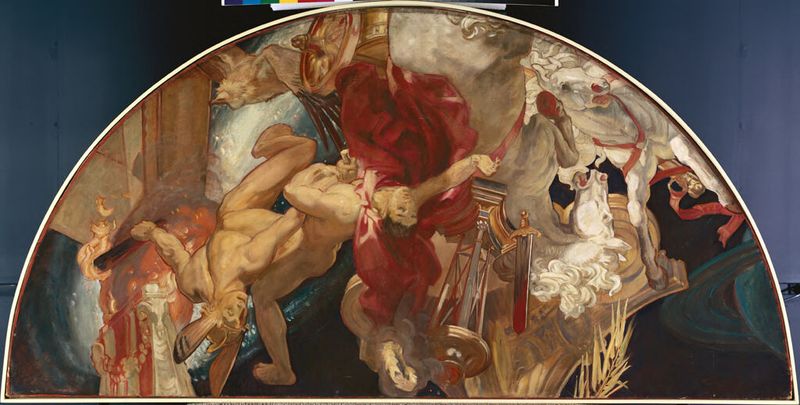
Study for "Gog and Magog," for the Boston Public Library
John Singer Sargent
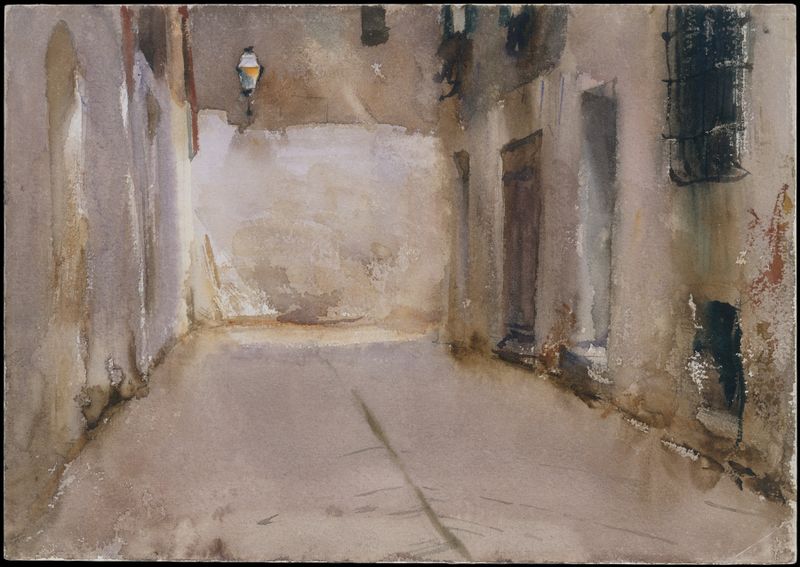
Venice
John Singer Sargent
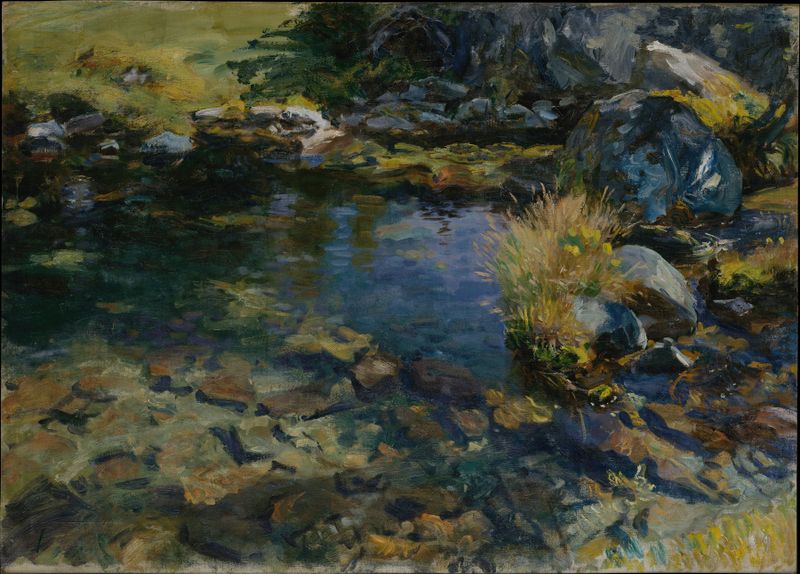
Alpine Pool
John Singer Sargent
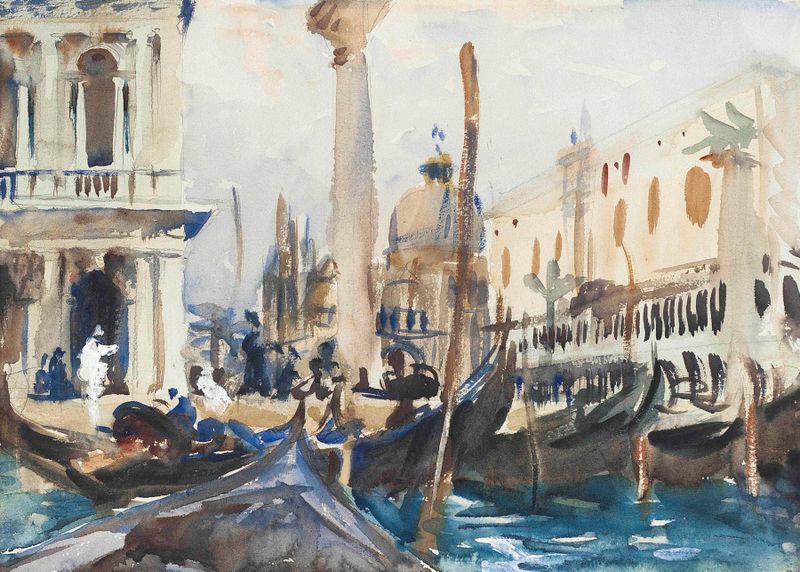
The Piazzetta with Gondolas
John Singer Sargent
The Façade of La Salute, Venice
John Singer Sargent





