
Murichom to Choka [Chukha] — History & Facts
The quiet ache of nostalgia swells within us as we gaze upon the canvas, inviting the past to dance with the present. Look closely at the serene landscape before you, where towering mountains wrap their arms around a gentle river. Notice how the subtle hues of green and blue create a sense of harmony, blending effortlessly to evoke both tranquility and yearning. The delicate brushstrokes capture the way the light breaks upon the water, shimmering like scattered memories, while the sprawling sky above hints at the vastness of time and possibility. Amidst the serene beauty lies a tension; the mountains stand as steadfast sentinels, bearing witness to the passage of time while the flowing river symbolizes change and impermanence.
The small, humble figures of villagers dot the banks, engaged in daily lives that seem both timeless and fleeting. Their presence, though diminutive, serves as a poignant reminder of human resilience amidst the eternal dance of nature, evoking a deep sense of longing for connections that transcend time. Created in 1783, this piece emerged during a transformative era for Samuel Davis, as he sought to redefine landscapes through the lens of personal experience. Living in the context of the British Enlightenment, he was influenced by the Romantic movement's fascination with nature and emotion.
This artwork reflects not only the beauty of the Chukha region but also Davis’s own search for meaning in a rapidly changing world, capturing moments that echo with the whispers of history.
More Artworks by Samuel Davis
Browse all →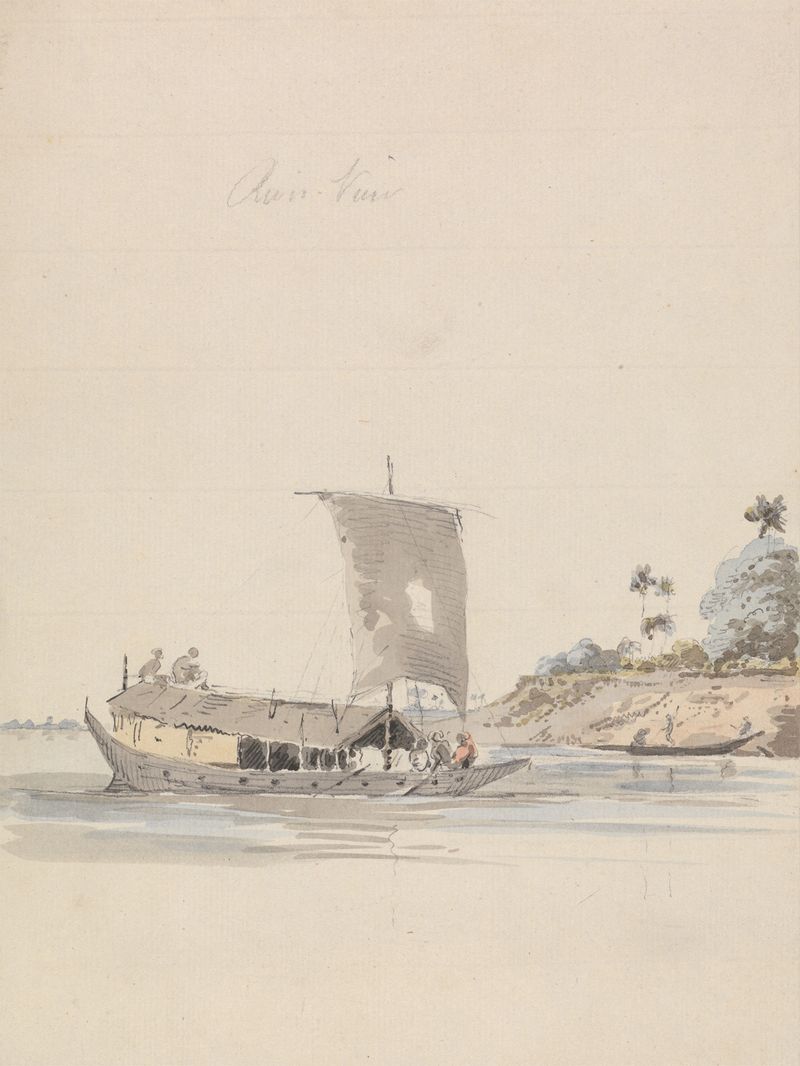
River View with a Junk (near Rajmahal)
Samuel Davis
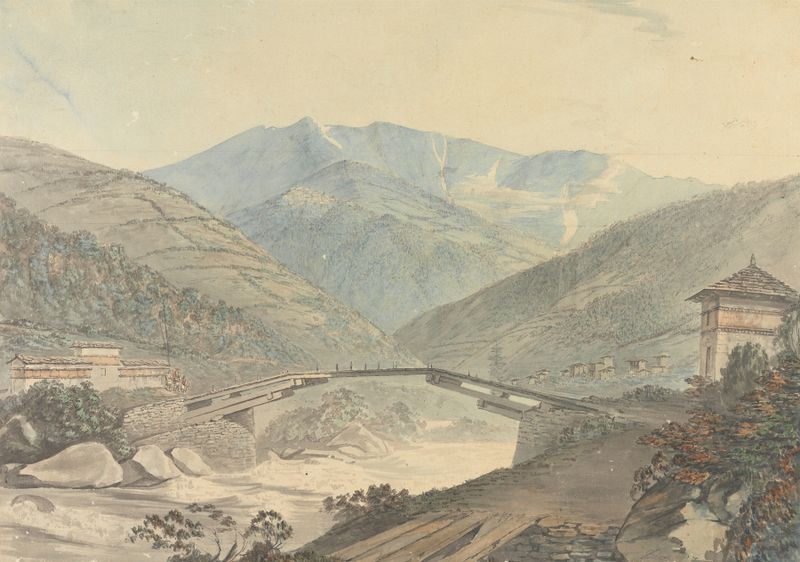
View near Tassisudon [Tashicho Dzong] in Bhutan
Samuel Davis
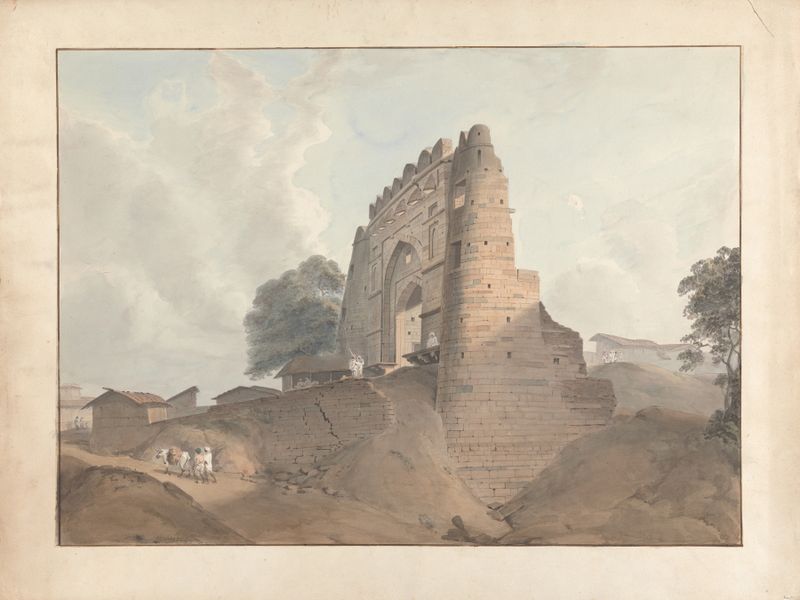
Gate of the Old Fort at Old Benares
Samuel Davis
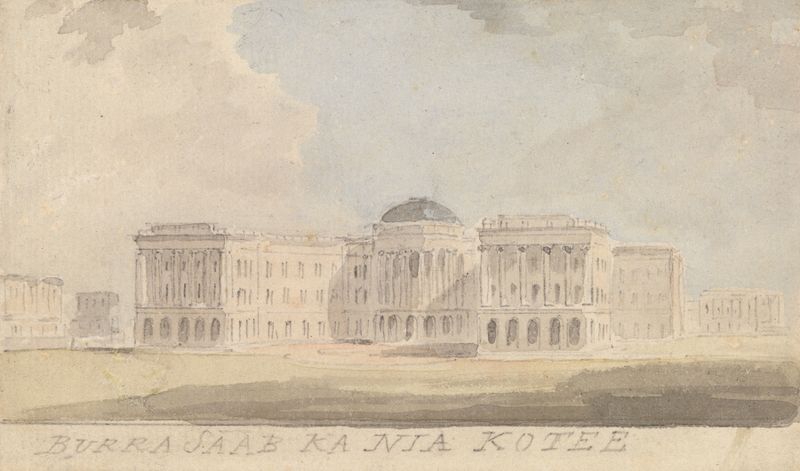
New Government House at Calcutta
Samuel Davis
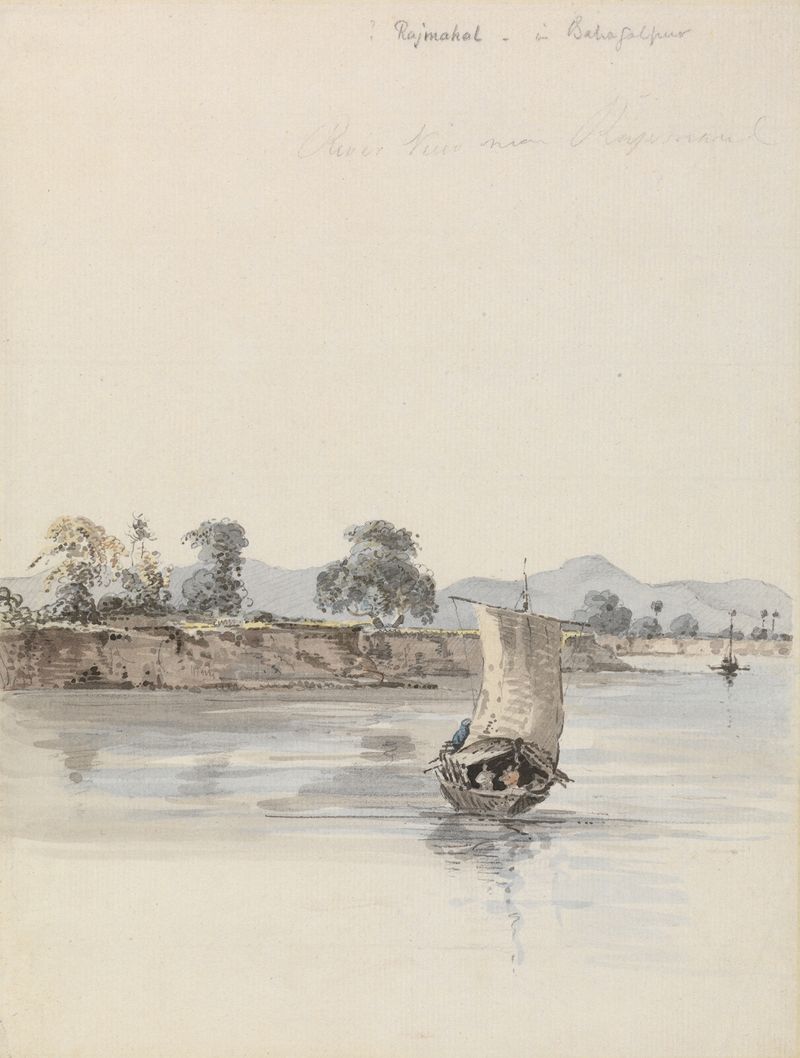
River View near Rajmahal
Samuel Davis
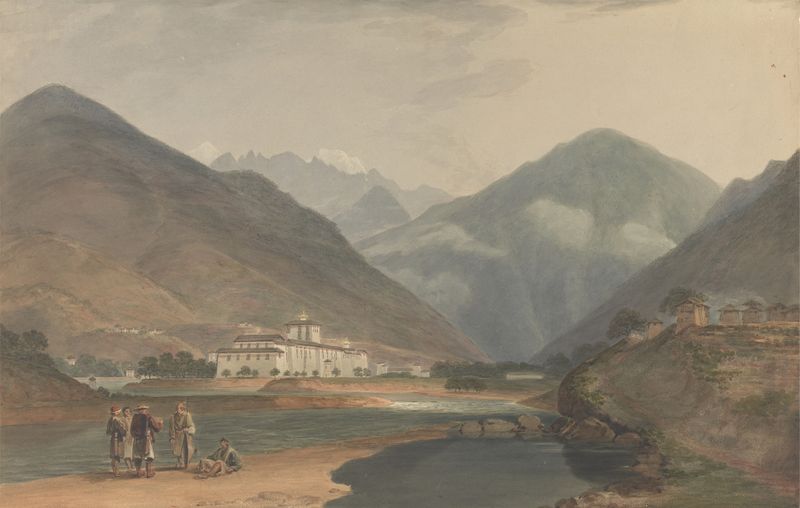
The Former Winter Capital of Bhutan at Punakha Dzong
Samuel Davis
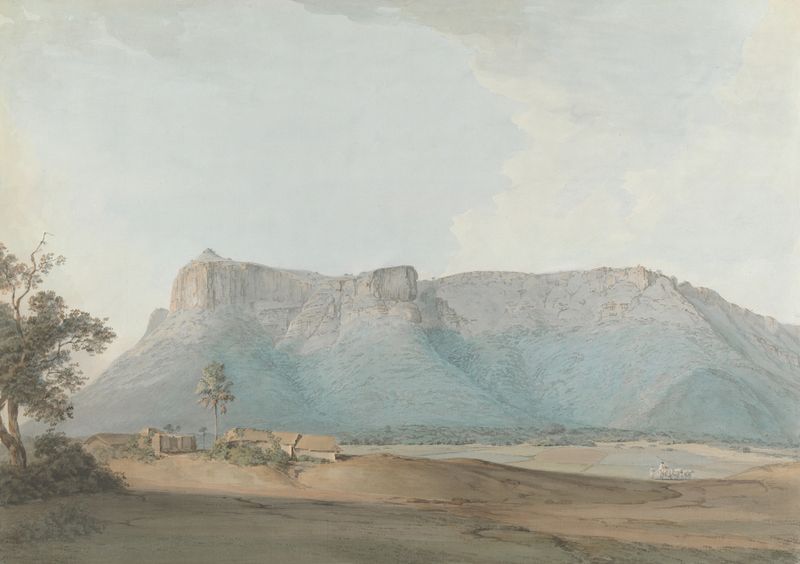
Rhotas from Akberpore
Samuel Davis
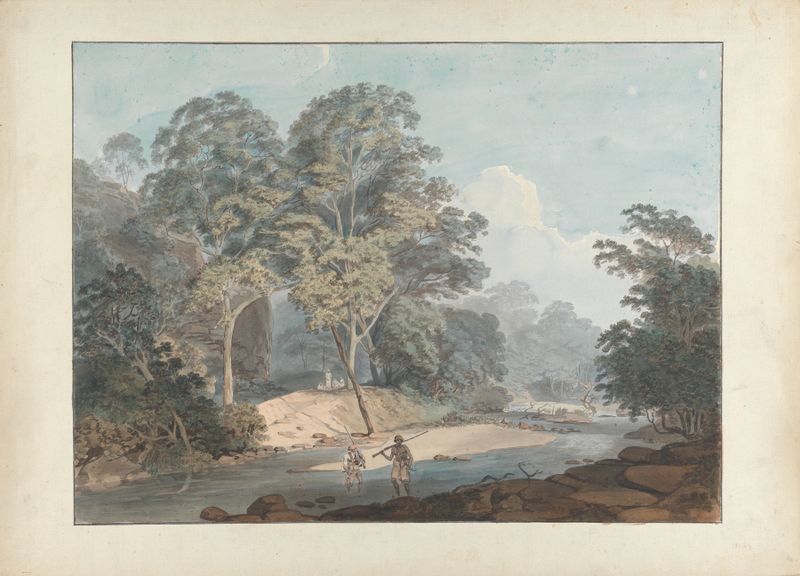
Rocky River Scene with Sepoys
Samuel Davis
West Country Town by a River
Samuel Davis
The Annual Resort of Hindoos to Mundar Hill near Bhagulpore [Bhagalpur]
Samuel Davis





