
My Lady’s Garden — History & Facts
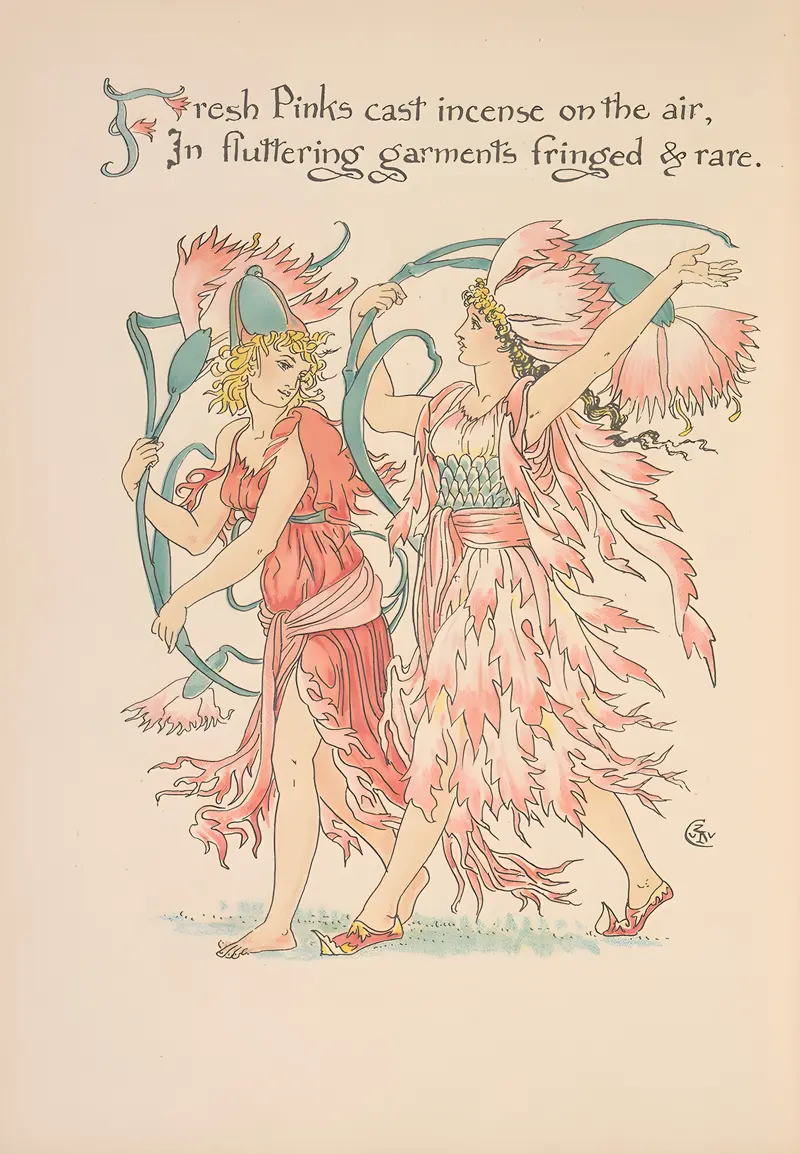
In My Lady’s Garden, Walter Crane presents a lush and vibrant garden scene. The painting is filled with a variety of colorful flowers and greenery, creating a lively atmosphere. Soft, flowing lines characterize the forms of the plants, enhancing the sense of movement.
The overall color palette is rich, with deep greens and bright floral hues that draw the viewer in. The painting is executed in oil on canvas, a medium that allows for rich color saturation and texture. Crane's technique involves layering colors to achieve depth and vibrancy, typical of the Art Nouveau style. The composition is harmonious, with a balanced arrangement of flora that guides the viewer's eye throughout the piece.
The dimensions are approximately 100 x 150 cm, making it a sizable work that commands attention. Walter Crane was a prominent figure in the Art Nouveau movement, known for his decorative style and intricate designs. My Lady’s Garden showcases his ability to blend natural forms with artistic expression. An interesting fact about this work is that it reflects the Victorian fascination with gardens and nature, which was a significant theme during that era.
Crane's work often aimed to elevate everyday subjects into the realm of fine art, making this painting a notable example of his vision.
More Artworks by Walter Crane

Oranges and Lemons
Walter Crane
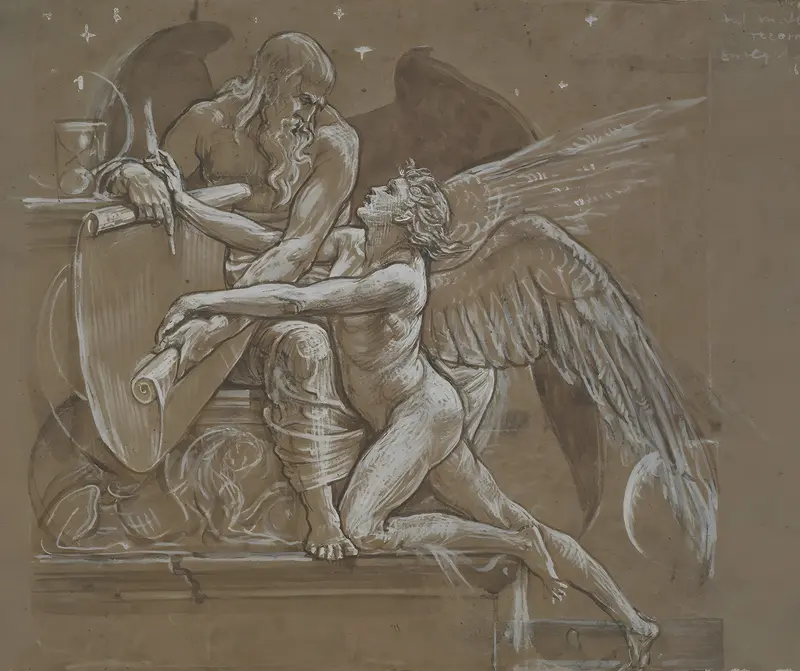
The Roll of Fate, England
Walter Crane
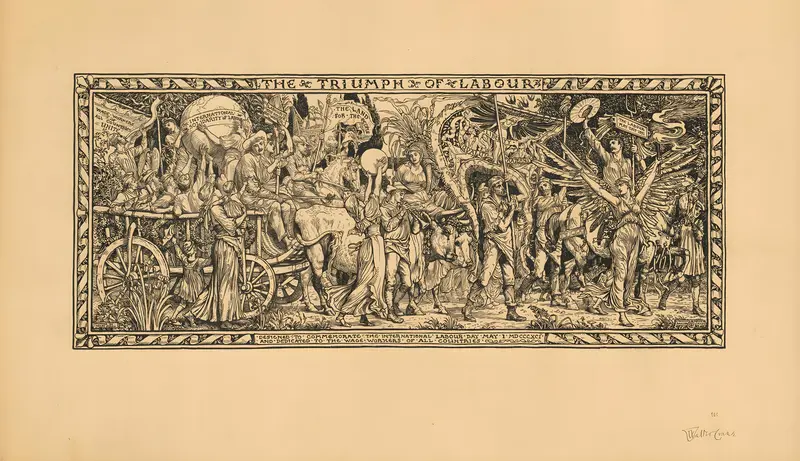
The Triumph of Labour. Designed to commemorate The International Labour Day
Walter Crane
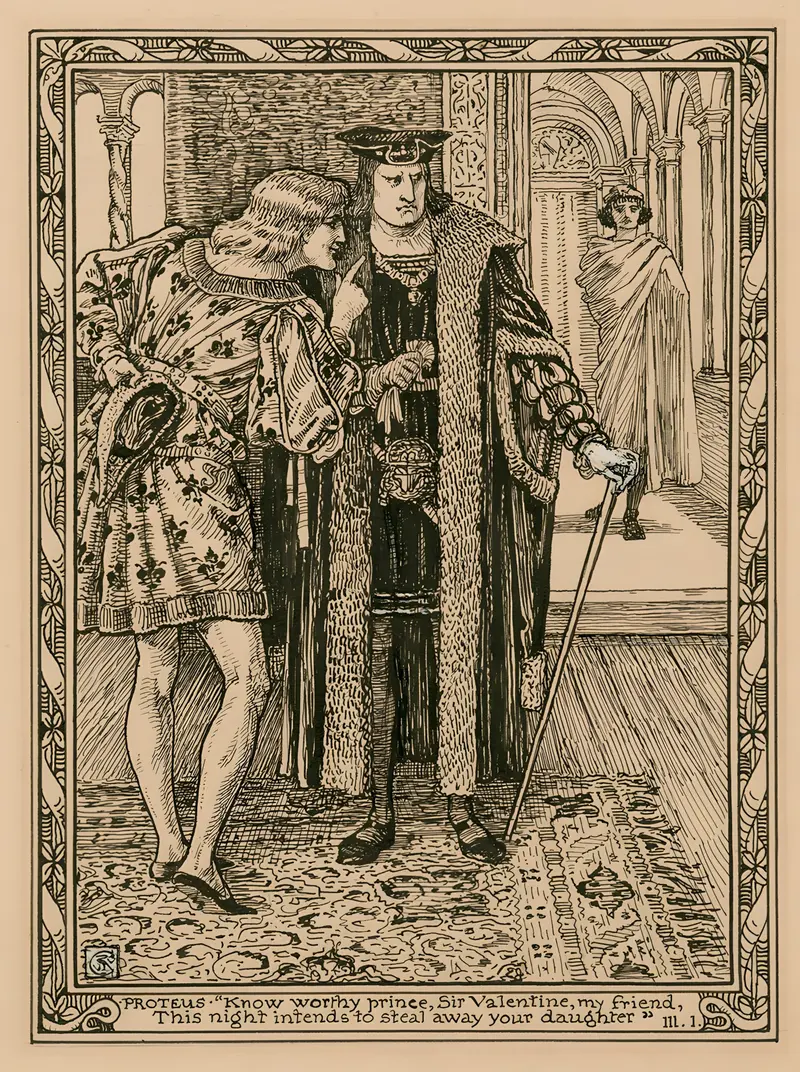
Proteus; ‘Know worthy prince, Sir Valentine, my friend, this night intends to steal away your daughter’, III, 1
Walter Crane
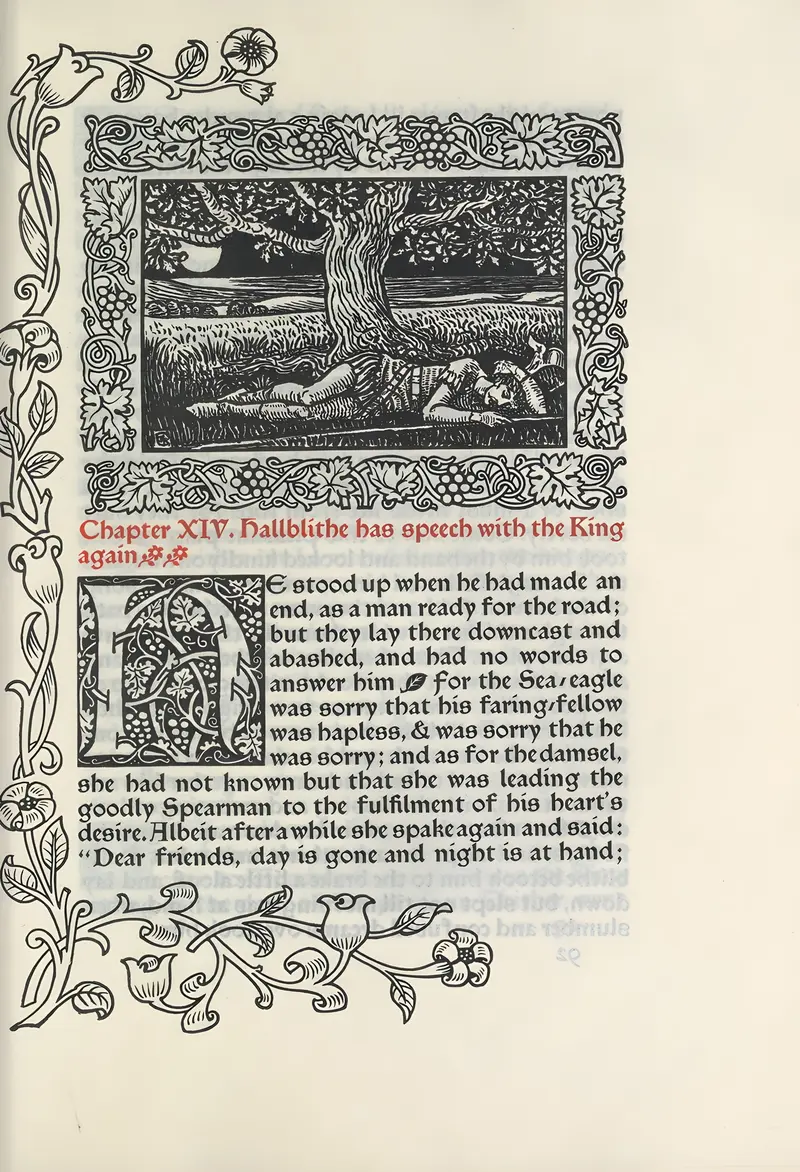
Chapter XIV. Hallblithe has speech with the King again
Walter Crane
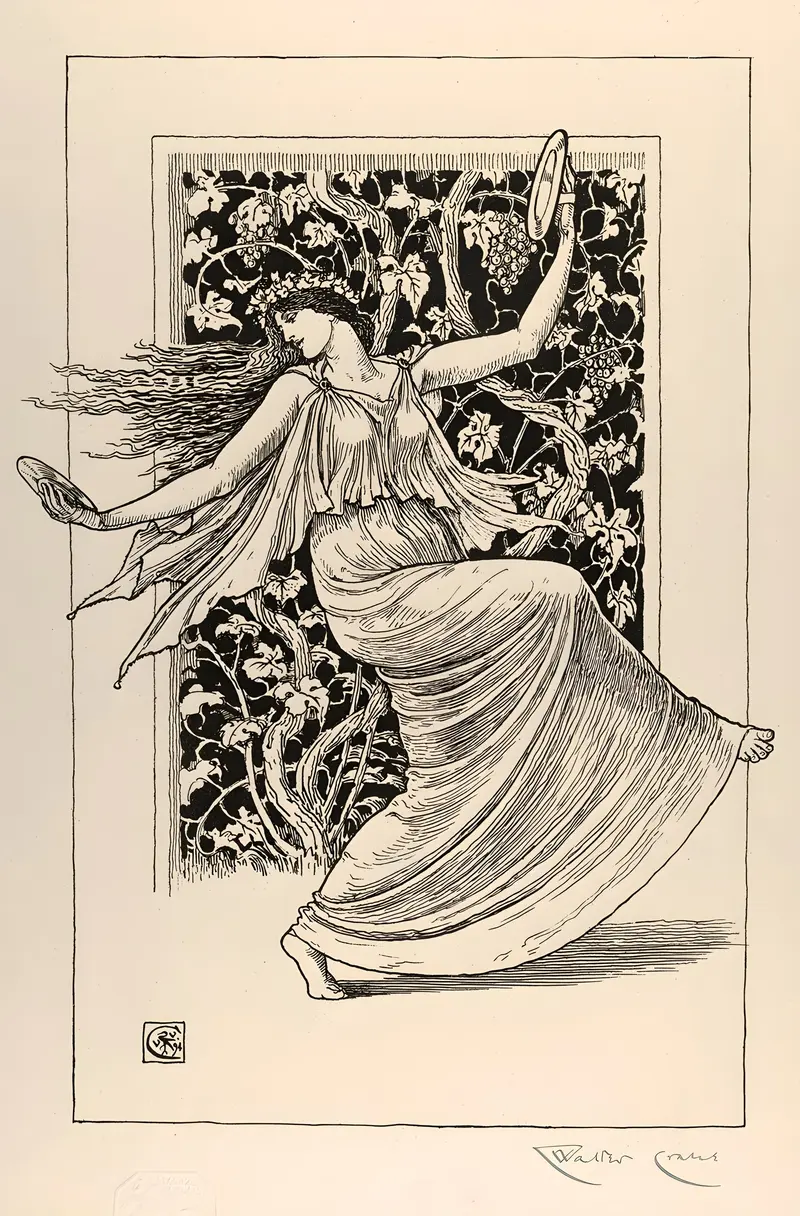
Dancing Nymph
Walter Crane
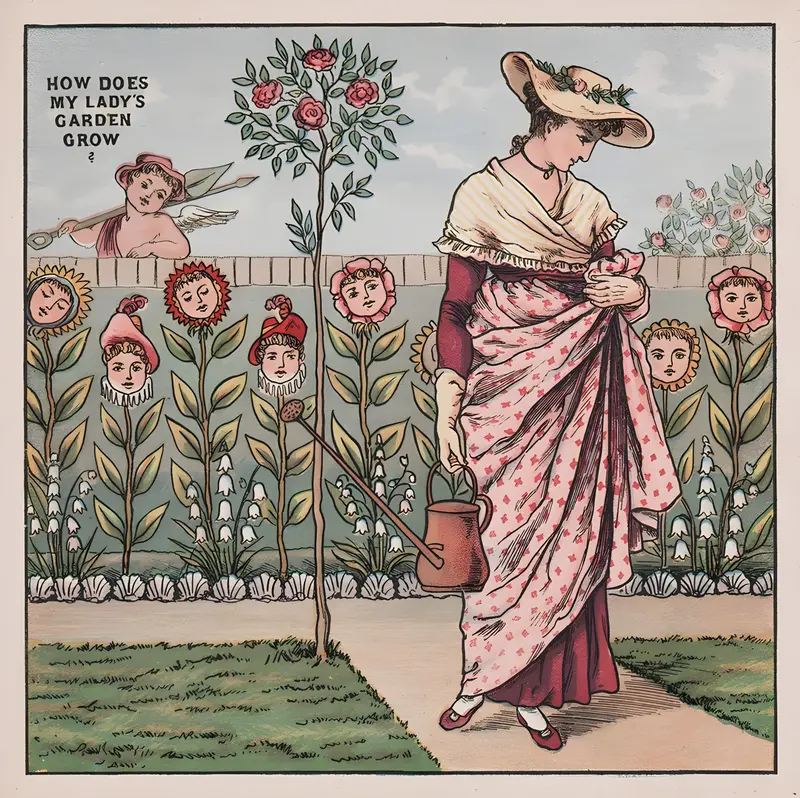
How does my lady’s garden grow
Walter Crane
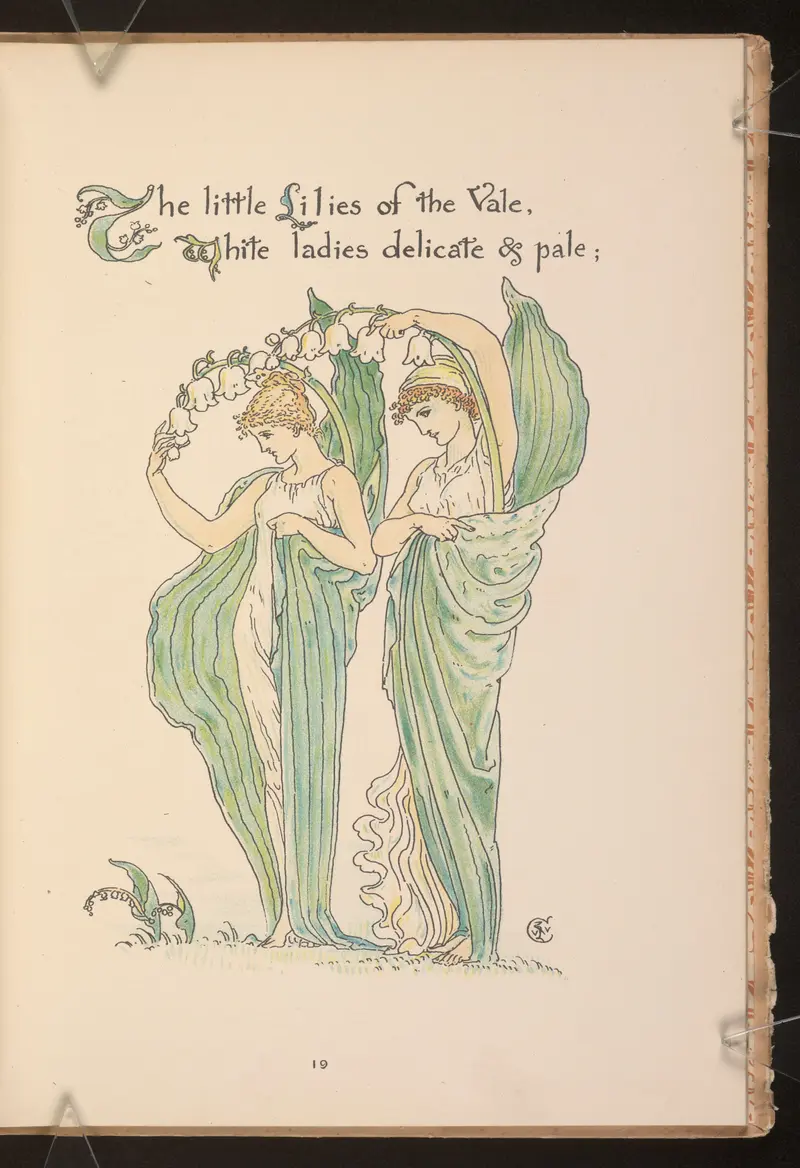
Flora’s feast; A masque of flowers Pl.19
Walter Crane
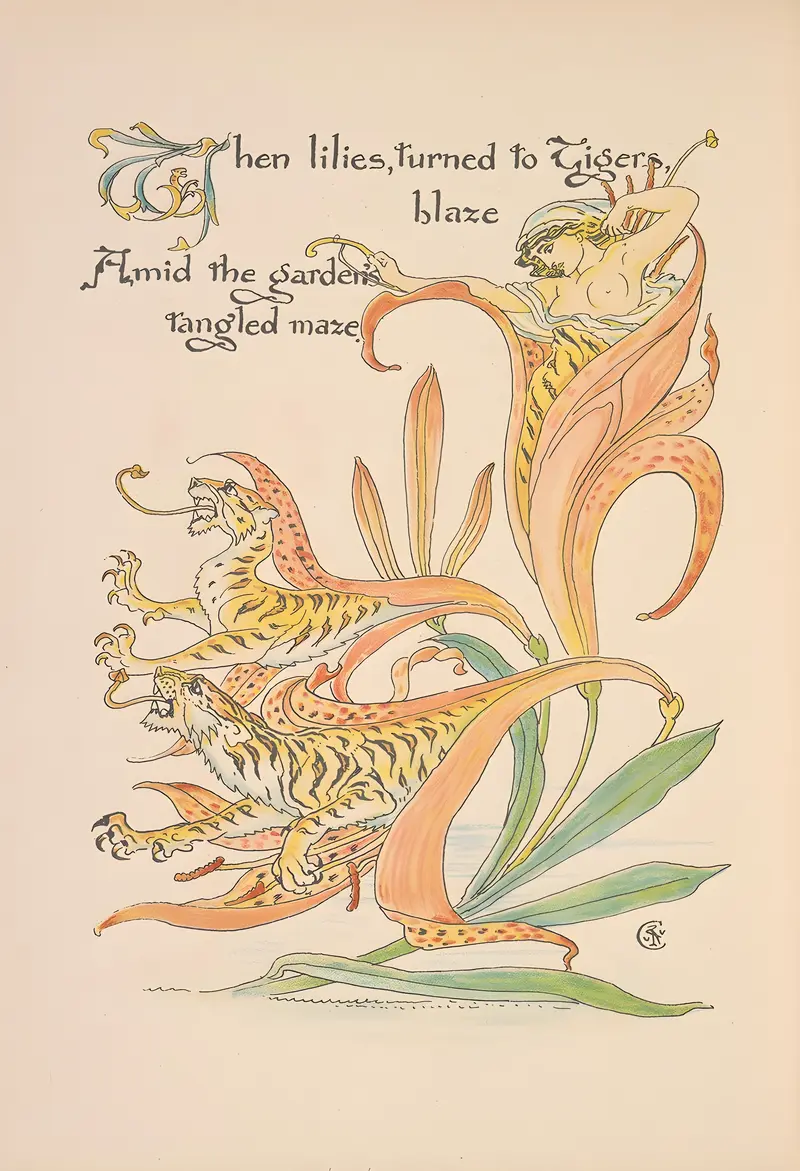
Flora’s feast; A masque of flowers Pl.34
Walter Crane
Flora’s feast; A masque of flowers Pl.29
Walter Crane



