Mythological Scene — History & Facts
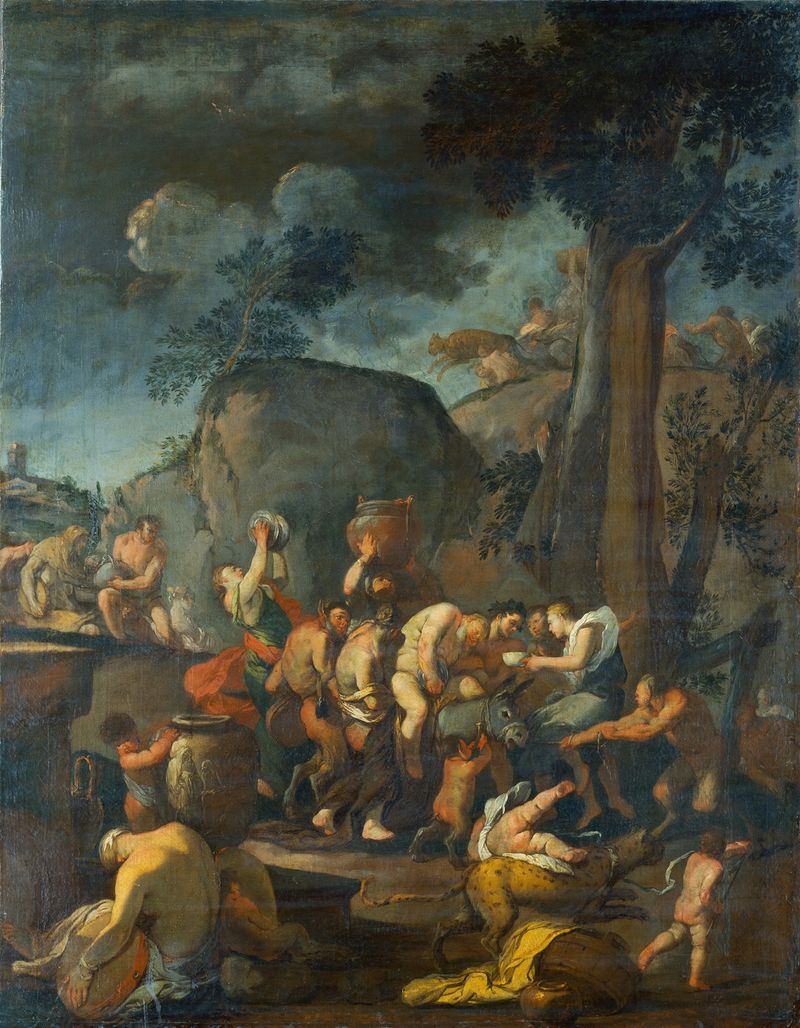
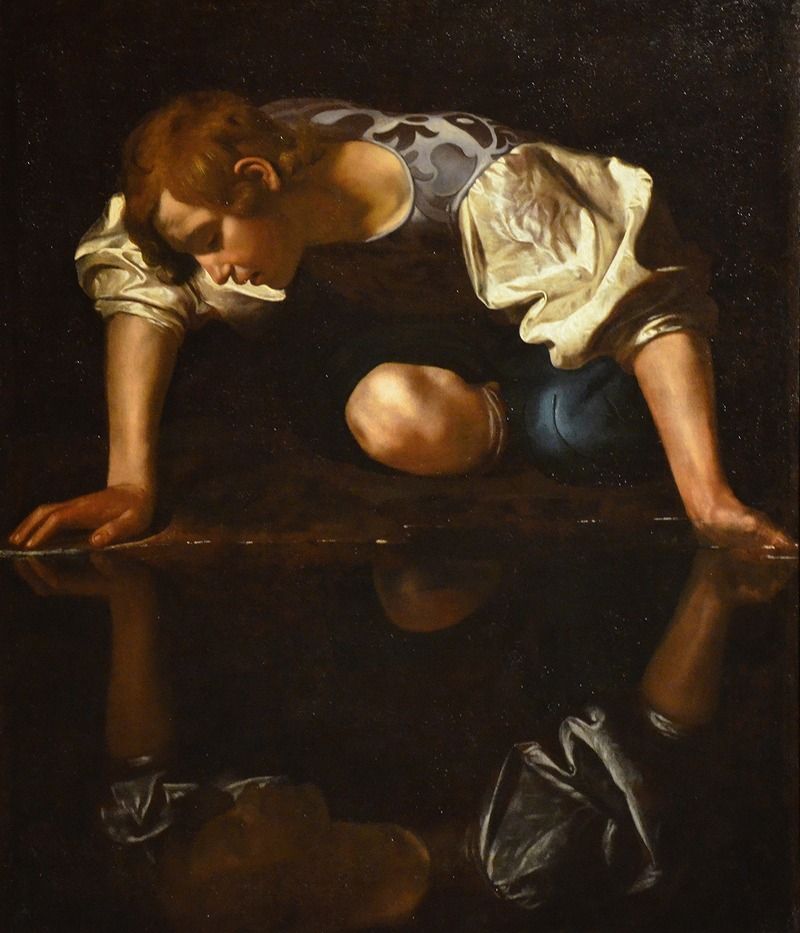
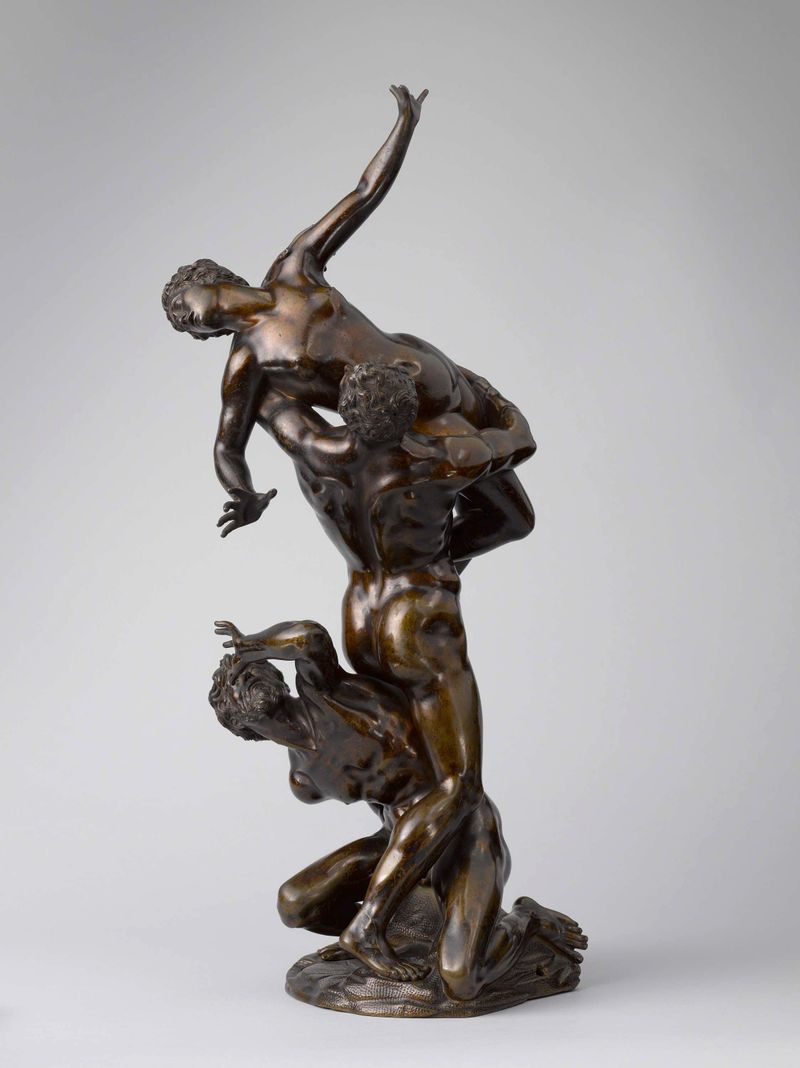
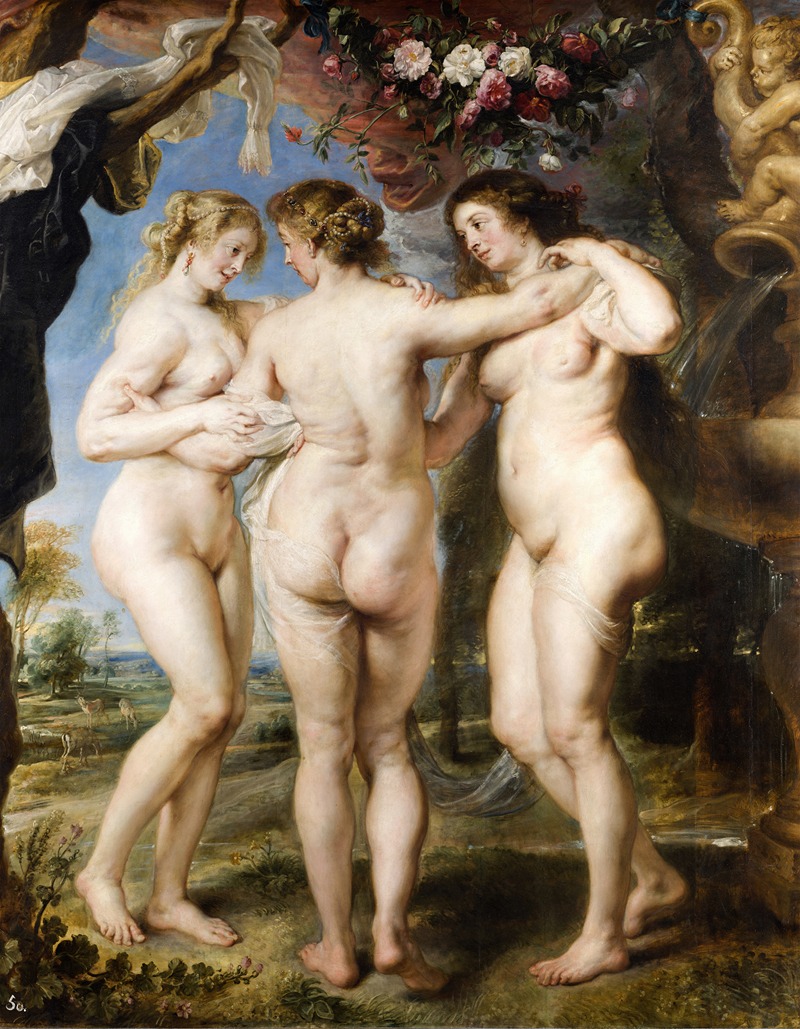
Could beauty survive in a century of chaos? Mythological Scene invites us to ponder this question, as it encapsulates a fragile moment of rebirth amid turbulent times. The artwork serves as a testament to the enduring power of myth and artistry, reminding us that creation often emerges from destruction. Look closely at the center; the figures of deities seem almost suspended in time, caught in a dance of elegance and purpose. The rich palette of warm golds and cool blues creates a dynamic interplay of light, emphasizing the ethereal quality of the scene.
Notice how the meticulously painted textures of the garments catch the light, flowing like water around the figures, while their expressions, both serene and intense, draw the viewer into their world. Delve deeper, and the contrasts become pronounced: the harmonious beauty of the divine is juxtaposed with the chaotic brushstrokes surrounding them, reflecting the turmoil of the 17th century. Each figure represents not only mythological themes but also the aspirations of humanity to find solace and renewal. The intricate details—like the soft glow of the goddess's skin against the shadowy backdrop—speak to the struggle to maintain hope despite surrounding upheaval. Giulio Carpioni created this piece in the 17th century, a time marked by political and social unrest across Europe.
Living in Venice, Carpioni was influenced by the Baroque movement, which emphasized dramatic contrasts and emotional intensity. This era saw a flourishing of art as a response to the turmoil, and Mythological Scene captures the spirit of resilience and transformation that defined the period.