The Sacrifice of Polyxena — History & Facts
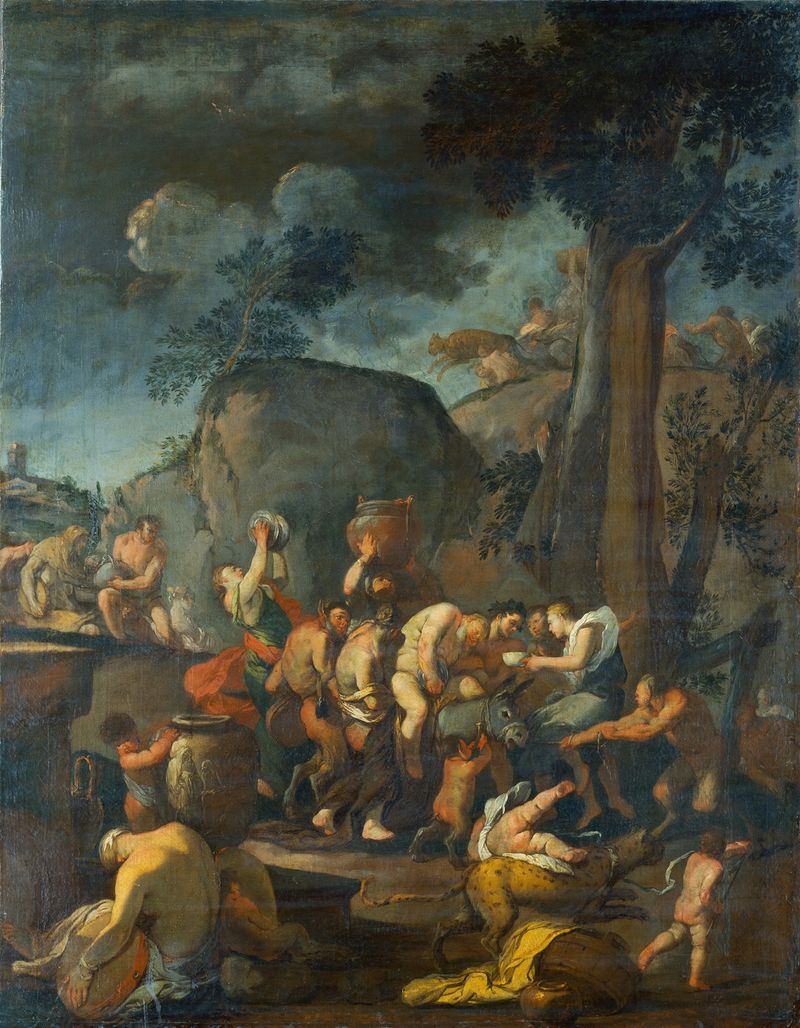
Could a single brushstroke hold eternity? In The Sacrifice of Polyxena, emotional turmoil and the weight of destiny coexist, capturing the essence of madness entwined with sacrifice. Look to the center of the canvas, where Polyxena kneels, her delicate figure juxtaposed against the looming presence of the altar. The artist’s deft brushwork creates a palpable tension in the air, heightened by the interplay of shadow and light that caresses her face while casting her surroundings into a somber gloom. Notice how the deep reds and muted earth tones emphasize her vulnerability, making her white garment radiate purity amidst chaos.
Every element of composition draws the eye to her—a focal point of despair and resignation. As you explore the piece further, consider the faces of the onlookers, a mix of agony and indifference that reflects the madness of war and sacrifice. The figures surrounding Polyxena are painted with distinct yet ghostly features, embodying the emotional tension of duty versus personal loss. This layered complexity invites viewers to ponder the nature of fate, questioning how much control one possesses when faced with irrevocable choices.
Each gaze seems to ask: what madness drives one to submit to such a fate? Carpioni painted this poignant scene around 1650, during a period marked by a growing interest in dramatic narratives and intense emotional expressions in art. Living in Venice, he was influenced by the Baroque movement's emphasis on chiaroscuro and human emotion, yet here he diverges into an exploration of psychological depths. This work reflects both the artist's personal contemplation of human suffering and the broader themes of heroism and tragedy prevalent in the artistic milieu of his time.