Nablous [Nablus], Jordan — History & Facts
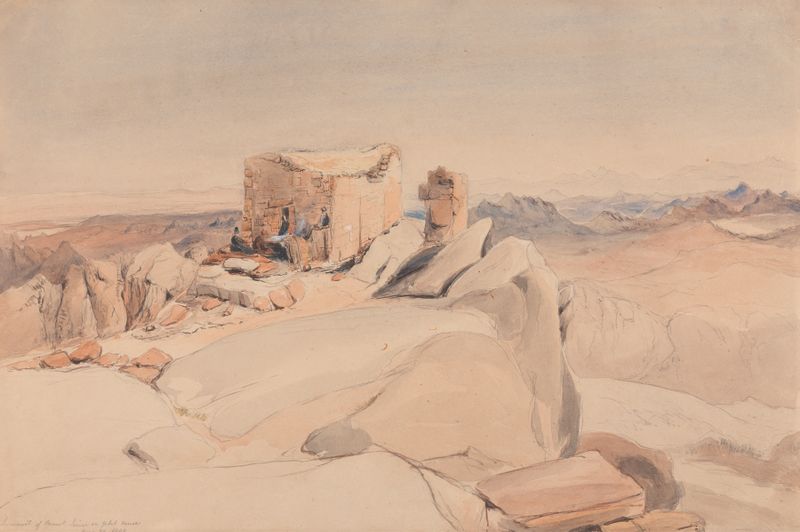
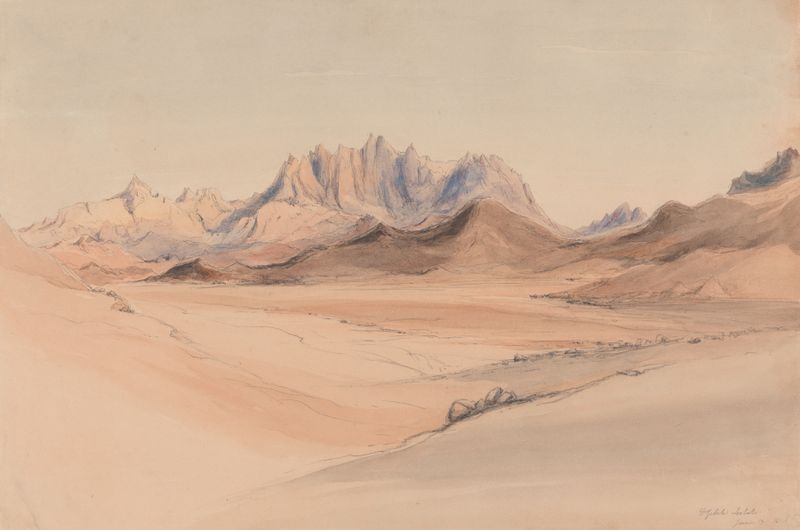
This truth resonates deeply within the artist's portrayal of a serene landscape, where tranquility holds an undercurrent of sorrow. Focus your gaze on the gentle curvature of the hills that cradle the town, the warm hues of ochre and green merging seamlessly under the soft embrace of sunlight. The delicate brushstrokes reveal a meticulous attention to detail; the houses are nestled into the terrain, their muted colors suggesting a harmony with nature. Notice how the distant mountains loom, almost sentinel-like, framing the scene with an imposing yet serene presence. Beneath the surface of this idyllic view lies a complex interplay of emotions.
The quiet of the landscape is juxtaposed with the whispers of history, hinting at the lives once lived within its embrace. There’s a palpable tension between the serene beauty and the weight of the past, as if the land itself carries stories of struggle and resilience. This duality invites viewers to question what lies beneath the surface of such beauty, prompting a reflection on the nature of peace itself. Rev.
Edward Thomas Daniell painted this work in 1841, capturing Nablus during a time of exploration and fascination with the Middle East among European artists. Living in England, Daniell was drawn to the exotic allure of foreign landscapes, reflecting the romantic idealism of the period. His time spent in the region allowed him a unique perspective, reminding audiences that beauty often emerges from complexities etched into the very fabric of history.