The Rhine at Constance — History & Facts
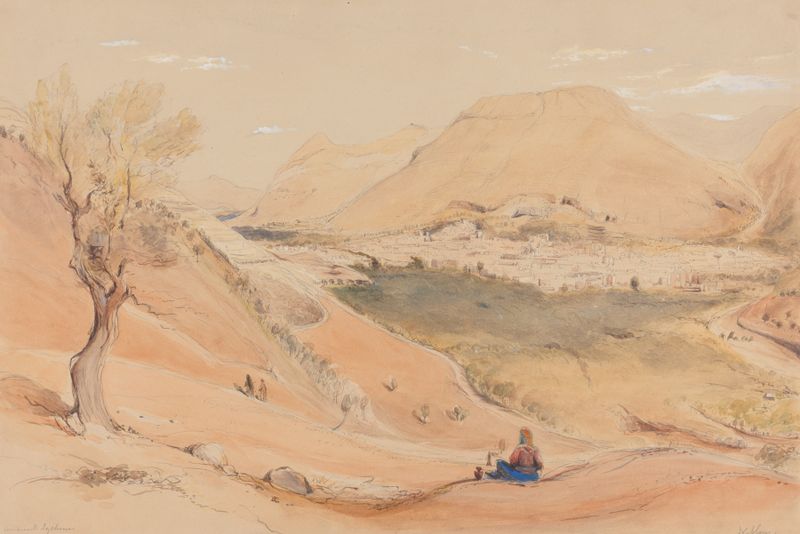
In The Rhine at Constance, the artist captures a moment where the sacred and the temporal converge, inviting contemplation on the divine essence of nature. Look to the left, where the gentle curve of the river snakes through the landscape, crystal waters reflecting the soft pastel hues of dawn. Notice how the light bathes the scene in a golden glow, highlighting the delicate ripples and the silvery foliage that frames the water’s edge. The sky dances with soft clouds, their colors blending seamlessly into the horizon, creating a harmonious balance between earth and sky.
Each brushstroke conveys a sense of serenity, as if time itself has paused to grant us a glimpse into this tranquil realm. Delve deeper, and you’ll find subtle contrasts within the composition. The calmness of the water juxtaposes with the vibrant energy of the foliage, depicting the coexistence of tranquility and life. The distant mountains stand tall, signifying both permanence and the passage of time, while the warm light from the horizon suggests the promise of a new day.
Such elements together evoke a divine presence, reminding us that nature is not just a backdrop but a canvas for spiritual reflection. Rev. Edward Thomas Daniell created this work during his time in Konstanz-am-Rhein, around the early 19th century. Influenced by Romantic ideals, he sought to express the sublime beauty of nature and its transcendental qualities.
This painting emerged at a moment when artists were increasingly exploring themes of spirituality and emotional depth, positioning Daniell within a broader movement that celebrated the divine in the everyday.