
Nach dem Friedensschluss 567a Österreichische Galerie Belvedere — History & Facts
A line of stooped, weary men advances through the dusk, each step heavy with the weight of memory and age. The painter draws your eye first to the central figure, his white hair catching what little light remains, his hands gripping a walking stick as though it is the only thing anchoring him to the earth. Around him, the others move in a slow procession, their faces shadowed, their bodies nearly merging with the dark forms of the buildings behind.
The orange glow of a window hints at warmth and shelter just out of reach, while the sliver of moon above suggests a world indifferent to their struggle. Every brushstroke seems to press the figures further down, their journey both physical and inward, a meditation on endurance and the cost of survival. Painted in 1902, Nach dem Friedensschluss belongs to the world of early twentieth-century Austria, a time when artists like Albin Egger Lienz were turning to scenes of rural life and collective hardship for their subjects. Works of this kind often served as quiet monuments to the anonymous many, rather than the celebrated few, reflecting a society in transition—caught between tradition and the upheavals of modernity.
While little is recorded about the specific origins or commission of this painting, its presence in the Österreichische Galerie Belvedere marks it as part of Austria’s national story, a silent witness to the era’s anxieties and hopes. The painting asks the viewer to linger, to follow the slow march of these men and imagine what peace has cost them.
More Artworks by Albin Egger Lienz
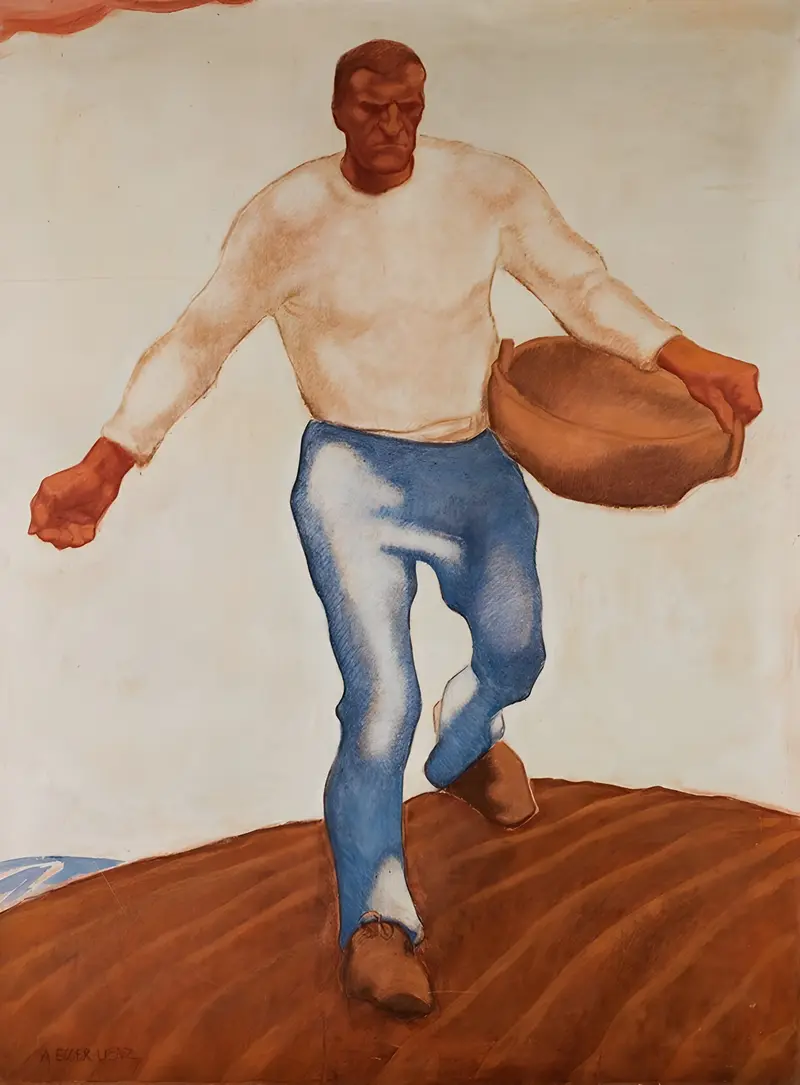
Der Sämann (The Sower)
Albin Egger Lienz
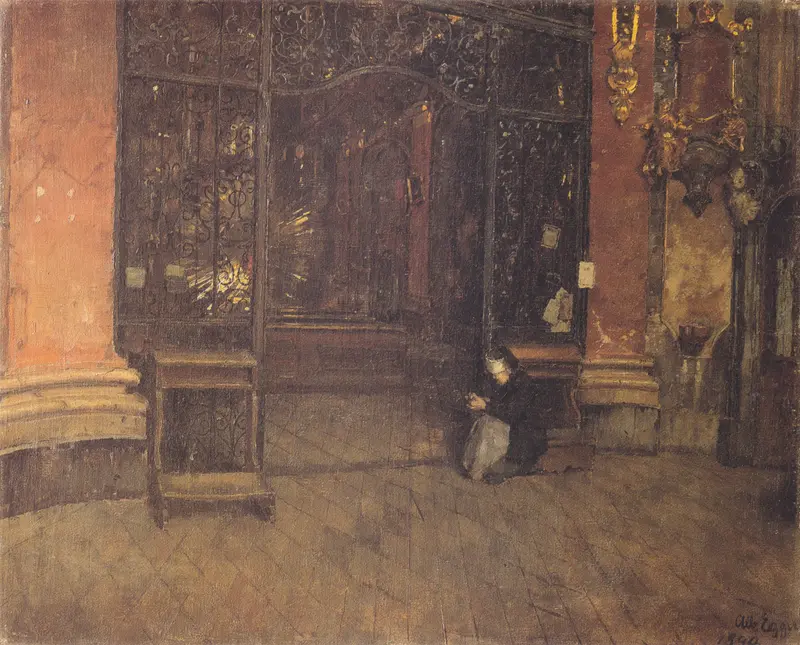
Inneres Der Johanneskirche In München
Albin Egger Lienz
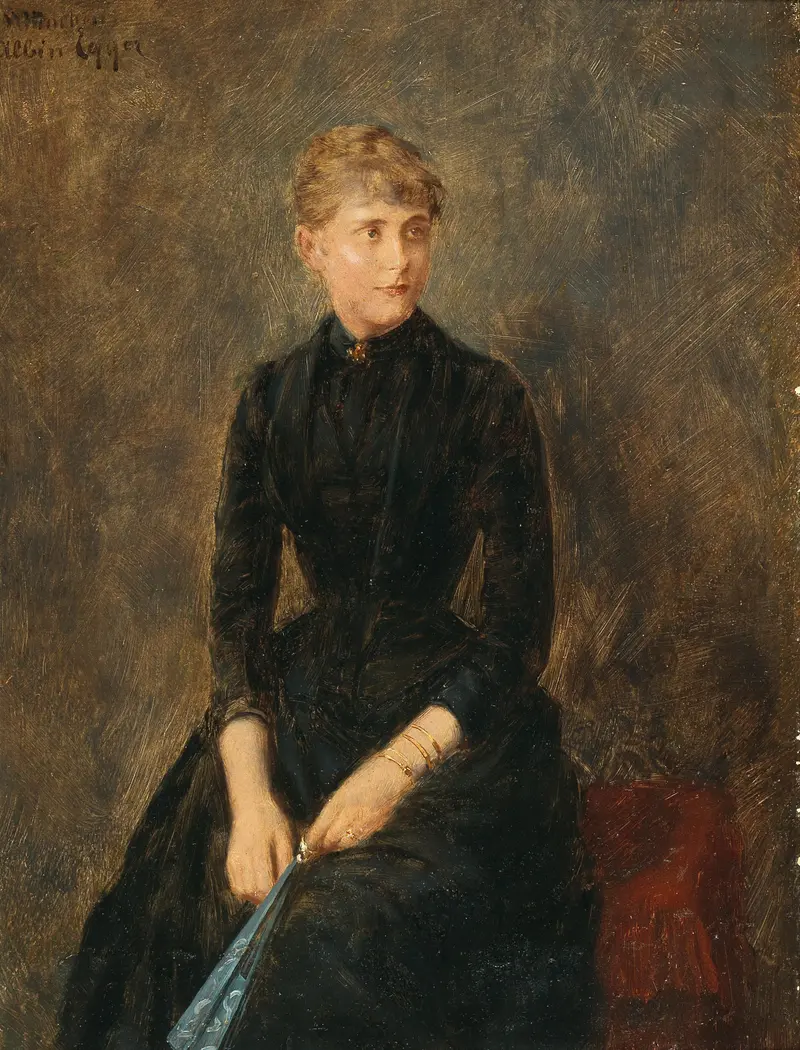
Portrait of the singer Hedwig Helbig
Albin Egger Lienz
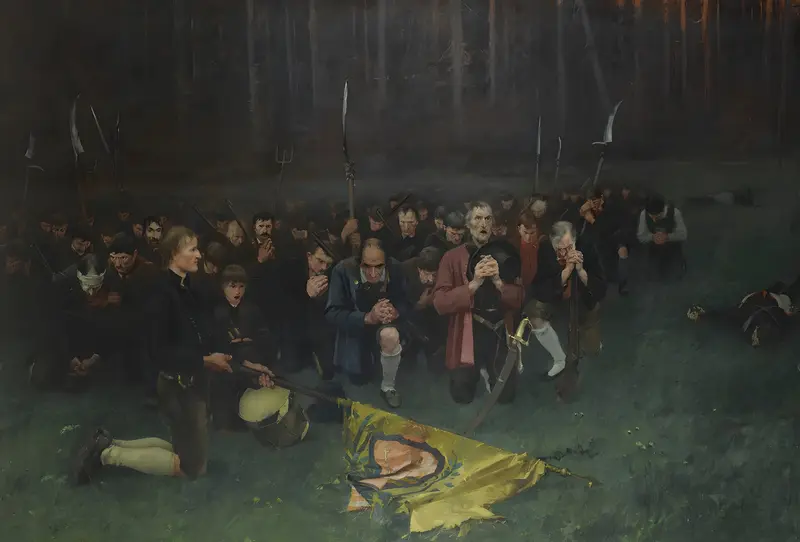
Prayer after the battle of Bergisel
Albin Egger Lienz
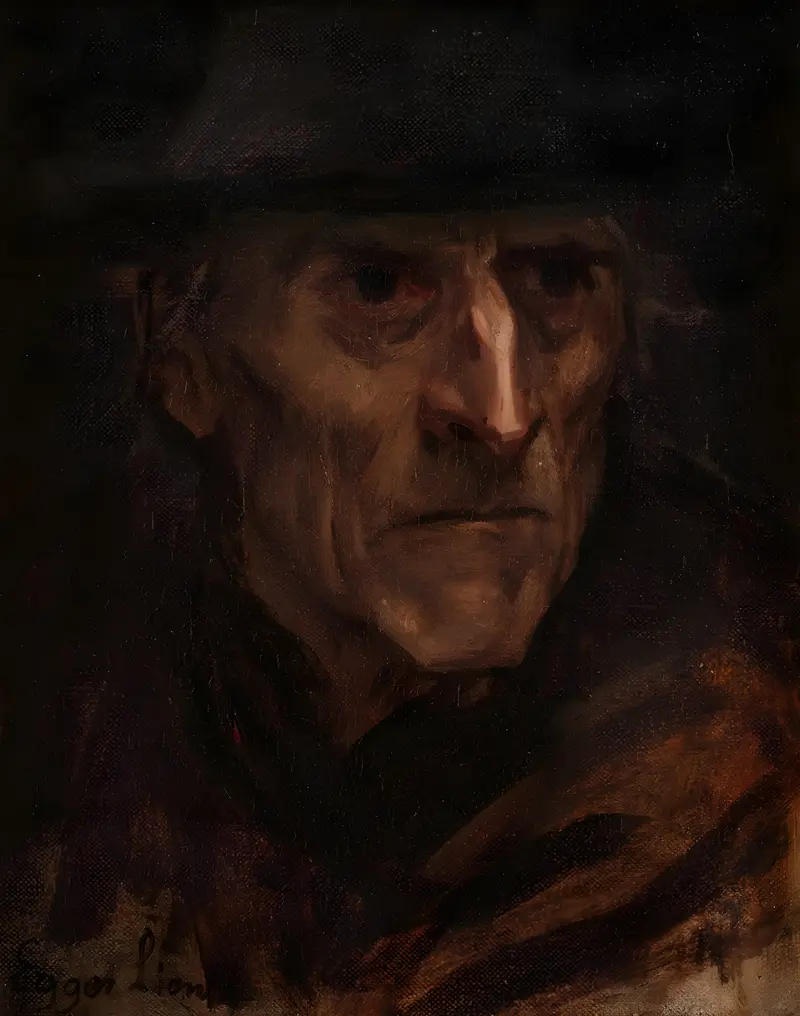
Study for the ‘Sensenmann’ in the ‘Das Kreuz’
Albin Egger Lienz
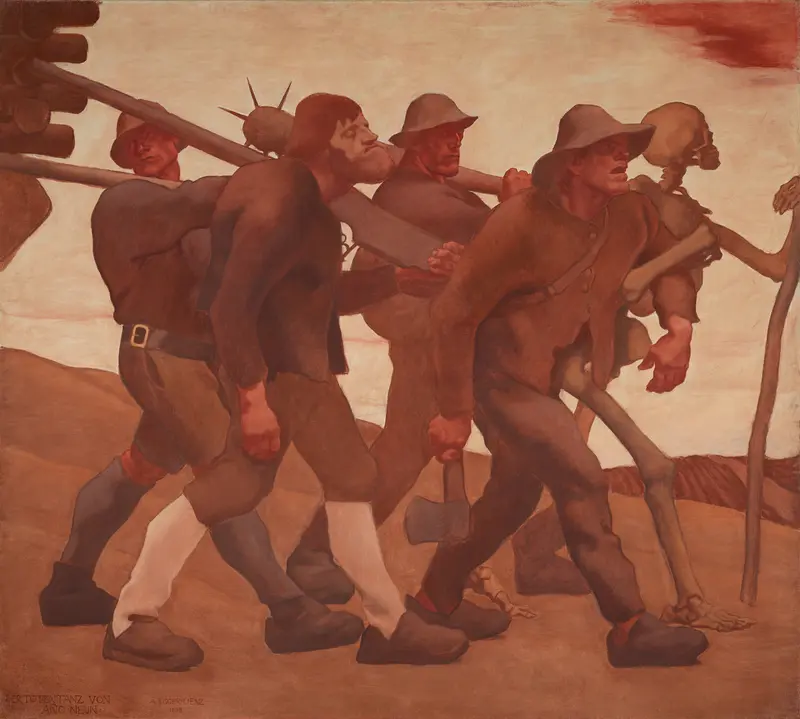
Der Totentanz Von Anno Neun
Albin Egger Lienz
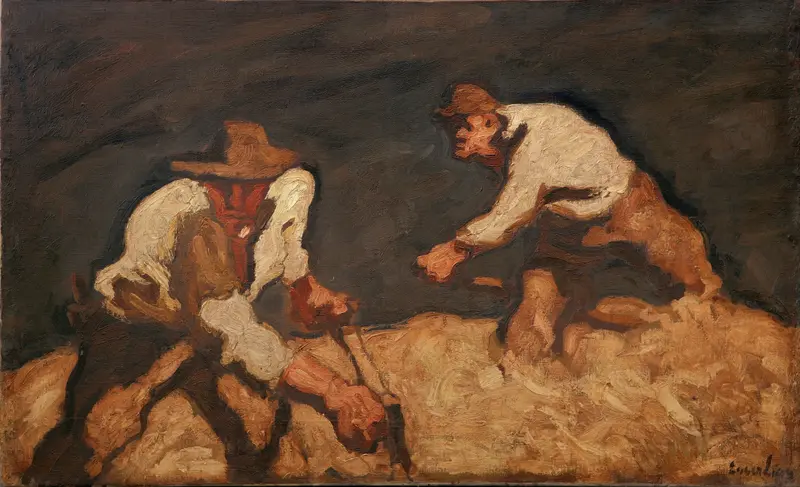
Reapers in a GatheringStorm
Albin Egger Lienz
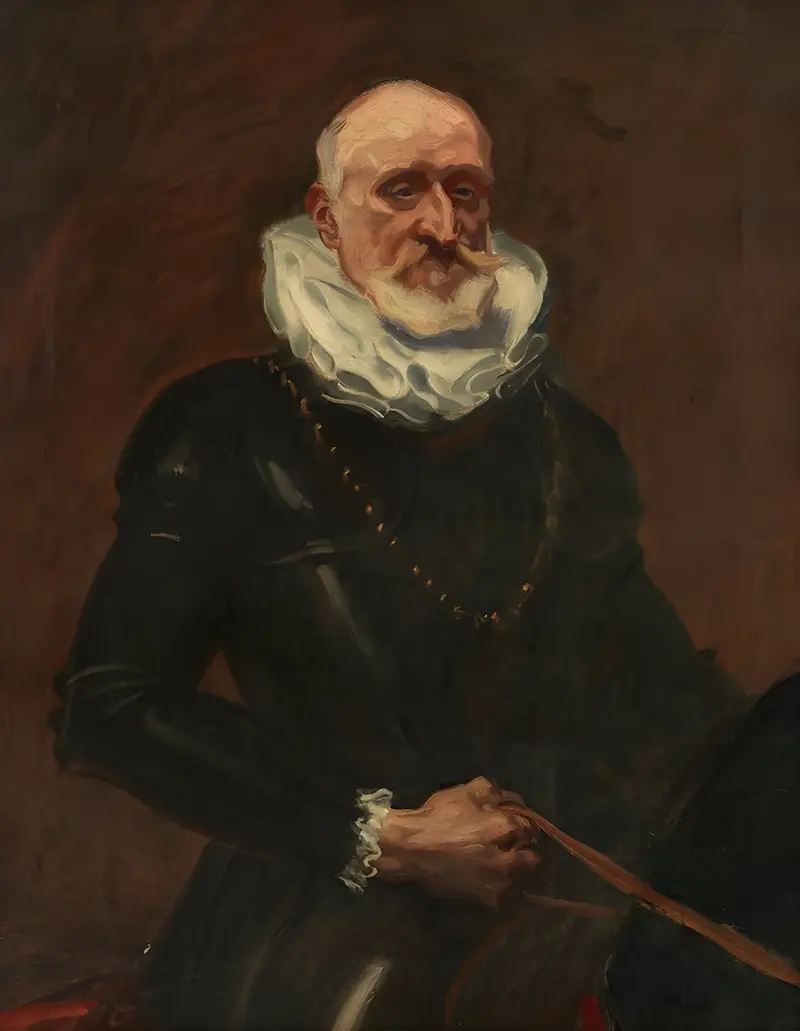
Carl Costenoble (Bildhauer und Stadtrat von Wien)
Albin Egger Lienz
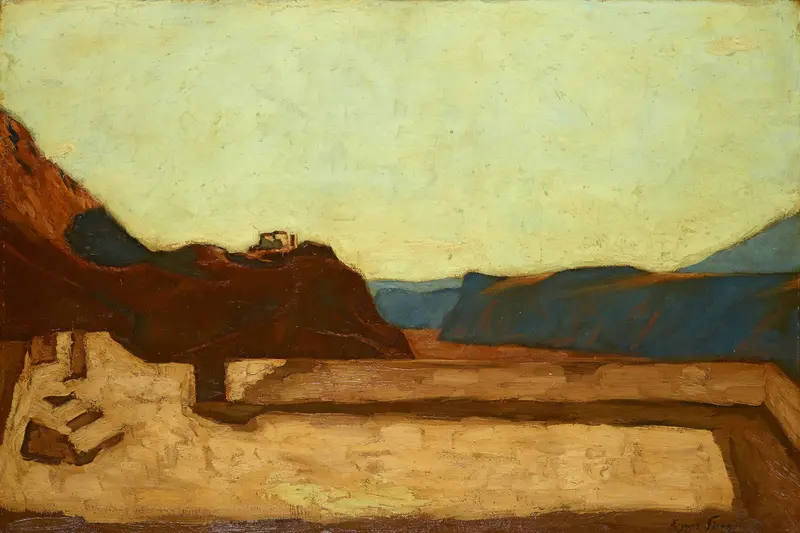
Am Kalvarienberg In Bozen
Albin Egger Lienz
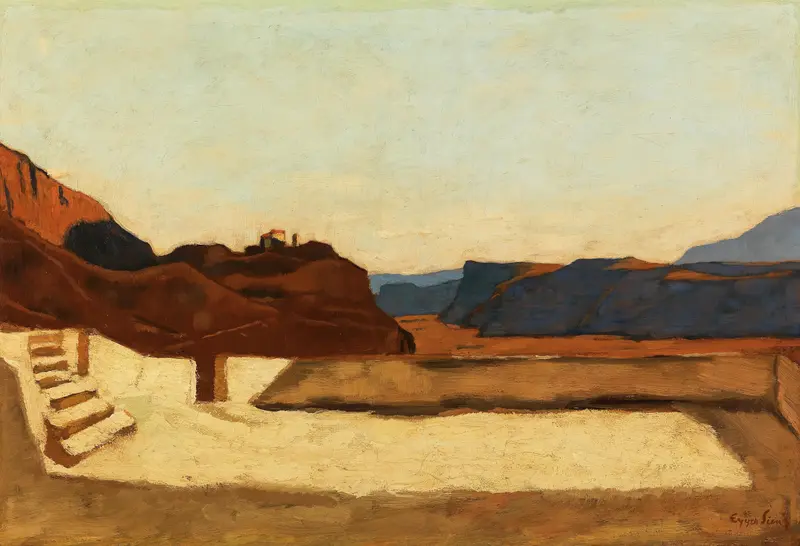
Kalvarienberg bei Bozen
Albin Egger Lienz





